Best Fishing Rods for Teens (Ages 13-17) of 2026 — freshwater fishing gear
Teen Guide · 2026 Edition

Best Fishing Rods for Teens (Ages 13-17) of 2026

The kid rod you got at nine is three feet long and geared for a pond bluegill. Somewhere around thirteen you outgrow it, and the honest next step is a six- or seven-foot spinning setup. These seven picks run $39 to $80, all spinning, all cheap enough to buy with your own money, ranked on specs and Amazon buyer ratings.

View Top PicksBy TomUpdated 2026-08-11Ranked from specs & buyer reviews
How to Choose

How to Choose a Fishing Rod at 13-17

Fishing gear skips the teen years. Kids' rods stop at about twelve: three to five feet long, push-button reel, sold to a parent for a small child. Adult rods assume an adult's budget and an adult's car. If you are somewhere in between, the rod — or pole, if that's what you grew up calling it — that worked at nine now feels like a toy, and the rod your uncle recommends costs more than you make in two weeks.

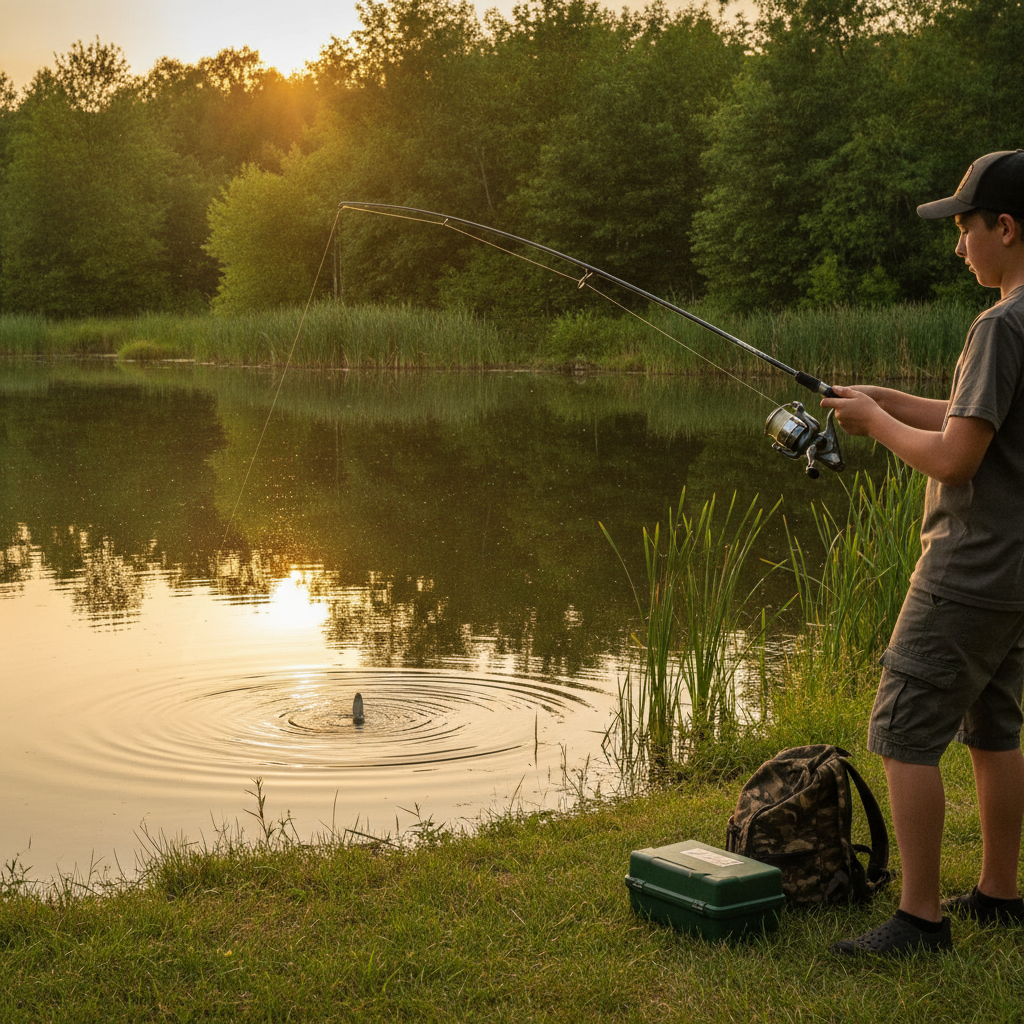
I'm fourteen, so I've been shopping this exact gap. The short version: go to a six- or seven-foot spinning rod in medium power, and go now rather than in two years. Most of the difference is length. A longer blank throws a lure noticeably farther, which matters a lot when you fish from a bank instead of a boat, and it gives you room to steer a fish around a dock post. Medium power handles a two-pound largemouth without feeling like a broomstick when a bluegill grabs your worm. If your water is mostly panfish and stocked trout, medium-light is the smarter call.

The other half of the decision is how the rod gets to the water. A one-piece seven-footer is great until you need it on a bike, a bus, or the back seat of somebody's mom's car. Two-piece rods break down to about half. Four-piece and telescopic models fold into something that fits inside a school backpack, and a few of the picks below were chosen for exactly that. Nothing here is a hands-on review: the whole list sits between $39 and $80 and is ranked on published specs and Amazon buyer ratings.

The Whole Setup

What You Need Besides the Rod

Below is everything that goes with the rod, roughly in the order it matters, and whether you need it on day one or can add it later. The first four you cannot fish without.

Spinning reel

Essential

A 2000 or 3000 size covers essentially all freshwater fishing. Five of the picks here include one. If you are buying separately, 2000 for panfish and trout, 3000 for bass and anything bigger.

Line

Essential

Eight-pound monofilament is the right first spool for a medium rod: it is cheap, forgiving, and stretches enough to cover a hard hookset. Six-pound suits a medium-light setup. Braid and fluorocarbon are worth learning about later, not on day one.

Hooks, weights and a bobber

Essential

Size 4 and size 1 baitholder hooks, a pack of split shot, and a couple of floats will catch fish anywhere in the country. This entire list costs less than a movie ticket and outfishes a pile of expensive lures in your first season.

A fishing license

Essential

Rules vary by state, and plenty of states let anglers under 16 fish free. Check your own state's wildlife agency site before your first trip, because a warden does not care that the rod was your own money.

A few lures

Nice to Have

A pack of soft plastic worms, one spinnerbait, and one small crankbait covers more water than a hundred-piece kit of things you will never tie on. Add lures when you find a fish you cannot catch with what you have.

Pliers or forceps

Nice to Have

For backing a hook out of a fish's jaw and cutting line. A cheap pair lives in your pocket and saves a lot of torn-up fish and torn-up fingers.

A small tackle box or sling

Nice to Have

Something you can carry alongside the rod beats something that needs a truck. A single two-tray box holds far more than you will actually fish in a season.

Rod sleeve or tube

Nice to Have

The cheapest insurance there is. A fabric sleeve costs a few dollars and keeps the guides from getting bent every time the rod goes in and out of a car.

Pick Your Format

Four Ways to Buy Your First Real Setup

The picks below split into four formats. What you can carry and what you already own should decide which one you buy, well before you start comparing brand names.

Two-piece spinning combo

$60-$80One rod for everything

The default answer. Rod and matched reel in one purchase, broken down to about three feet for transport. Fishes better than anything else in the price range and needs a car or a decent walk rather than a bike.

Telescopic combo

$40-$70Biking or walking to the water

Collapses into its own handle and packs down smaller than anything else here. The tip is softer than a two-piece, and for a lot of people fishing on the way home from school is worth that.

Rod only, two-piece

$40-$60Already owning a reel

Pairs with a reel from an old combo or a hand-me-down, and at the same total price gets you a noticeably better rod than the one inside a combo.

Four-piece travel rod

$55-$70Packing a real rod anywhere

Breaks into four short sections, fits a backpack or a suitcase, and unlike a telescopic keeps the feel of a normal rod. The joints are good enough now that you barely notice them.

Quick Picks

Top Three at a Glance

Short on time? Start with these top-rated teen fishing rods picks.

Comparison Table

Every Pick, Side by Side

Best Overall
Best For
Young anglers
Packs Down
2-Piece
Price
$$$
Toughest Build
Best For
Young anglers
Packs Down
2-Piece
Price
$$$
Best Packable
Best For
Young anglers
Packs Down
Telescopic
Price
$$$
Recommended #4
Best For
Young anglers
Packs Down
2-Piece
Price
$$$
Recommended #5
Best For
Young anglers
Packs Down
4-Piece Travel
Price
$$$
Recommended #6
Best For
Young anglers
Packs Down
Telescopic
Price
$$$
Recommended #7
Best For
Young anglers
Packs Down
Telescopic
Price
$$$
The Lineup

7 Best Teen Fishing Rods, Compared

Detailed picks with verdicts, strengths, tradeoffs, and the situations where each one makes the most sense.

Best Overall
Product image
4.4 (2,452 Amazon ratings)

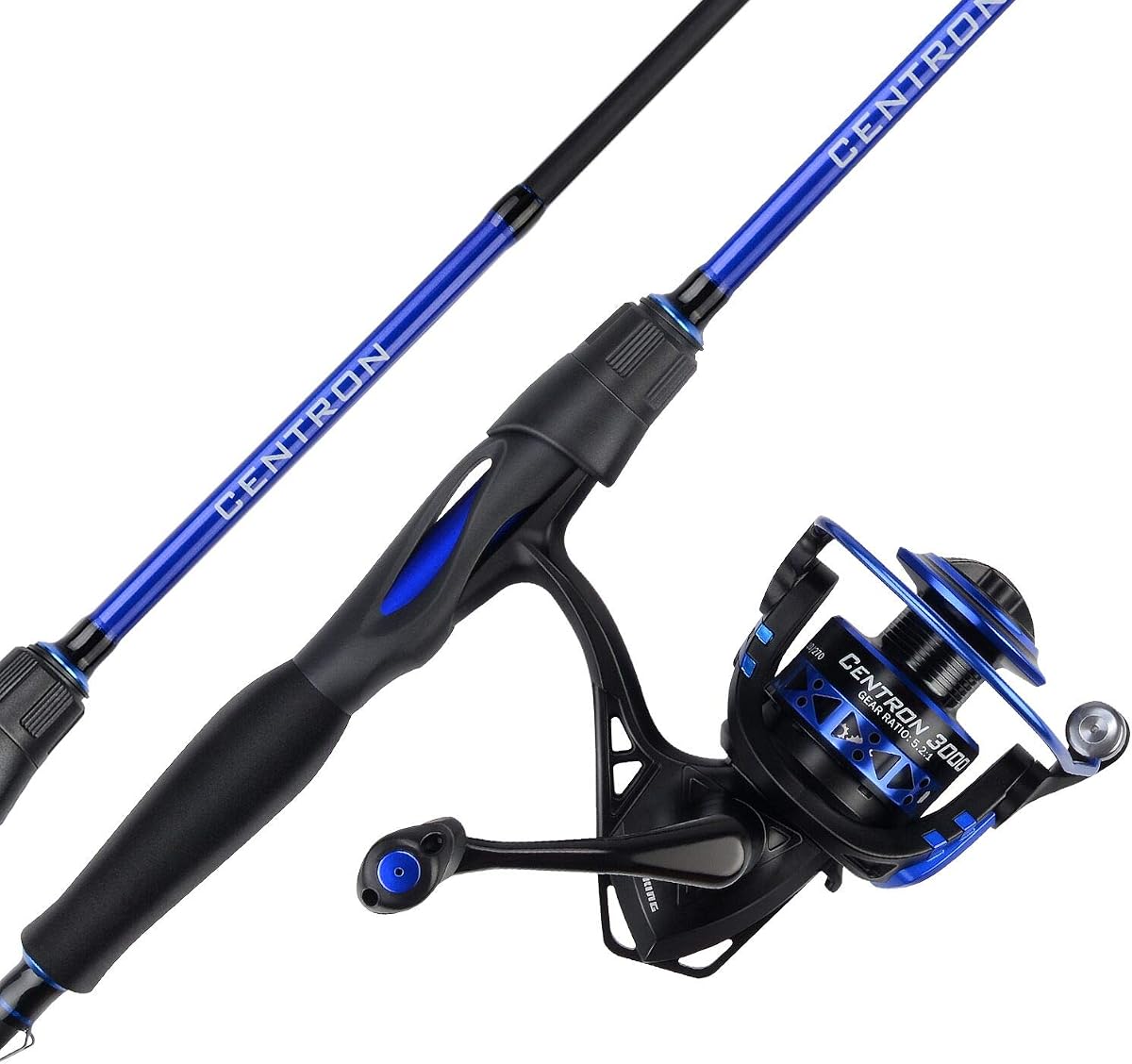
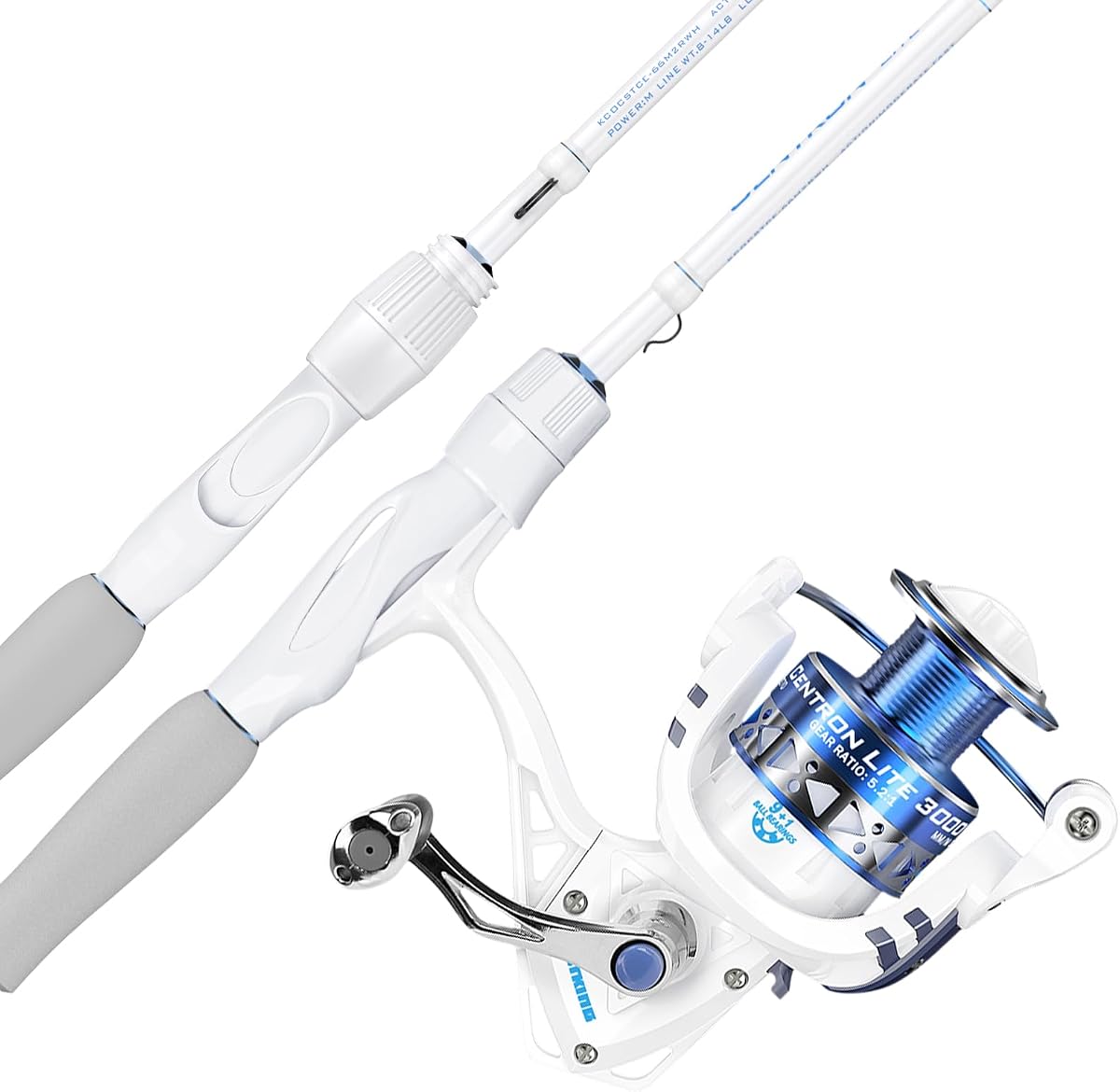
KastKing Centron Spinning Combo (6', Medium, 2-Piece)

Quick verdict: KastKing Centron Spinning Combo (6', Medium, 2-Piece) ranks in the top 1 by combining 4.4-star Amazon buyer ratings (2,452 ratings) with a clear practical role: young anglers.

Why It Stands Out

  • Rated 4.4 stars from 2,452 Amazon buyer ratings
  • Clear match for young anglers
  • Balanced price-to-performance for its price range
  • Direct Amazon link for current price and availability

Pros

  • Good fit for young anglers
  • 4.4-star Amazon buyer rating
  • Performance-focused pick

Cons

  • May not cover every specialty technique
  • Advanced anglers may want a more specialized option

Best Situations

Young anglersBeginnerFrequent AnglersQuick Buy
Difficulty
Beginner
Price Range
$$$
Toughest Build
Product image
4.2 (147 Amazon ratings)

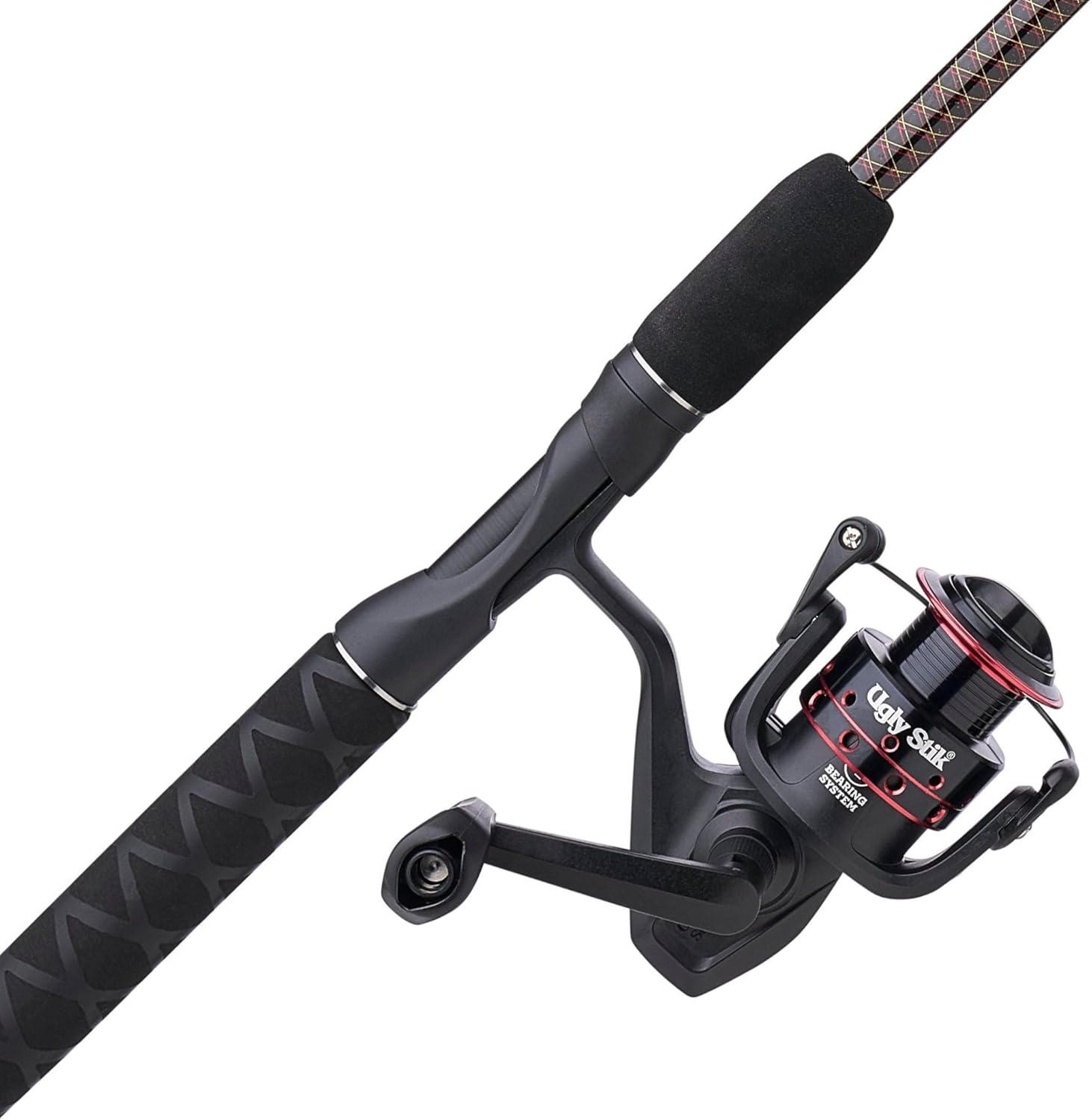
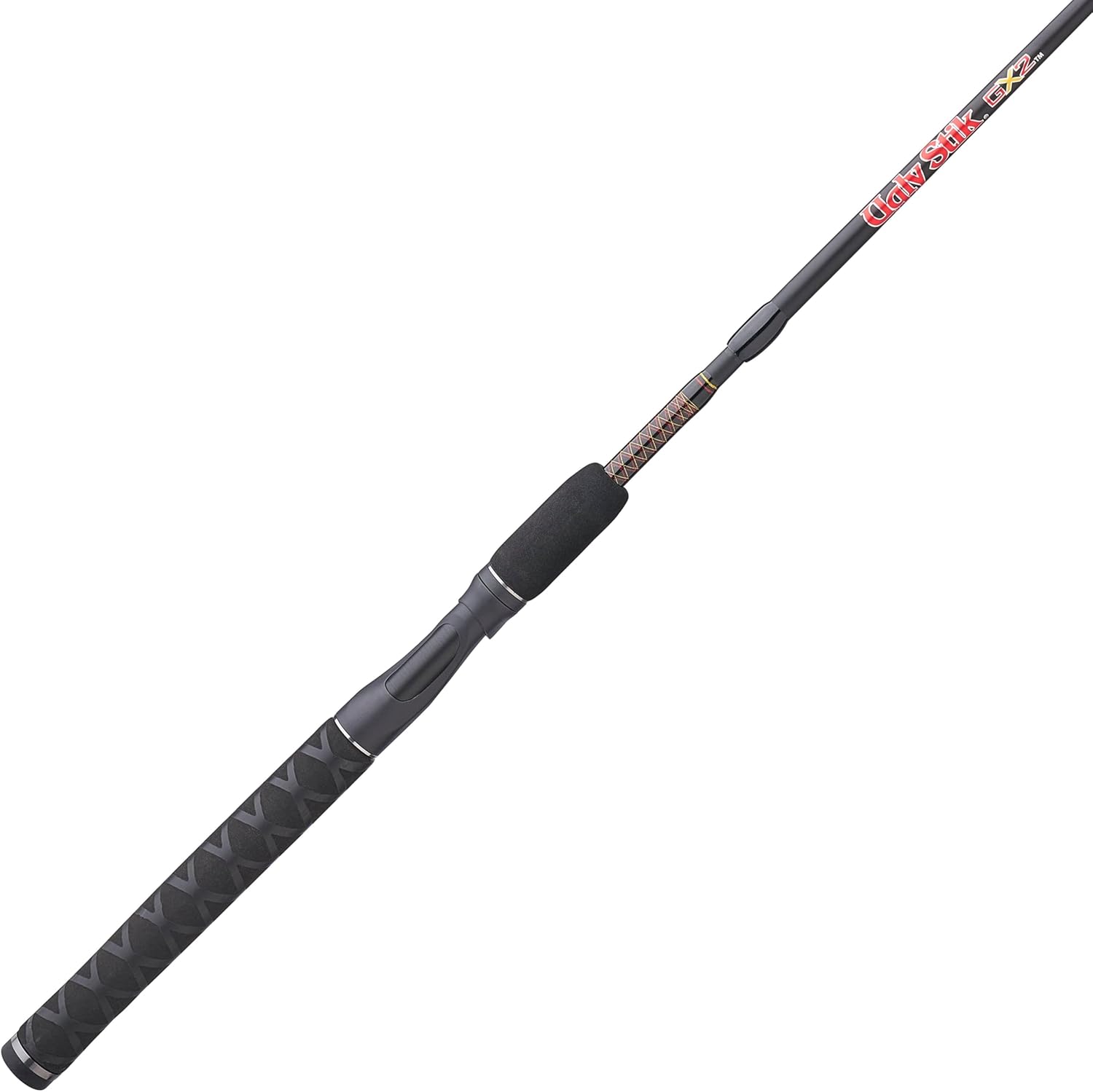
Ugly Stik GX2 Spinning Rod & Reel Combo (6', Medium, 2-Piece)

Quick verdict: Ugly Stik GX2 Spinning Rod & Reel Combo (6', Medium, 2-Piece) ranks in the top 2 by combining 4.2-star Amazon buyer ratings (147 ratings) with a clear practical role: young anglers.

Why It Stands Out

  • Rated 4.2 stars from 147 Amazon buyer ratings
  • Clear match for young anglers
  • Balanced price-to-performance for its price range
  • Direct Amazon link for current price and availability

Pros

  • Good fit for young anglers
  • 4.2-star Amazon buyer rating
  • Performance-focused pick

Cons

  • May not cover every specialty technique
  • Advanced anglers may want a more specialized option

Best Situations

Young anglersBeginnerFrequent AnglersQuick Buy
Difficulty
Beginner
Price Range
$$$
Best Packable
Product image
4.4 (2,992 Amazon ratings)

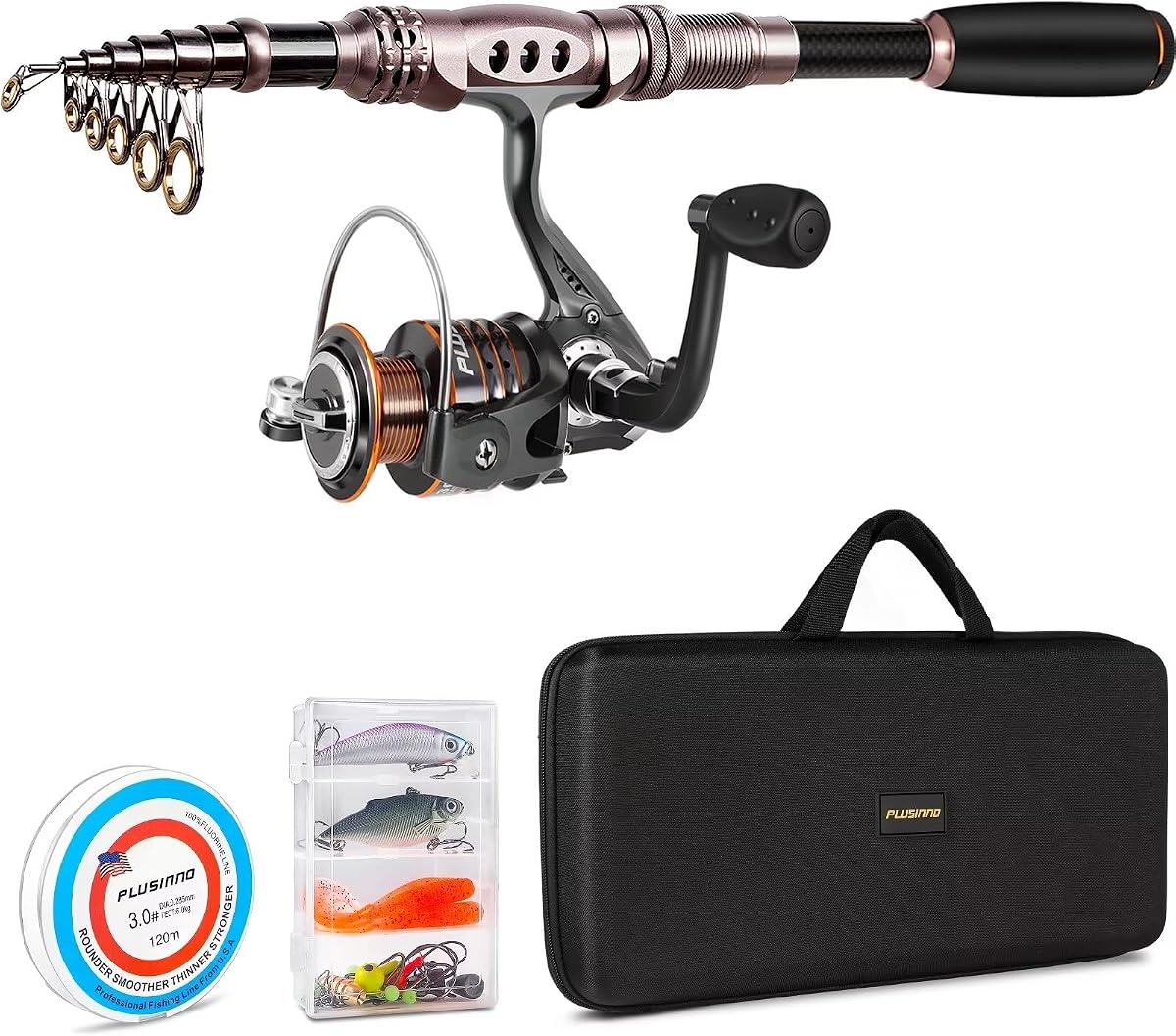
PLUSINNO Telescopic Carbon Fiber Rod & Reel Combo

Quick verdict: PLUSINNO Telescopic Carbon Fiber Rod & Reel Combo ranks in the top 3 by combining 4.4-star Amazon buyer ratings (2,992 ratings) with a clear practical role: young anglers.

Why It Stands Out

  • Rated 4.4 stars from 2,992 Amazon buyer ratings
  • Clear match for young anglers
  • Balanced price-to-performance for its price range
  • Direct Amazon link for current price and availability

Pros

  • Good fit for young anglers
  • 4.4-star Amazon buyer rating
  • Performance-focused pick

Cons

  • May not cover every specialty technique
  • Advanced anglers may want a more specialized option

Best Situations

Young anglersBeginnerFrequent AnglersQuick Buy
Difficulty
Beginner
Price Range
$$$
Recommended #4
Product image
4.6 (404 Amazon ratings)

KastKing Centron Lite Spinning Combo (6', Medium-Light, 2-Piece)

Quick verdict: KastKing Centron Lite Spinning Combo (6', Medium-Light, 2-Piece) ranks in the top 4 by combining 4.6-star Amazon buyer ratings (404 ratings) with a clear practical role: young anglers.

Why It Stands Out

  • Rated 4.6 stars from 404 Amazon buyer ratings
  • Clear match for young anglers
  • Balanced price-to-performance for its price range
  • Direct Amazon link for current price and availability

Pros

  • Good fit for young anglers
  • 4.6-star Amazon buyer rating
  • Performance-focused pick

Cons

  • May not cover every specialty technique
  • Advanced anglers may want a more specialized option

Best Situations

Young anglersBeginnerFrequent AnglersQuick Buy
Difficulty
Beginner
Price Range
$$$
Recommended #5
Product image
4.4 (27 Amazon ratings)

Ugly Stik GX2 Spinning Rod (6'6", Medium, 4-Piece)

Quick verdict: Ugly Stik GX2 Spinning Rod (6'6", Medium, 4-Piece) ranks in the top 5 by combining 4.4-star Amazon buyer ratings (27 ratings) with a clear practical role: young anglers.

Why It Stands Out

  • Rated 4.4 stars from 27 Amazon buyer ratings
  • Clear match for young anglers
  • Balanced price-to-performance for its price range
  • Direct Amazon link for current price and availability

Pros

  • Good fit for young anglers
  • 4.4-star Amazon buyer rating
  • Performance-focused pick

Cons

  • May not cover every specialty technique
  • Advanced anglers may want a more specialized option

Best Situations

Young anglersBeginnerFrequent AnglersQuick Buy
Difficulty
Beginner
Price Range
$$$
Recommended #6
Product image
4.2 (272 Amazon ratings)

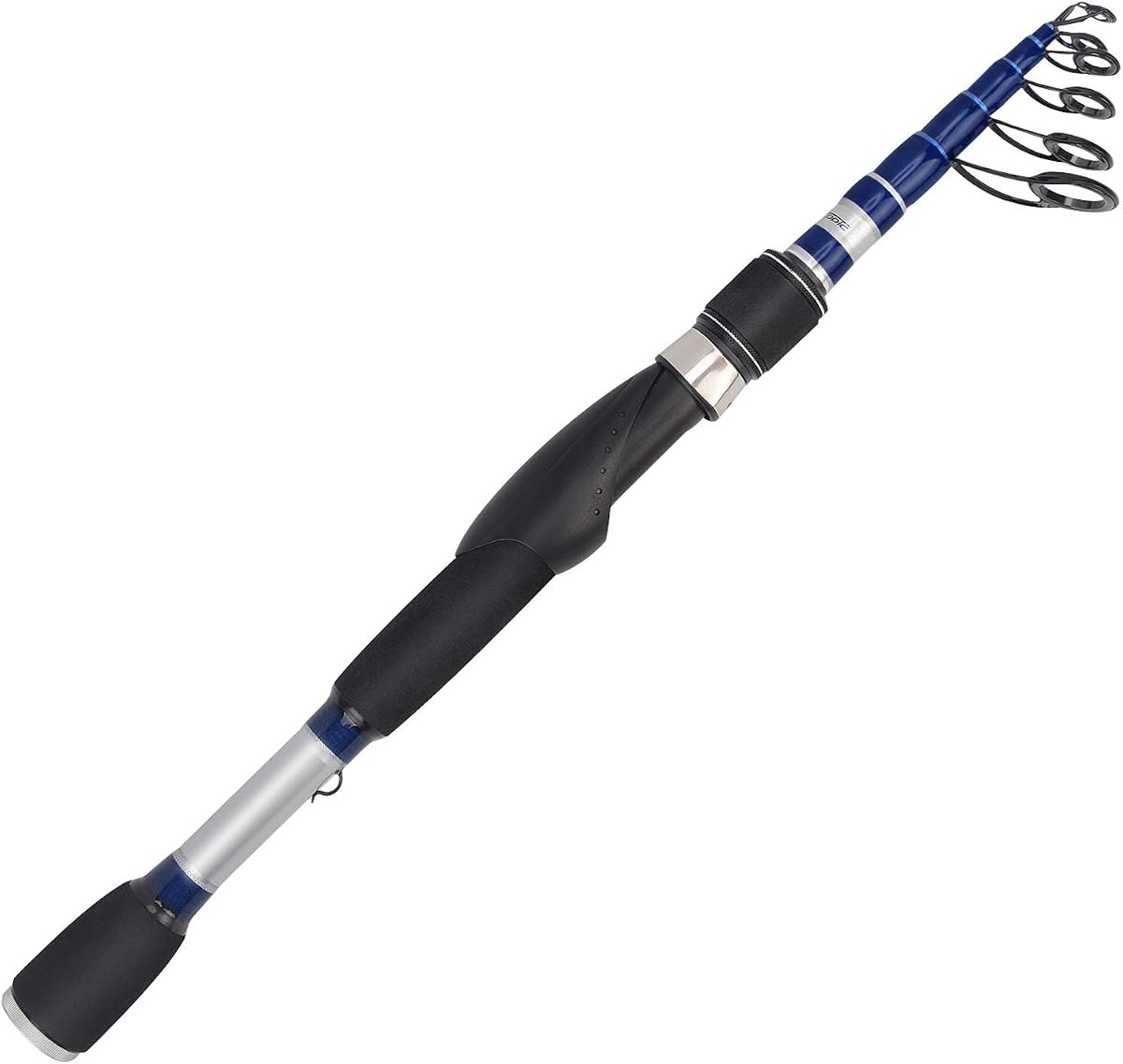
KastKing Compass Telescopic Spinning Rod (7', Medium-Heavy)

Quick verdict: KastKing Compass Telescopic Spinning Rod (7', Medium-Heavy) ranks in the top 6 by combining 4.2-star Amazon buyer ratings (272 ratings) with a clear practical role: young anglers.

Why It Stands Out

  • Rated 4.2 stars from 272 Amazon buyer ratings
  • Clear match for young anglers
  • Strong value for its price range
  • Direct Amazon link for current price and availability

Pros

  • Good fit for young anglers
  • 4.2-star Amazon buyer rating
  • Budget-friendly pick

Cons

  • May not cover every specialty technique
  • Takes more practice than beginner gear

Best Situations

Young anglersIntermediateValue BuyersQuick Buy
Difficulty
Intermediate
Price Range
$$$
Recommended #7
Product image
4.3 (5,637 Amazon ratings)

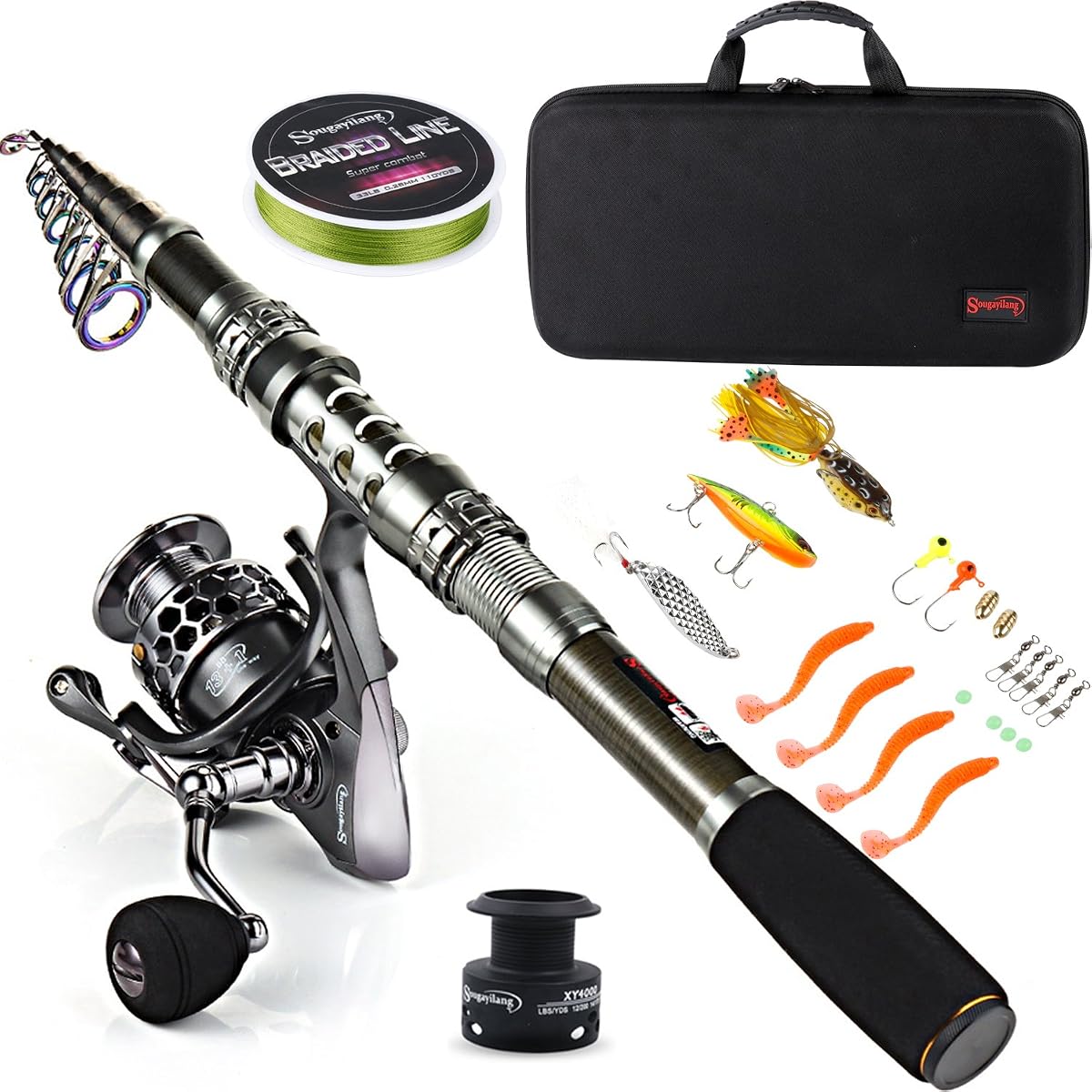
Sougayilang Telescopic Rod & Reel Combo with Carrier Bag

Quick verdict: Sougayilang Telescopic Rod & Reel Combo with Carrier Bag ranks in the top 7 by combining 4.3-star Amazon buyer ratings (5,637 ratings) with a clear practical role: young anglers.

Why It Stands Out

  • Rated 4.3 stars from 5,637 Amazon buyer ratings
  • Clear match for young anglers
  • Balanced price-to-performance for its price range
  • Direct Amazon link for current price and availability

Pros

  • Good fit for young anglers
  • 4.3-star Amazon buyer rating
  • Performance-focused pick

Cons

  • May not cover every specialty technique
  • Advanced anglers may want a more specialized option

Best Situations

Young anglersBeginnerFrequent AnglersQuick Buy
Difficulty
Beginner
Price Range
$$$
Buying Guide

What to Check Before You Buy

Length and power

Six to seven feet in medium power is the answer for most of the years between 13 and 17. The extra length over a kid rod buys real casting distance from the bank, and medium power covers bass, catfish on light gear, and anything smaller. Drop to medium-light if you mostly chase panfish and trout; step to medium-heavy only when you are throwing bigger baits at bass in cover.

Spinning, not spincast

The push-button reel on a kid combo is easy on day one and a limitation by month three, mostly because of line capacity and a drag that gives up on a decent fish. A spinning reel takes about an afternoon to get comfortable with, and after that it throws a light lure farther than any spincast on the shelf.

Combo or rod on its own

A combo arrives matched, pre-spooled in some cases, and costs less than the two pieces bought separately, which is why five of these seven are combos. The case for a rod on its own is simpler: you already have a reel that works, so none of your money has to go into a second one.

How it gets to the water

Two-piece rods break down to about half their length and fit most cars. Four-piece and telescopic models collapse to roughly a foot and a half, which is small enough to carry on a bike without it turning into a whole production.

If you are buying one rod for everything
6' to 6'6" medium

A medium-power spinning combo in this range handles bass, crappie, catfish, and anything else a pond or river throws at you. It is the setup you keep using long after you have bought a second, more specialized one.

If you get to the water by bike
Telescopic

A collapsible blank folds to about the length of a skateboard and rides in a backpack. You give up a little sensitivity against a two-piece, and in exchange you can fish on any afternoon you feel like it.

If you already own a reel
Rod only

Put the whole budget into the blank. A $40 to $60 rod paired with a reel you already have will out-fish a $60 combo where the money got split two ways, and the reel is the cheaper half to replace later.

Set It Up Right

From the Box to Your First Cast

A new spinning setup needs about twenty minutes of work before it fishes properly, and skipping it is the reason a lot of people decide a rod is bad when the line was the problem. Work through these in order.

  1. 1

    Join the sections properly

    Line up the guides so they sit in a straight row down the blank, then push the sections together with a slight twist. Guides that spiral off to one side throw the cast off and put uneven load on the rod. Telescopic sections should be pulled out firmly until they grip, never yanked.

  2. 2

    Spool the reel without twist

    Lay the line spool flat on the floor with the label facing up, run the line through the first guide, and reel slowly with light pressure on the line. If loops start coiling off the reel, flip the spool over. Fill to about an eighth of an inch below the lip, since underfilling costs distance and overfilling causes tangles.

  3. 3

    Set the drag before you fish

    Tighten the front knob, then back it off until you can pull line off the reel with steady hand pressure while the rod is bent. Roughly a quarter of your line's rated strength is the target. A drag set too tight is the single most common reason a first good fish breaks off.

  4. 4

    Learn one knot properly

    The improved clinch knot ties a hook or lure to monofilament and holds fine for everything on this page. Wet it before you pull it tight, because a dry knot cuts into itself and fails at half its strength.

  5. 5

    Practice casting in a yard first

    Tie on a casting weight or an old lure with the hooks cut off. With a spinning reel the sequence is: pick up the line with your index finger, flip the bail open, cast, and let the line go partway through the forward stroke. Ten minutes of this saves an hour of untangling at the water.

  6. 6

    Start on water you can walk to

    A local pond with bluegill will teach you more in an afternoon than a famous bass lake will in a weekend, because you get many more bites per hour. Feel and timing come from repetition, and small fish give you the repetitions.

Speak the Language

Rod Terms, Translated

Power
How much force it takes to bend the rod. Ultralight through heavy. Medium is the all-around freshwater choice, medium-light suits panfish and trout, and medium-heavy is for bigger baits and fish in cover.
Action
Where along the blank the rod bends. Fast action bends near the tip and sets a hook quickly, moderate action bends deeper and holds a fish better on treble hooks. Most rods here are moderate-fast, which is the useful middle.
Line rating
The pound-test range printed above the handle, for example 6-15 lb. Staying inside it means the rod and line fail at sensible points rather than the rod snapping first.
Lure rating
The weight range the blank casts well, for example 1/8 to 5/8 oz. A lure well under the range barely loads the rod and lands ten feet away; one well over it strains the blank.
Two-piece, four-piece, telescopic
How the rod breaks down. Two-piece splits in half, four-piece into four short sections, and telescopic collapses into its own handle. More sections means easier transport and a slightly softer feel.
Reel seat
The threaded collar that clamps the reel foot to the rod. If a reel wobbles here the whole setup feels dead, so snug it before every trip and check it after a fish.
Avoid These

Five Mistakes to Skip on Your First Real Rod

  • Buying another spincast combo because it is familiar. It is the piece of a kid setup you outgrow first, and swapping to spinning is the one upgrade worth making before any other.
  • Choosing a rod under six feet to save money. The saving is a few dollars, and you give up casting distance you cannot get back any other way from a bank.
  • Going straight to medium-heavy because it sounds stronger. A stiff rod throws light lures badly and makes an average bass feel like nothing at all.
  • Leaving the drag cranked all the way down. If the reel cannot give line, the line breaks instead, and it happens on a good fish rather than a small one.
  • Storing the rod leaning in a corner or across a car's back seat. That is where tips get snapped, and a cheap sleeve prevents most of it.
Explore Individual Gear

Once you know which kit type fits your situation, dig into each gear category for in-depth picks and buying advice:

Full Catalog

Compare All 7 Teen Fishing Rods

Want to browse beyond the ranked picks? Filter and sort the full teen fishing rods listing below.

Best Fishing Rods for Teens (Ages 13-17) of 2026 — All Products

7 Products
FAQ

Frequently Asked Questions

A 6-foot to 7-foot spinning rod in medium power fits most anglers aged 13 to 17. That is a full step up from the 3-to-5-foot rods sold for younger kids and long enough to cast well from a bank. Pick medium-light if you mainly fish for panfish and trout, and 6'6" if you want a single rod that does a bit of everything.

How We Choose Products

How These Picks Are Chosen

Reader-supported and free of paid placements. Every pick is ranked on published specs and Amazon buyer ratings, not on who pays us.

Spec Research

Each pick is compared on published specs, materials, design, and category fit across the major brands.

Practical Fit

Rankings factor in how well each product matches common freshwater fishing needs, not just popularity.

Amazon Buyer Ratings

Star ratings and review volume from verified Amazon buyers are factored in to reflect real-world satisfaction.

Value

A pick earns its spot by delivering useful performance for the money, whether budget or premium.

Got the rod.
Now fill the box.

A rod is half a setup. Our beginner guides cover the line to spool it with and the lures worth your first twenty dollars, plus which tackle box is worth buying first.

See Beginner Tackle Boxes
See Top Picks