Best Braided Line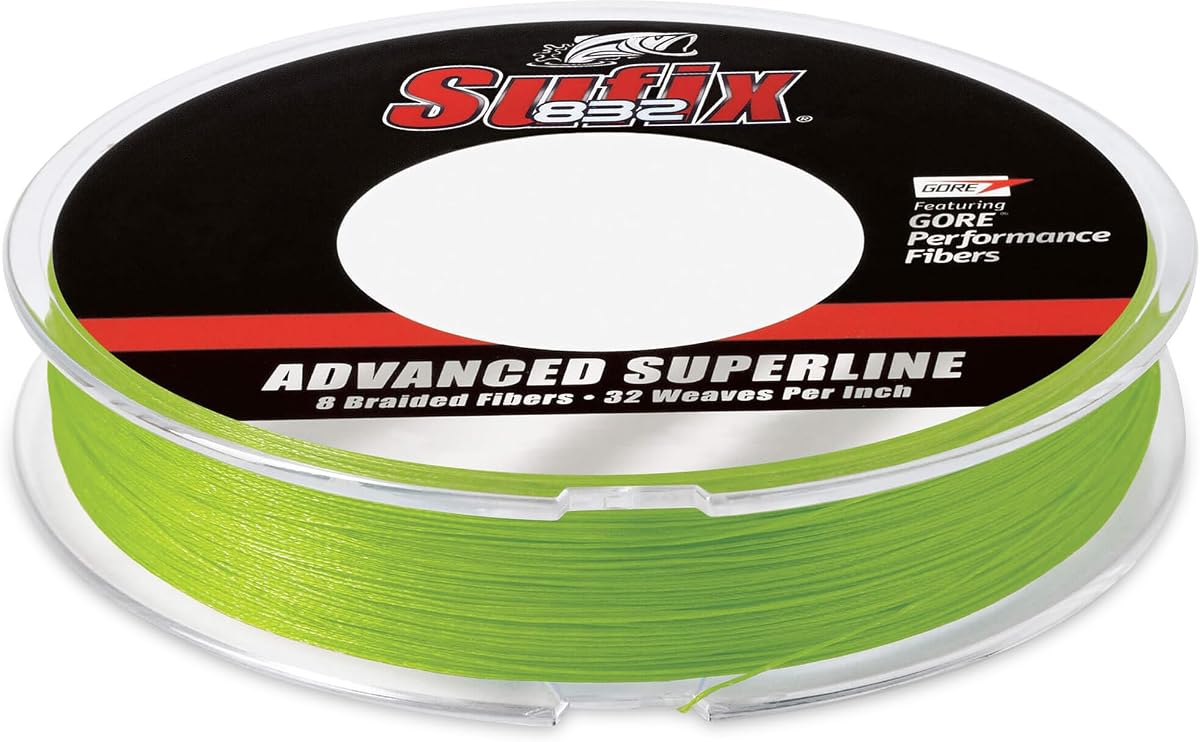
4.7
Sufix 832 Advanced Superline Braid
ASIN B004HGU9K4Sufix 832 Advanced Superline Braid is the #1 pick here, on 4.7-star Amazon buyer ratings (1,260 of them) and one clear job: heavy cover & long casts.
Check Price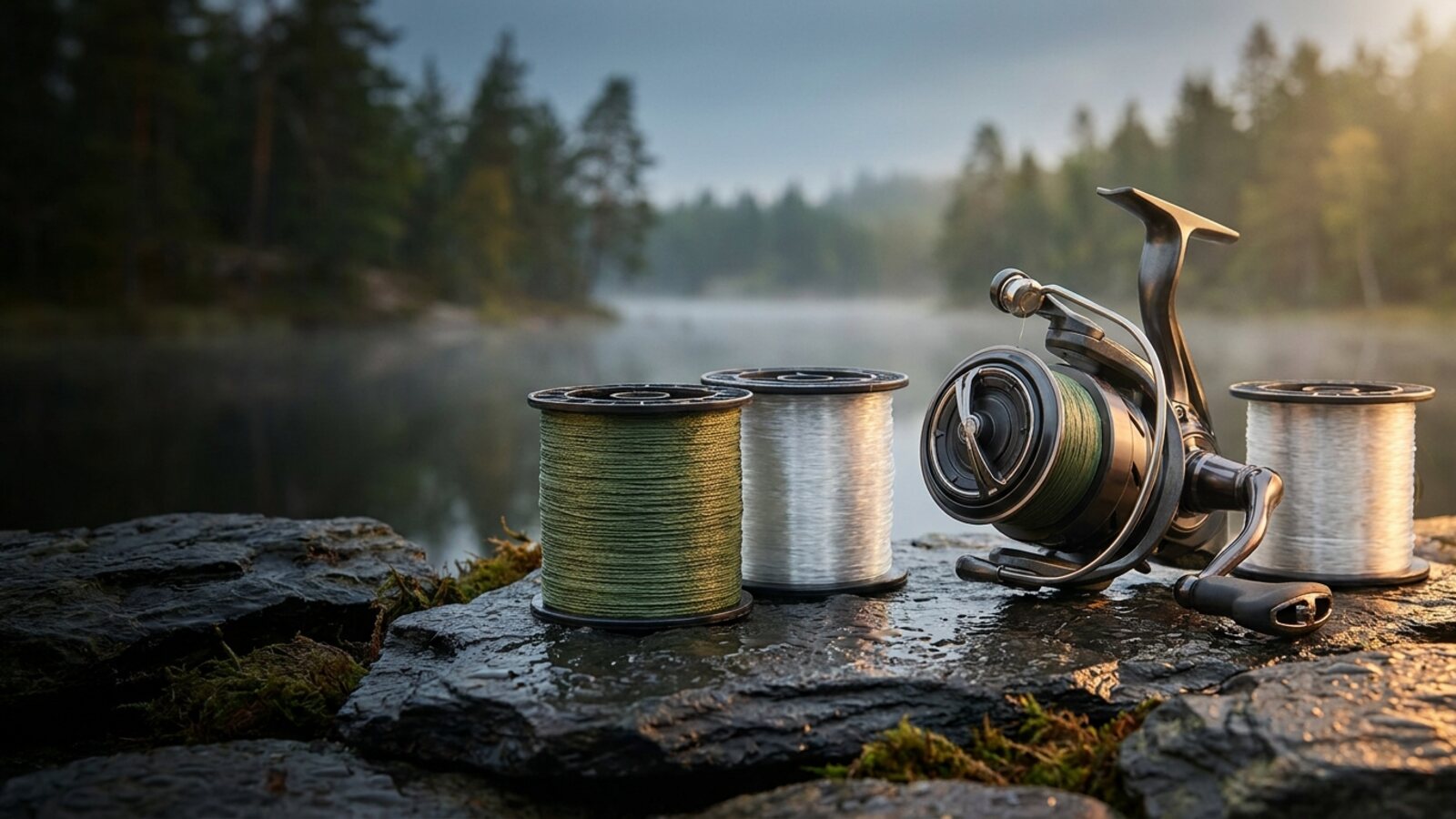
Braided, monofilament, and fluorocarbon side by side: when to reach for each and the top-rated picks to spool.
There is no single best fishing line. There are three, and the right one depends entirely on what you are tying it to and where you are fishing. Braided line is thin, strong, and has almost no stretch, so it casts a long way and pulls fish out of heavy cover. Monofilament stretches and floats, which makes it forgiving on the hookset and a natural fit for topwater and treble-hook baits. Fluorocarbon sinks and nearly disappears underwater, which is why it shines in clear water and as a leader. Most of the time the question is not which line is best overall, but which one fits the technique in front of you.
Each line trades something away. Braid's lack of stretch gives you sharp sensitivity and hooksetting power, but it is opaque, so wary fish in clear water can shy off it. Mono is cheap, easy to tie, and absorbs shock, yet it stretches on a long cast and breaks down in sunlight over a season. Fluorocarbon resists abrasion and all but vanishes in the water, but it costs the most and can be stiff and unruly on a spinning reel. Knowing those trade-offs is what lets you match line to job instead of buying one spool and hoping it covers everything.
The setup most experienced anglers settle on is a combination: braid as the main line for distance and feel, with a short fluorocarbon leader for an invisible connection to the lure. Beginners are usually better off starting with mono, which is the most forgiving line to manage and the cheapest to replace while the knots and casting come together. Below we break down when to reach for each type, the four things that actually matter when you buy, and the top-rated braided, mono, and fluorocarbon lines, ranked by Amazon buyer ratings.
A spool of line is not the only thing standing between you and a landed fish. These are the parts of the setup that decide whether the line does its job.
Pound test is a breaking strain, not a quality rating. Heavier line is thicker, more visible and casts worse. Use the lightest line that will handle the fish and the cover you are fishing, not the heaviest the reel will hold.
A spinning reel that is underfilled casts badly and throws loops. Fill to about an eighth of an inch below the lip. Check the yardage on the spool against what your reel holds before you buy one small spool for a big reel.
Braid is slick and can spin on a bare spool no matter how tight the drag. A few wraps of mono underneath, or a strip of tape on the arbor, stops the whole spool slipping.
The improved clinch handles mono and fluoro. Braid needs a Palomar or a uni. Whichever you pick, practise it until you can tie it without looking, because that is the condition you will actually tie it in.
Braid in particular will not bite through cleanly and a ragged tag end weakens the knot. Any cheap clipper on a retractor solves it.
The three line types are made differently and behave differently in water. Typical street cost for a standard spool is shown as a rough guide to what each material runs, not as a price for any particular product.
A single stretchy nylon strand. It floats, forgives a hard hookset, ties easy knots and costs the least to replace. It also stretches on long casts and weakens in sunlight, so re-spool it every season or two.
A dense single strand with a refractive index close to water, so it is very hard for fish to see. It sinks, resists abrasion well, and costs the most. Stiffer than mono, which makes it happier on a baitcaster or as a short leader than as a full spinning-reel spool.
Multiple fibres woven together. Far thinner than mono at the same strength, with almost no stretch, so you feel everything and drive hooks at range. It is opaque, so in clear water most anglers add a fluorocarbon leader.
Short on time? Start with these top-rated fishing line picks.
Sufix 832 Advanced Superline Braid is the #1 pick here, on 4.7-star Amazon buyer ratings (1,260 of them) and one clear job: heavy cover & long casts.
Check Price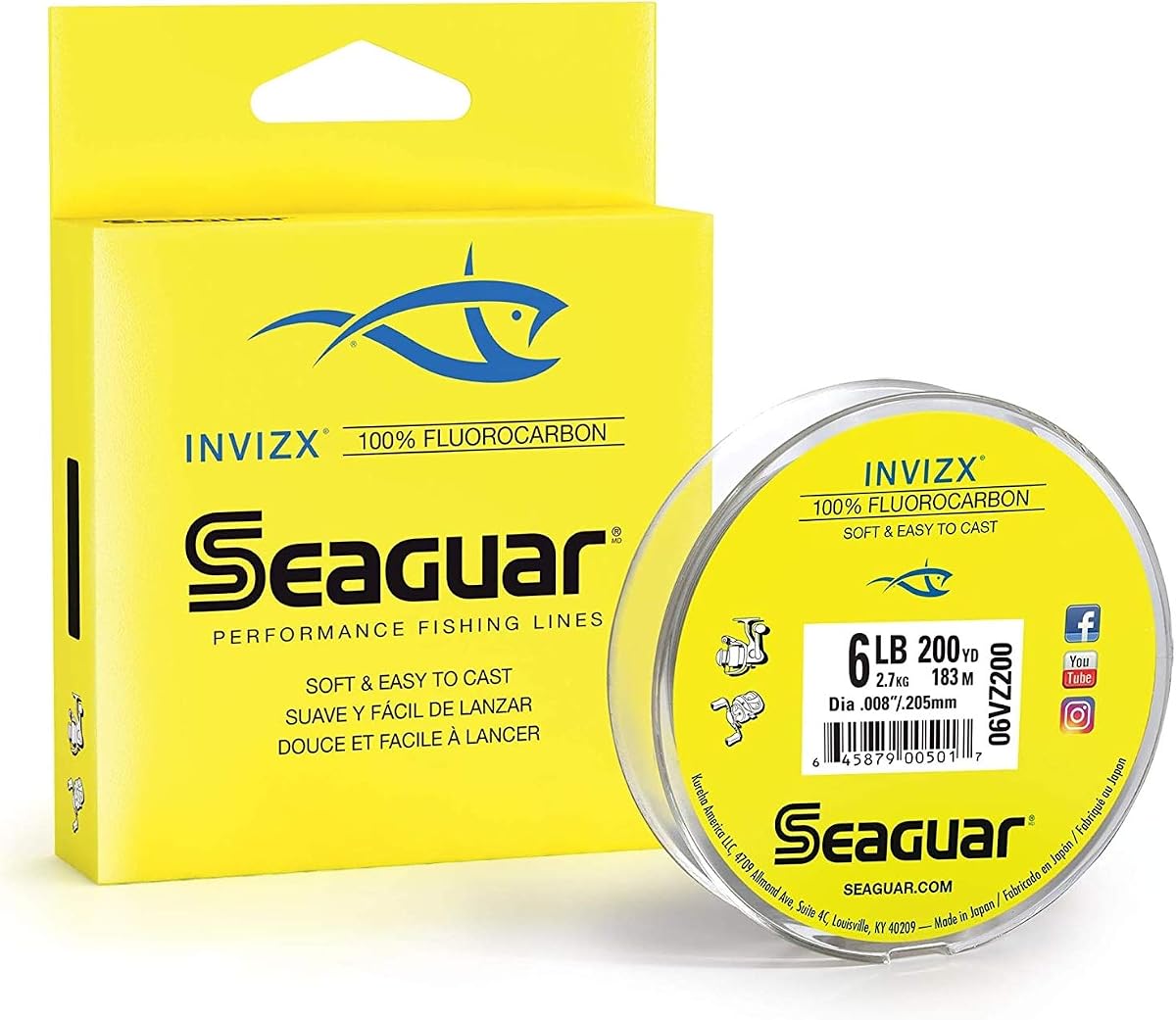
Seaguar InvizX 100% Fluorocarbon Line is the #2 pick here, on 4.6-star Amazon buyer ratings (5,188 of them) and one clear job: clear water & leaders.
Check Price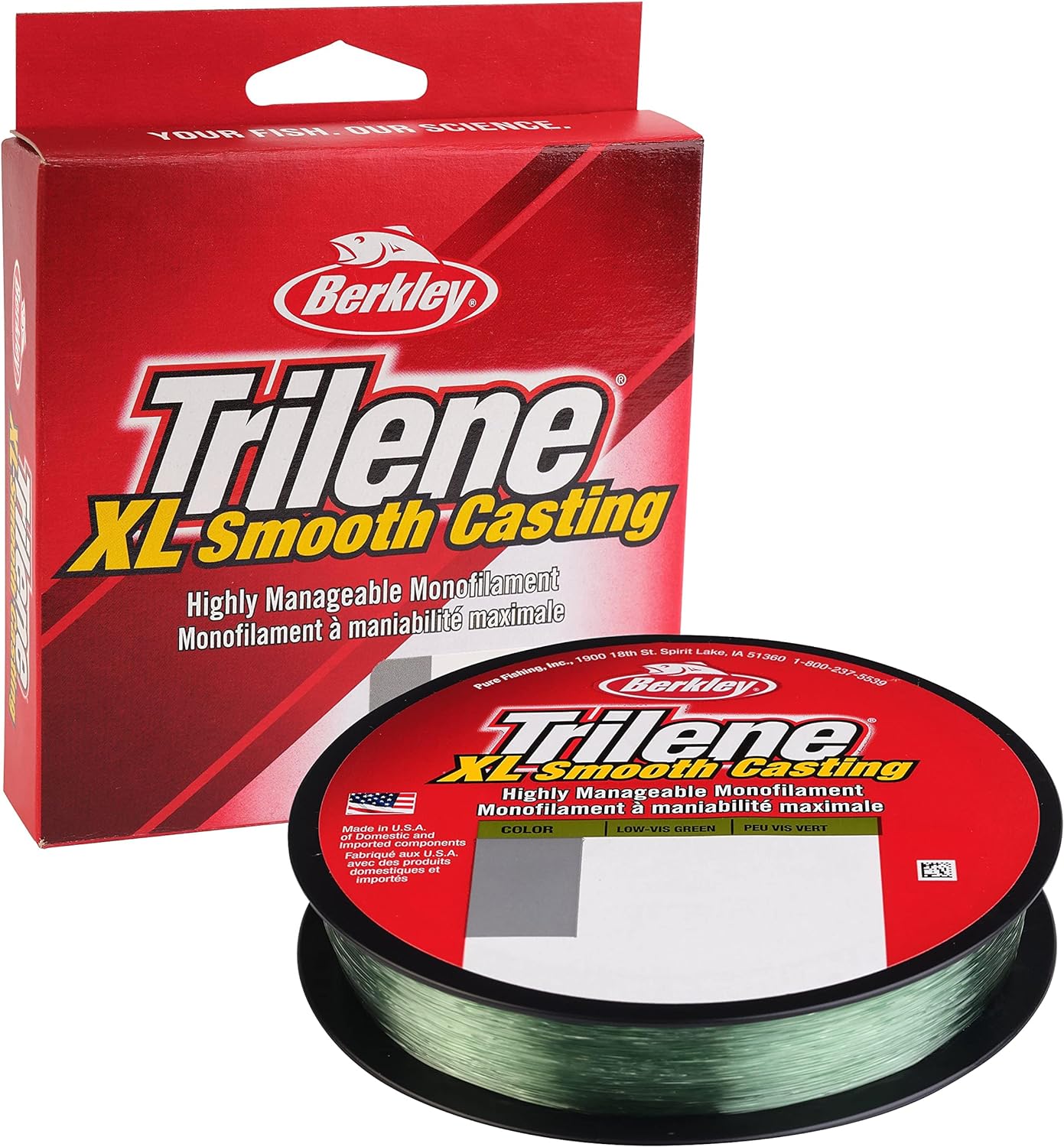
Berkley Trilene XL Monofilament Line (4 lb, 330 yd, Low-Vis Green) is the #3 pick here, on 4.6-star Amazon buyer ratings (1,535 of them) and one clear job: topwater, cranks & beginners.
Check PriceDetailed picks with verdicts, strengths, tradeoffs, and the situations where each one makes the most sense.
Quick verdict: Sufix 832 Advanced Superline Braid is the #1 pick here, on 4.7-star Amazon buyer ratings (1,260 of them) and one clear job: heavy cover & long casts.
Quick verdict: Seaguar InvizX 100% Fluorocarbon Line is the #2 pick here, on 4.6-star Amazon buyer ratings (5,188 of them) and one clear job: clear water & leaders.
Quick verdict: Berkley Trilene XL Monofilament Line (4 lb, 330 yd, Low-Vis Green) is the #3 pick here, on 4.6-star Amazon buyer ratings (1,535 of them) and one clear job: topwater, cranks & beginners.
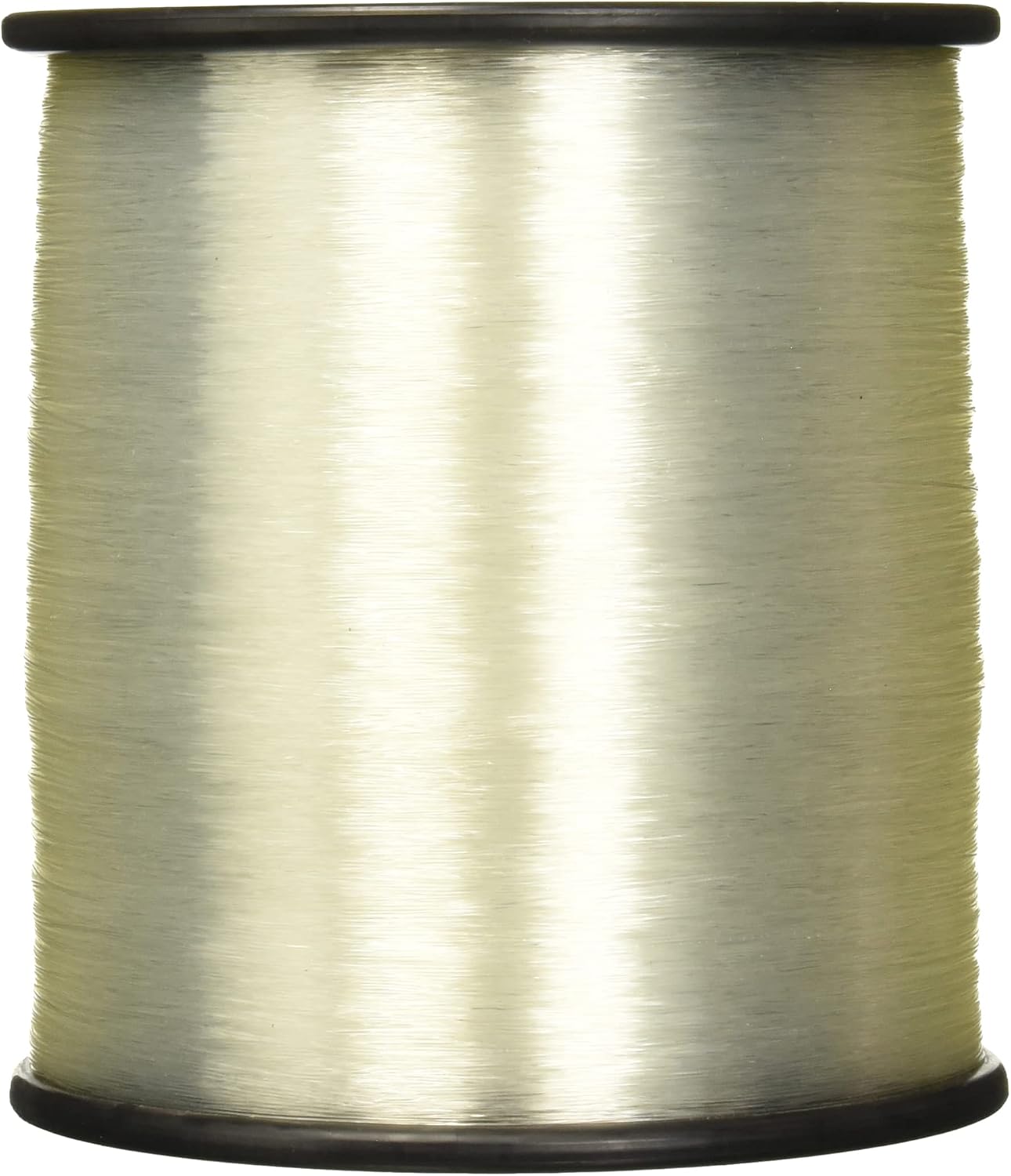
Quick verdict: Berkley Trilene Big Game Monofilament (30 lb, 440 yd) is the #4 pick here, on 4.7-star Amazon buyer ratings (3,557 of them) and one clear job: catfish, carp & heavy mono.
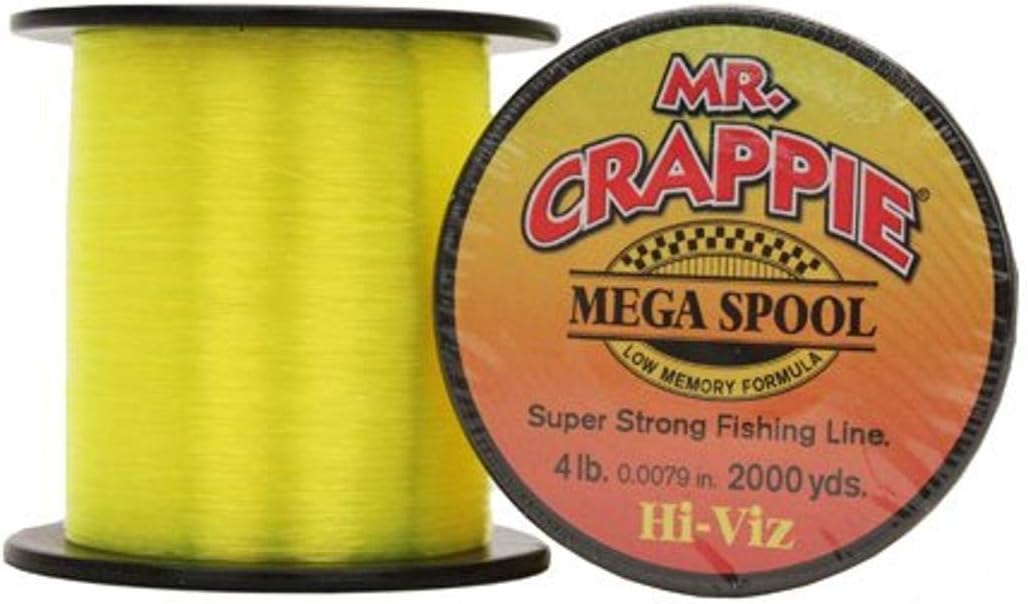
Quick verdict: Lew's Mr. Crappie Mega Spool Monofilament (Hi-Vis, 4 lb) is the #5 pick here, on 4.7-star Amazon buyer ratings (805 of them) and one clear job: panfish & watching the line.
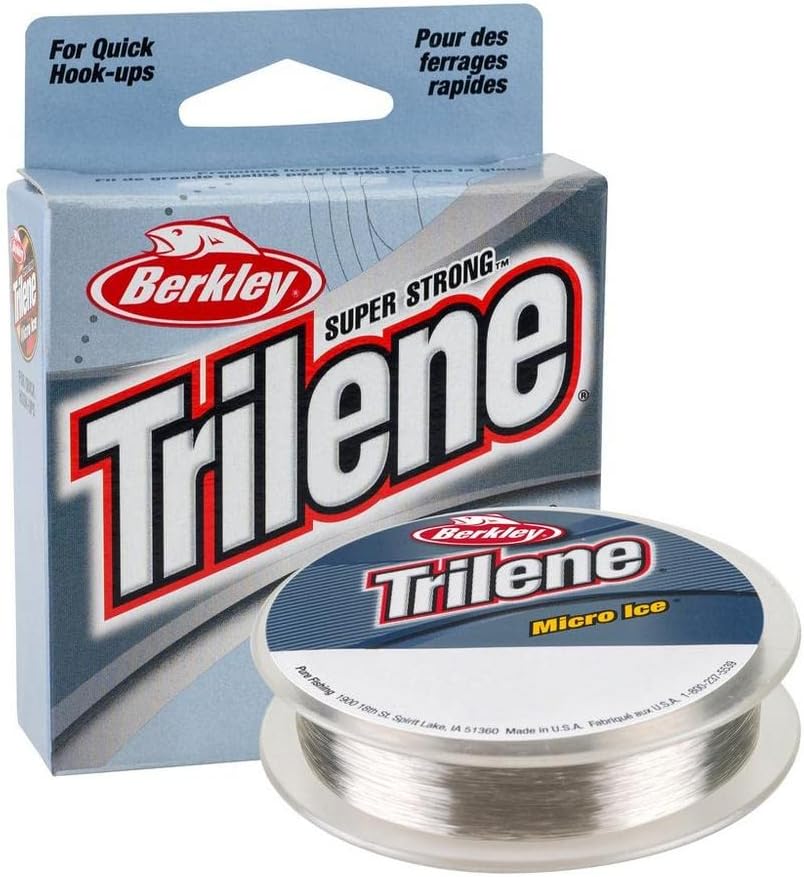
Quick verdict: Berkley Trilene Micro Ice Monofilament Line (2 lb, 110 yd) is the #6 pick here, on 4.6-star Amazon buyer ratings (562 of them) and one clear job: ice & ultralight panfish.
No-stretch braid telegraphs every tick and gives instant hooksets. Mono's stretch is forgiving and protects light hooks. Fluorocarbon sits in between. Match stretch to how subtle the bite is.
Braid is opaque and easy for fish to see, so it is best in stained water or under a leader. Fluorocarbon is nearly invisible and wins in clear water. Mono is low-vis and a safe middle ground.
For the same pound test, braid is far thinner than mono or fluoro, so it casts farther and packs more line on the spool. The thinner diameter also cuts through wind and current.
Fluorocarbon resists nicks from rock and dock pilings and sinks fast, keeping baits down. Braid is tough but slick. Mono floats, which is exactly what you want for topwater.
Thin, strong, no stretch. Spool braid when you are dragging fish out of grass and wood or need maximum casting distance and feel.
Nearly invisible and abrasion-resistant. Reach for fluoro in clear water, for finesse presentations, and as a leader tied to braid.
Cheap, stretchy, and easy to tie. Mono forgives mistakes, floats for topwater, and cushions the treble hooks on a crankbait.
Most line problems are spooling problems. Five steps that prevent the twist, the loops and the wind knots.
Lay the filler spool on the floor label-up and reel a few turns, then check for twist. If the line coils, flip the spool over. Getting this right prevents most spinning-reel line twist.
Run the line through a damp cloth or pinch it lightly between your fingers as you reel. Line wound on loose will dig into itself under the first real fish.
About an eighth of an inch below the spool edge. Overfilled spools throw loops on the cast; underfilled ones cost you distance.
In clear water, add two to four feet of fluorocarbon with a double uni or an FG knot. In stained water you can fish braid straight through.
Run the last few feet through your fingers. Any roughness means abrasion, and abraded line breaks at the worst moment. Cut back and retie.
Once you know which kit type fits your situation, dig into each gear category for in-depth picks and buying advice:
Want to browse beyond the ranked picks? Filter and sort the full fishing line listing below.
Braid is a woven, no-stretch line that is thin and strong but visible. Monofilament is a single stretchy strand that is cheap and easy to handle. Fluorocarbon is a dense single strand that sinks and is nearly invisible underwater.
Reader-supported and free of paid placements. Every pick is ranked on published specs and Amazon buyer ratings, not on who pays us.
Each pick is compared on published specs, materials, design, and category fit across the major brands.
Rankings factor in how well each product matches common freshwater fishing needs, not just popularity.
Star ratings and review volume from Amazon buyers are factored in to reflect real-world satisfaction.
A pick earns its spot by delivering useful performance for the money, whether budget or premium.

See how braid, mono, and fluoro compare before you spool up.
Browse Tackle & Terminal Gear