
Best Overall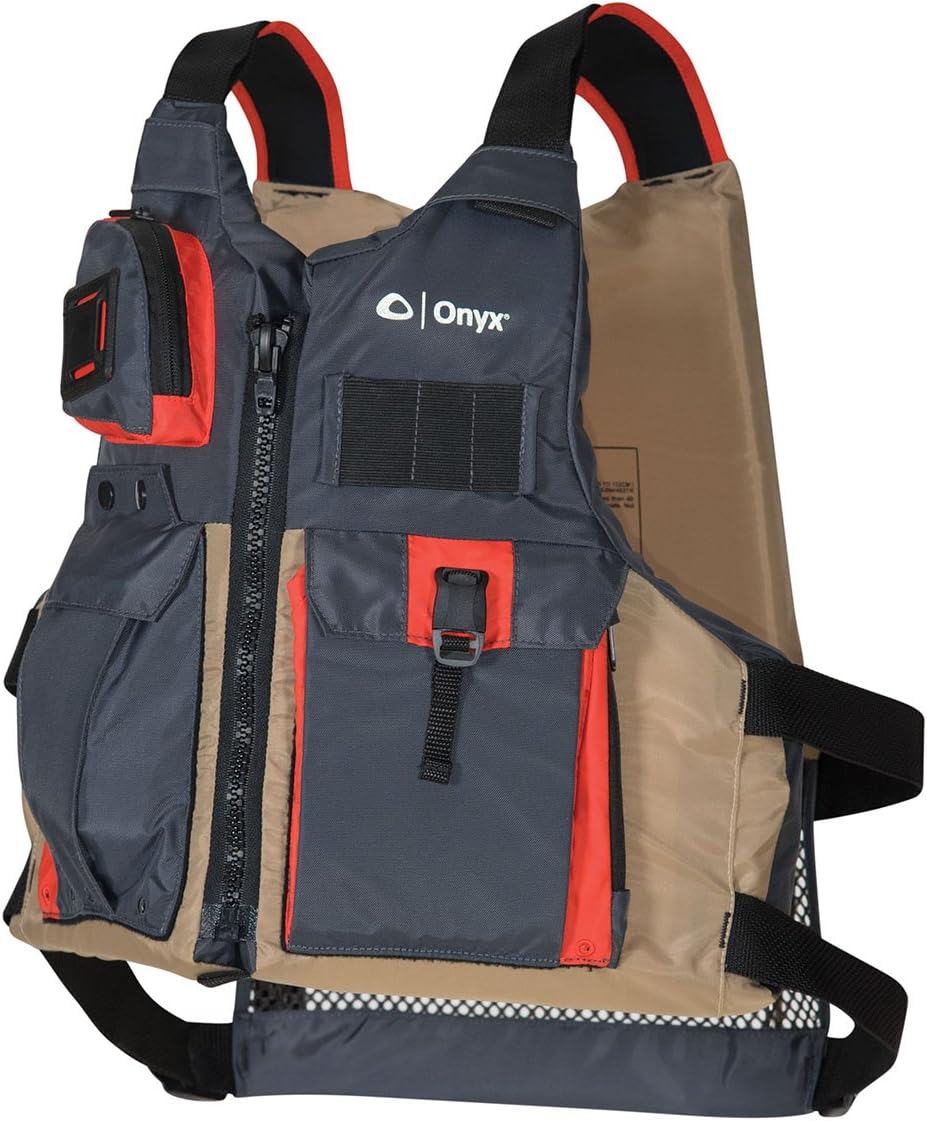
4.7
Onyx Kayak Fishing Life Jacket (Universal Adult)
ASIN B08SJTPY7QOnyx Kayak Fishing Life Jacket (Universal Adult) is the #1 pick here, on 4.7-star Amazon buyer ratings (4,419 of them) and one clear job: kayak anglers.
Check Price
A fishing life jacket is the one piece of gear that only matters on the worst day you ever have on the water. These five are all U.S. Coast Guard approved, and they are ranked on published specs and Amazon buyer ratings rather than on anything we claim to have tested.
Most drownings involving small boats happen to people who owned a life jacket and were not wearing it. That single fact should decide your whole purchase. A cheap vest that lives under the seat protects nobody, and a vest with armholes cut for casting gets worn all afternoon because you forget it is there. Buy for comfort first, because comfort is what turns into compliance.
The label changed recently and it trips people up. In January 2025 the Coast Guard and Transport Canada began replacing the old Type I through Type V system with performance levels printed as 50, 70, 100 and 150. Level 70 is the rough equivalent of the Type III vest anglers have worn for decades, and it is what almost every jacket on this page is. If your existing jacket says Type III, it is still legal and still fine. You do not need to replace it because the printing changed.
After that, fishing vests separate on three things: how high the foam sits on your back, how much air can get to you, and whether the pockets are useful or decorative. A high-back cut clears a kayak or boat seat instead of shoving you forward. Mesh panels are the difference between wearing it in August and taking it off in August. Everything below is ranked on published specs and on what Amazon buyers reported, and we have not tested any of it on the water.
A fishing PFD is a normal life jacket with a handful of changes aimed at people who sit down and swing their arms all day. Here is what those changes are and which of them you should refuse to compromise on.
Printed on a label inside the jacket, as either a performance level (50, 70, 100, 150) or the older Type I to V wording. No marking means it is not a life jacket in the eyes of the law or the water, whatever the product page calls it.
Side belts and shoulder straps that pull in far enough to stop the vest moving when you shrug. Buckles you can find and release without looking. This is the difference between flotation that lifts your body and flotation that lifts past your face.
Keeps foam off the part of your back that meets a seat. If you fish from a kayak or any boat with a proper seat back, treat this as non-negotiable rather than a nice extra.
Cut away under the arm so a full casting stroke does not drag the vest with it. A vest that chafes on the tenth cast is a vest that comes off by the fiftieth.
Mesh at the front and back that moves air across you. Skippable if you only fish in spring and autumn, close to essential if your season is a humid July.
For a couple of spare hooks, a leader spool and your phone. Useful, though a chest pack or sling does the job better if you are already carrying one.
D-rings or tabs for hanging pliers, forceps or a retractor within reach of a seated arm. Small thing, saves a lot of rummaging in a tackle bag.
Cheap, weighs nothing, carries much further than a shout across open water. Clip one to a shoulder strap and forget it until the day you need it.
Where you fish from should pick the style long before brand names come into it. These are the four you will actually be choosing between, with the honest tradeoff each one makes.
Pockets, tool attachment points, cut-away armholes and a high back. The most comfortable thing you can wear for eight hours in a seat, and the reason it is worth paying for is that comfort is what keeps it buckled.
Built for kayakers rather than anglers, so it ventilates well and moves freely but carries fewer fishing-specific pockets. For most people fishing from a kayak this is the sweet spot on price against comfort.
The plain buckle-strap vest. Approved, cheap, and genuinely uncomfortable for a long day. Buy one or two as the spares that live in the boat so nobody is ever short a jacket, not as your own.
Barely there until it inflates, which makes it the most wearable option in real heat. Two hard limits: it is not approved for anyone under 16 or under 80 pounds, and it needs its cartridge checked and rearmed after use.
Short on time? Start with these top-rated fishing life jackets picks.
Onyx Kayak Fishing Life Jacket (Universal Adult) is the #1 pick here, on 4.7-star Amazon buyer ratings (4,419 of them) and one clear job: kayak anglers.
Check Price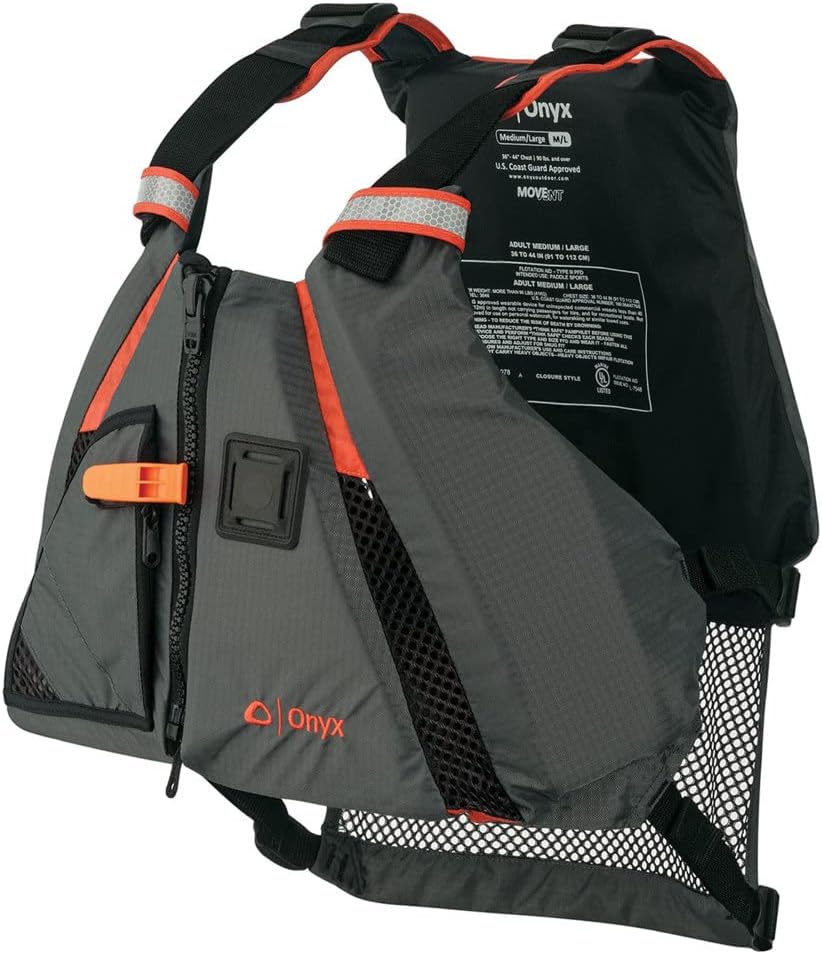
Onyx MoveVent Dynamic Paddle Vest is the #2 pick here, on 4.8-star Amazon buyer ratings (2,247 of them) and one clear job: hot summer days.
Check Price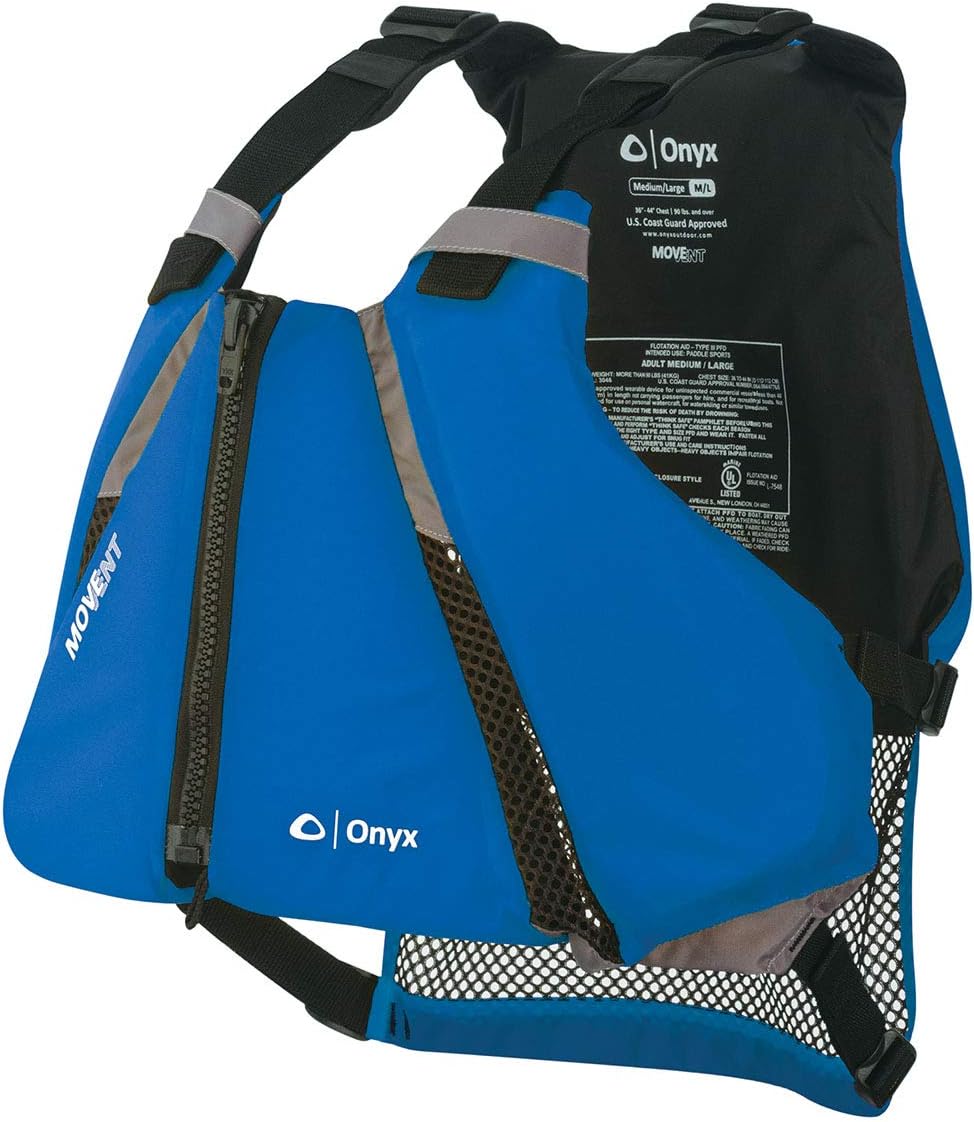
Onyx MoveVent Curve Paddle Sports Life Vest is the #3 pick here, on 4.7-star Amazon buyer ratings (3,734 of them) and one clear job: everyday paddling.
Check PriceDetailed picks with verdicts, strengths, tradeoffs, and the situations where each one makes the most sense.
Quick verdict: Onyx Kayak Fishing Life Jacket (Universal Adult) is the #1 pick here, on 4.7-star Amazon buyer ratings (4,419 of them) and one clear job: kayak anglers.
Quick verdict: Onyx MoveVent Dynamic Paddle Vest is the #2 pick here, on 4.8-star Amazon buyer ratings (2,247 of them) and one clear job: hot summer days.
Quick verdict: Onyx MoveVent Curve Paddle Sports Life Vest is the #3 pick here, on 4.7-star Amazon buyer ratings (3,734 of them) and one clear job: everyday paddling.
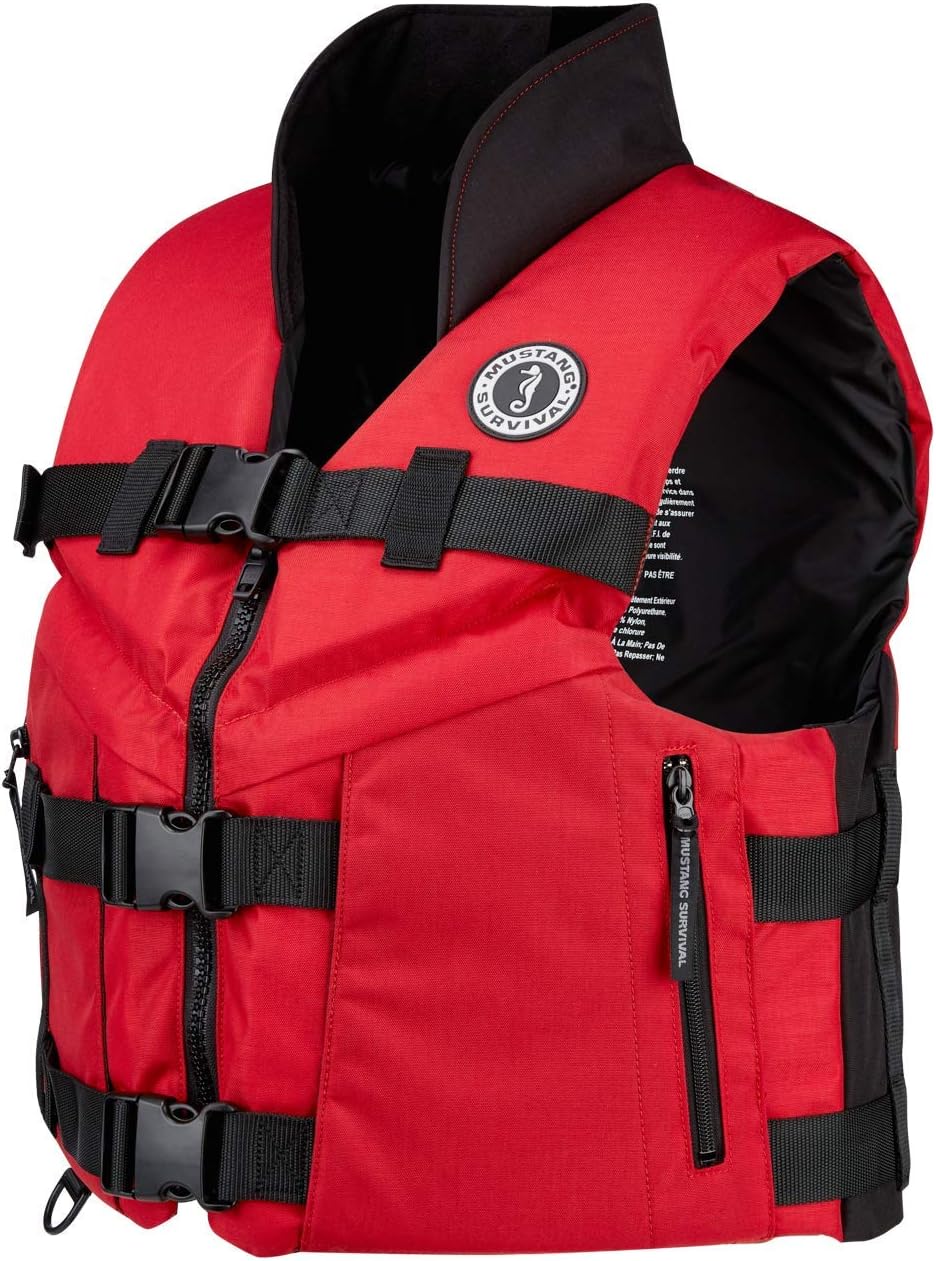
Quick verdict: Mustang Survival Accel 100 High-Speed PFD is the #4 pick here, on 4.6-star Amazon buyer ratings (82 of them) and one clear job: boats run at speed.
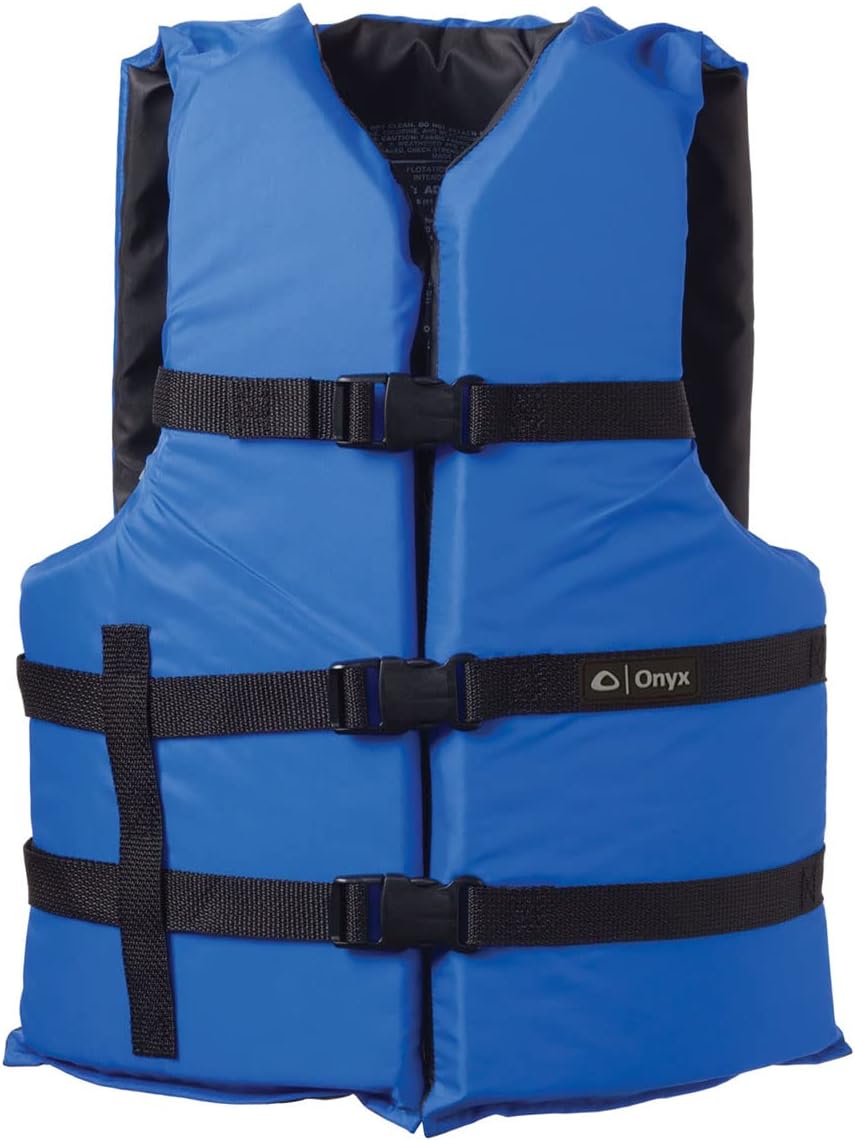
Quick verdict: Onyx General Purpose Boating Life Jacket is the #5 pick here, on 4.3-star Amazon buyer ratings (4,578 of them) and one clear job: a spare in the boat.
Look for U.S. Coast Guard approval printed on the jacket itself. Newer stock reads Level 70, older stock reads Type III, and for an adult fishing in freshwater those describe the same class of vest. An adult Level 70 typically carries somewhere around 15.5 to 16.5 pounds of buoyancy. A vest with no approval marking is a swim aid, not a life jacket, and it will not satisfy a warden checking your boat.
Adult vests size by chest measurement, usually stated as a range like 30 to 52 inches for a universal cut. Youth and child sizes are the ones that go by weight. Measure around the widest part of your chest with a soft tape before ordering. Then check it in the shop test below, because a jacket that rides up over your ears in the water is too loose no matter what the tag says.
This is the spec that decides whether you can stand to wear it. A high-back vest keeps the foam above the seat back, so it works with a kayak seat or a boat seat instead of fighting it. A standard vest puts foam across your lower back, which is fine standing in a jon boat and miserable in a kayak. Three of the picks here use a high-back or mesh lower back for exactly this reason.
A fishing-specific vest earns its price with large armhole openings that let you cast all day and with pockets placed where you can reach them while seated. Look for pockets you can open one-handed and attachment points for pliers or a retractor. A general-purpose boating vest has neither, which is why it costs a third as much and why it is the right buy only as a spare.
Get a vest whose foam sits above the seat back. A standard cut pushes against a kayak seat and shoves you forward within twenty minutes, which is how a life jacket ends up unbuckled on the deck. High-back plus mesh is worth every dollar over a basic vest here.
Ventilation panels front and back move enough air to make a summer afternoon tolerable. It sounds like a comfort feature and it is really a safety one, because the vest you can stand to wear in August is the one still on you when something goes wrong.
A vest built and tested for high-speed use is the one to wear behind a big outboard. Hitting water at speed is a different load than floating in it, and a vest rated for that keeps its seams and its foam where they belong.
A new vest needs about ten minutes of setup and one shallow-water test before you trust it. Skipping this is how people end up with a correctly sized jacket that still rides up.
Soft tape around the widest part of your chest, arms down. Match that number to the range on the listing rather than guessing from your shirt size. Adult vests size on chest, and ordering by weight is the most common way people end up with the wrong one.
Put the vest on with all the straps slack and fasten the zipper or buckles first. Then pull the side belts in, and the shoulder straps last. Tightening the shoulders first is what leaves the body of the vest loose while the top feels snug.
Once it is tight, have someone pull straight up on the shoulders, or grab them and pull up yourself. The vest should barely move. If it slides up toward your ears on dry land, it will slide past your face in the water, and you need it tighter or a size smaller.
Wade in to chest depth, lean back and let it hold you. You want your chin clear of the water without effort. This is also the moment you find out whether the collar pushes at the back of your head, which is a thing you want to learn now rather than in a current.
Clip on a whistle, hang your pliers where a seated arm can reach, and load only the pockets you will use. A vest stuffed with gear sits differently in the water than the one you tested, so keep it light.
Hang it rather than folding it under a seat, and let it dry fully before it goes away. Compressed damp foam loses buoyancy over the years and mildew ruins fabric, which is what actually retires a foam vest, since they carry no expiry date.
Once you know which kit type fits your situation, dig into each gear category for in-depth picks and buying advice:
Want to browse beyond the ranked picks? Filter and sort the full fishing life jackets listing below.
Every boat has to carry one wearable, correctly sized, Coast Guard approved life jacket for each person aboard. Whether it has to be worn depends on your state and on the situation, and the common rules are that children under a certain age must wear one at all times on a moving boat, and that anyone on a kayak, canoe or paddleboard often must too. New Jersey, for example, requires a PFD on children under 13 on a moving vessel. Check your own state wildlife or boating agency, because the age and the vessel rules genuinely differ.
Reader-supported and free of paid placements. Every pick is ranked on published specs and Amazon buyer ratings, not on who pays us.
Each pick is compared on published specs, materials, design, and category fit across the major brands.
Rankings factor in how well each product matches common freshwater fishing needs, not just popularity.
Star ratings and review volume from Amazon buyers are factored in to reflect real-world satisfaction.
A pick earns its spot by delivering useful performance for the money, whether budget or premium.

The vest that stays comfortable is the vest you keep on all day. Once yours fits, our other guides cover the rest of what rides in the boat with you.
See Fishing Backpacks