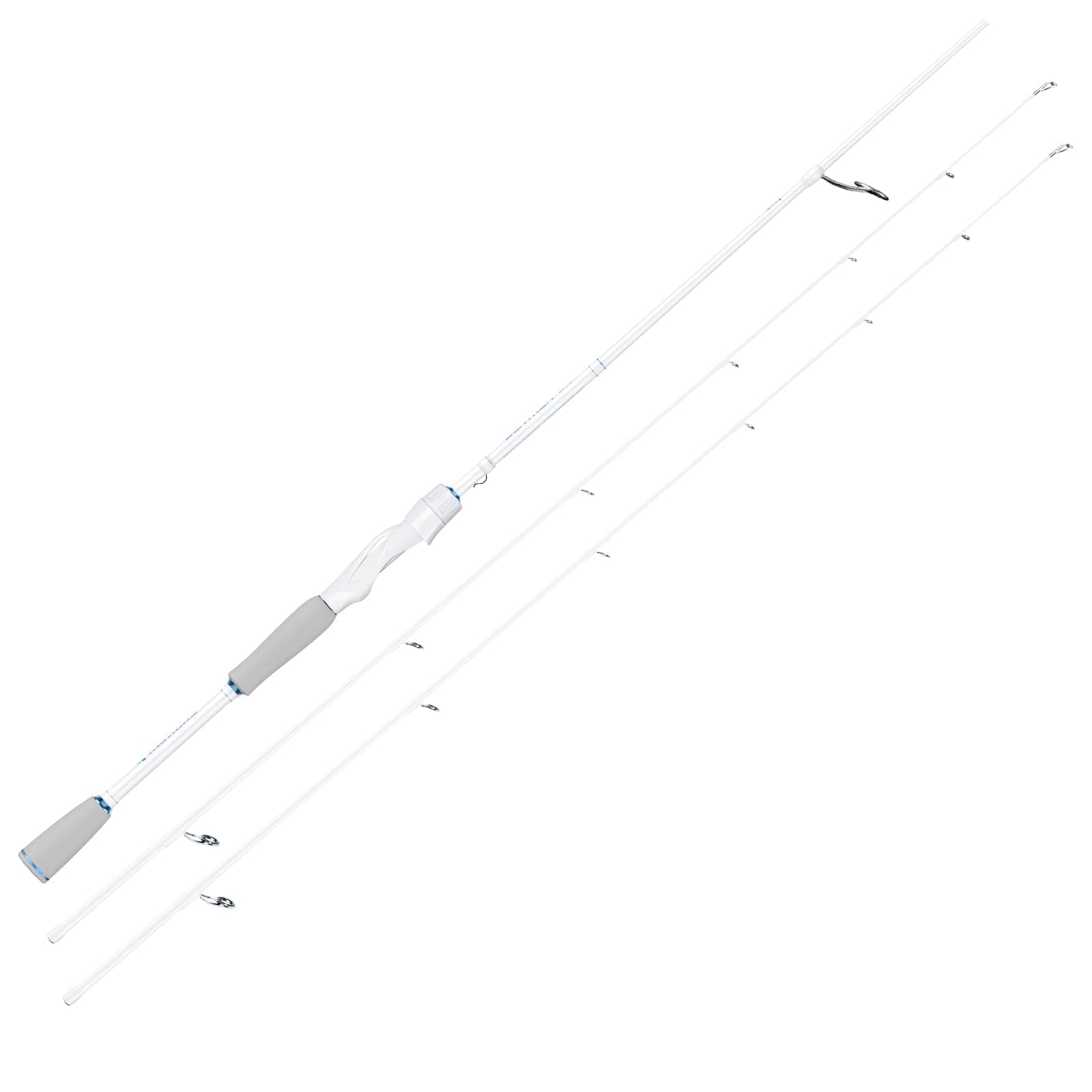
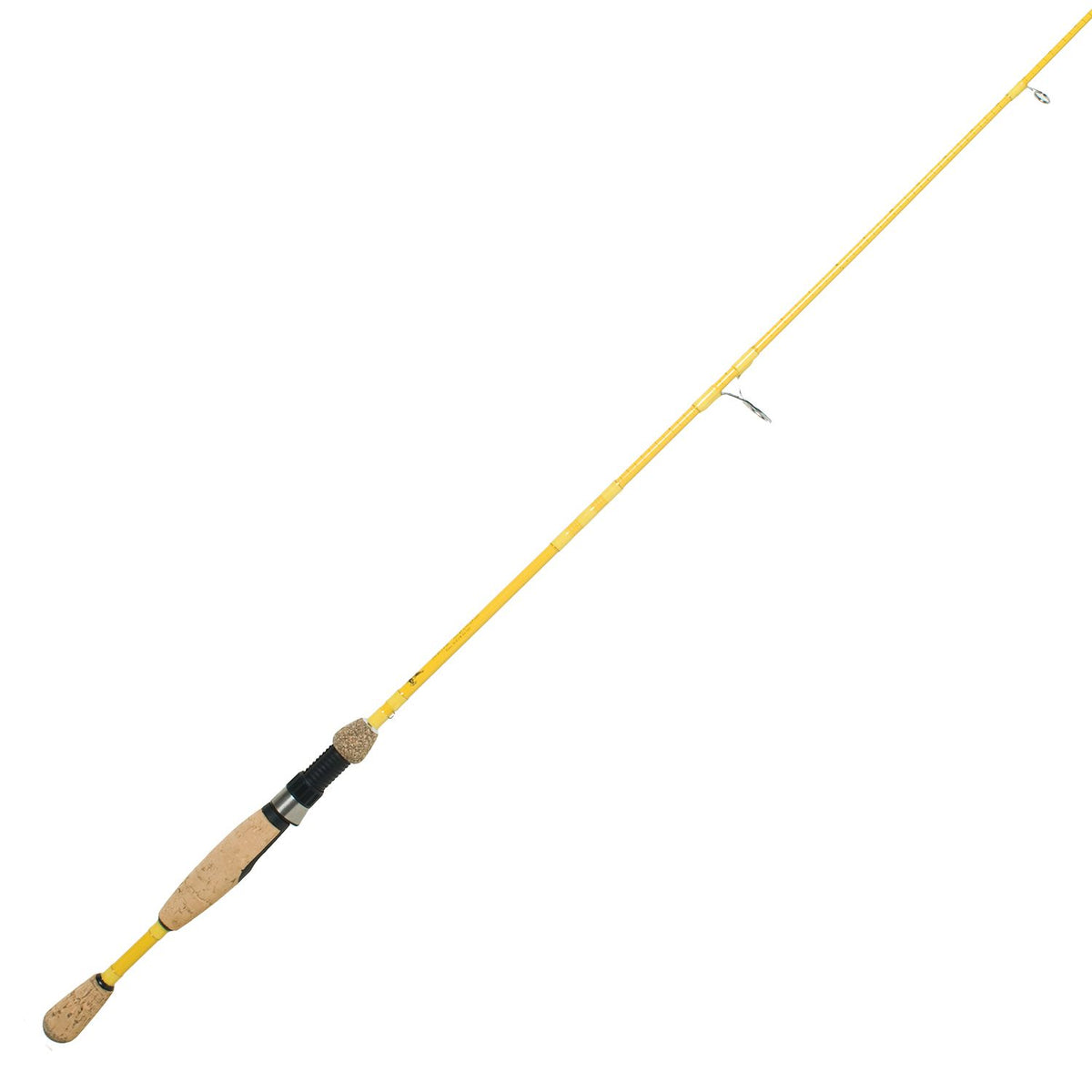
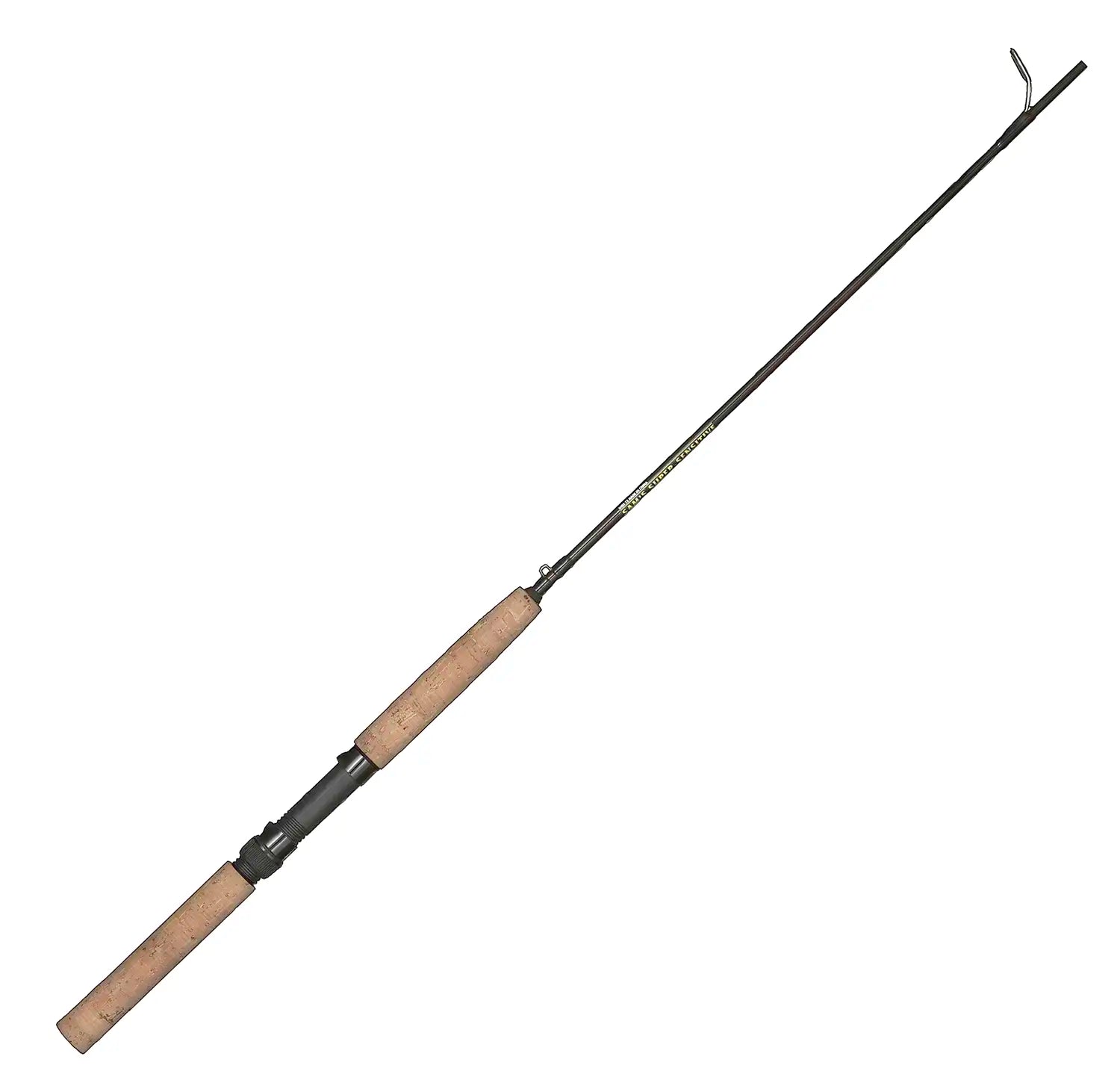
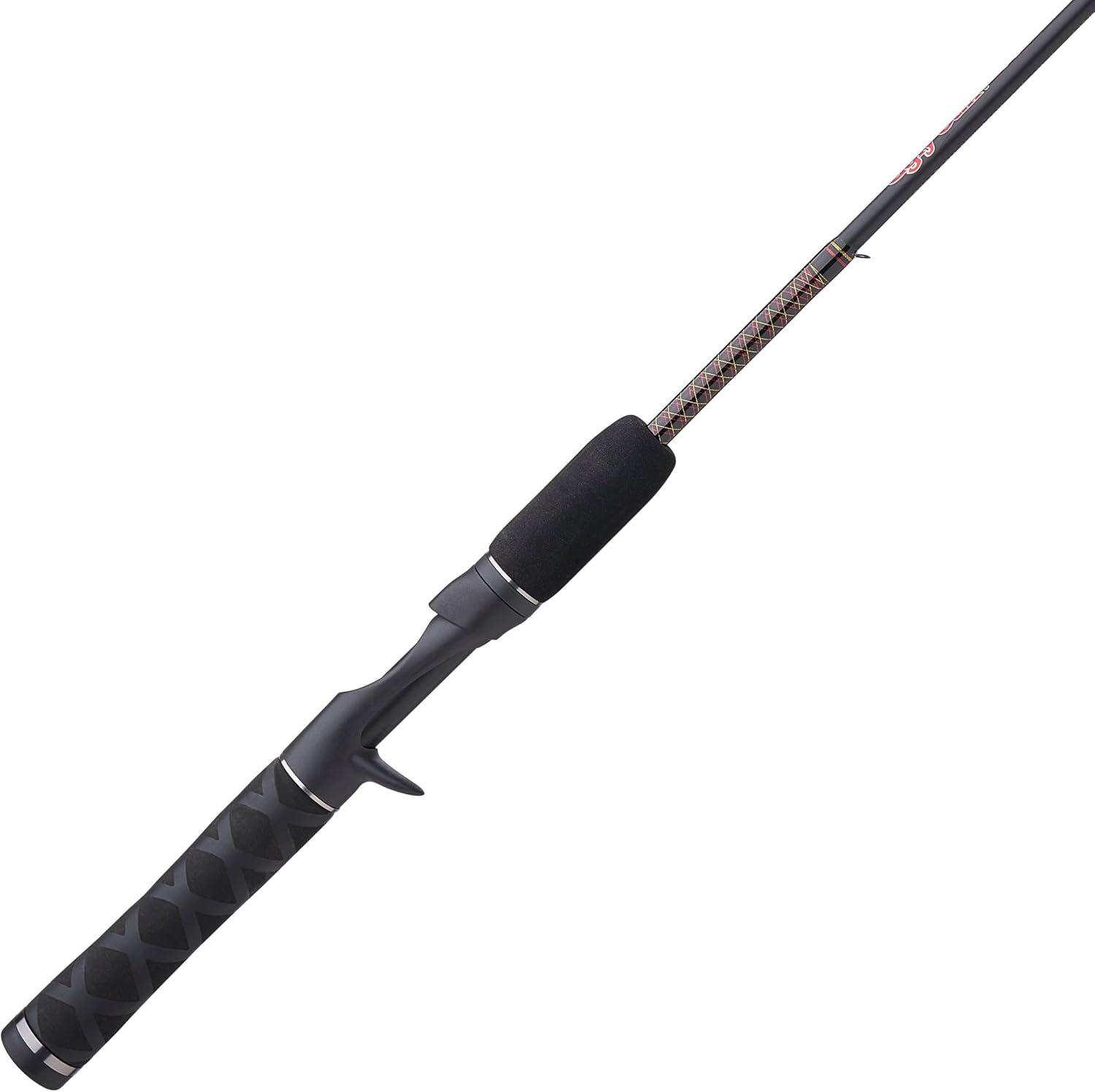
The best all-around fishing rod under $100 is a 6'6" to 7' medium-power spinning rod: it casts light lures and live bait, handles bass, trout, walleye, and panfish. A hundred dollars buys a genuinely good freshwater rod in 2026 either way. The graphite blanks, ceramic guides, and split-grip handles that used to live on $200 rods have trickled down to the budget shelf. A sub-$100 rod will catch fish. The thing to get right is which one matches the way you actually fish, and that starts with power, because power decides what the rod can handle. Ultralight protects light line for trout and panfish, medium covers most freshwater work, and medium-heavy gives you the backbone for bass jigs, catfish, and pulling fish out of cover.
Action is the next call, and it follows the lure more than the fish. A fast action bends near the tip. It telegraphs light bites and drives a single hook home, which is what you want for soft plastics, jigs, and worms. A moderate action bends deeper and keeps treble hooks pinned, so it's the one for crankbaits and other moving baits. Length rounds it out: a shorter rod is accurate around docks and brush, while a 7-foot blank casts farther and picks up line faster from the bank. None of this changes because the rod is cheap. The same rules that guide a $300 purchase guide a $50 one.
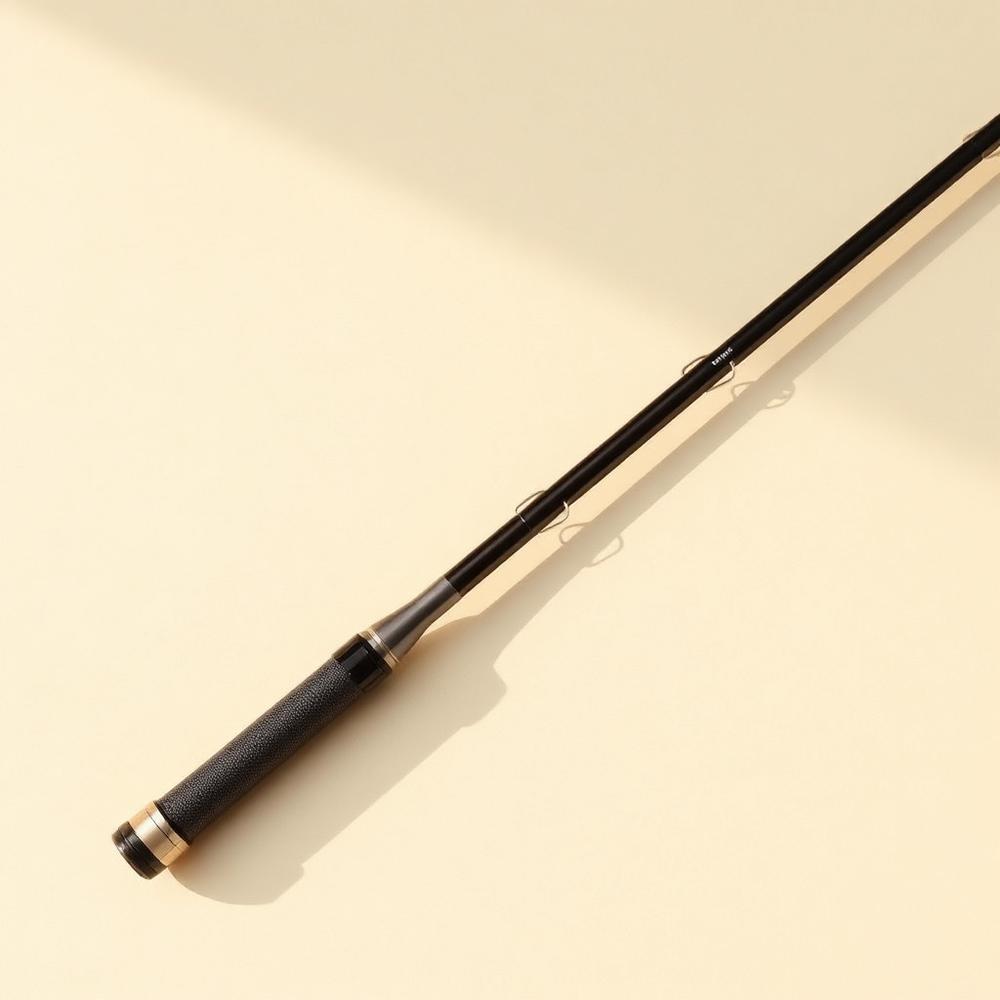
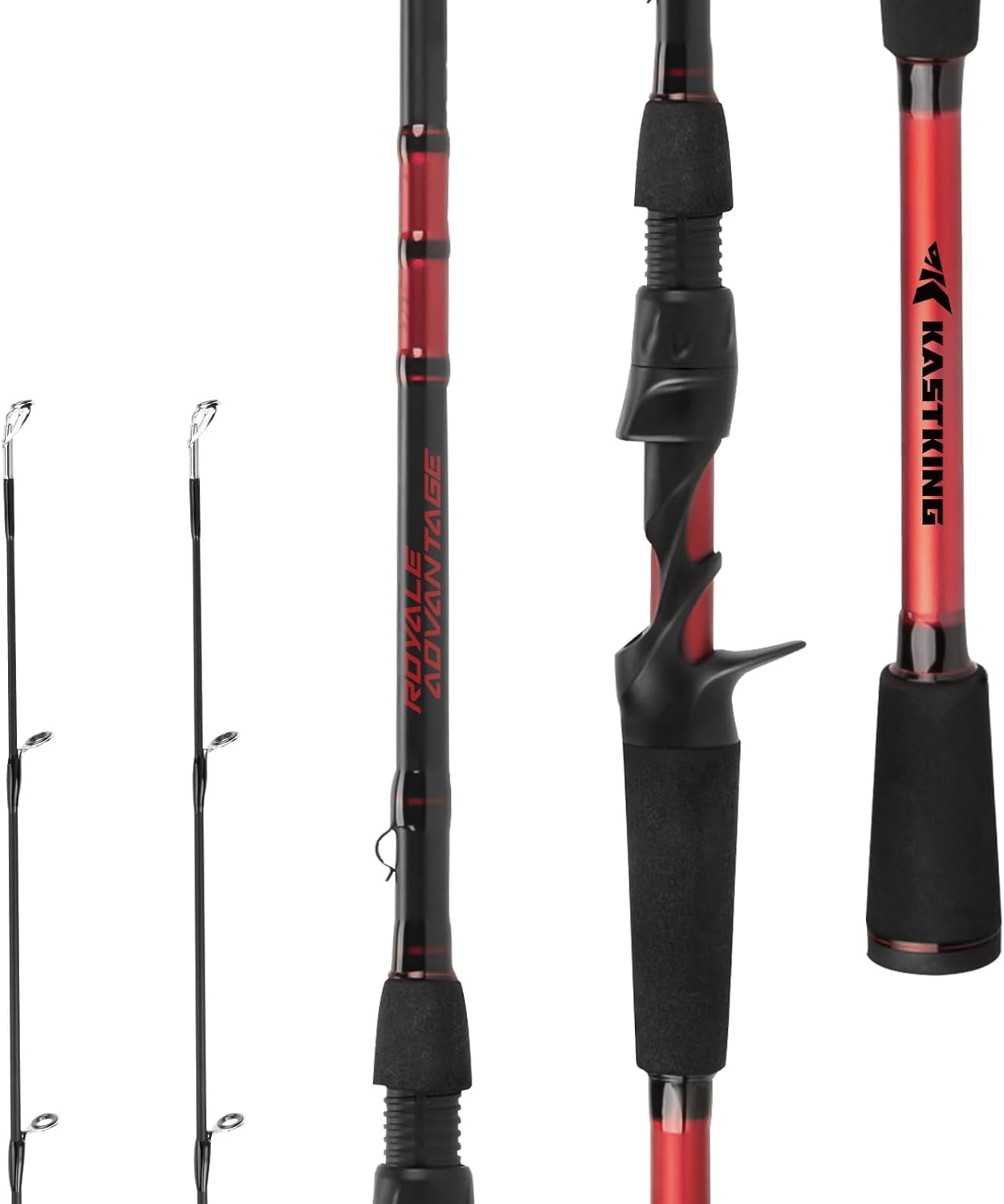
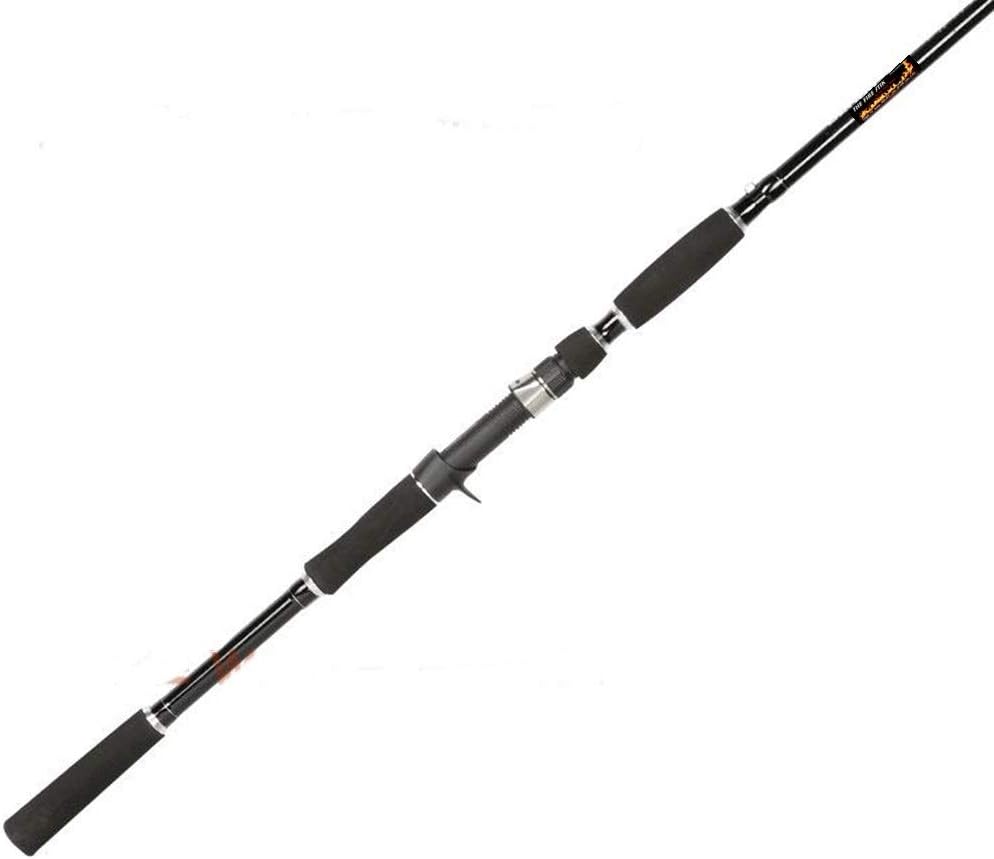
If you just want one do-everything rod under $100, get a 6'6" to 7' medium spinning rod, and a couple of the rods below fit that mold exactly. Already know you're throwing heavier bass lures? Step up to a medium-heavy casting rod. The lineup ranks spinning and casting rods only, no fly rods, and it runs from ultralight trout setups through all-around medium spinning rods and bass casting rods to a heavy catfish stick. Every one is ranked by real Amazon buyer ratings and priced under a hundred dollars.