
Best Overall (Spinning)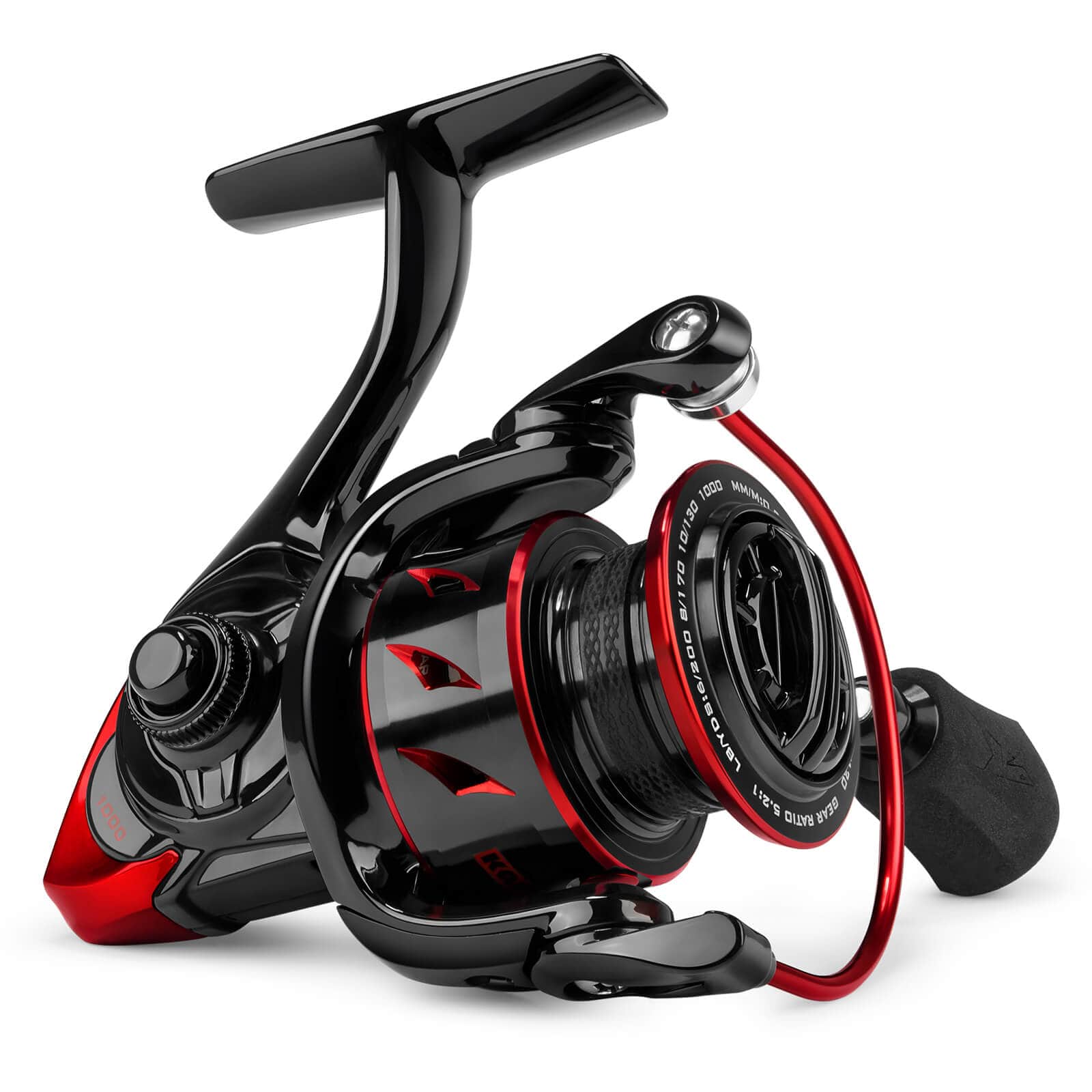
4.6
KastKing Sharky III Spinning Reel
ASIN B077JKZ7JWKastKing Sharky III Spinning Reel is the #1 pick here, on 4.6-star Amazon buyer ratings (5,280 of them) and one clear job: all-around beginner use.
Check Price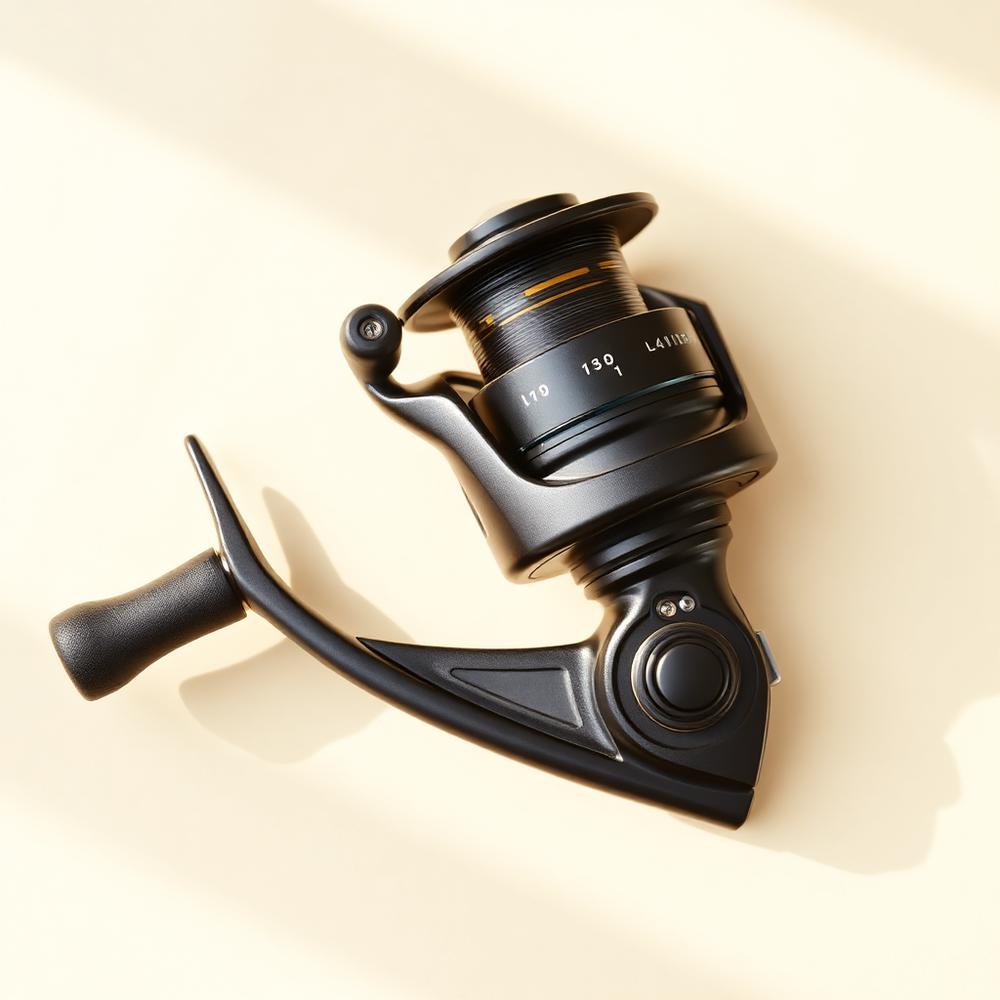
Spinning, spincast, and baitcaster reels compared, with the type a new angler should buy and six top-rated picks to start with.
Almost every freshwater reel falls into one of three families, and the differences come down to where the line sits and how it leaves the reel. A spincast reel hides the line under a nose cone and casts with a thumb button, so there is nothing to fumble. A spinning reel hangs under the rod with an open bail and a fixed spool, which casts light baits well and rarely tangles. A baitcaster sits on top of the rod with a spool that turns as the line pays out, trading a learning curve for accuracy and cranking power. Pick the family first; the specific model matters far less than getting the right type for how you fish.
For most new anglers the honest answer is a spinning reel. It handles light lures and live bait, casts far enough, holds up for years, and the skills carry straight over when you upgrade. A spincast reel is the simplest thing on the water and the right call for young kids or anyone who just wants to bait a hook and relax. The trade-off is a shorter lifespan and less casting range. A baitcaster is the one to grow into rather than start on: it backlashes until you learn to feather the spool, but once it clicks, nothing beats it for pitching heavier bass lures with precision.
Match the reel to who is fishing and what they are chasing. Kids and total first-timers do best on a push-button spincast combo. Adults learning the ropes should start with a 2500-3000 size spinning reel and a drag that actually works. Anglers who already know they want to throw jigs, spinnerbaits, and frogs for bass can jump to a beginner-friendly baitcaster with a forgiving magnetic brake. The picks below cover all three types, ranked by Amazon buyer ratings, so you can start with the right reel instead of relearning on the wrong one.
Reel spec sheets are full of numbers, but only a handful change how the reel fishes for a beginner. These are the ones worth checking before you buy. The first few are non-negotiable; the rest are nice upgrades.
Spincast, spinning, or baitcasting. This single choice decides how easy the reel is to cast and how it pairs with a rod, so settle it before anything else.
The drag lets a fish pull line out instead of breaking off. You want it to release smoothly and steadily, not in jerky bursts. That matters far more than the headline max-drag rating.
Sizes run roughly 1000 (tiny) to 6000 (big). A 2500-3000 spinning reel is the do-everything freshwater pick; size up only for catfish or heavy line.
Many beginner reels and combos arrive with line already on the spool, so you can fish the day it shows up. If not, you will need to add 6-10 lb mono yourself.
How much line you reel per handle turn. A mid-range 5.2:1 to 6.2:1 is a comfortable all-around speed; faster reels pick up slack quicker, slower ones crank with more power.
More shielded bearings generally mean a smoother feel. Beginners are well served by 4-7 bearings; do not pay a premium chasing the highest count.
A solid anti-reverse stops the handle spinning backward on a hookset, and a swappable handle lets lefties and righties share the reel. Small touches that make learning smoother.
A graphite or aluminum body that does not feel cheap, paired with a balanced weight, keeps your wrist fresh over a long day and survives a few knocks on the bank.
Spinning, spincast, and baitcasting reels each cast differently and suit different anglers. Match the type to who is fishing and what they are after. That matters more than the brand on the side plate.
Line sits under a nose cone and you cast with a thumb button. Nearly tangle-proof and the simplest reel to use, but it casts shorter and wears out faster than the others.
An open bail and a fixed spool that hangs under the rod. It casts light baits well, rarely backlashes, and lasts for years. It is the reel most new anglers should learn on.
A revolving spool mounted on top of the rod. It delivers accuracy and cranking power for heavier bass lures, but backlashes until you learn to control the spool with your thumb.
Short on time? Start with these top-rated beginner reels picks.
KastKing Sharky III Spinning Reel is the #1 pick here, on 4.6-star Amazon buyer ratings (5,280 of them) and one clear job: all-around beginner use.
Check Price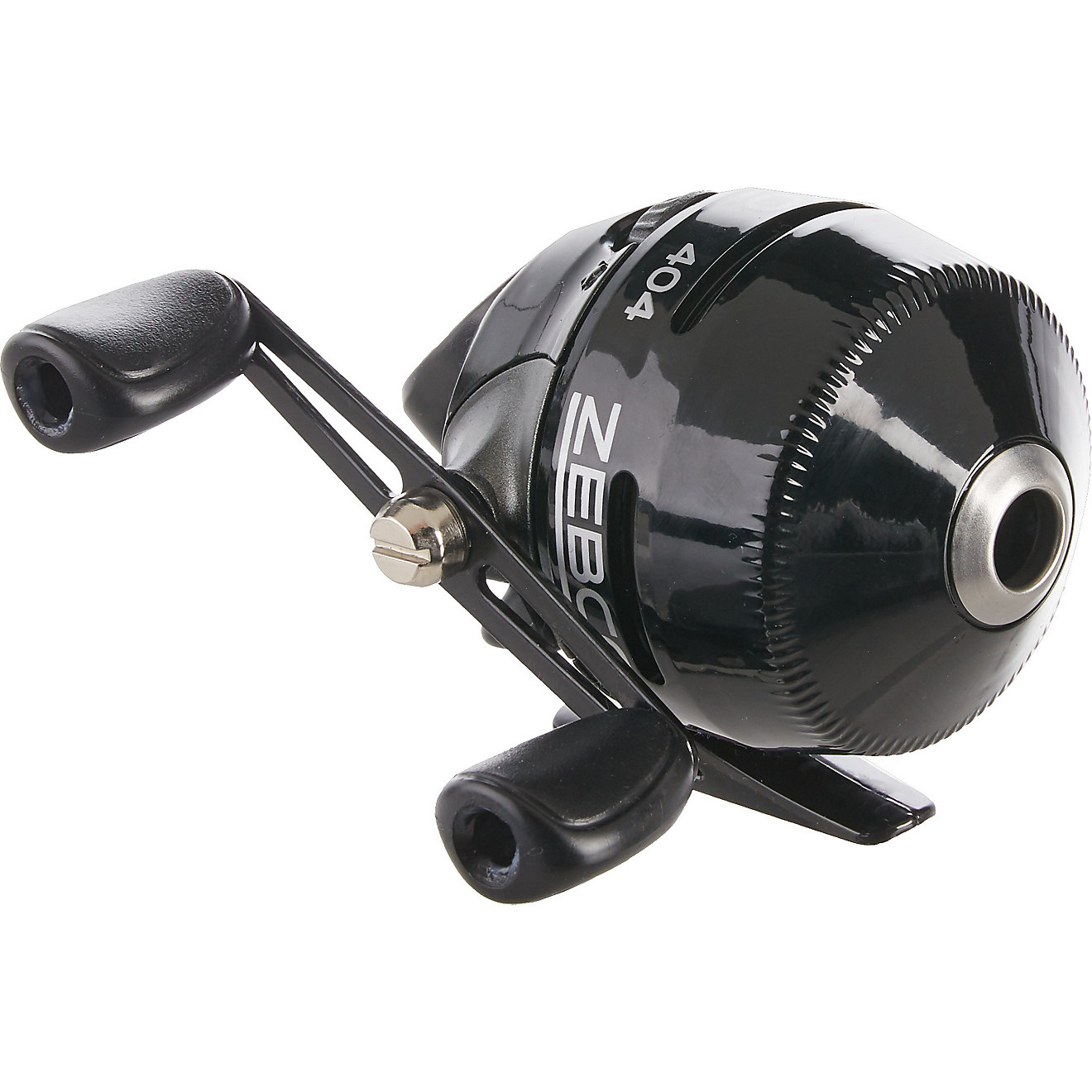
Zebco 404 Spincast Reel (Size 40) is the #2 pick here, on 4.4-star Amazon buyer ratings (2,231 of them) and one clear job: kids & simple casting.
Check Price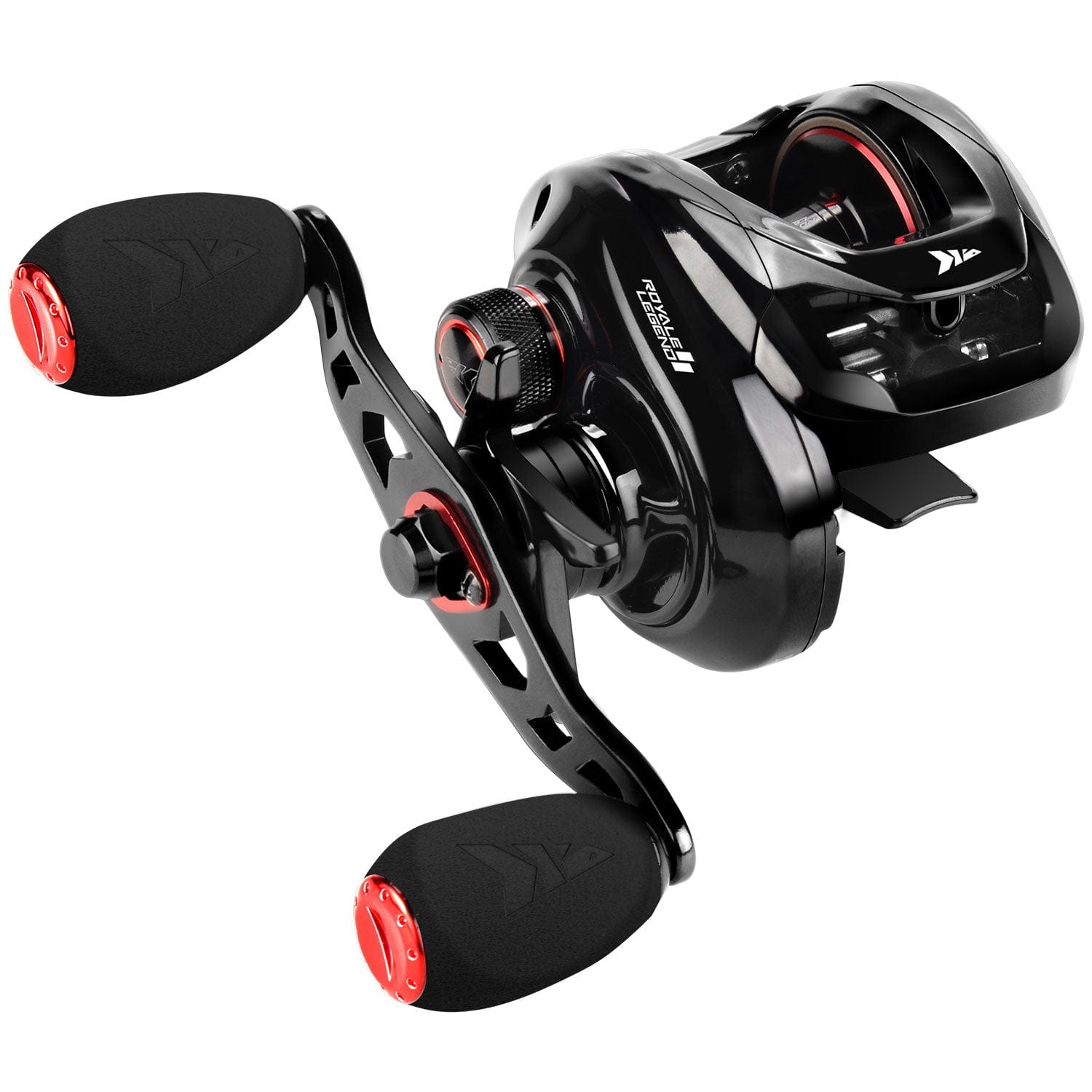
KastKing Royale Legend II Baitcasting Reel is the #3 pick here, on 4.5-star Amazon buyer ratings (5,468 of them) and one clear job: growing into bass power.
Check PriceDetailed picks with verdicts, strengths, tradeoffs, and the situations where each one makes the most sense.
Quick verdict: KastKing Sharky III Spinning Reel is the #1 pick here, on 4.6-star Amazon buyer ratings (5,280 of them) and one clear job: all-around beginner use.
Quick verdict: Zebco 404 Spincast Reel (Size 40) is the #2 pick here, on 4.4-star Amazon buyer ratings (2,231 of them) and one clear job: kids & simple casting.
Quick verdict: KastKing Royale Legend II Baitcasting Reel is the #3 pick here, on 4.5-star Amazon buyer ratings (5,468 of them) and one clear job: growing into bass power.
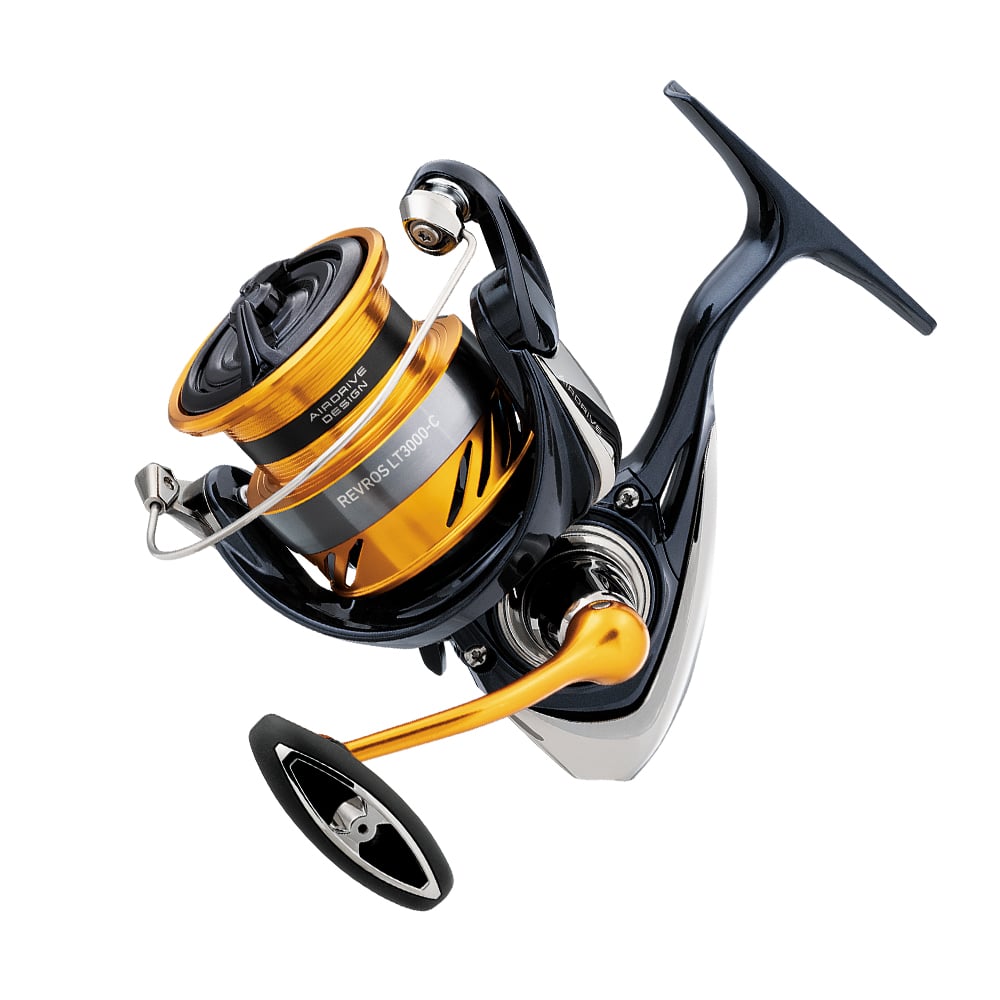
Quick verdict: Daiwa Revros LT 5000-C Spinning Reel is the #4 pick here, on 4.8-star Amazon buyer ratings (323 of them) and one clear job: all-around beginner use.
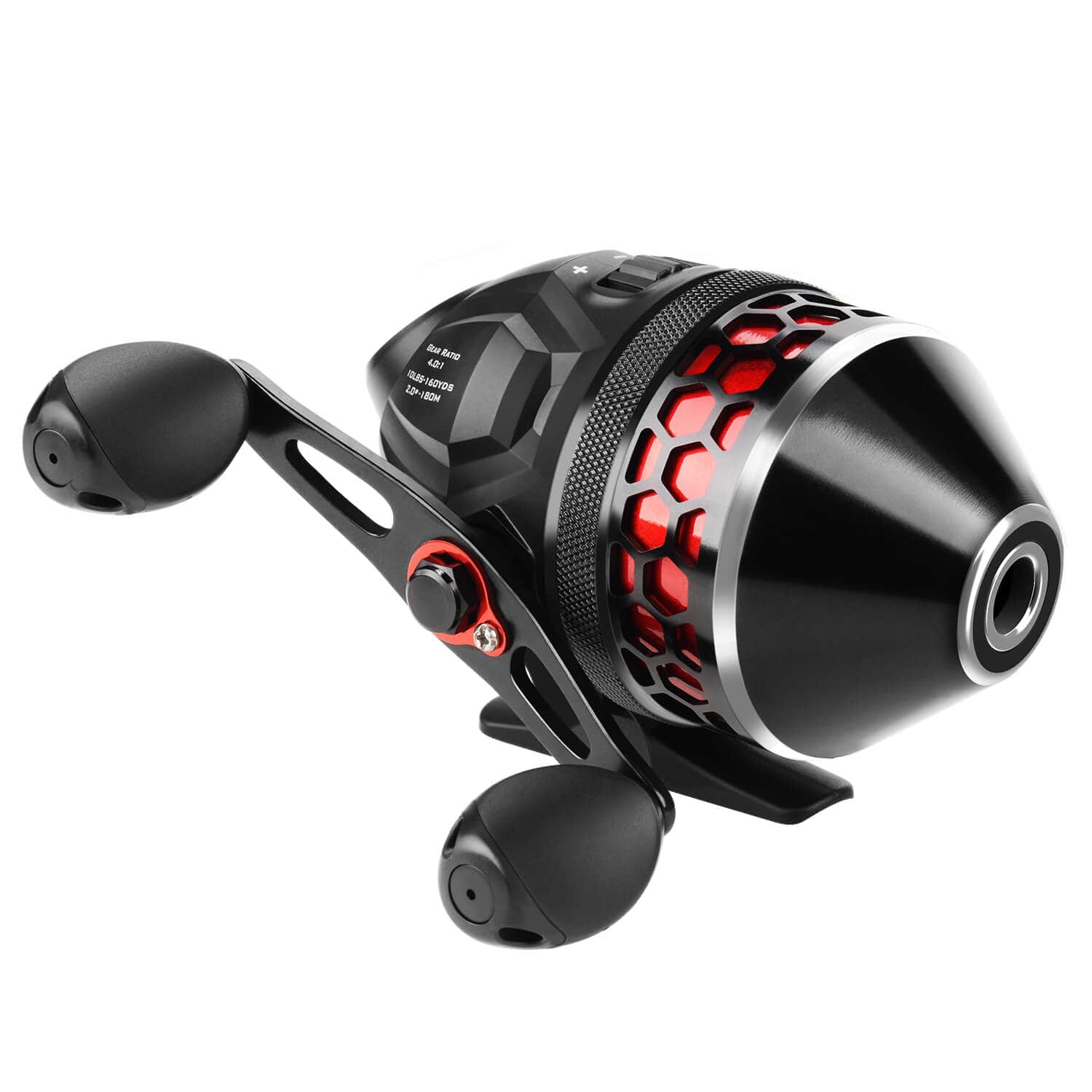
Quick verdict: KastKing Brutus Spincast Reel (Size 30) is the #5 pick here, on 4.4-star Amazon buyer ratings (3,814 of them) and one clear job: kids & simple casting.
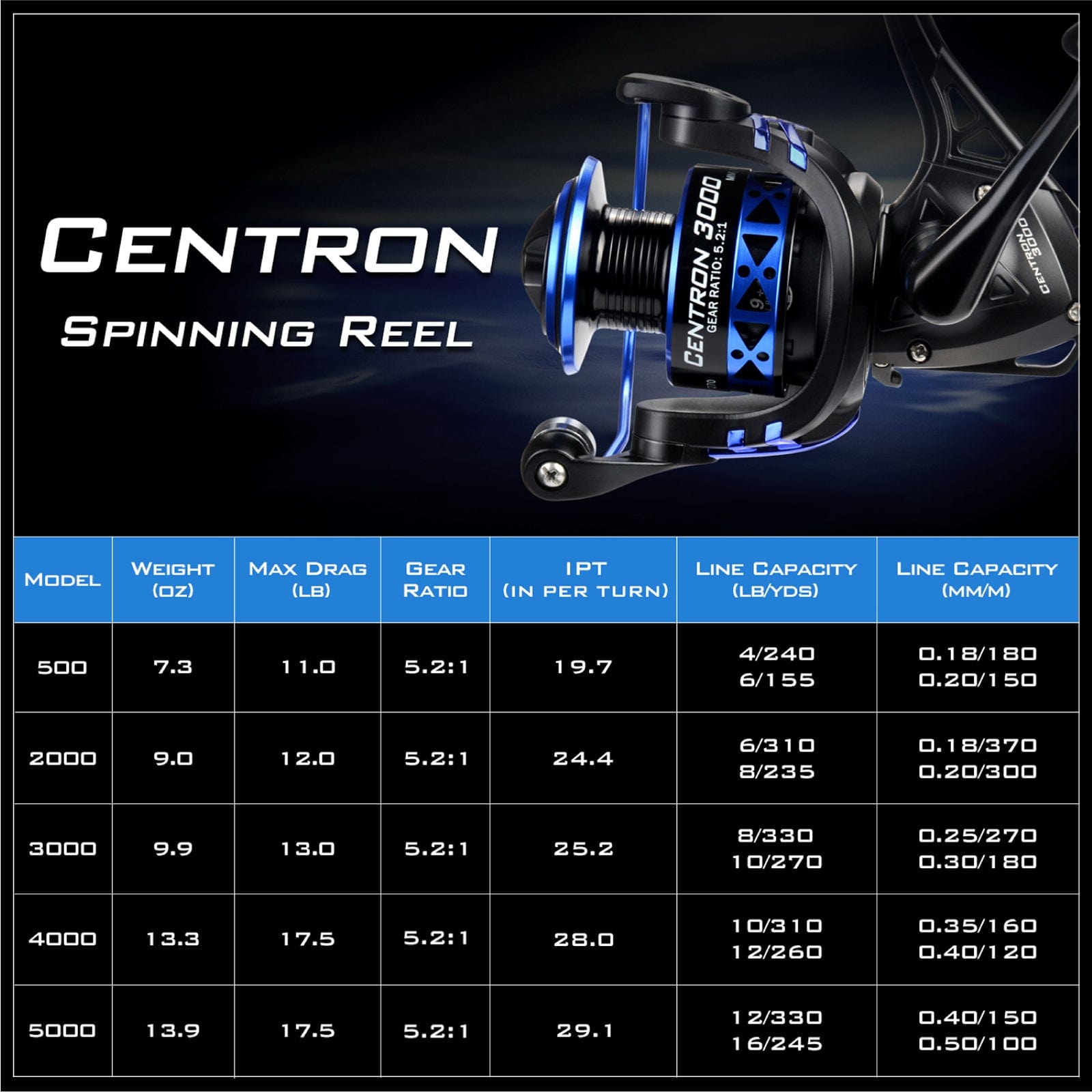
Quick verdict: KastKing Centron Spinning Reel is the #6 pick here, on 4.5-star Amazon buyer ratings (9,637 of them) and one clear job: all-around beginner use.
Spincast is the simplest and best for kids. Spinning is the versatile all-rounder most adults should learn on. Baitcasters reward practice with accuracy and power for heavier bass lures.
The drag is the slip system that lets a strong fish pull line instead of snapping it. A smooth, consistent drag protects light line and lands more fish than a high max-drag number ever will.
A 1000-2000 reel suits panfish and trout, a 2500-3000 covers most freshwater, and a 4000-plus handles catfish and heavy line. Buying the right size beats buying the biggest.
A faster ratio (around 6.0:1-7.0:1) picks up slack quickly for jigs and topwater. A slower ratio adds cranking torque for deep crankbaits and high-resistance baits.
For a first reel, spinning beats baitcasting. It casts light lures and live bait without backlashing, and the casting technique carries straight over once you add a baitcaster later. Choose a baitcaster first only if you already know you're throwing heavier bass lures and are willing to spend time learning to feather the spool.
Push a button, point, and cast. A spincast reel removes almost every way to mess up a cast, which makes it the easiest choice for kids and casual bank trips.
A 2500-3000 spinning reel casts light baits, fights real fish, and handles nearly every freshwater situation. It is the reel most beginners should actually buy.
Once you can feather the spool, a baitcaster pitches jigs and frogs with precision and winches fish out of cover. Start here only if you are ready to practice.
A new reel only helps once it is rigged and you know how to cast it. Here is the whole sequence, from spooling line to landing your first fish, even if you have never done it before.
Most beginner reels come pre-spooled. If yours did not, add 6-10 lb monofilament, filling the spool to about an eighth inch from the rim so it casts smoothly.
Pull line off by hand against the drag. It should give with firm, steady tension, around a third of your line's strength, instead of locking solid or slipping too easily.
On a spincast, press and release the button. On a spinning reel, flip the bail and pin the line with your finger, then let go mid-cast. On a baitcaster, thumb the spool to feather it.
Tie on a casting weight and make short casts on grass first. Ten minutes of practice saves a tangled, frustrating first hour at the water.
At the water, aim close to docks, weed edges, or fallen wood where fish hold. A short, controlled cast lands more bites than a long, wild one.
When you feel a bite or see your line jump, raise the rod tip firmly to set the hook, then reel smoothly and let the drag do its job as the fish pulls.
Once you know which kit type fits your situation, dig into each gear category for in-depth picks and buying advice:
Want to browse beyond the ranked picks? Filter and sort the full beginner reels listing below.
A spincast reel is the easiest. The line sits under a nose cone and you cast by pressing and releasing a thumb button, so there is no bail to flip and almost nothing to tangle. It is the best first reel for young kids and anyone who wants to keep things simple.
Reader-supported and free of paid placements. Every pick is ranked on published specs and Amazon buyer ratings, not on who pays us.
Each pick is compared on published specs, materials, design, and category fit across the major brands.
Rankings factor in how well each product matches common freshwater fishing needs, not just popularity.
Star ratings and review volume from Amazon buyers are factored in to reflect real-world satisfaction.
A pick earns its spot by delivering useful performance for the money, whether budget or premium.

See how spinning, spincast, and baitcasting reels stack up before you buy.
Browse All Reels