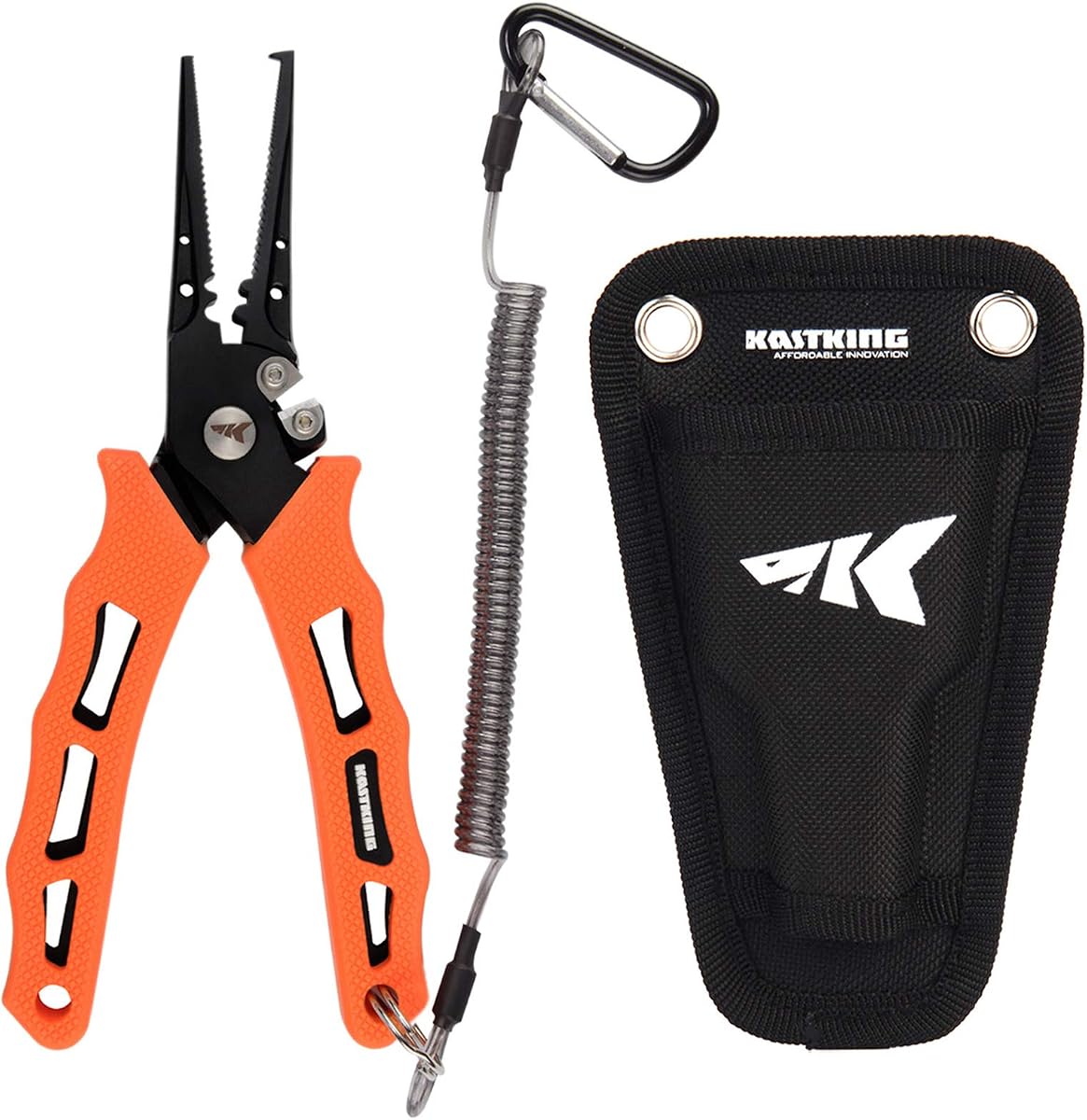
KastKing Cutthroat 7-inch Fishing Split Ring Pliers
KastKing Cutthroat 7-inch Fishing Split Ring Pliers ranks in the top 1 by combining 4.6-star Amazon buyer ratings (3,012 ratings) with a clear practical role: split-ring & lure work.
Check Price
The one tool you reach for every trip. These six freshwater pliers back hooks out clean, cut braid without fraying, and open split rings. They run from a budget aluminum pair to a titanium-bonded workhorse.
Fishing pliers are the tool you touch more than any other on the water, and the one most beginners skip until a hook is buried past the barb in a thrashing fish. A good pair backs that hook out in seconds, cuts your line clean when you re-tie, crimps a split shot, and opens the split rings that hold treble hooks onto your lures. A cheap pair rusts shut after two trips, mangles braided line instead of cutting it, and bends the first time you lean on a stubborn hook.
Three things separate pliers that last from pliers that disappoint: jaw material, the cutters, and how the whole tool resists corrosion. Aluminum bodies are light and rust-proof, which is why they dominate the mid-range and are easy to carry all day. Stainless steel is stronger and cheaper but needs a rinse after saltwater or it will spot. Titanium and titanium-bonded jaws are the premium end. They shrug off corrosion and stay strong enough to last decades. Whatever the body, the cutters should be replaceable tungsten carbide, because carbide is the only edge that slices through modern braid without leaving a frayed tail that won't thread through a hook eye.
For freshwater, a 6- to 7.5-inch pair with carbide cutters, a split-ring tip, and a sheath and lanyard covers everything most anglers do. Longer needle-nose reaches deep into a toothy fish's mouth; a shorter pair gives you more grip for crushing barbs. The picks below run from a budget aluminum pair to a premium titanium-bonded pistol grip, ranked with the best split-ring performance and highest buyer ratings up top.

Fishing pliers listings brag about a dozen features. Only a few change whether the tool lasts or lets you down. Here's what to check before you buy, from must-haves to nice extras.
Aluminum, titanium, or titanium-bonded jaws resist rust with almost no care. Plain steel works but must be rinsed and dried, or it seizes up after a few damp trips.
The single most important feature. Carbide slices braid clean; soft cutters crush and fray it. Replaceable inserts mean you refresh the edge instead of replacing the pliers.
Long, tapered jaws reach past the barb to back a hook out safely, keeping your fingers away from thrashing fish and treble points.
A belt sheath and coiled lanyard keep pliers where you can grab them one-handed, and stop a good pair from sinking to the bottom on your first drop.
A small hook on the jaw tip opens the split rings on lures so you can swap treble hooks. Essential if you tinker with lures, skippable if you only fish bait.
A spring pops the jaws open after each squeeze so you work one-handed. Convenient, but not worth choosing worse cutters or a rust-prone body to get it.
Notches near the pivot let you crimp split shot or leader sleeves. A handy bonus for anglers who build their own rigs; ignorable for everyone else.
A rubber or TPR grip is easier to hold with wet, cold hands. Nice on a long day, but comfort comes after the cutters and corrosion resistance.
"Fishing pliers" covers a few distinct tools. Match the type to how you fish and what you already own. The material and cutters matter more than the brand stamped on the handle.
Light, rust-proof, and comfortable all day, with carbide cutters and usually a split-ring tip. The default choice for a first serious pair.
Stronger and cheaper than aluminum, and fine for freshwater if you rinse and dry them. The best value if you don't mind a little upkeep.
Premium jaws that shrug off corrosion and last decades. Overkill for a pond, but the right call if you fish salt or want one pair forever.
Designed around a strong split-ring tip for swapping treble hooks fast. A second pair for anglers who rig and repair their own lures.
Short on time? Start with these top-rated fishing pliers picks.

KastKing Cutthroat 7-inch Fishing Split Ring Pliers ranks in the top 1 by combining 4.6-star Amazon buyer ratings (3,012 ratings) with a clear practical role: split-ring & lure work.
Check Price
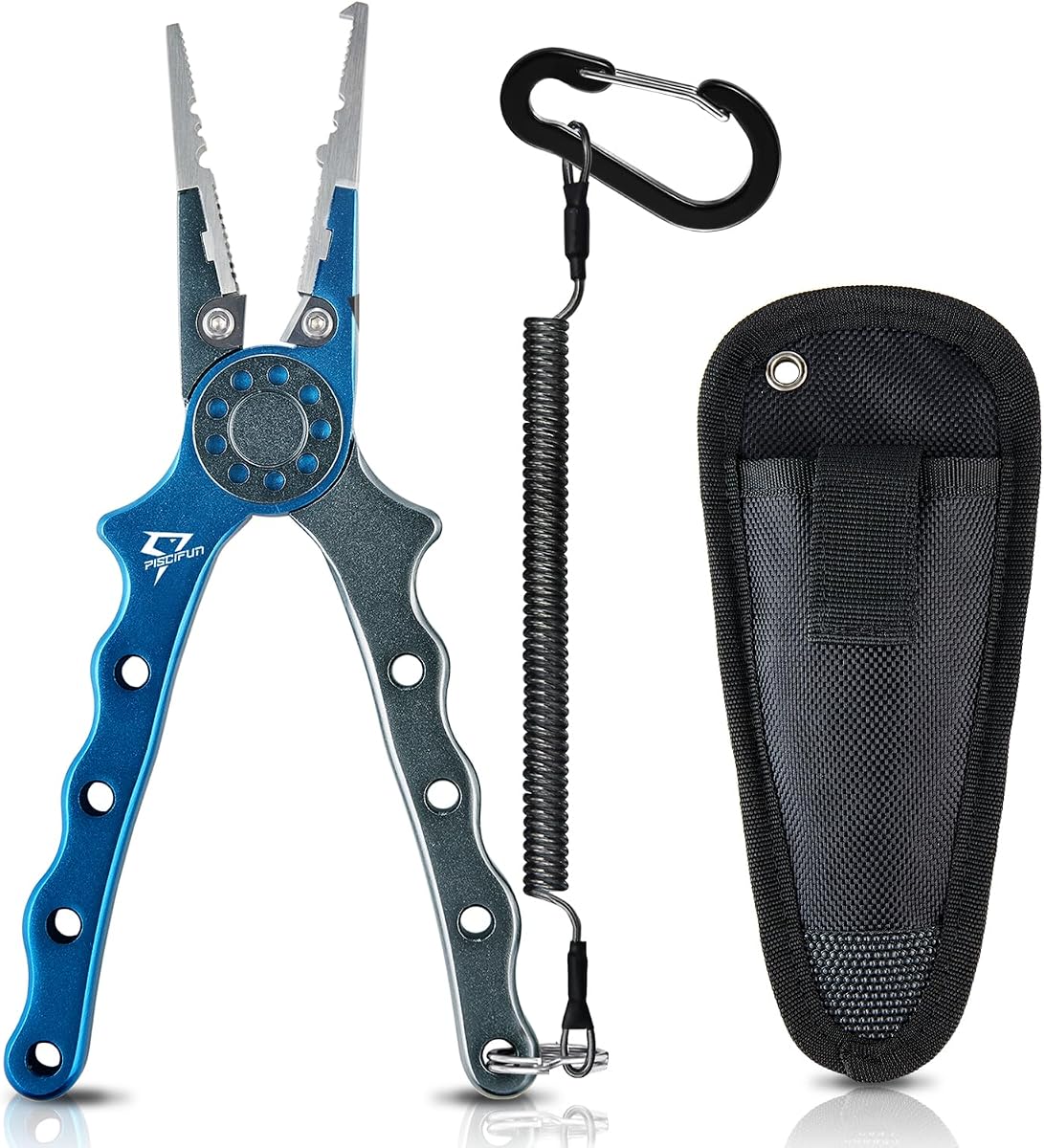
Piscifun Aluminum Fishing Pliers with Split Ring ranks in the top 2 by combining 4.6-star Amazon buyer ratings (7,604 ratings) with a clear practical role: most-reviewed all-rounder.
Check Price
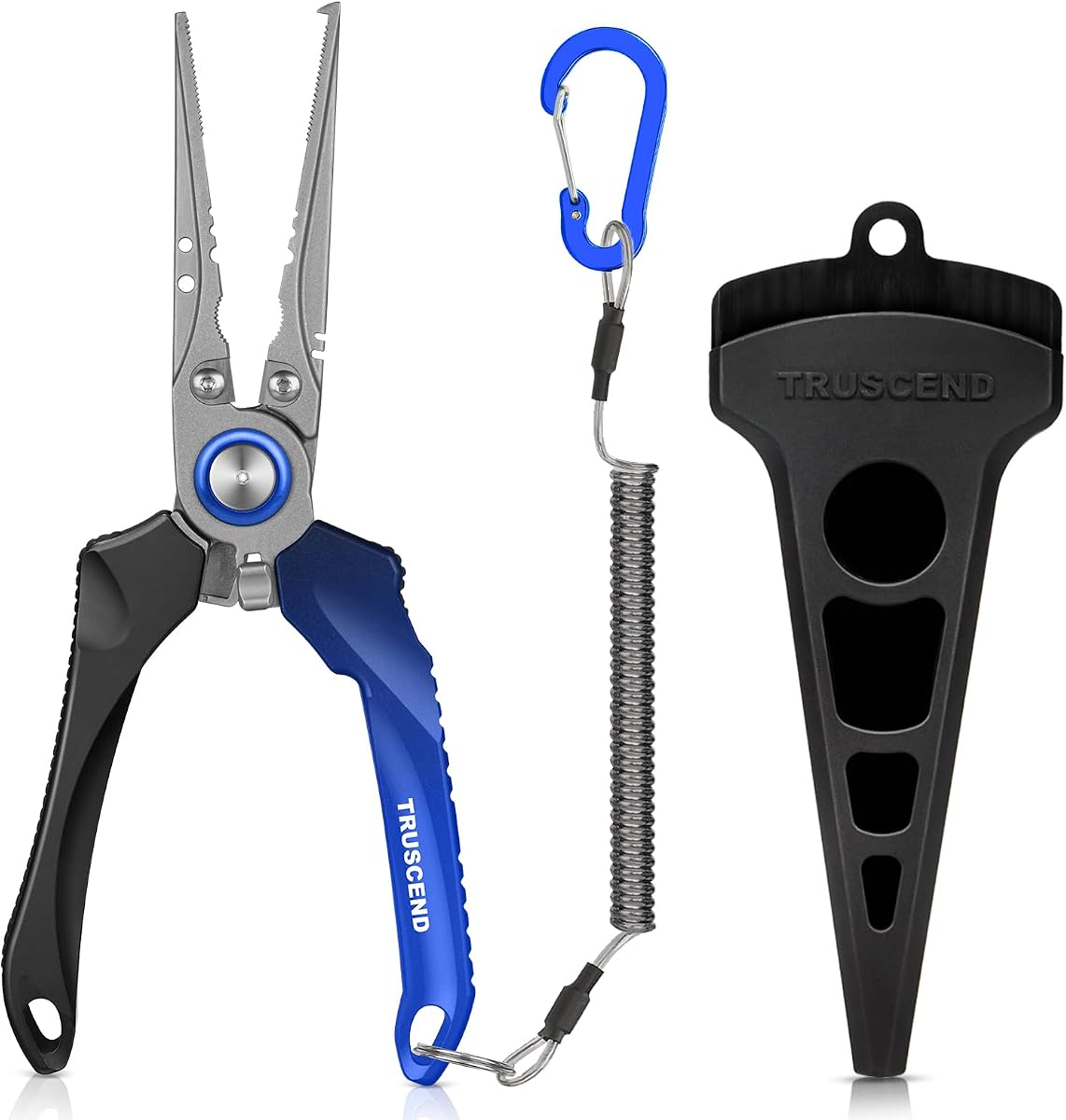
TRUSCEND Lockable Fishing Pliers with Tungsten Carbide Cutter ranks in the top 3 by combining 4.6-star Amazon buyer ratings (2,249 ratings) with a clear practical role: locking grip on big hooks.
Check PriceDetailed picks with verdicts, strengths, tradeoffs, and the situations where each one makes the most sense.

Quick verdict: KastKing Cutthroat 7-inch Fishing Split Ring Pliers ranks in the top 1 by combining 4.6-star Amazon buyer ratings (3,012 ratings) with a clear practical role: split-ring & lure work.

Quick verdict: Piscifun Aluminum Fishing Pliers with Split Ring ranks in the top 2 by combining 4.6-star Amazon buyer ratings (7,604 ratings) with a clear practical role: most-reviewed all-rounder.

Quick verdict: TRUSCEND Lockable Fishing Pliers with Tungsten Carbide Cutter ranks in the top 3 by combining 4.6-star Amazon buyer ratings (2,249 ratings) with a clear practical role: locking grip on big hooks.

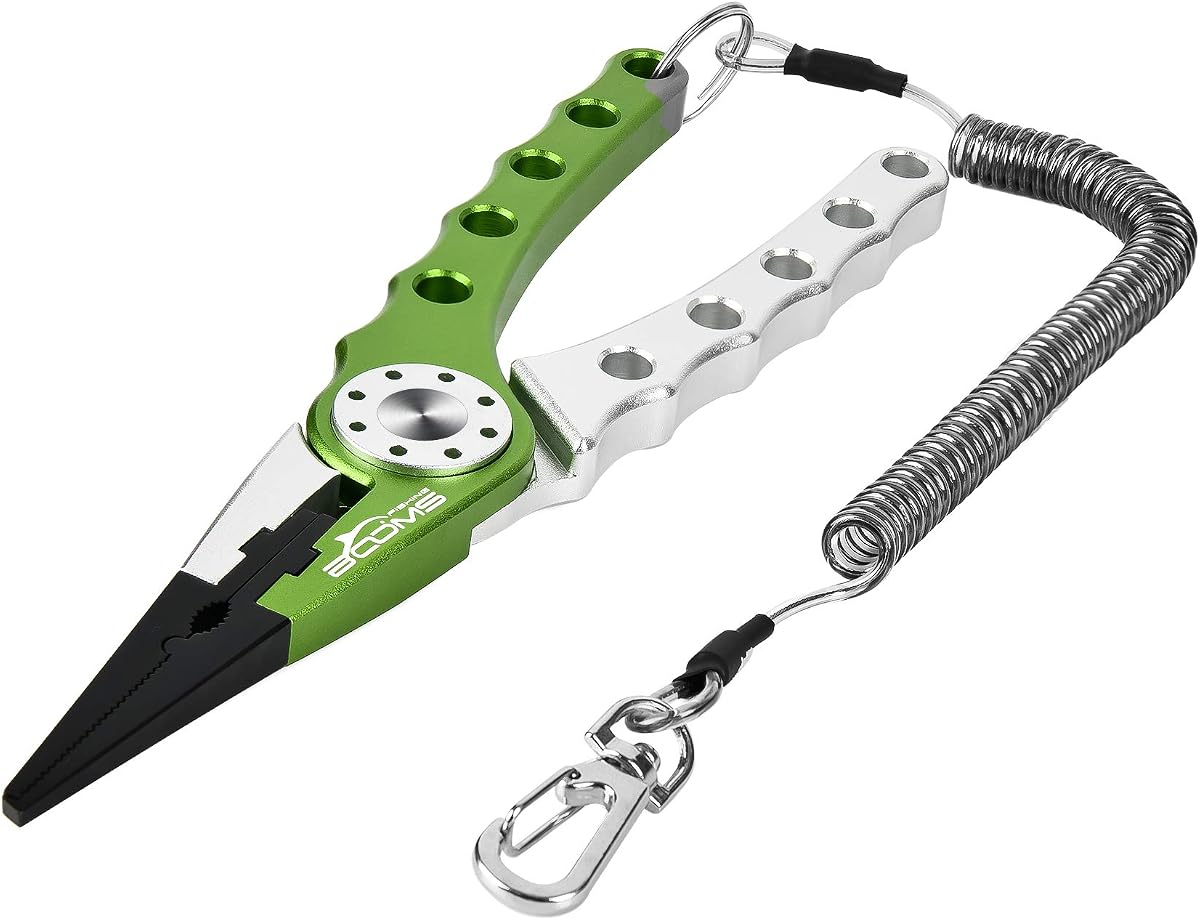
Quick verdict: Booms Fishing X1 Aluminum Fishing Pliers ranks in the top 4 by combining 4.6-star Amazon buyer ratings (1,005 ratings) with a clear practical role: lightweight all-day carry.

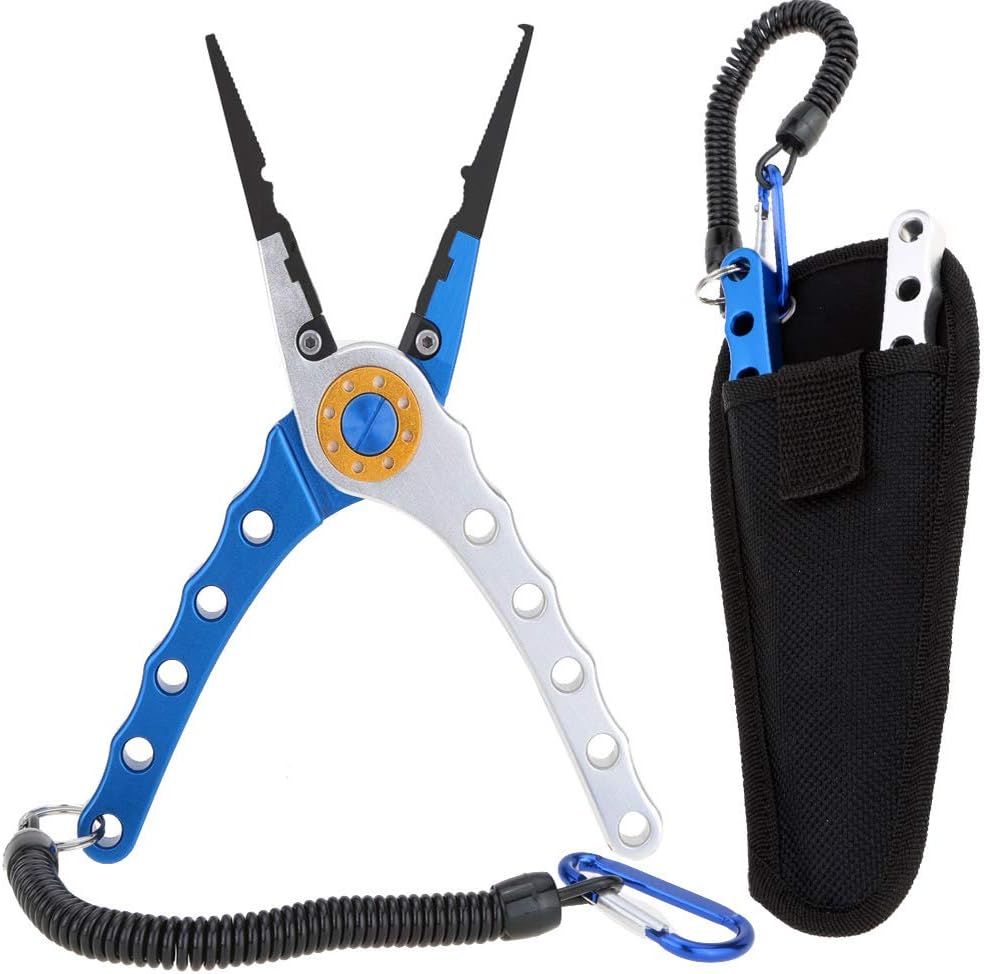
Quick verdict: Lixada Aviation Aluminum Fishing Pliers ranks in the top 5 by combining 4.7-star Amazon buyer ratings (537 ratings) with a clear practical role: budget aluminum value.

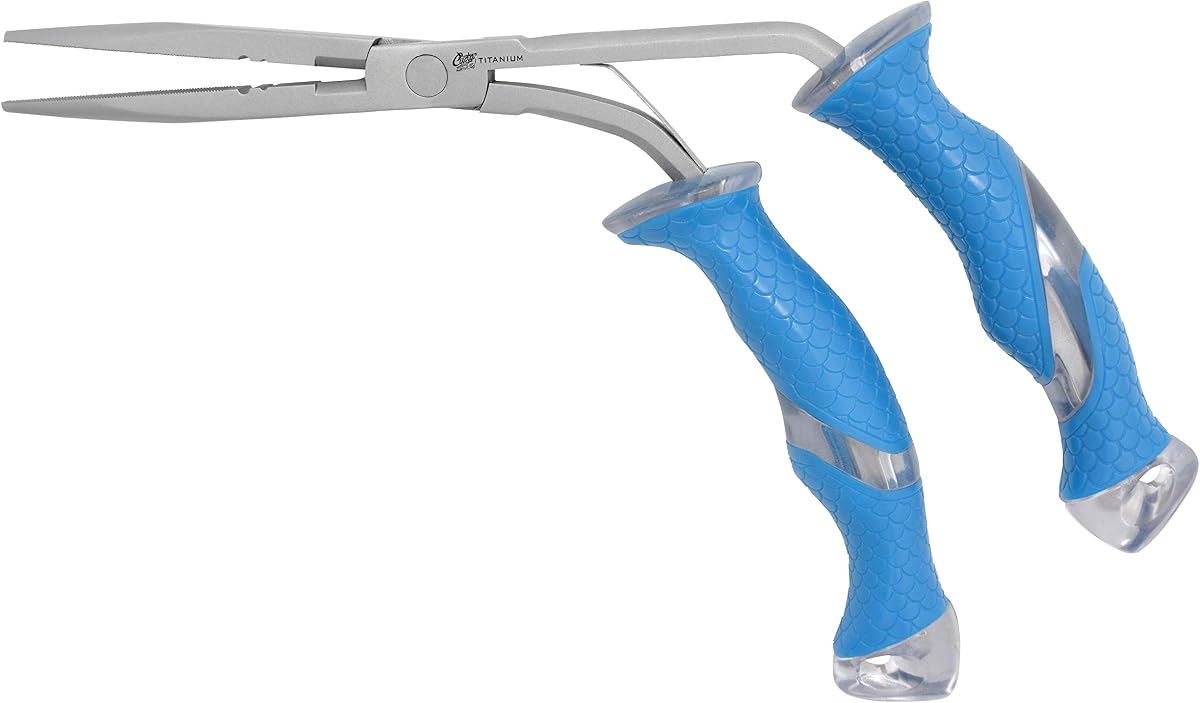
Quick verdict: CUDA 9-inch Titanium Bonded Pistol-Grip Pliers ranks in the top 6 by combining 4.7-star Amazon buyer ratings (168 ratings) with a clear practical role: salt & buy-it-for-life.
Aluminum is light and rust-proof, the easy all-day choice. Stainless steel is stronger and cheaper but needs a rinse after use. Titanium or titanium-bonded jaws cost more and shrug off corrosion for years.
Replaceable tungsten carbide cutters are the one feature worth insisting on. They slice braid, fluoro, and mono clean, where soft steel cutters fray braid into a tail you can't thread through a hook eye.
If you swap treble hooks on lures, the split-ring nose (the little hook on the jaw tip) pries rings open without wrecking your fingernails. It turns a plain plier into something you'll use on every lure.
A sheath and coiled lanyard keep pliers on your belt instead of at the bottom of the lake. Six to seven inches is the freshwater sweet spot: long enough to reach a hook, short enough to grip hard.
A 7-inch anodized-aluminum pair with carbide cutters and a split-ring tip handles hook removal, line cutting, and lure work without weighing down your belt.
Insist on replaceable carbide cutters. They're the only edge that cuts braided line without fraying, and you can swap them when they finally dull instead of buying new pliers.
If you'll ever take them to the coast, titanium or titanium-bonded jaws resist corrosion far better than plain stainless and outlast cheaper pairs by years.
Pliers only help if you know the handful of jobs they do. Here's the whole sequence, from unhooking a fish to keeping the tool alive for years.
Wet your hand, get a firm but gentle grip, and keep the fish still. A calm fish makes hook removal fast and safe for both of you.
Clamp the plier jaws on the bend or shank of the hook, not the fish. Back the hook out the way it went in, with a small twist if it's barbed.
For catch-and-release or a deep hookset, pinch the barb flat with the plier jaws. Barbless hooks slide out with far less damage to the fish.
Use the carbide cutters to trim tag ends and cut through braid when you re-tie. One clean squeeze beats sawing with dull scissors.
Slide the tip into a split ring, twist to open it, and slip the new treble or single hook on. Handy for replacing rusted or bent lure hooks.
After the trip, rinse the pliers, dry them, add a drop of oil to the pivot, and clip them back in their sheath. Two minutes of care buys years of use.
Once you know which kit type fits your situation, dig into each gear category for in-depth picks and buying advice:
Want to browse beyond the ranked picks? Filter and sort the full fishing pliers listing below.


Look for corrosion-resistant jaws (aluminum, stainless, or titanium-bonded), replaceable tungsten carbide line cutters, a split-ring tip if you change lure hooks, and a sheath with a lanyard so you don't lose them. A 6- to 7.5-inch length covers most freshwater fishing.
Reader-supported and free of paid placements. Every pick is ranked on published specs and Amazon buyer ratings, not on who pays us.
Each pick is compared on published specs, materials, design, and category fit across the major brands.
Rankings factor in how well each product matches common freshwater fishing needs, not just popularity.
Star ratings and review volume from verified Amazon buyers are factored in to reflect real-world satisfaction.
A pick earns its spot by delivering useful performance for the money, whether budget or premium.

Our gear guides cover the small tools that make a day easier: pliers, line cutters, and the tackle storage to keep them handy.
View Gear Guides