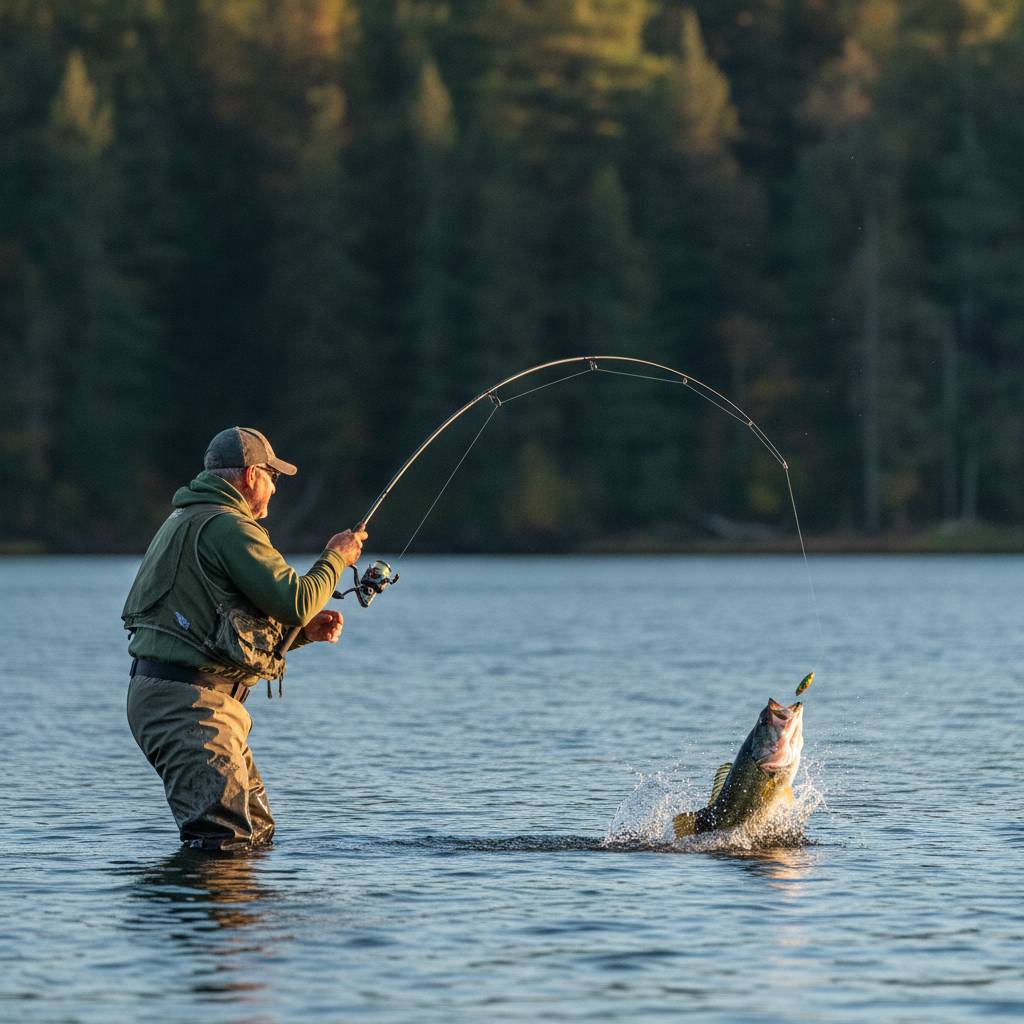
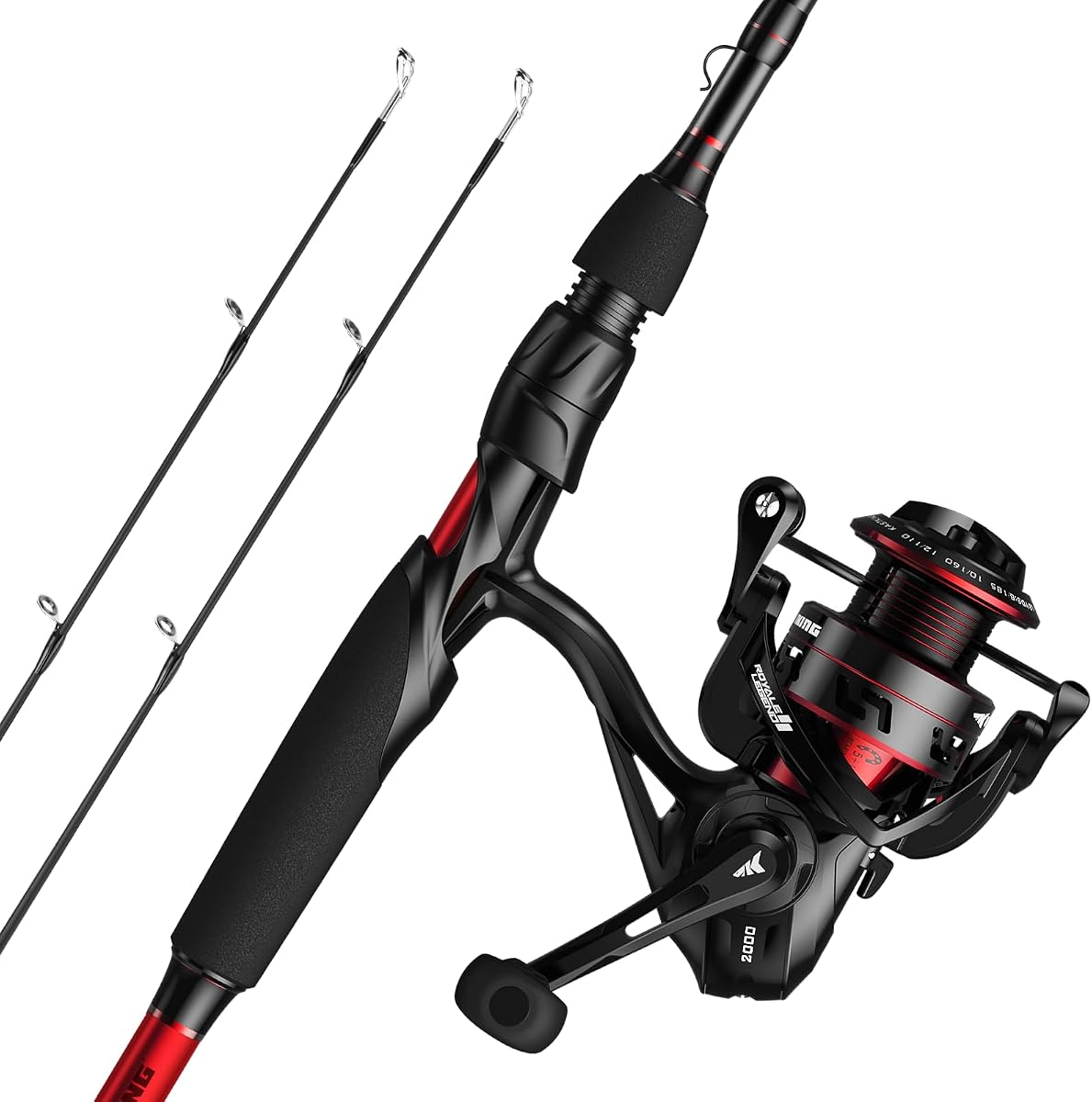
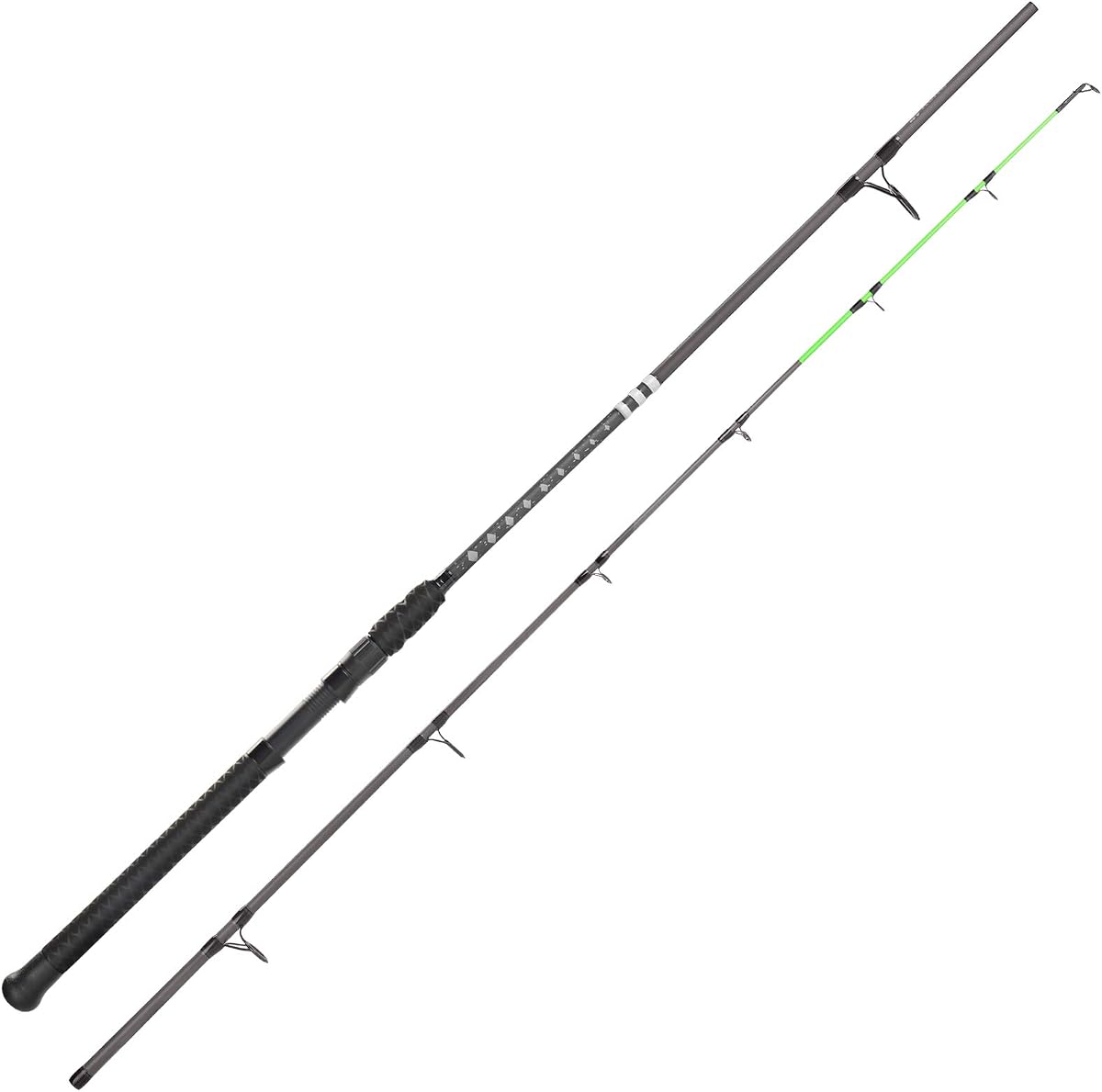
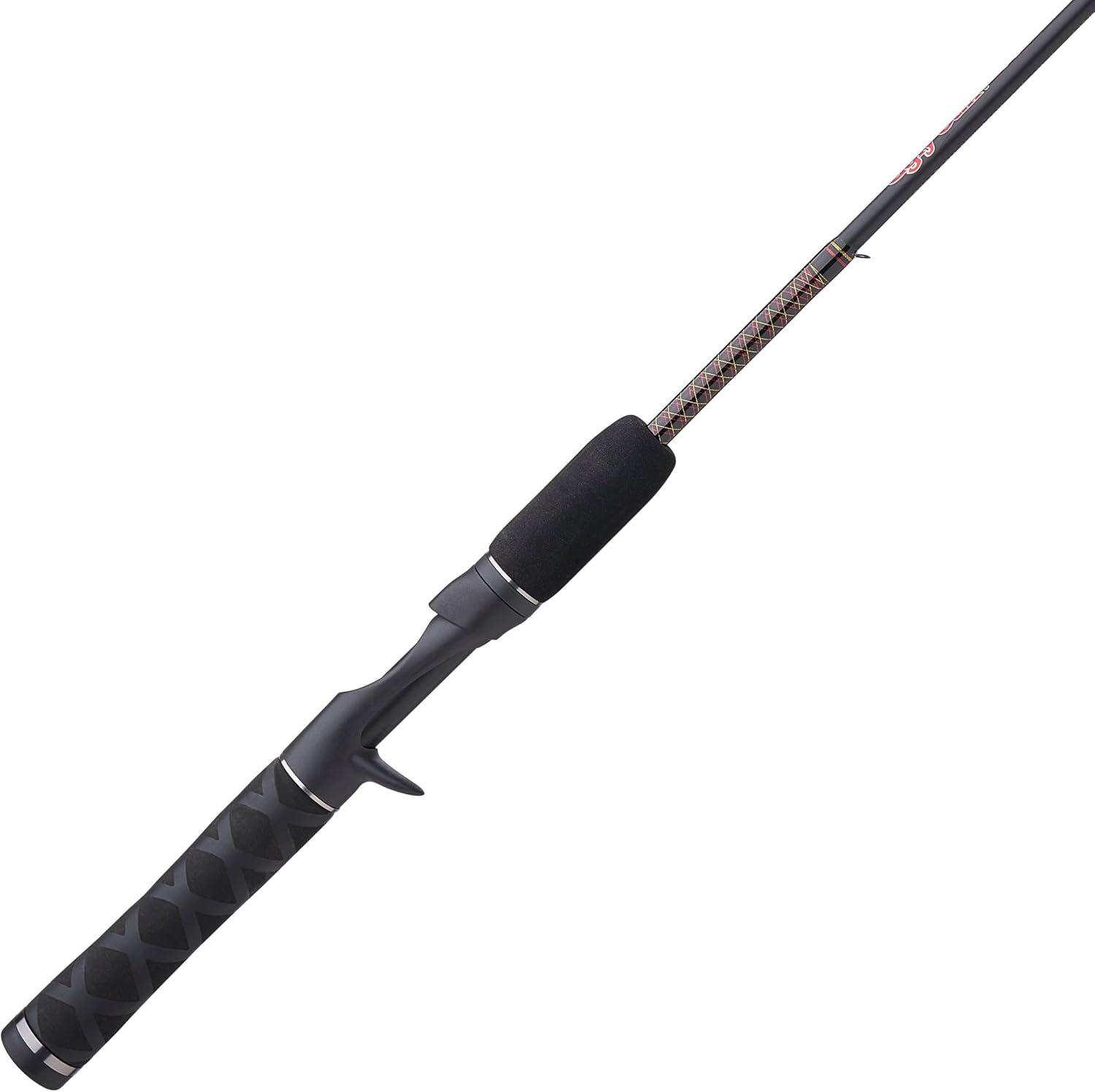
You started with a beginner combo, you've caught some fish on it, and now it folds into the cork every time something heavier than a panfish grabs your bait. That's when most anglers start looking for a second rod. What you need is more backbone, not a prettier rod, so you can drive a hook into a thick-mouthed bass, horse a catfish out of a snag, or throw the bigger lures bigger fish actually want. With a bit more power you stay in control of the fight instead of just hanging on.
Power is the spec that matters most for this jump. Your beginner rod was probably a medium or even a light, which is great for finesse and small fish but folds under a real hookset. A medium-heavy rod is the sweet spot for a second rod: enough muscle for jigs, Texas rigs, spinnerbaits, and chunky swimbaits, without being so stiff you can't cast a normal lure. If you specifically chase catfish, pike, or musky, a heavy power rod with a higher line rating gives you the lifting strength those fish demand. Match the rod type to your reel too: casting rods pair with baitcasters for heavier lures and accuracy, while medium-heavy spinning rods stay easy to cast and forgiving.
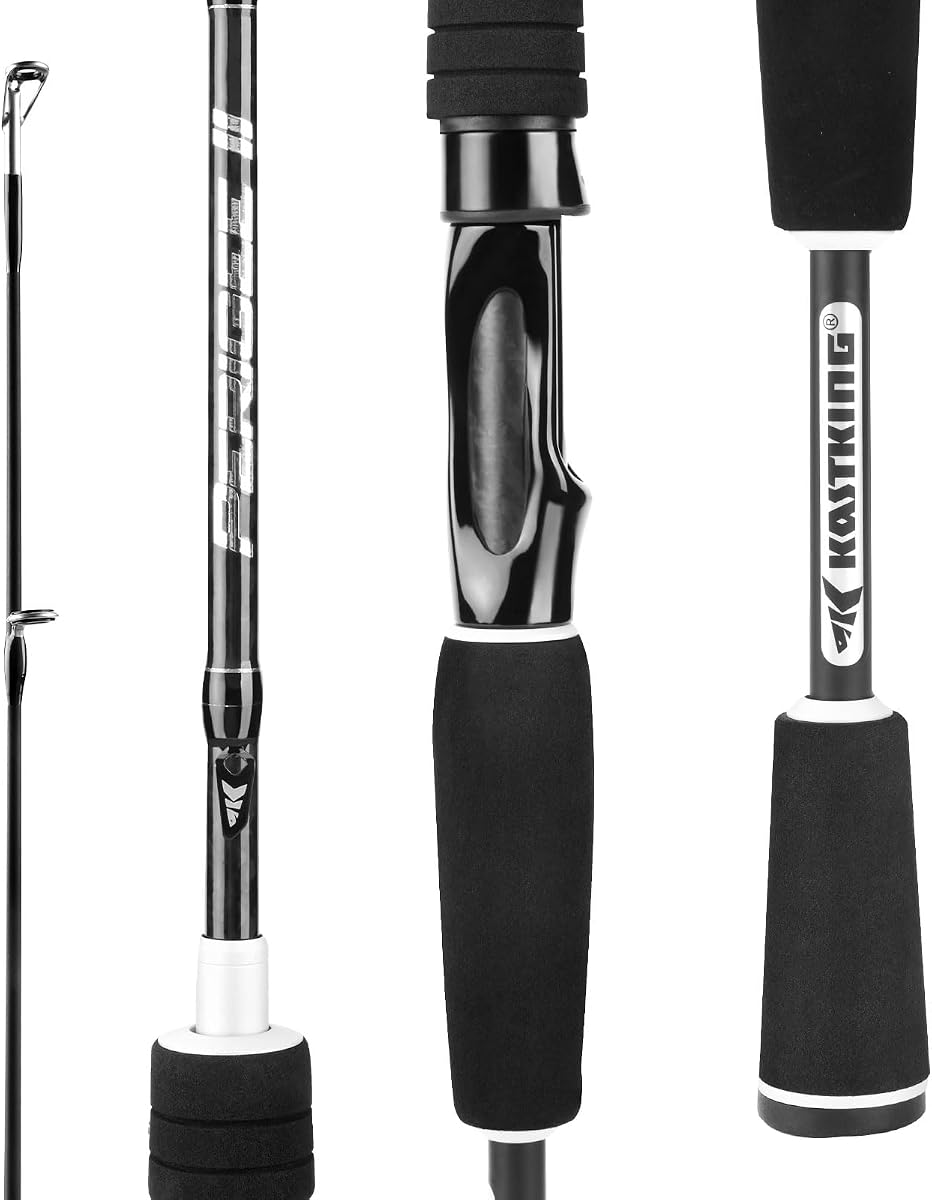
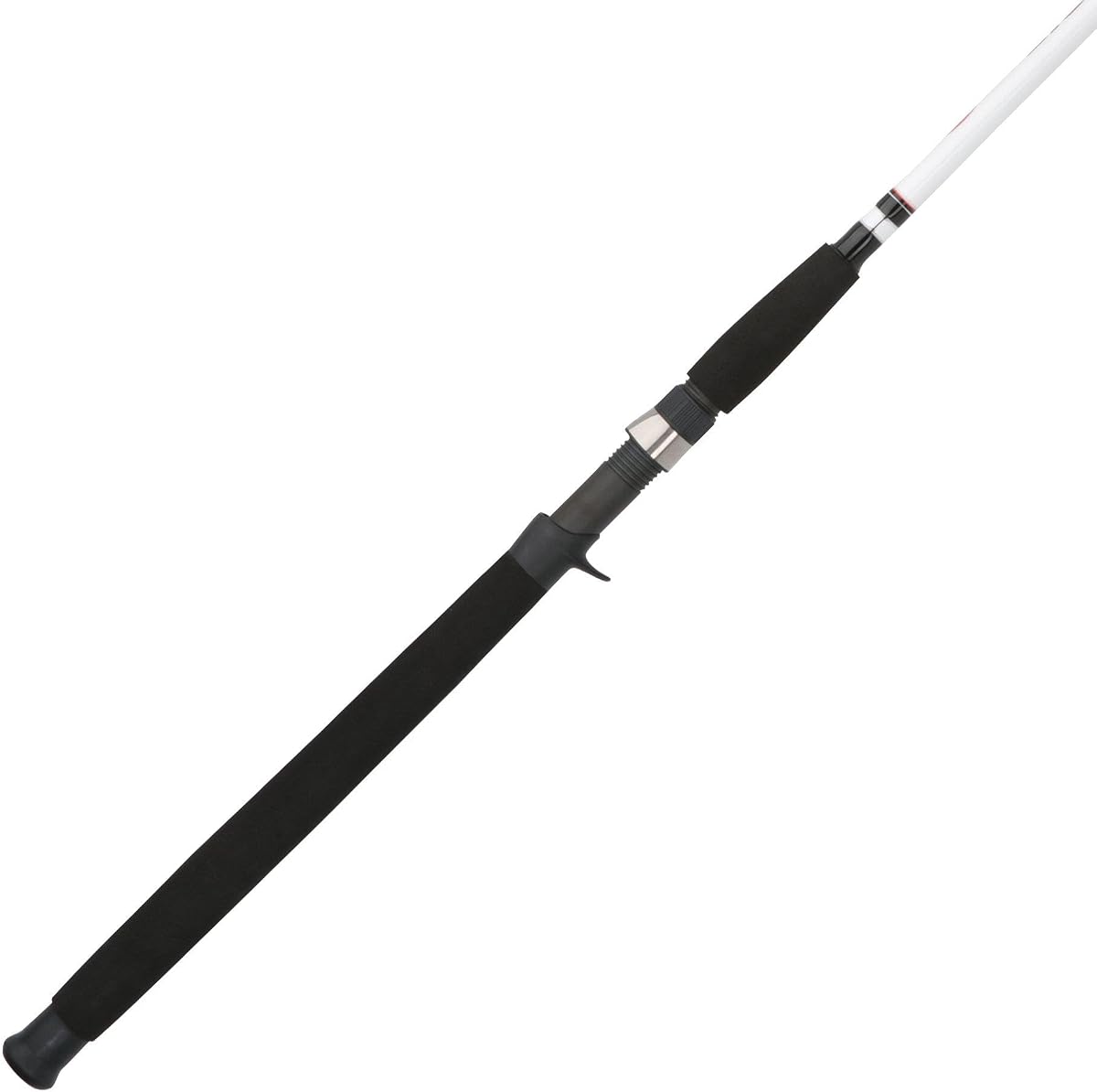
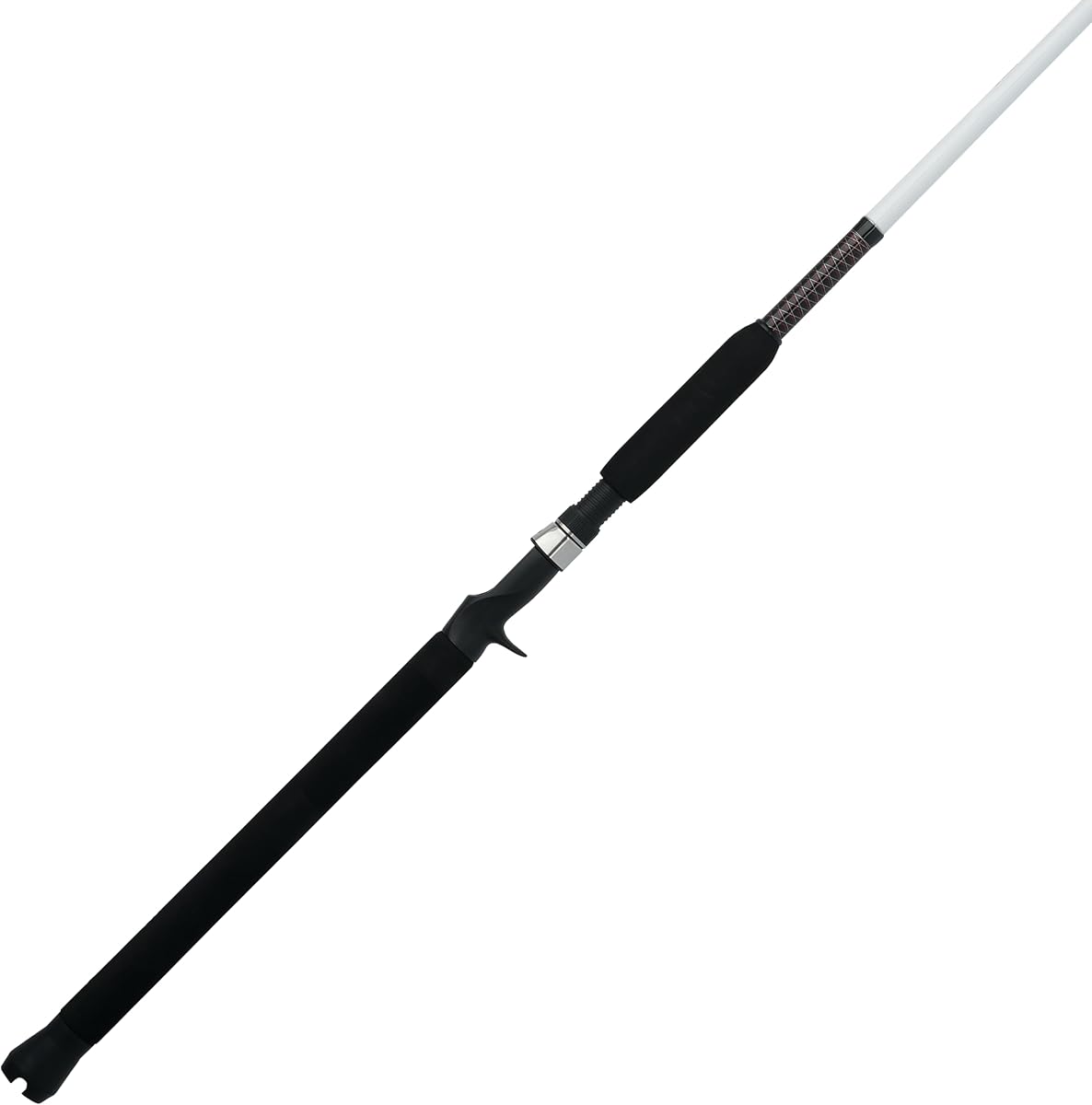
You don't need to spend pro-tour money to get a real upgrade. Every rod below is a genuine step up in power and components over a starter combo while staying in honest hobbyist territory, and one comes as a complete rod-and-reel combo if you'd rather buy the whole setup matched. The picks cover the all-around medium-heavy do-everything rod, a budget power stick for big fish, dedicated catfish muscle, and a true heavy rod for pike and musky, ranked by Amazon buyer ratings. The sections after the picks explain what makes a rod a step up, the formats, and how to fight a bigger fish without breaking it off.