KastKing Skidaway Polarized Sport Sunglasses
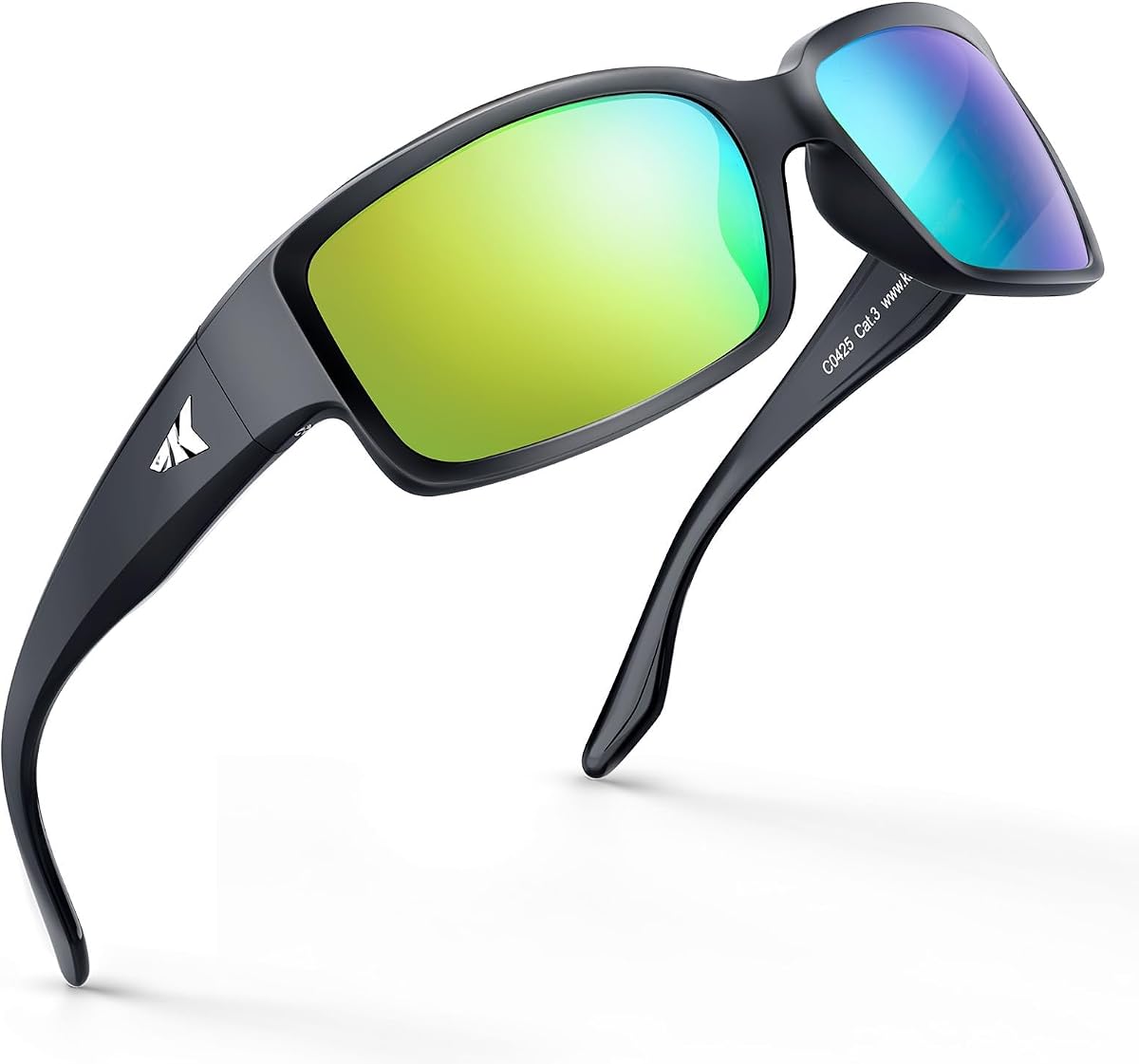
KastKing Skidaway Polarized Sport Sunglasses ranks in the top 1 by combining 4.5-star Amazon buyer ratings (9,782 ratings) with a clear practical role: all-around freshwater value.
Check Price
Polarized lenses that cut the glare off the water so you can actually see fish, structure, and your line, ranked for new anglers from budget pairs to premium glass.
Polarized fishing sunglasses are not the same as the polarized pair you wear driving. The glare bouncing off a lake or river is exactly the light a polarized lens is built to kill, and once it's gone you can suddenly see past the surface: the rock your jig is hung on, the weed edge bass are sitting against, the shadow of a cruising fish in the shallows. That ability to see into the water is what separates a fishing pair from a fashion pair, and it's why most anglers call good polarized glasses the cheapest upgrade that catches more fish.
The biggest decision is lens tint, not brand. Copper and amber lenses boost contrast and make objects underwater pop, which is what you want for sight-fishing shallow, stained, or green freshwater. Gray and blue-mirror lenses cut the most light and keep colors true, which suits bright, open water and long days in the sun. If you only buy one pair to start, a copper or amber lens covers the widest range of freshwater conditions. Past the tint, look for true 100% UV400 protection, a frame that wraps enough to block side light, and lenses that don't distort.
Price buys durability and optical clarity, not magic. A budget-friendly pair from KastKing, DUCO, or Fishoholic genuinely polarizes and will let you see into the water; the jump to a Costa or HUK gets you sharper optics, more durable coatings, and a frame that survives years of abuse. Beginners are usually smart to start cheap, learn what tint and fit they like, and only step up once a pair earns it (or gets lost in the lake, as a first pair often does). Below we break down lens tints, the features that matter, and six top-rated pairs ranked by Amazon buyer ratings.

Plenty of sunglasses are dark; far fewer are built for the water. These are the features that actually matter on a fishing pair. The first four are non-negotiable; the rest just make long days more comfortable.
The whole point: a polarized filter cancels the horizontal glare reflecting off the water so you can see into it. A dark non-polarized lens dims everything but never kills the surface shine.
Blocks UVA and UVB rays that damage your eyes over years on the water. Polarization and UV protection are separate specs, so confirm the pair lists UV400 explicitly.
Copper or amber for contrast and sight-fishing; gray or blue-mirror for bright, open water. Tint changes how well you see fish more than any other single feature.
Wraparound frames block stray light sneaking in from the sides and top, which is where glare ruins your view on bright water. Lifestyle frames look great but leak side light.
Rubberized pads and temple tips keep glasses from sliding down a sweaty nose when you're leaning over the water or fighting a fish in the heat.
Lenses get tossed in tackle bags and wiped with shirttails. A hard coating keeps them clear; glass lenses resist scratches best but cost and weigh more.
A hard case or microfiber pouch is the difference between a pair lasting a season or getting crushed in the truck. Many fishing pairs include one.
A floating strap keeps a dropped pair off the lake bottom and around your neck between spots. Cheap insurance, especially in a kayak or boat.
Lens color is the single biggest factor in how well a pair works on the water. Match the tint to the light and the water you fish most. The right tint matters far more than the brand on the frame.
Boosts contrast and makes fish, structure, and bottom pop in stained, green, or shallow water. The best single tint for most freshwater anglers and the safest first pick.
Brightens your view and lifts contrast in dim, overcast, or early-morning light. Excellent inshore, on rivers, and over muddy or brown-bottomed water.
Cuts the most light without shifting colors, which suits big lakes, scorching midday sun, and watching a spread or your line in heavy glare.
A mirror coating over a gray or green base knocks down intense reflected light on open water. Green mirror keeps colors close to natural while still cutting glare.
Short on time? Start with these top-rated fishing sunglasses picks.

KastKing Skidaway Polarized Sport Sunglasses ranks in the top 1 by combining 4.5-star Amazon buyer ratings (9,782 ratings) with a clear practical role: all-around freshwater value.
Check Price
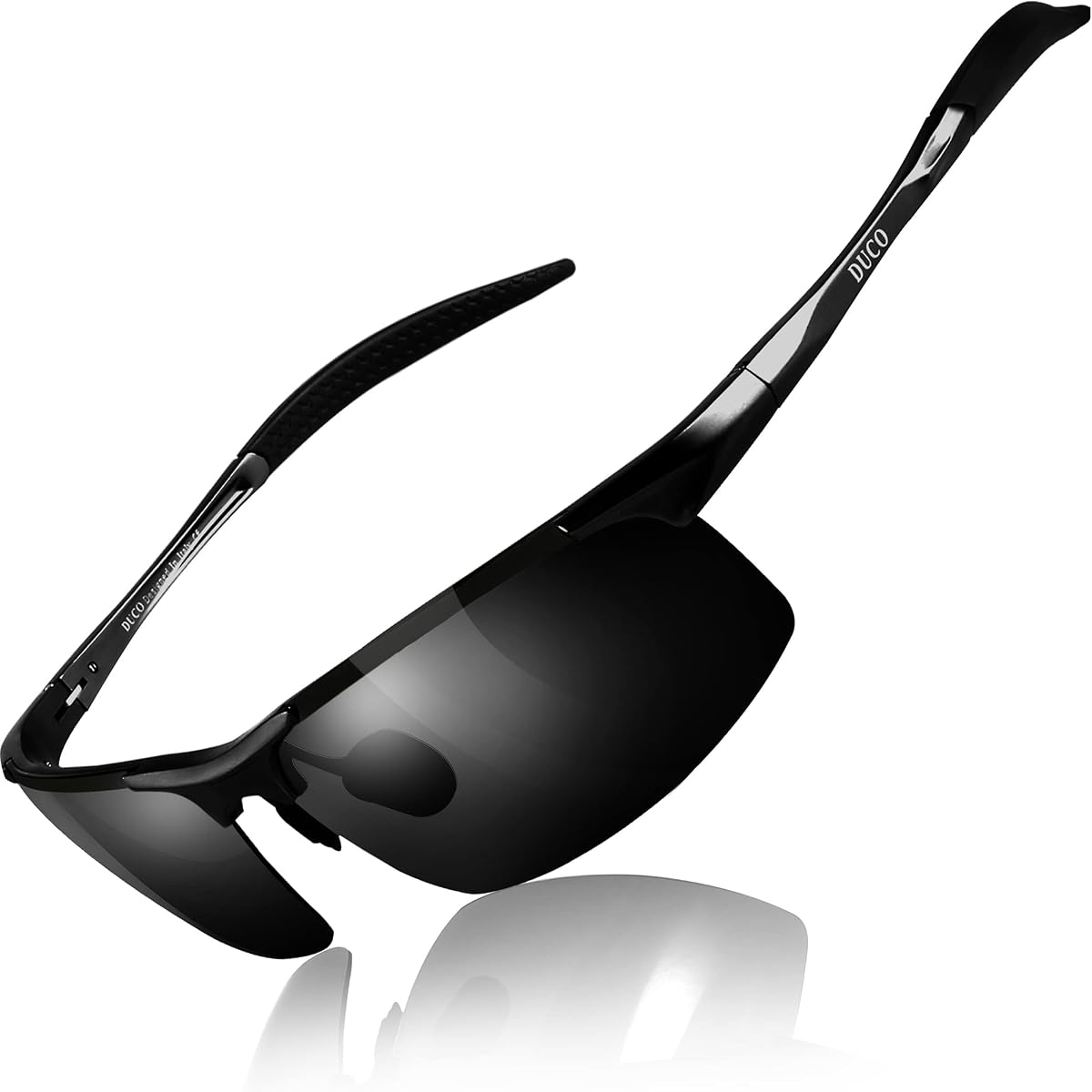
DUCO 8177s Mens Sports Polarized Sunglasses ranks in the top 2 by combining 4.5-star Amazon buyer ratings (30,230 ratings) with a clear practical role: most-reviewed budget value.
Check Price
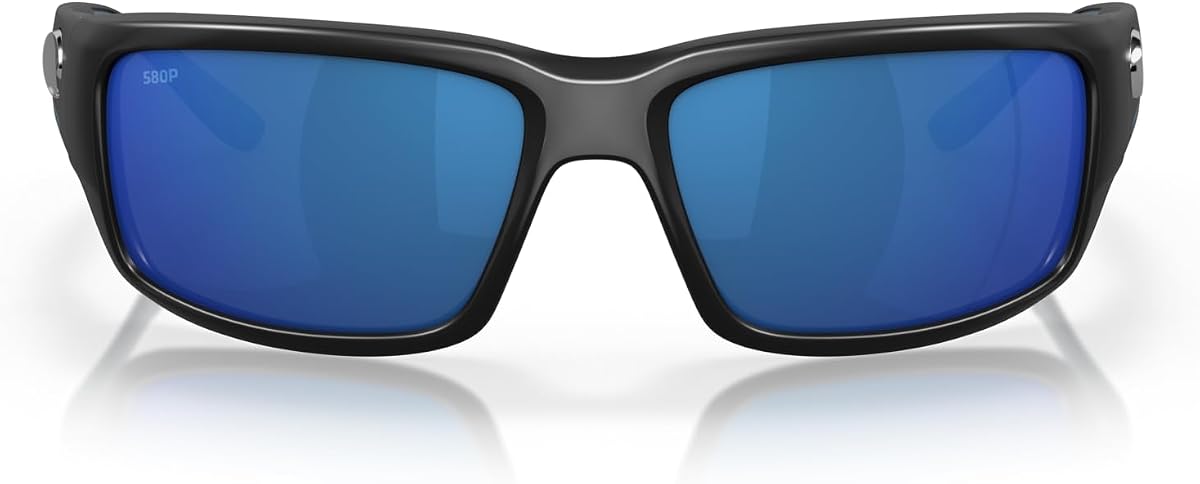
Costa Del Mar Fantail 580G Polarized Sunglasses ranks in the top 3 by combining 4.6-star Amazon buyer ratings (4,340 ratings) with a clear practical role: premium all-day glass.
Check PriceDetailed picks with verdicts, strengths, tradeoffs, and the situations where each one makes the most sense.

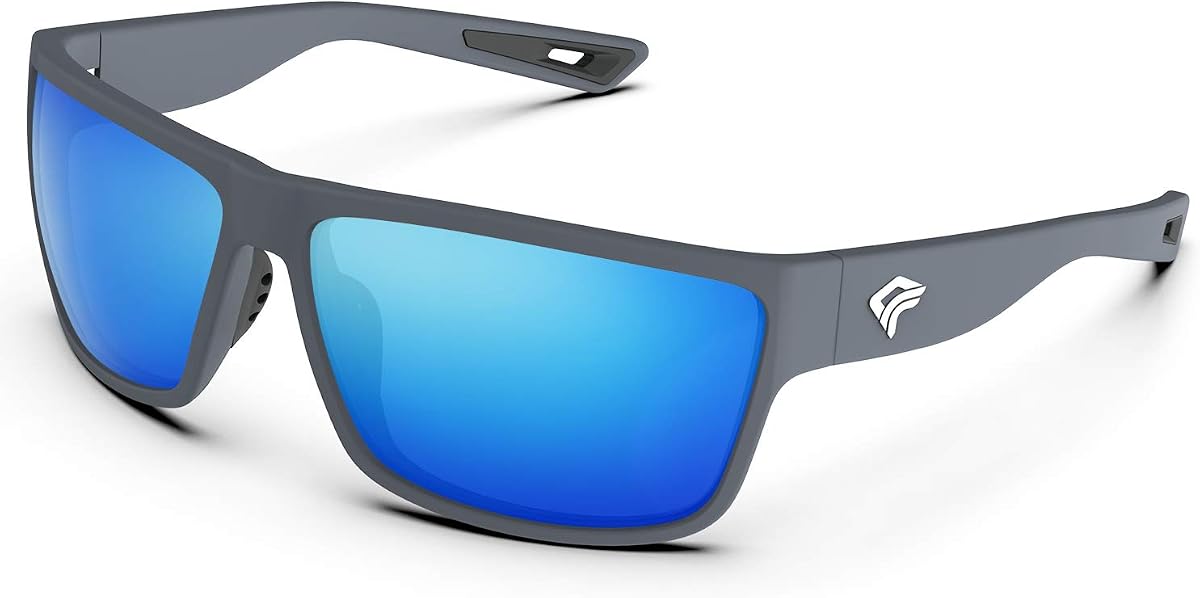
Quick verdict: KastKing Skidaway Polarized Sport Sunglasses ranks in the top 1 by combining 4.5-star Amazon buyer ratings (9,782 ratings) with a clear practical role: all-around freshwater value.

Quick verdict: DUCO 8177s Mens Sports Polarized Sunglasses ranks in the top 2 by combining 4.5-star Amazon buyer ratings (30,230 ratings) with a clear practical role: most-reviewed budget value.

Quick verdict: Costa Del Mar Fantail 580G Polarized Sunglasses ranks in the top 3 by combining 4.6-star Amazon buyer ratings (4,340 ratings) with a clear practical role: premium all-day glass.

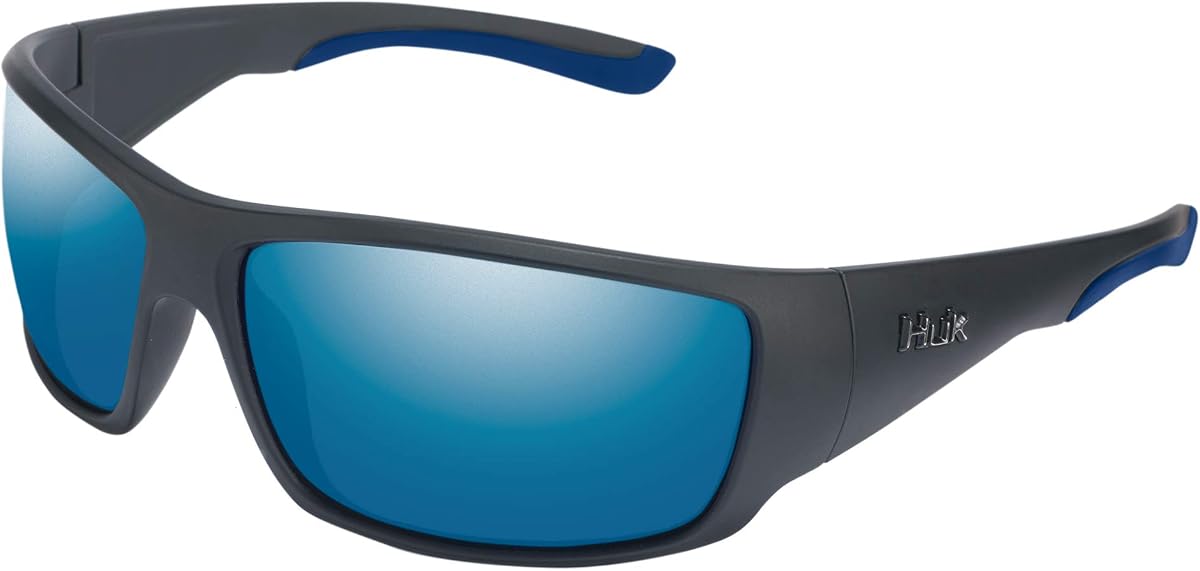
Quick verdict: HUK Spearpoint Polarized Performance Sunglasses ranks in the top 4 by combining 4.4-star Amazon buyer ratings (4,456 ratings) with a clear practical role: sight-fishing contrast.

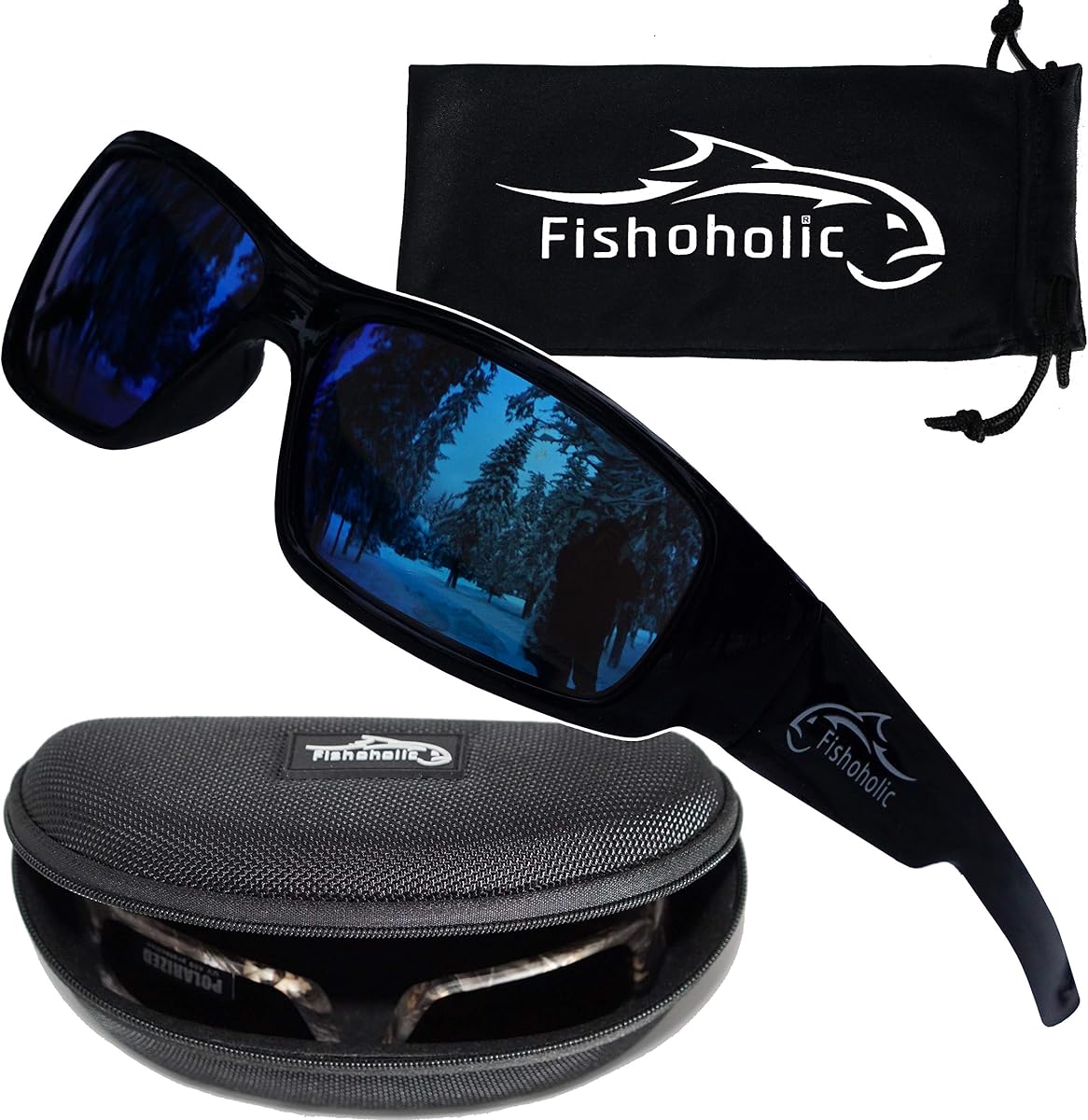
Quick verdict: Fishoholic Polarized Fishing Sunglasses (with Hard Case) ranks in the top 5 by combining 4.5-star Amazon buyer ratings (5,885 ratings) with a clear practical role: backup & budget pairs.

Quick verdict: TOREGE TR26 Polarized Sports Sunglasses ranks in the top 6 by combining 4.3-star Amazon buyer ratings (6,592 ratings) with a clear practical role: sport wraparound coverage.
Copper and amber boost contrast for sight-fishing stained or green freshwater. Gray and blue-mirror cut more light and keep colors true for bright, open water. Tint matters more than the logo.
Confirm 100% UV400 protection and true polarization, not just a dark tint. Cheap shades that only look dark protect your eyes far less and barely cut glare off the water.
A frame that wraps toward your temples blocks side glare and stray light, which is the whole point on bright water. Non-slip nose pads keep them put on sweaty, sun-soaked days.
Glass lenses are the sharpest and most scratch-resistant but heavier and pricier. Polycarbonate is lighter, cheaper, and shatter-resistant, which is the safer, easier starting point.
A copper or amber lens lifts contrast so fish, structure, and bottom pop in stained, green, or shallow freshwater. The best all-around first tint.
Gray and blue-mirror lenses cut the most light and keep colors true, which suits big lakes, long sunny days, and watching your line in glare.
A budget polarized pair genuinely cuts glare and protects your eyes. Start cheap, learn your tint and fit, and upgrade once a pair earns it.
Good lenses help, but spotting fish is a skill you build. Here's how to actually see them with a polarized pair, from where to stand to how to keep the lenses clear, even if you've never sight-fished before.
Position so the sun is at your back or side, not in your face. Glare is worst looking into the sun, and even the best lenses can't fully fix a bad angle.
You rarely see a whole fish. Train your eye on out-of-place shapes, shadows on the bottom, and movement against the background instead of a clear outline.
A cap brim blocks overhead light that sneaks past the top of the frame, which sharpens what you can see into the water dramatically. Brim plus lens is the combo.
Sweep the water near you before scanning out. Fish hold tight to cover and shade, so the edges of docks, weeds, and drop-offs are where shapes appear.
A smudged or salt-spotted lens kills contrast. Rinse with water and dry with a microfiber cloth, never a gritty shirttail that scratches the coating.
Clip a floating retainer before you launch. The first pair most anglers lose goes over the side of a boat or kayak, and a strap turns a loss into a shrug.
Once you know which kit type fits your situation, dig into each gear category for in-depth picks and buying advice:
Want to browse beyond the ranked picks? Filter and sort the full fishing sunglasses listing below.


Yes. Polarized lenses block the horizontal glare that bounces off the water's surface, which lets you see beneath it: fish, rocks, weed lines, drop-offs, and your own line. They also reduce eye strain on long, bright days.
Reader-supported and free of paid placements. Every pick is ranked on published specs and Amazon buyer ratings, not on who pays us.
Each pick is compared on published specs, materials, design, and category fit across the major brands.
Rankings factor in how well each product matches common freshwater fishing needs, not just popularity.
Star ratings and review volume from verified Amazon buyers are factored in to reflect real-world satisfaction.
A pick earns its spot by delivering useful performance for the money, whether budget or premium.

See how lens tints and frame styles compare, and which features actually matter on your first polarized pair.
View Beginner Guides