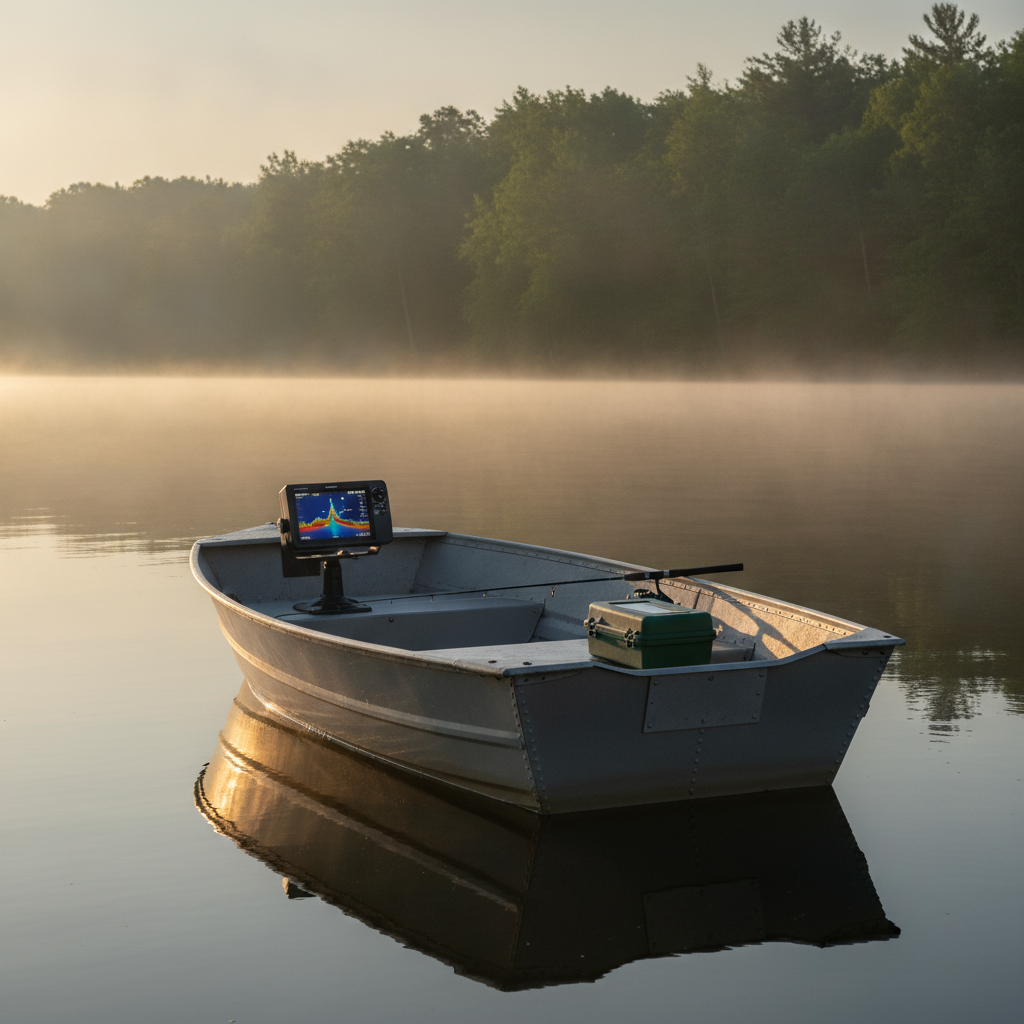
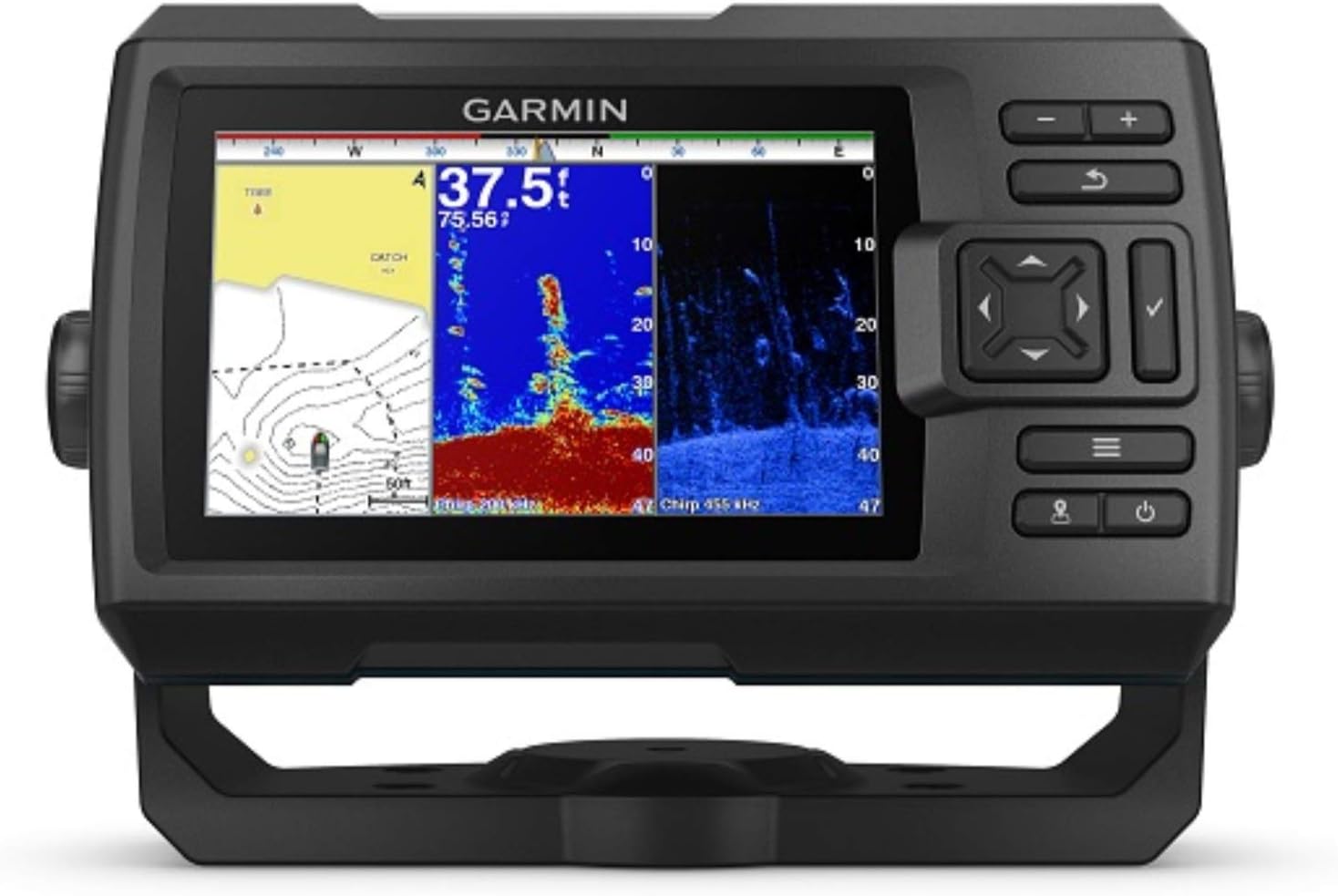
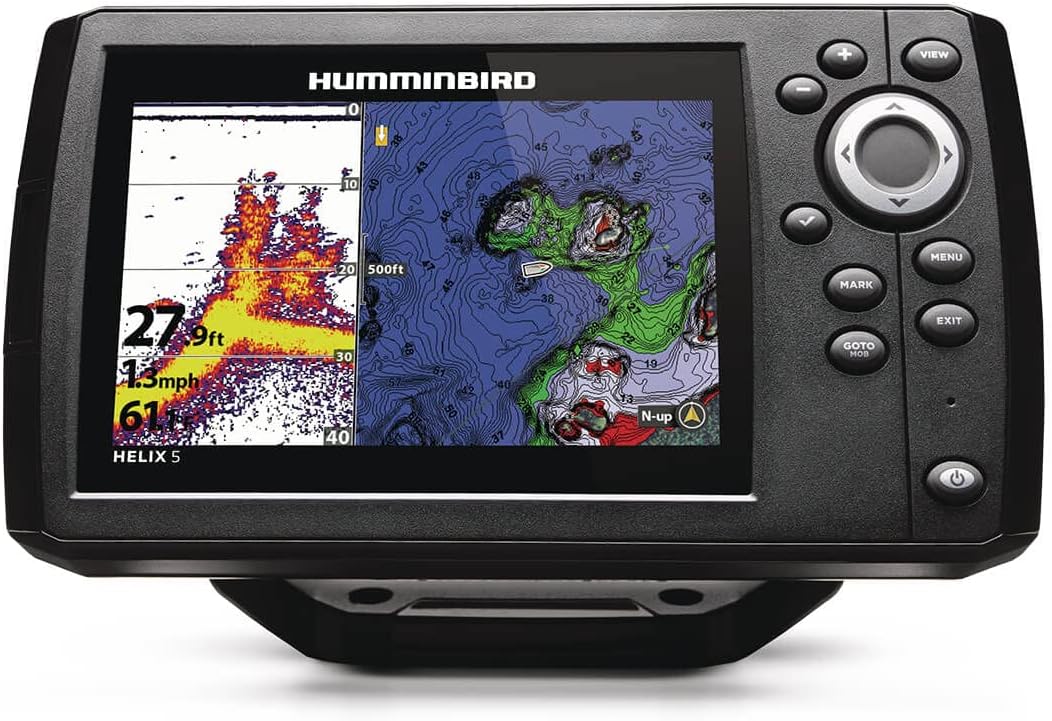
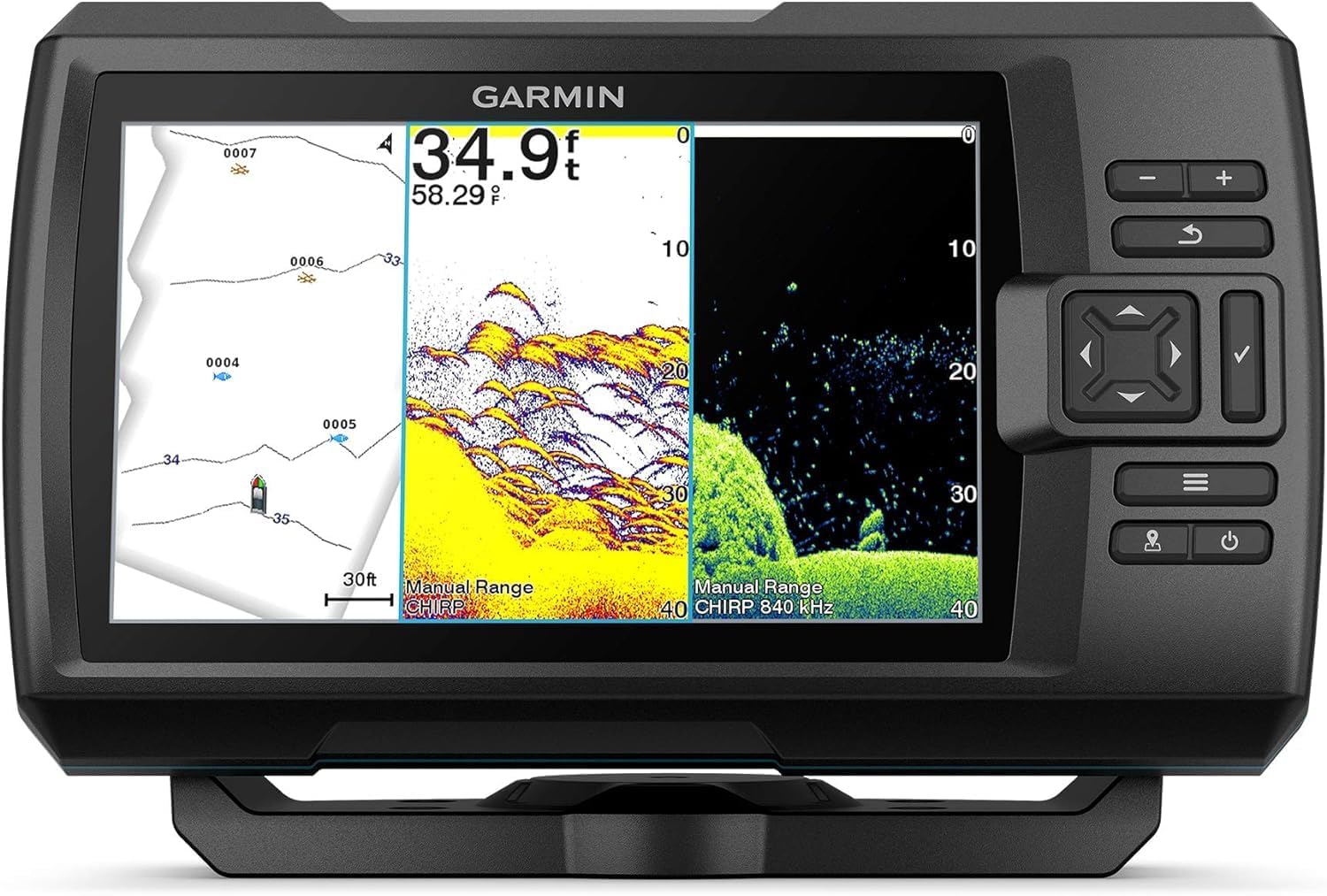
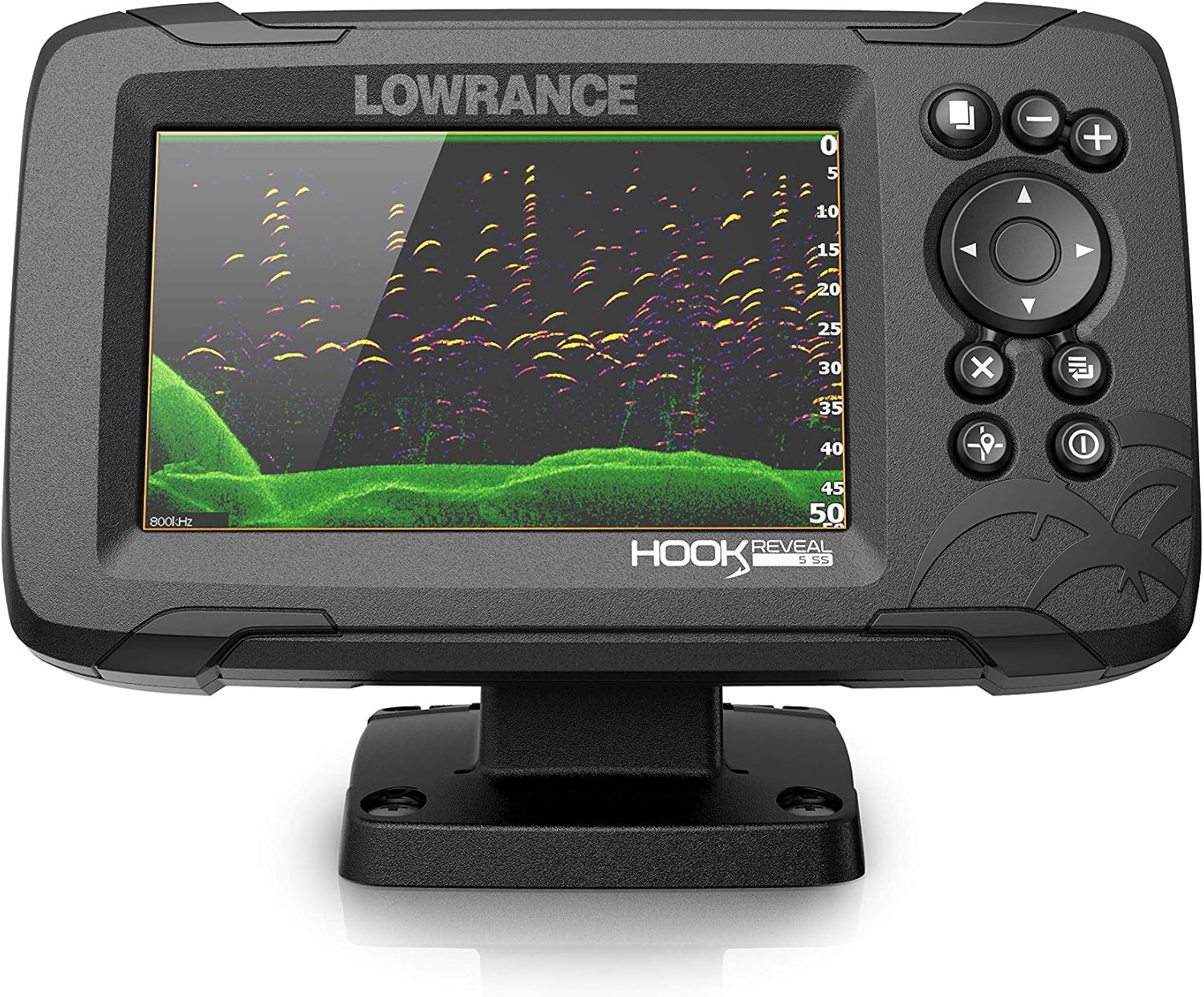
A jon boat is a flat aluminum box, and that is exactly why it makes a good fishing platform and a slightly awkward place to put sonar. Picking the screen is the easy part. Every unit below reads depth, bottom and fish arches clearly enough for a pond, a river backwater or a small lake. Where small-boat owners actually get stuck is the install: where the transducer can go on a riveted metal hull, and what the thing needs from a battery.
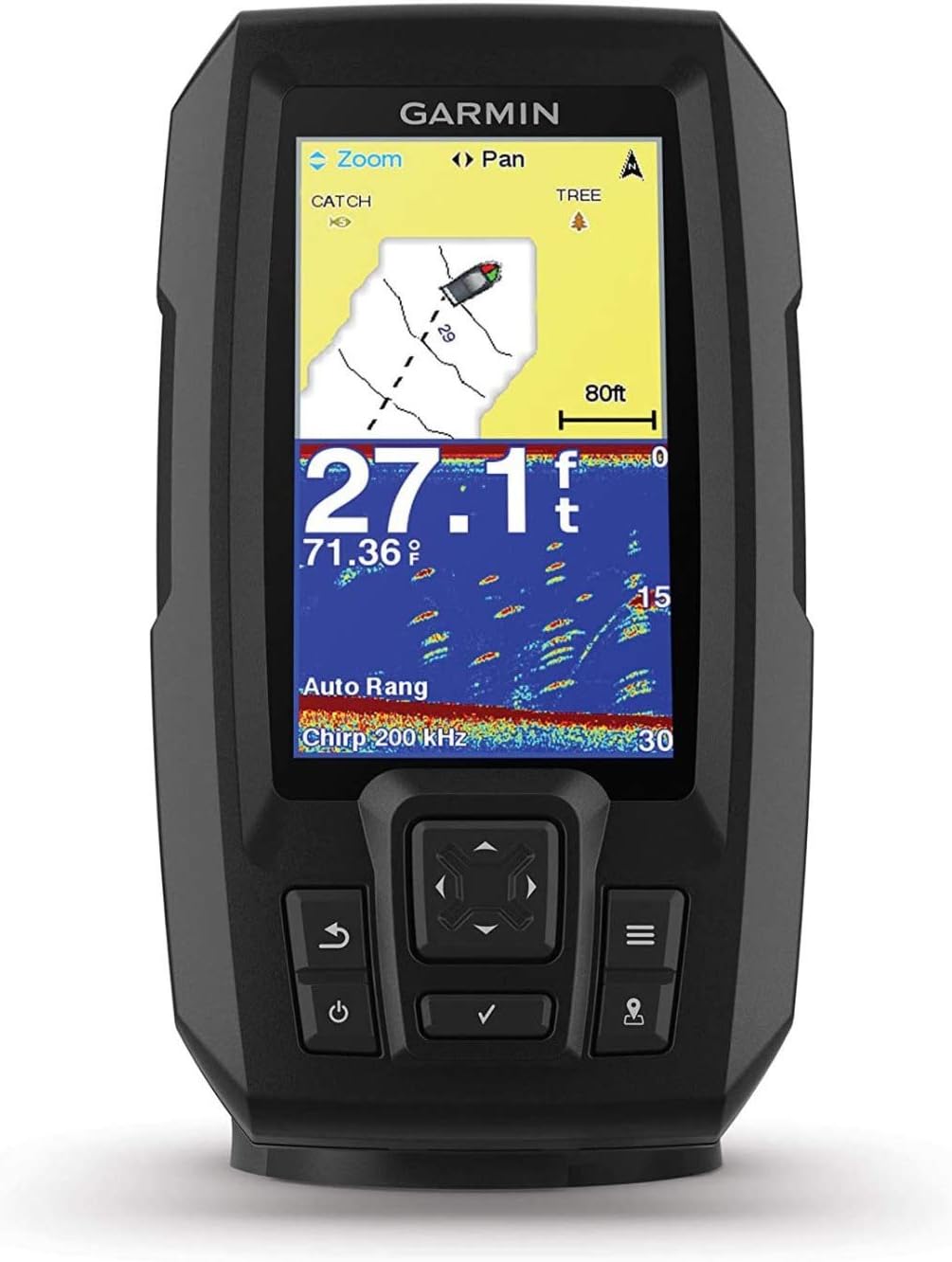
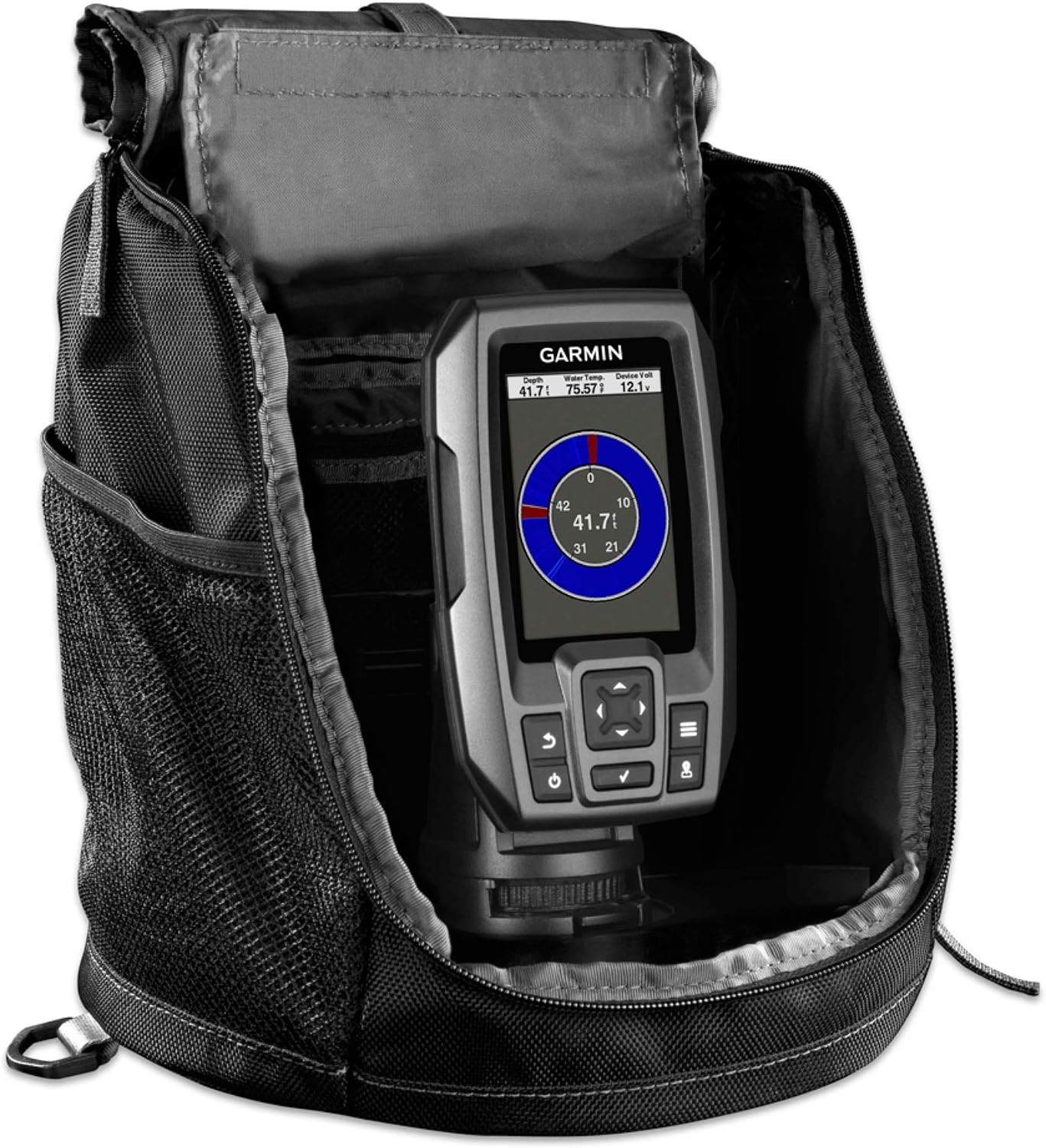
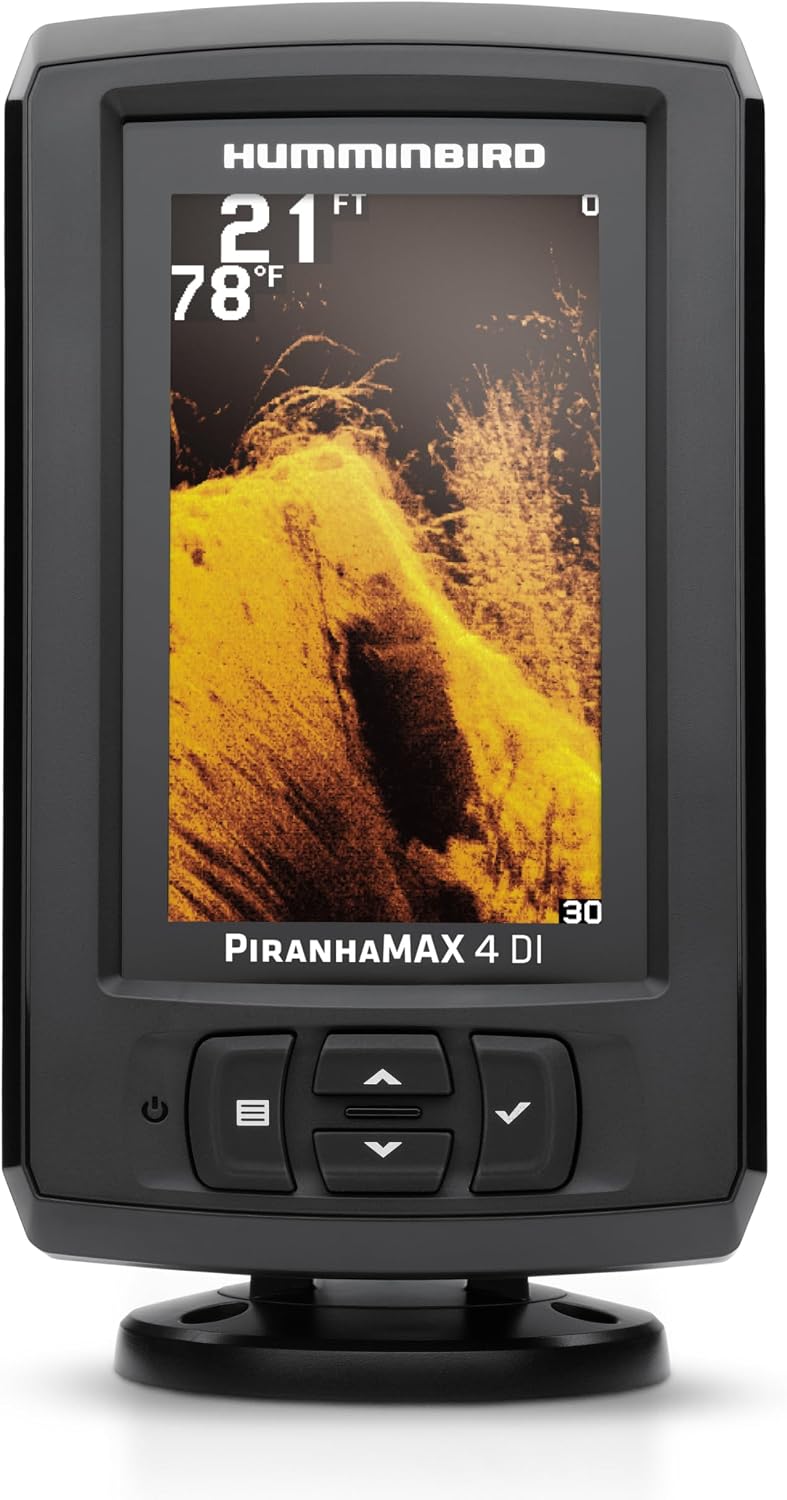
Those are the two questions most small-boat fish finder guides skip, so this page leads with them. On the hull, Humminbird's own help centre says metal hulls make inside-the-hull mounting inadvisable, because metal does not pass the sonar signal. That rules out the glue-it-inside trick kayak anglers use and leaves you three real options: the transom, the trolling motor, or a portable mount. On power, the makers publish figures far smaller than the battery aisle suggests. Humminbird lists 180 mA for the PiranhaMAX 4 DI. Garmin rates the STRIKER Plus 4 at 0.225 A nominal and 1.5 A peak, and says the 7 Ah battery in its own ice bundle runs one for up to 11 hours.
So you do not need a trolling-motor battery to run a fish finder, and you do not need to drill your boat to try one. The seven picks cover a no-drill portable kit, four- and five-inch fixed mounts, and one seven-inch screen for a wider boat with two anglers in it. They are ranked on the maker's published specs and Amazon buyer ratings, and every install or power figure is attributed to the company that published it. If you have not settled on mounted versus castable yet, start with the beginner fish finder guide; this one assumes you have a boat and want to wire it once.