Best Fish Finder Batteries of 2026 — freshwater fishing gear
Fish Finder Guide · Power

Best Fish Finder Batteries of 2026

Six 12 V batteries and one kayak battery box, sized from what a fish finder actually draws, which is far less than the battery aisle suggests.

View Top PicksBy TomUpdated 2026-09-25Ranked from specs & buyer ratings
How to Choose

How to Size a Fish Finder Battery

Most fish finder battery advice starts in the battery aisle and works backward. This page starts at the fish finder. Humminbird's operations manual lists the PiranhaMAX 4 DI at 180 mA of current draw. Garmin's installation sheet for its STRIKER Plus 4 ice bundle gives 0.225 A nominal and 1.5 A peak, and says the 7 Ah sealed lead-acid battery in that bundle runs the unit for up to 11 hours. Those are small numbers.

Do the sum and a ten-hour day on the PiranhaMAX uses about 1.8 amp-hours. Even a unit pinned at Garmin's 1.5 A peak for ten straight hours, which none of them are, needs 15. The 50 and 100 Ah batteries at the marine counter are built for trolling motors. For a fish finder on its own, 7 to 10 Ah covers a normal day, and 20 Ah covers a bigger screen, a cold morning or a weekend with no charger.

So the picks below are small. Sealed lead-acid for the lowest cost, LiFePO4 lithium for less weight and more of the capacity you can actually use, one complete kit that brings its own charger and harness, and a waterproof battery box for kayaks. They are ranked on Amazon buyer ratings and on fit for a fish finder, not on our own testing, and every draw figure is credited to the maker that published it. Still choosing the unit itself? Start with the beginner fish finder guide.

The Whole Power Setup

What a Fish Finder Power Setup Needs

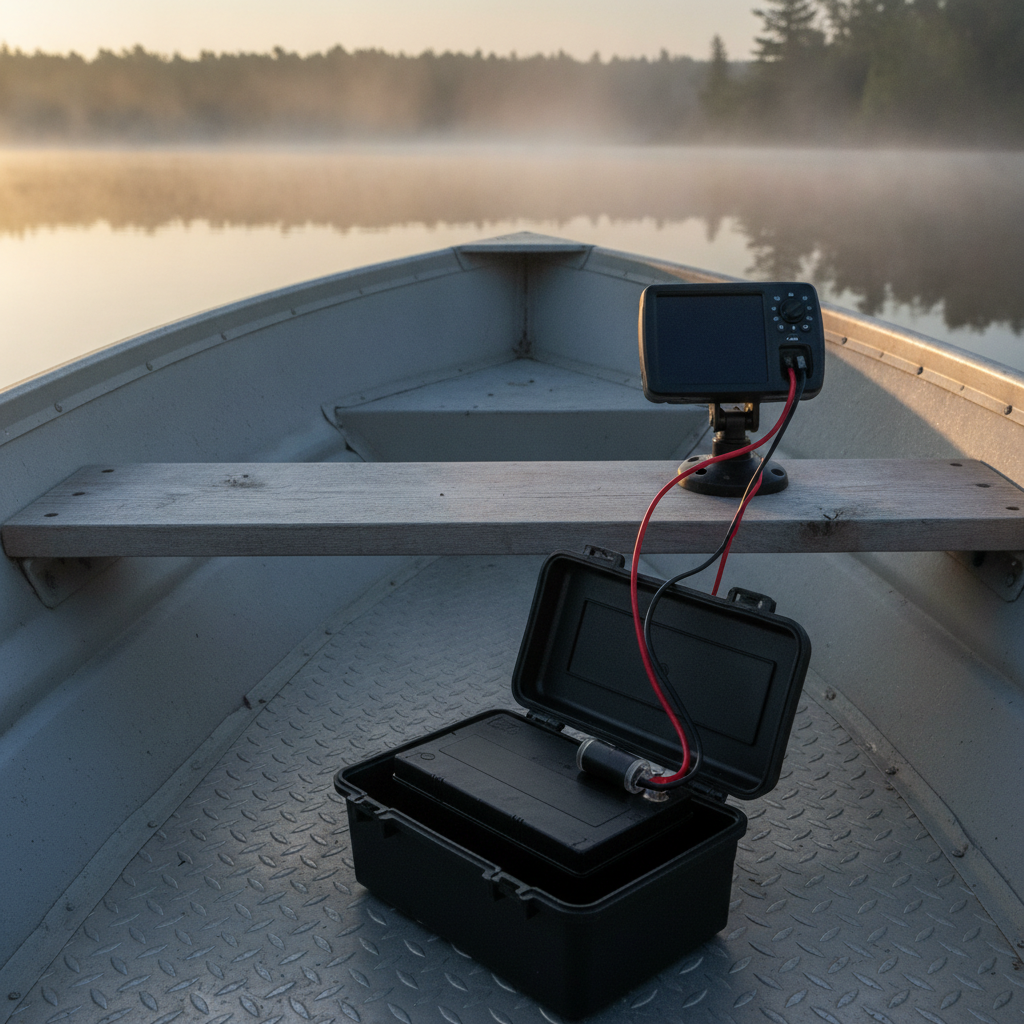
The battery is one line on this list. The rest is what gets its power to the screen safely, and most first-trip power failures come from these, not from the battery.

A 12 V battery sized to your draw

Essential

7 to 10 Ah covers a day for most small units. Size to 20 Ah for a large screen, ice fishing or two days between charges.

A charger that matches the chemistry

Essential

LiFePO4 wants a LiFePO4-compatible charger, as the GOLDENMATE and NERMAK listings both say. Sealed lead-acid charges on an ordinary 12 V smart charger.

An inline fuse near the battery

Essential

Garmin specifies 3 A fast-acting for its STRIKER Plus and Vivid units, and Humminbird's Helix guide calls for 3 A and does not include it. Check your own manual.

Connectors that fit

Essential

Spade terminals, ring terminals or a DC barrel plug. Check what your fish finder's power cable ends in before you order, so launch day is not spent at a parts counter.

A box or strap

Nice to Have

A loose battery slides, shorts and gets wet. A battery box, or at least a strap and a terminal cover, keeps it in place on a boat floor or in a kayak hatch.

A charge indicator

Nice to Have

The ECO-WORTHY reads out over Bluetooth, and the TalentCell has an LED gauge. On a bare battery, a cheap voltmeter tells you if it is ready before you leave.

The Power Budget

What Each Maker Publishes About Draw

Each row is the manufacturer's own figure, as used on our small-boat fish finder guide. Rated current is the most a unit is built to pull; a nominal or current-draw figure is closer to an ordinary day. Where a maker publishes no draw, the row says so.

Humminbird PiranhaMAX 4 DI

180 mA current drawAbout 1.8 Ah per 10 hours

The clearest spec in the category: Humminbird prints 180 mA of draw beside 300 W RMS of sonar output, and says the unit will not run below 10 VDC. Source: the PiranhaMAX and Fishin' Buddy MAX operations manual.

Garmin STRIKER Plus 4

0.225 A nominal, 1.5 A peakUp to 11 hr on 7 Ah, per Garmin

Garmin's ice bundle sheet gives both figures and pairs the unit with a 7 Ah sealed lead-acid battery it rates at up to 11 hours, while noting brightness, temperature and battery age all change that. Source: STRIKER Plus 4 Ice Fishing Bundle installation instructions.

Garmin STRIKER Plus and Vivid

1.5 A rated3 A fast-acting fuse

The owner's manuals give a 1.5 A rated current and a 3 A, 250 V fast-acting fuse. Rated current is a ceiling, so budgeting from it gives you a generous battery, not a wrong one. Source: both manuals' Specifications pages.

Garmin STRIKER (original)

1 A rated10 to 20 V

The original STRIKER series manual gives a 10 to 20 V range and 1 A rated current. The Striker 4 portable kit ships with its own battery and charger. Source: Garmin STRIKER owner's manual, Specifications.

Humminbird Helix 5

No draw figure published12 VDC, 3 A fuse

The installation guide asks for a 12 VDC supply through a 3 A fuse and says the fuse and holder are not included. It publishes no current draw, and a fuse rating is not one, so size a Helix battery generously or ask Humminbird for the figure.

Quick Picks

Top Three at a Glance

Short on time? Start with these top-rated fish finder batteries picks.

Comparison Table

Every Pick, Side by Side

Best Overall
Best For
Everything in one kit
Type
Kit With Charger
Price
Price tier: premium
Amazon ASIN
B06Y1SS49M
Best Budget
Best For
A full day for the least money
Type
Sealed Lead-Acid
Price
Price tier: budget
Amazon ASIN
B003S1RQ2S
Best Lithium Upgrade
Best For
Moving from lead-acid to lithium
Type
LiFePO4 Battery
Price
Price tier: mid-range
Amazon ASIN
B0DJ2J6R25
Recommended #4
Best For
Ice days and bigger screens
Type
LiFePO4 Battery
Price
Price tier: mid-range
Amazon ASIN
B095GYPBTW
Recommended #5
Best For
Plug-in DC port, no clamps
Type
LiFePO4 Battery
Price
Price tier: budget
Amazon ASIN
B0DSW2S7YH
Recommended #6
Best For
Most-reviewed lithium here
Type
LiFePO4 Battery
Price
Price tier: budget
Amazon ASIN
B097BRKCQP
Recommended #7
Best For
Keeping a kayak battery dry
Type
Battery Box
Price
Price tier: premium
Amazon ASIN
B06Y15F861
The Lineup

7 Best Fish Finder Batteries, Compared

Detailed picks with verdicts, strengths, tradeoffs, and the situations where each one makes the most sense.

Best Overall
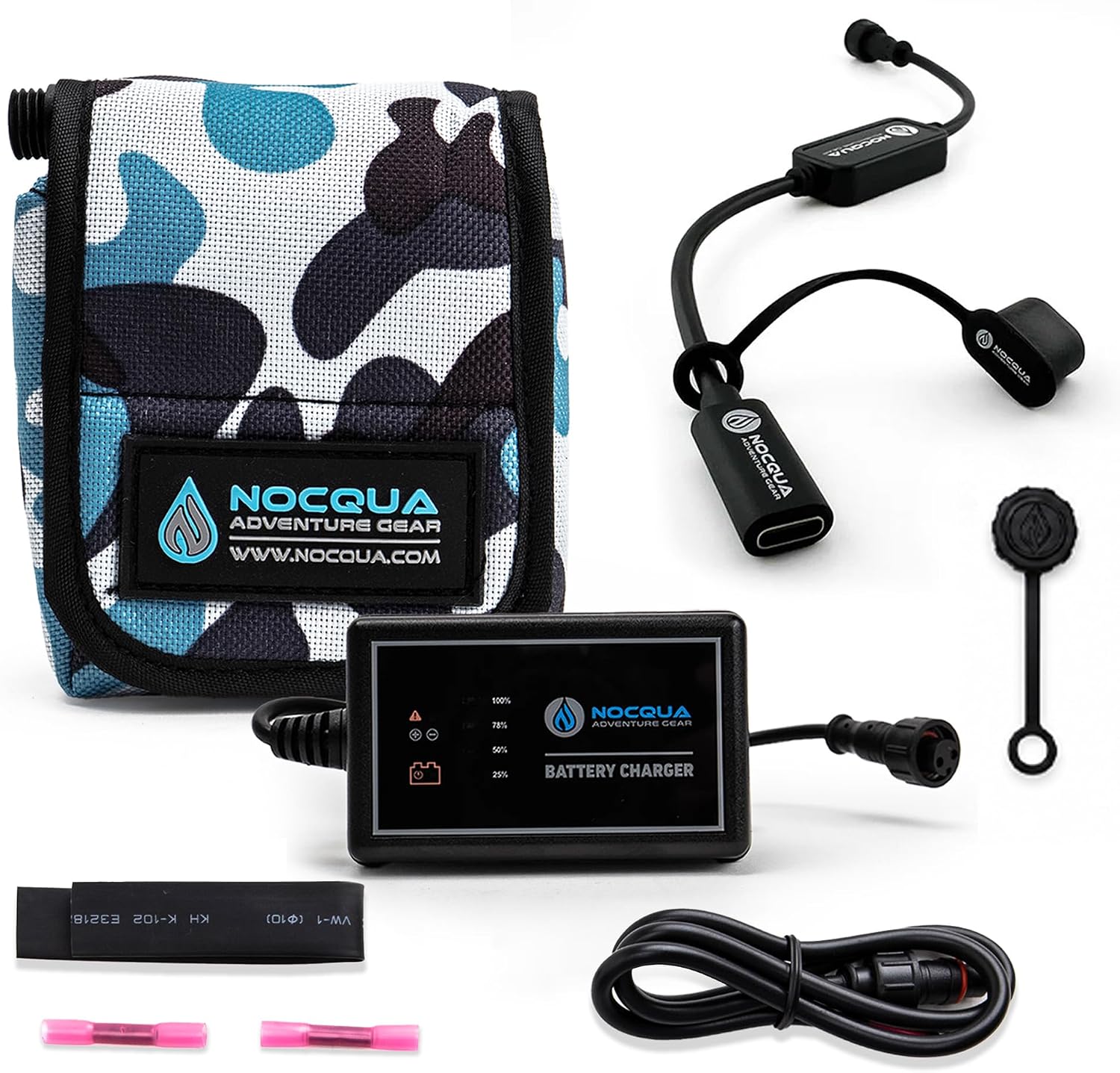
Nocqua Pro Power Kit (12V 10Ah Lithium Battery with Charger)
4.7 (625 Amazon ratings)

Nocqua Pro Power Kit (12V 10Ah Lithium Battery with Charger)

Quick verdict: Nocqua Pro Power Kit (12V 10Ah Lithium Battery with Charger) is the #1 pick here, on 4.7-star Amazon buyer ratings (625 of them) and one clear job: everything in one kit.

Why It Stands Out

  • Rated 4.7 stars from 625 Amazon buyer ratings
  • Clear match for everything in one kit
  • Premium-capable performance for its price range
  • Direct Amazon link for current price and availability

Pros

  • Good fit for everything in one kit
  • 4.7-star Amazon buyer rating
  • Performance-focused pick

Cons

  • Higher upfront price
  • Advanced anglers may want a more specialized option

Best Situations

Everything in one kitBeginnerPremium SetupsQuick Buy
Difficulty
Beginner
Price Range
Price tier: premium
Best Budget
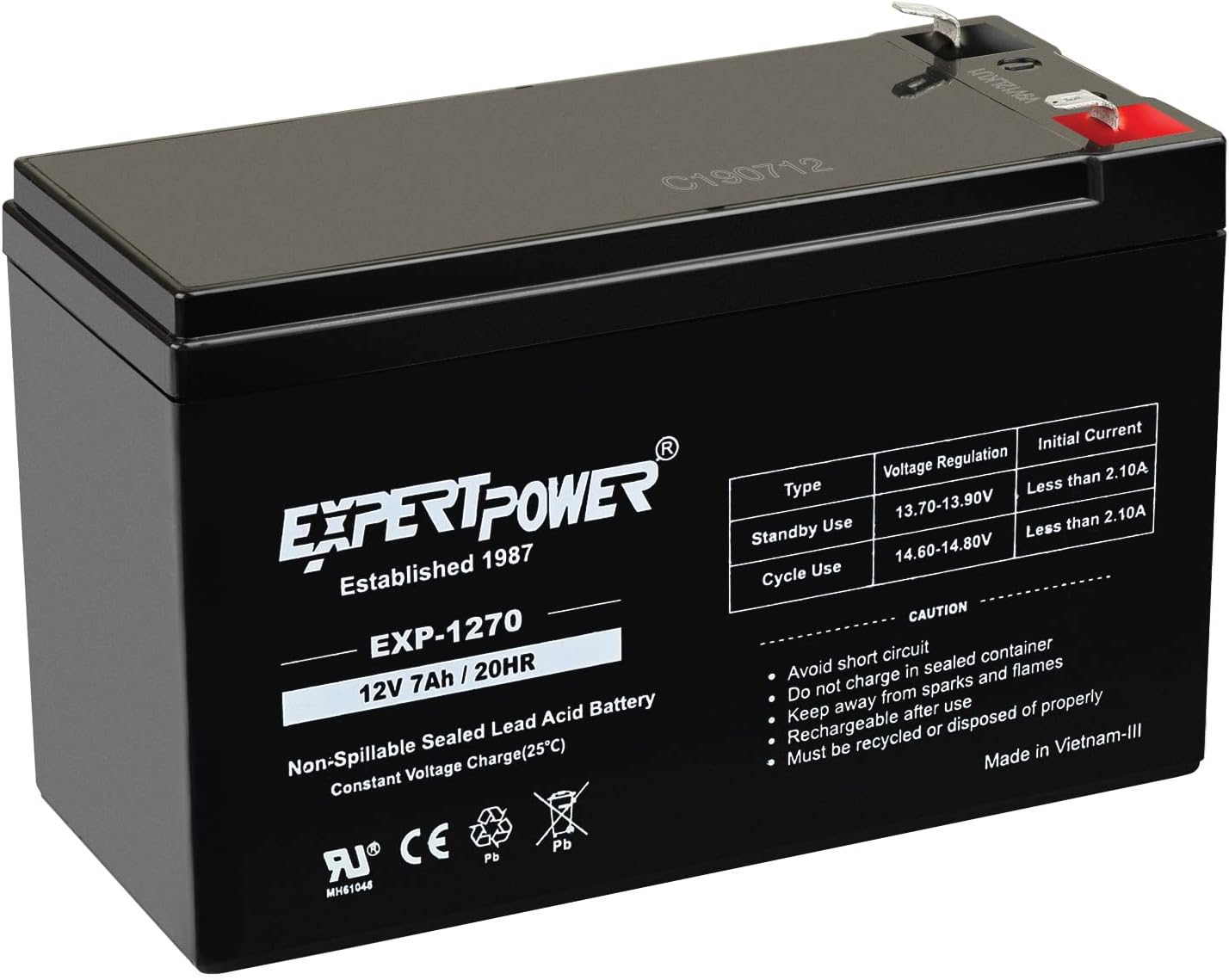
ExpertPower EXP1270 12V 7Ah Sealed Lead-Acid Battery (F1 Terminals)
4.5 (22,198 Amazon ratings)

ExpertPower EXP1270 12V 7Ah Sealed Lead-Acid Battery (F1 Terminals)

Quick verdict: ExpertPower EXP1270 12V 7Ah Sealed Lead-Acid Battery (F1 Terminals) is the #2 pick here, on 4.5-star Amazon buyer ratings (22,198 of them) and one clear job: a full day for the least money.

Why It Stands Out

  • Rated 4.5 stars from 22,198 Amazon buyer ratings
  • Clear match for a full day for the least money
  • Strong value for its price range
  • Direct Amazon link for current price and availability

Pros

  • Good fit for a full day for the least money
  • 4.5-star Amazon buyer rating
  • Budget-friendly pick

Cons

  • May not cover every specialty technique
  • Advanced anglers may want a more specialized option

Best Situations

A full day for the least moneyBeginnerValue BuyersQuick Buy
Difficulty
Beginner
Price Range
Price tier: budget
Best Lithium Upgrade
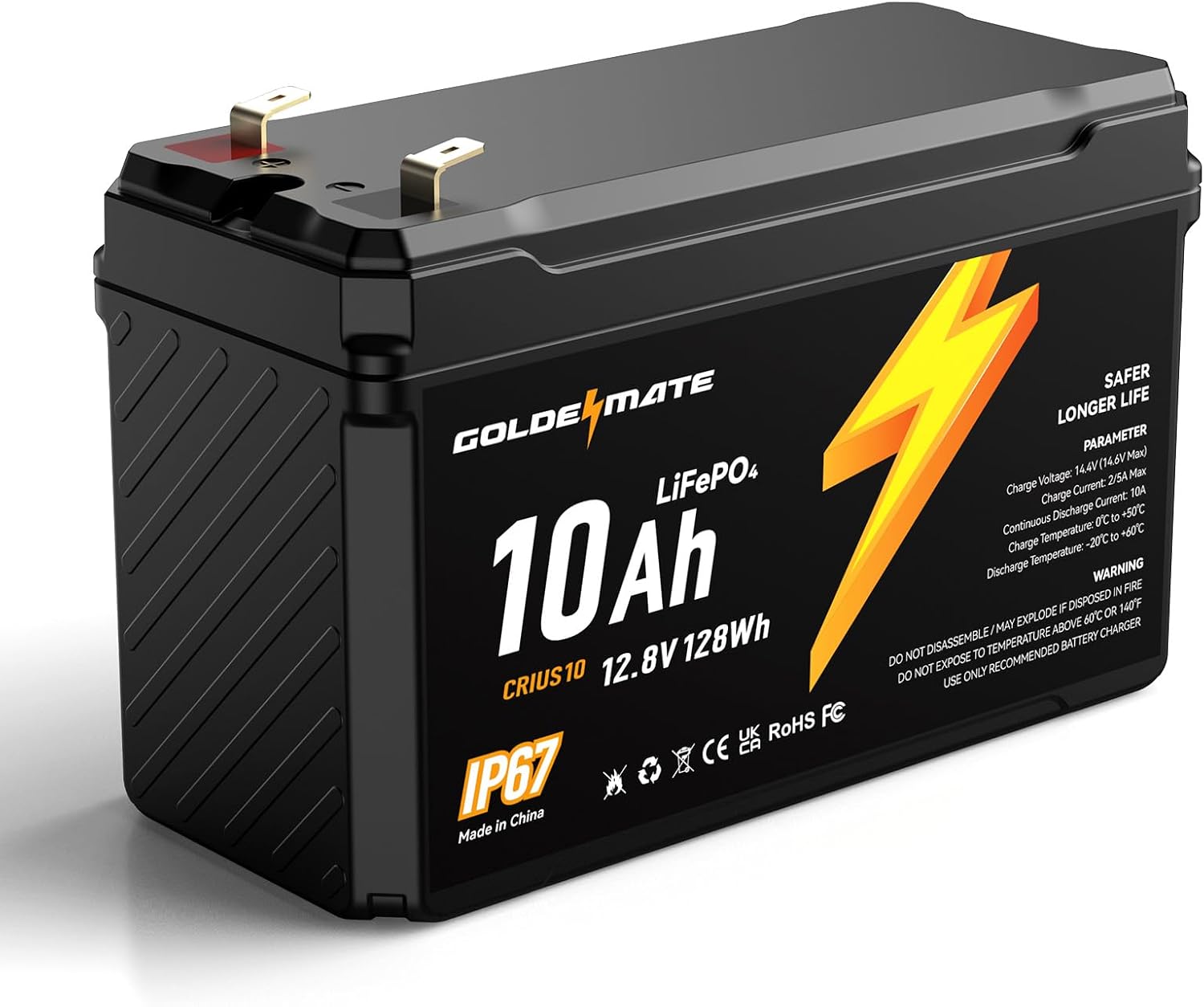
GOLDENMATE 12V 10Ah LiFePO4 Battery (IP67)
4.6 (251 Amazon ratings)

GOLDENMATE 12V 10Ah LiFePO4 Battery (IP67)

Quick verdict: GOLDENMATE 12V 10Ah LiFePO4 Battery (IP67) is the #3 pick here, on 4.6-star Amazon buyer ratings (251 of them) and one clear job: moving from lead-acid to lithium.

Why It Stands Out

  • Rated 4.6 stars from 251 Amazon buyer ratings
  • Clear match for moving from lead-acid to lithium
  • Strong value for its price range
  • Direct Amazon link for current price and availability

Pros

  • Good fit for moving from lead-acid to lithium
  • 4.6-star Amazon buyer rating
  • Budget-friendly pick

Cons

  • May not cover every specialty technique
  • Advanced anglers may want a more specialized option

Best Situations

Moving from lead-acid to lithiumBeginnerValue BuyersQuick Buy
Difficulty
Beginner
Price Range
Price tier: budget
Recommended #4
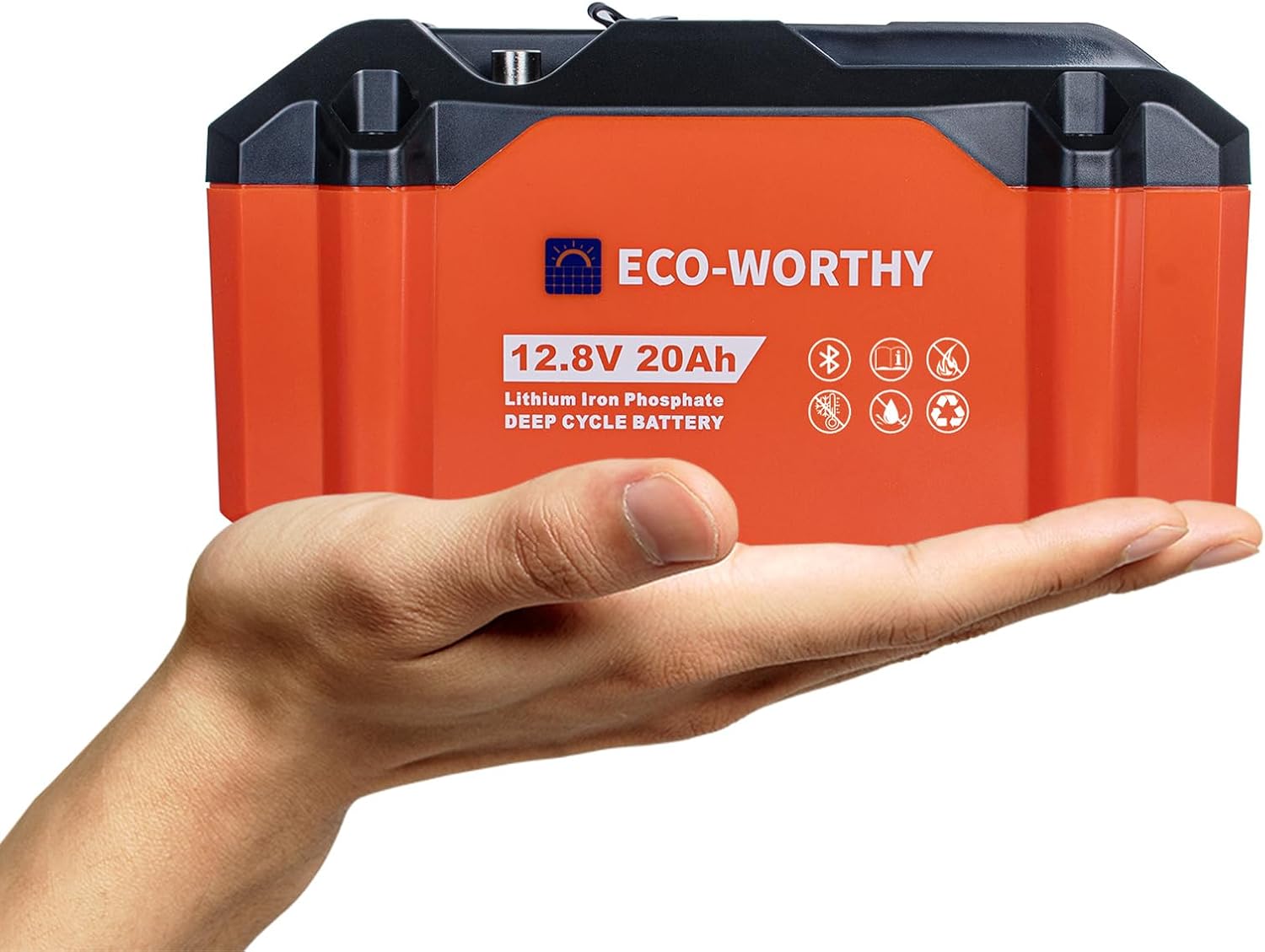
ECO-WORTHY 12V 20Ah LiFePO4 Battery (Bluetooth)
4.5 (525 Amazon ratings)

ECO-WORTHY 12V 20Ah LiFePO4 Battery (Bluetooth)

Quick verdict: ECO-WORTHY 12V 20Ah LiFePO4 Battery (Bluetooth) is the #4 pick here, on 4.5-star Amazon buyer ratings (525 of them) and one clear job: ice days and bigger screens.

Why It Stands Out

  • Rated 4.5 stars from 525 Amazon buyer ratings
  • Clear match for ice days and bigger screens
  • Balanced price-to-performance for its price range
  • Direct Amazon link for current price and availability

Pros

  • Good fit for ice days and bigger screens
  • 4.5-star Amazon buyer rating
  • Performance-focused pick

Cons

  • May not cover every specialty technique
  • Advanced anglers may want a more specialized option

Best Situations

Ice days and bigger screensBeginnerFrequent AnglersQuick Buy
Difficulty
Beginner
Price Range
Price tier: mid-range
Recommended #5
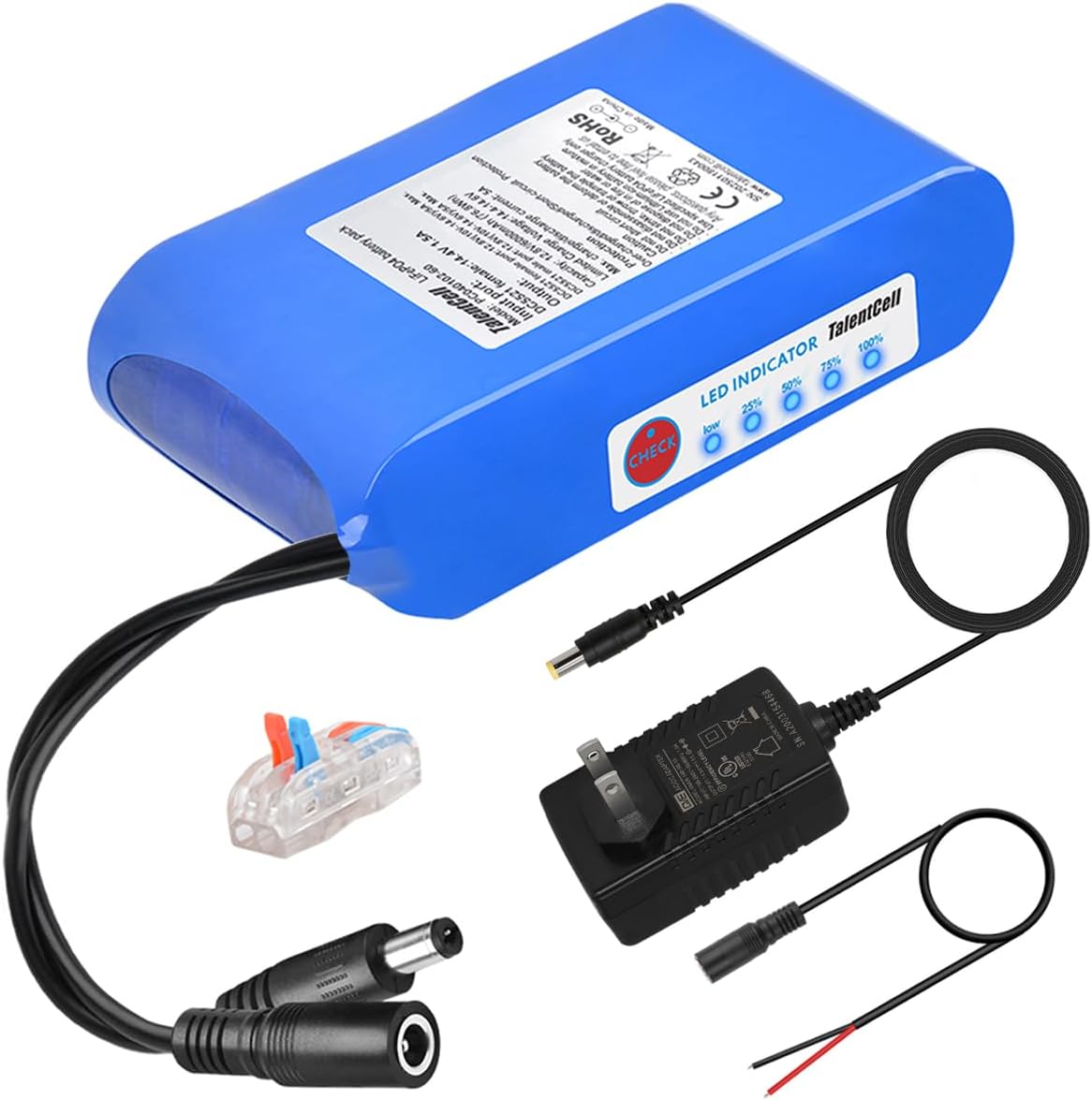
TalentCell 12V 6Ah LiFePO4 Battery Pack (DC Output)
4.5 (117 Amazon ratings)

TalentCell 12V 6Ah LiFePO4 Battery Pack (DC Output)

Quick verdict: TalentCell 12V 6Ah LiFePO4 Battery Pack (DC Output) is the #5 pick here, on 4.5-star Amazon buyer ratings (117 of them) and one clear job: plug-in dc port, no clamps.

Why It Stands Out

  • Rated 4.5 stars from 117 Amazon buyer ratings
  • Clear match for plug-in dc port, no clamps
  • Strong value for its price range
  • Direct Amazon link for current price and availability

Pros

  • Good fit for plug-in dc port, no clamps
  • 4.5-star Amazon buyer rating
  • Budget-friendly pick

Cons

  • May not cover every specialty technique
  • Advanced anglers may want a more specialized option

Best Situations

Plug-in DC port, no clampsBeginnerValue BuyersQuick Buy
Difficulty
Beginner
Price Range
Price tier: budget
Recommended #6
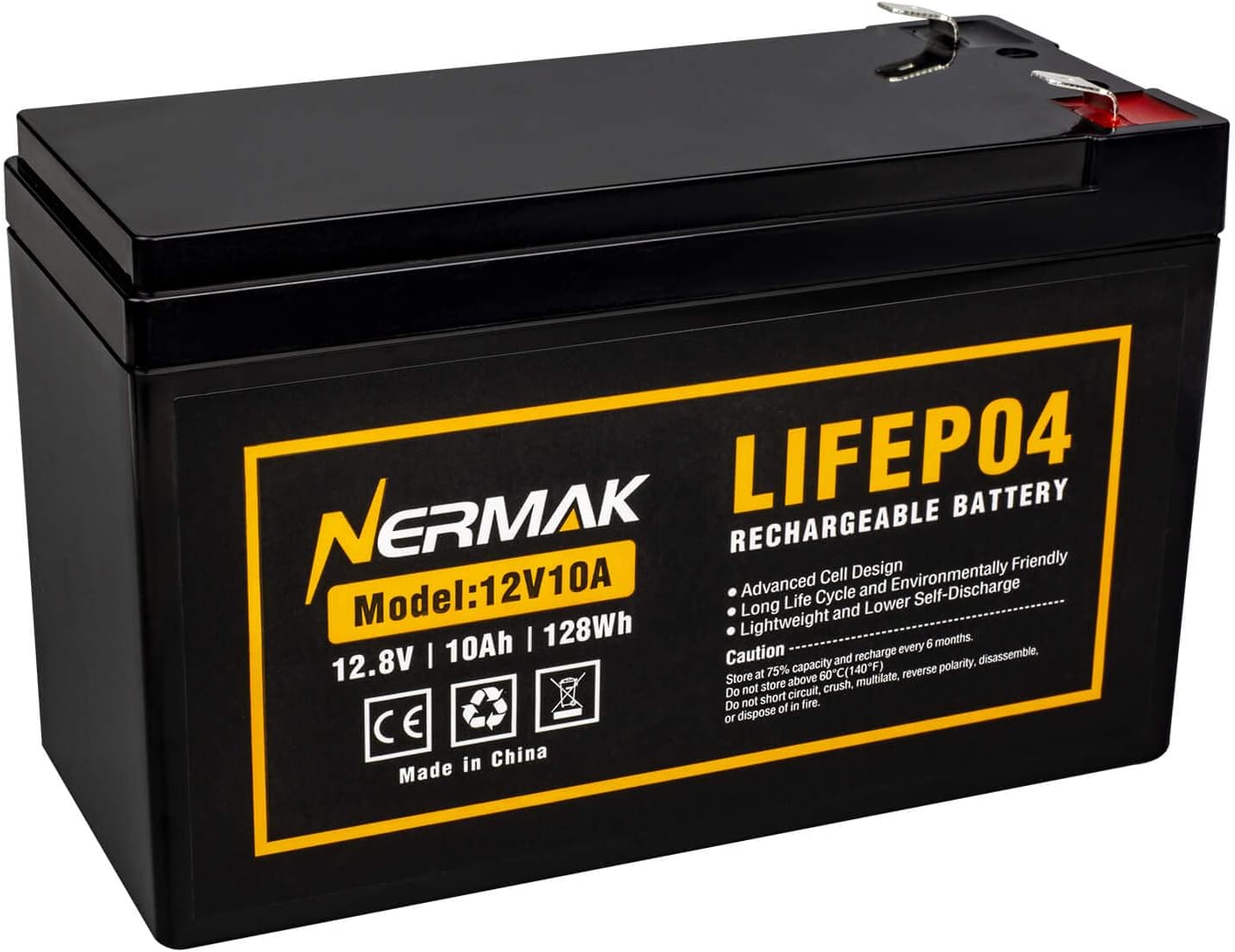
NERMAK 12V 10Ah LiFePO4 Deep Cycle Battery
4.4 (1,533 Amazon ratings)

NERMAK 12V 10Ah LiFePO4 Deep Cycle Battery

Quick verdict: NERMAK 12V 10Ah LiFePO4 Deep Cycle Battery is the #6 pick here, on 4.4-star Amazon buyer ratings (1,533 of them) and one clear job: most-reviewed lithium here.

Why It Stands Out

  • Rated 4.4 stars from 1,533 Amazon buyer ratings
  • Clear match for most-reviewed lithium here
  • Strong value for its price range
  • Direct Amazon link for current price and availability

Pros

  • Good fit for most-reviewed lithium here
  • 4.4-star Amazon buyer rating
  • Budget-friendly pick

Cons

  • May not cover every specialty technique
  • Advanced anglers may want a more specialized option

Best Situations

Most-reviewed lithium hereBeginnerValue BuyersQuick Buy
Difficulty
Beginner
Price Range
Price tier: budget
Recommended #7
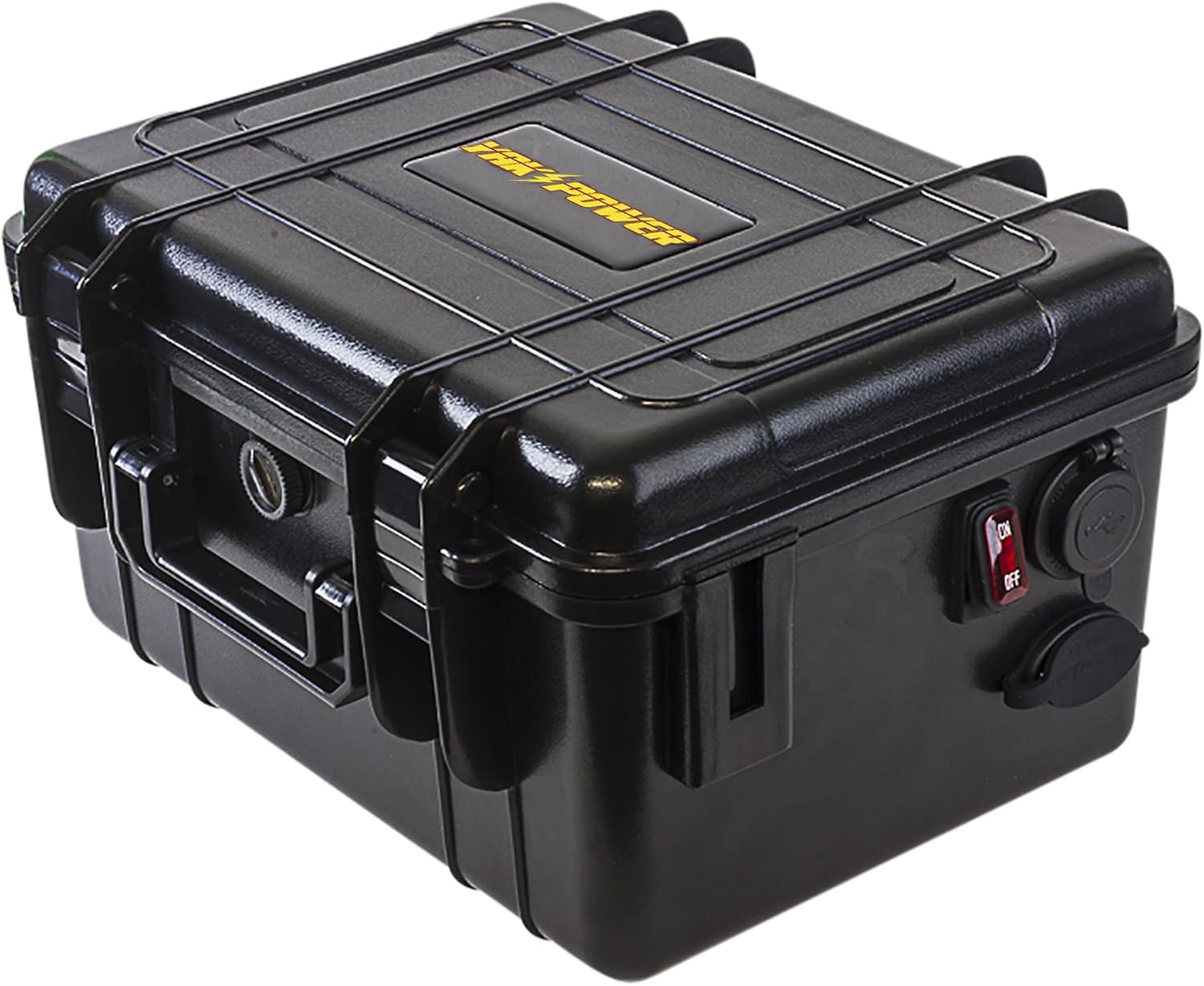
Yak-Power YP-BBK Power Pack Battery Box
4.6 (134 Amazon ratings)

Yak-Power YP-BBK Power Pack Battery Box

Quick verdict: Yak-Power YP-BBK Power Pack Battery Box is the #7 pick here, on 4.6-star Amazon buyer ratings (134 of them) and one clear job: keeping a kayak battery dry.

Why It Stands Out

  • Rated 4.6 stars from 134 Amazon buyer ratings
  • Clear match for keeping a kayak battery dry
  • Premium-capable performance for its price range
  • Direct Amazon link for current price and availability

Pros

  • Good fit for keeping a kayak battery dry
  • 4.6-star Amazon buyer rating
  • Performance-focused pick

Cons

  • Higher upfront price
  • Advanced anglers may want a more specialized option

Best Situations

Keeping a kayak battery dryBeginnerPremium SetupsQuick Buy
Difficulty
Beginner
Price Range
Price tier: premium
Buying Guide

What to Check Before You Buy

Start from the draw, not the battery

Find your unit's current draw in its manual, multiply by the hours you fish, then double it. The doubling covers screen brightness, cold and battery age, three things Garmin's own bundle sheet says change run time. For the PiranhaMAX 4 DI at 180 mA, a ten-hour day comes to about 3.6 amp-hours with that margin. A 7 Ah battery covers it.

Lead-acid or LiFePO4

Sealed lead-acid is cheap and forgiving, but heavy, and it lasts longer if you recharge it well before it is flat, so plan on using about half its label. LiFePO4 lithium weighs less for the same amp-hours and holds its voltage steadier as it drains. The catch is charging: the GOLDENMATE and NERMAK listings both call for a LiFePO4-compatible charger, and NERMAK warns an automatic lead-acid charger may not fill it.

Stay above the voltage floor

Fish finders stop working before a 12 V battery is truly empty. Humminbird's manual says the PiranhaMAX will not operate below 10 VDC. A small battery of its own, charged the night before, keeps you well clear of that, where a trolling motor battery shared with the sonar can sag toward it late in the day.

Fuse it and match the connectors

Garmin specifies a 3 A, 250 V fast-acting fuse for its STRIKER Plus and Vivid units, and Humminbird's Helix guide calls for a 3 A fuse and says it is not in the box. Put it on the red wire, close to the battery. Then check the terminals: the ExpertPower has F1 spade terminals, the TalentCell a DC barrel port. Your fish finder's power cable has to reach one of them, directly or through an adapter.

Fishing from a kayak?
Battery box

A loose battery in a kayak hull is a wet battery. Yak-Power's box is waterproof, has a 12 V power port and USB outlets on the outside, and per its listing holds up to three 7 Ah or two 12 Ah batteries. Budget for the battery as a separate line unless the listing you buy says it is included.

Ice fishing?
20 Ah

Cold cuts what any battery delivers, so size up. The ECO-WORTHY's 20 Ah covers a long day on the ice with room to spare, and its Bluetooth readout shows charge on your phone. Most LiFePO4 makers warn against charging below freezing, so bring it inside to charge.

Want it done in one box?
Full kit

The Nocqua Pro Power Kit is the one pick that arrives with its own charger (the listing photos also show a carry pouch and wiring harness), and its listing names Garmin, Lowrance and Humminbird as compatible brands. It costs more than a bare battery and saves the parts-store run.

Before the First Trip

Wiring a Battery to a Fish Finder

Do this at home with the battery charged, not at the ramp. It takes ten minutes and the order matters.

  1. 1

    Charge the battery fully

    Use the charger that matches its chemistry. A battery that starts the day half full is how a fish finder dies at 2 p.m.

  2. 2

    Fit the fuse to the red wire

    Put the inline fuse holder on the positive lead as close to the battery as you can, with the fuse your manual names. Garmin and Humminbird both call for 3 A on the units quoted here.

  3. 3

    Connect red to positive, black to negative

    Make the negative connection last when connecting and first when disconnecting. Tug each terminal to check it is tight.

  4. 4

    Power up on the bench

    Turn the unit on with the transducer out of the water and check it boots. Some units will not show depth without water under the transducer, so a boot and a menu screen is the test.

  5. 5

    Secure and cover it

    Box it or strap it where it cannot slide, and cover the terminals. On a kayak, keep it in a sealed box or a dry hatch.

Speak the Language

Fish Finder Power Terms

Amp-hour
The capacity number on a battery label. Divide it by your fish finder's draw in amps and you get the hours it can run in theory; use about half on lead-acid.
LiFePO4
Lithium iron phosphate, the lithium chemistry used in most 12 V drop-in batteries. Lighter than lead-acid for the same capacity, with steadier voltage as it drains.
Transducer
The part in the water that sends and hears the sonar. It shares the fish finder's power, so it is part of the draw the battery has to cover.
All 224 fishing terms, A to Z
Avoid These

Five Fish Finder Battery Mistakes

  • Buying a 100 Ah trolling-motor battery for a fish finder on its own. The published draws quoted here are all 1.5 A or less, and Garmin runs a STRIKER Plus 4 on 7 Ah.
  • Sizing the battery from the sonar watts on the box. The PiranhaMAX 4 DI sends 300 W RMS into the water and takes 180 mA from the battery.
  • Charging LiFePO4 on an old lead-acid charger and wondering why it never reads full. NERMAK's listing warns about exactly that.
  • Skipping the fuse because it powered up fine in the garage. Garmin and Humminbird both specify one, and Humminbird's Helix does not include it.
  • Running a lead-acid battery flat every trip. It will do it, and it will not last many seasons doing it.
Explore Individual Gear

Once you know which kit type fits your situation, dig into each gear category for in-depth picks and buying advice:

Full Catalog

Compare All 7 Fish Finder Batteries

Want to browse beyond the ranked picks? Filter and sort the full fish finder batteries listing below.

Best Fish Finder Batteries of 2026 — All Products

7 Products
FAQ

Frequently Asked Questions

Smaller than you think. Multiply the unit's current draw by the hours you fish and double it for margin. Humminbird lists the PiranhaMAX 4 DI at 180 mA, so a ten-hour day with margin is about 3.6 amp-hours. Garmin pairs its STRIKER Plus 4 ice bundle with a 7 Ah battery it says lasts up to 11 hours. A 7 to 10 Ah 12 V battery covers most small units for a day.

How We Choose Products

How These Picks Are Chosen

Reader-supported and free of paid placements. Every pick is ranked on published specs and Amazon buyer ratings, not on who pays us.

Spec Research

Each pick is compared on published specs, materials, design, and category fit across the major brands.

Practical Fit

Rankings factor in how well each product matches common freshwater fishing needs, not just popularity.

Amazon Buyer Ratings

Star ratings and review volume from Amazon buyers are factored in to reflect real-world satisfaction.

Value

A pick earns its spot by delivering useful performance for the money, whether budget or premium.

The battery is sorted.
Now pick the screen it powers.

If you fish from a jon boat or a small aluminum hull, our small-boat guide covers where the transducer can go on metal and what each unit draws.

See Small-Boat Fish Finders
See Top Picks