Best Fish Finders for Beginners of 2026 — freshwater fishing gear
Fish Finder Guide · 2026 Edition

Best Fish Finders for Beginners of 2026

Easy-to-read sonar and GPS units that show what's under the boat, from castable smartphone models to budget mounts, ranked for new anglers.

View Top PicksUpdated 2026-06-27 · Ranked from specs & buyer reviews
How to Choose

How to Choose Your First Fish Finder

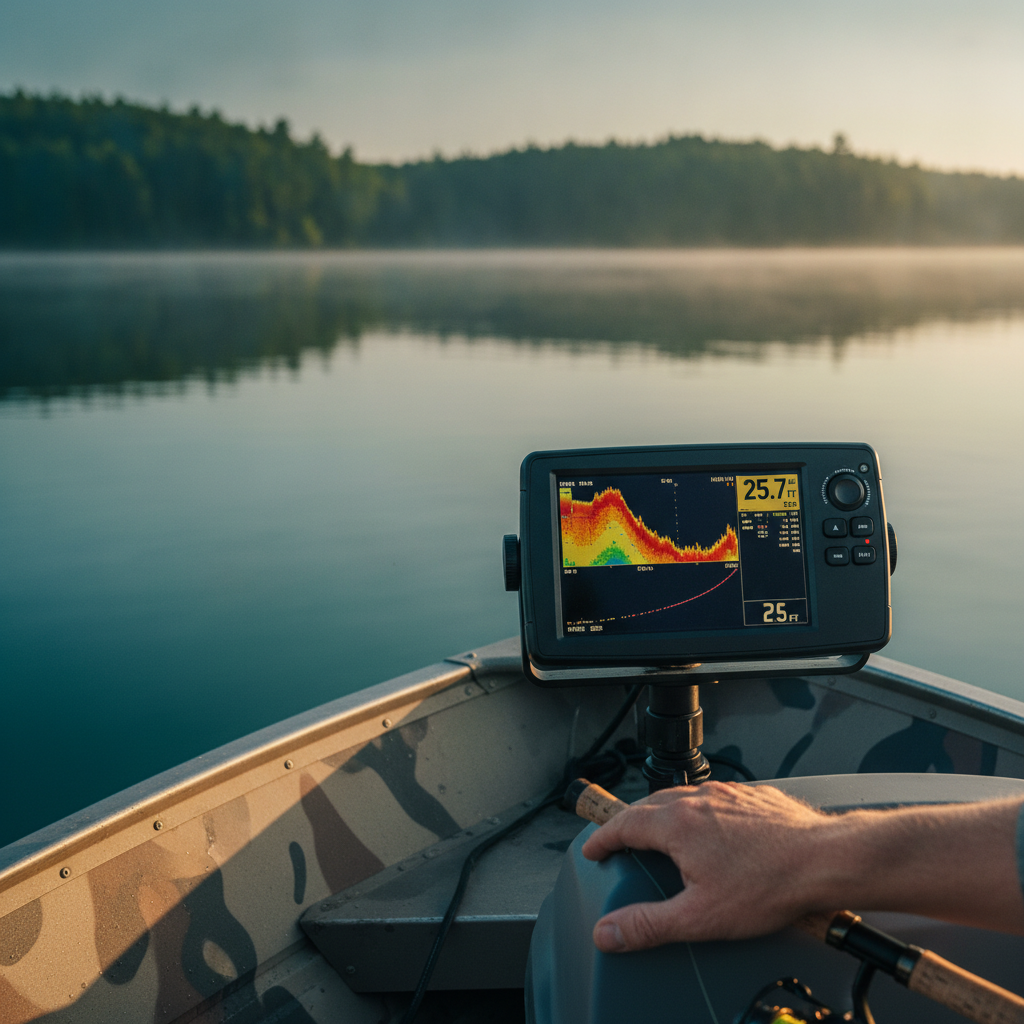
A fish finder turns the water from a blank surface into a picture. A small transducer pings sound down, times the echoes, and draws what's below: the depth, the bottom shape, the weed lines and drop-offs, and the arches that mean fish. For a beginner that is the difference between casting blind and casting at something. You do not need a $1,500 touchscreen to get there. The entry-level units below show depth, structure, and fish clearly enough to change how you fish a pond or a lake.

The first real decision is how the unit attaches to your fishing. A fixed-mount finder screws onto a boat or kayak and runs off a small battery, with the transducer riding under the hull. A castable finder is a sonar ball you tie to your line, cast out, and read on your phone, which means you can scan a bank or a dock with no boat at all. If you fish mostly from shore or a rented kayak, castable wins on convenience; if you own a boat, a mounted screen is easier to watch all day.

After form factor, two features matter more than the spec sheet wants you to believe: CHIRP sonar and GPS. CHIRP sweeps a range of frequencies instead of one, which separates a fish from the branch it's hiding next to and is included on most entry-level units. GPS lets you drop a waypoint on a spot that produced and motor back to it next week. Screen size and color help readability but won't catch fish on their own. The picks below cover mounted and castable units from Garmin, Humminbird, and Deeper, ranked by Amazon buyer ratings.

What to Look For

What Actually Matters on a Beginner Fish Finder

Fish finder spec sheets are full of numbers, but only a handful change how the unit fishes for a beginner. These are the ones worth checking before you buy. The first few are non-negotiable; the rest are nice upgrades.

CHIRP sonar

Essential

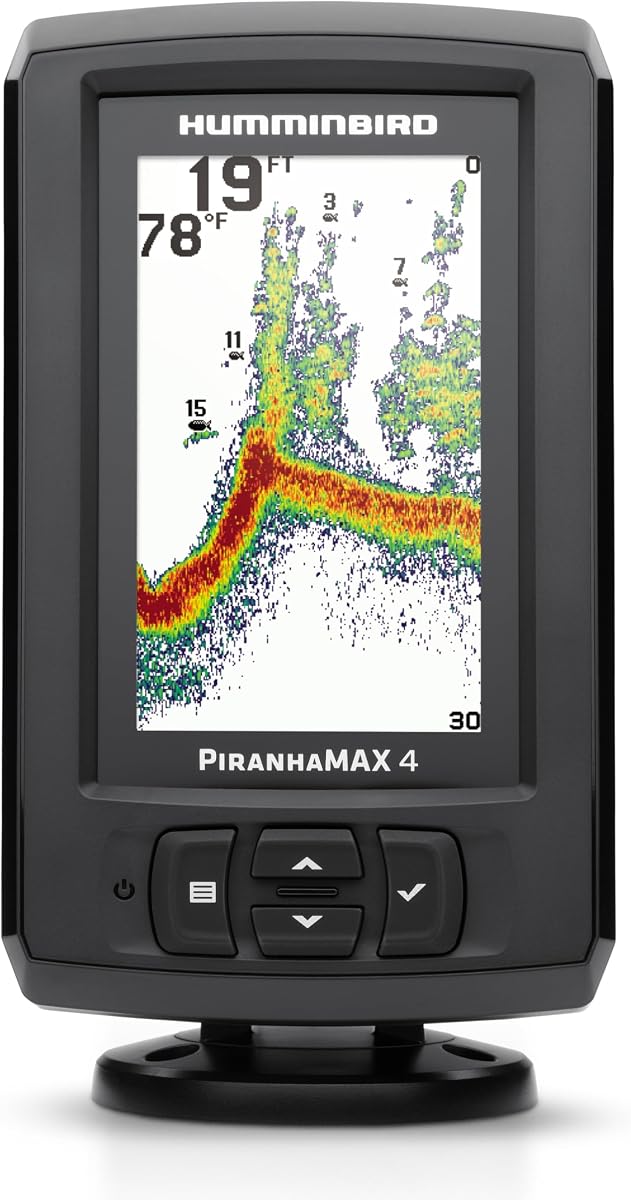
CHIRP sweeps a band of frequencies, giving cleaner fish arches and better separation than old single-frequency sonar. Most top picks here include it — the Humminbird PiranhaMAX 4 uses traditional dual-beam sonar, which still reads depth and fish clearly but with less target separation.

Transducer included

Essential

The transducer is the part that pings the water; a screen is useless without one. Mounted units include a transom or trolling-motor transducer in the box, and castable units are the transducer.

Readable color screen

Essential

A 3.5-to-5-inch color display is plenty for ponds and lakes and far easier to read in sun than old grayscale. Bigger screens help but cost more and draw more battery.

Power source

Essential

Mounted units need a small 12V battery, often a sealed lead-acid or lithium pack you buy separately. Castable units charge over USB. Plan the power before your first trip so you are not stuck on the bank.

Built-in GPS

Nice to Have

GPS marks waypoints on hot spots and the ramp and gets you back to them. Not mandatory, but few features add more day-to-day value, and basic waypoint GPS is cheap to step up to.

Down imaging

Nice to Have

ClearVü or down-imaging sonar gives near-photographic detail of brush, rock, and bait. It is the clearest way to tell real structure from a fuzzy blob, and worth it once you know you will use it.

Contour mapping

Nice to Have

Some units draw or load depth-contour maps so you can see drop-offs and humps at a glance. It is a genuine help on bigger water but overkill for a small home pond.

Waterproof rating

Nice to Have

Look for an IPX7 rating so rain and spray do not kill the unit. Every pick here handles weather, but it is worth confirming if you fish in a kayak that takes on water.

Pick Your Type

Three Kinds of Beginner Fish Finders

Fish finders for beginners come in three formats that fish very differently. Match the type to how and where you fish. That matters more than the brand on the screen.

Mounted sonar/GPS

$120-$320Boat & kayak owners

A small color screen mounts to your boat or kayak with the transducer under the hull. You watch depth and fish all day, and most add GPS waypoints. The standard first finder for anyone with a boat.

Castable sonar

$60-$200Shore & dock anglers

A sonar ball you tie to your line, cast out, and read on your phone over Wi-Fi or Bluetooth. No mount, no battery box, no boat. The easiest way to find fish from the bank, a pier, or a rental kayak.

Down-imaging combo

$180-$350Anglers who want detail

A mounted unit that adds ClearVü or down-imaging sonar for near-photographic structure detail, often with contour mapping. A step up once you can read basic 2D sonar and want a clearer picture.

Quick Picks

Top Three at a Glance

Short on time? Start with these top-rated fish finders picks.

Comparison Table

Every Pick, Side by Side

Best Overall
Best For
All-around freshwater sonar
Difficulty
Beginner
Price
$$$
Best Display & Imaging
Best For
Down-imaging clarity
Difficulty
Beginner
Price
$$$
Easiest to Use
Best For
Dead-simple operation
Difficulty
Beginner
Price
$$$
Recommended #4
Best For
Bank & kayak, no boat
Difficulty
Beginner
Price
$$$
Recommended #5
Best For
On-screen GPS mapping
Difficulty
Intermediate
Price
$$$
Recommended #6
Best For
Bank & kayak, no boat
Difficulty
Beginner
Price
$$$
The Lineup

6 Best Fish Finders, Compared

Detailed picks with verdicts, strengths, tradeoffs, and the situations where each one makes the most sense.

Best Overall
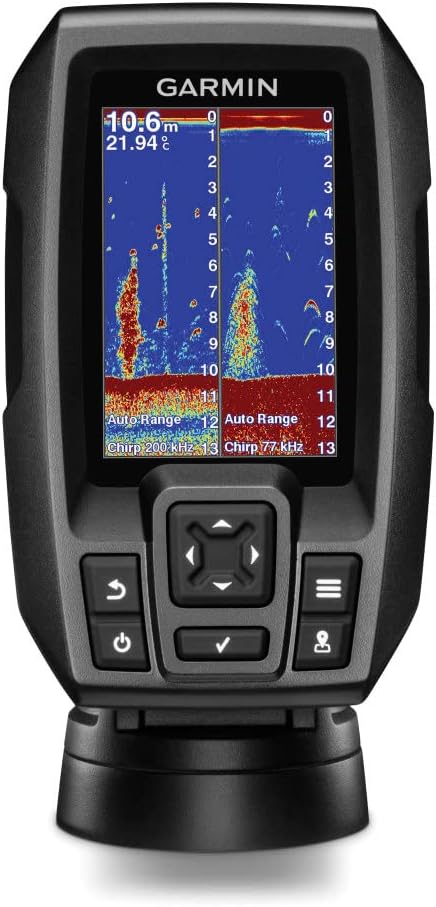
Garmin Striker 4 Fish Finder (3.5" GPS, CHIRP Sonar)
4.6 (9,278 Amazon ratings)

Garmin Striker 4 Fish Finder (3.5" GPS, CHIRP Sonar)

Quick verdict: Garmin Striker 4 Fish Finder (3.5" GPS, CHIRP Sonar) ranks in the top 1 by combining 4.6-star Amazon buyer ratings (9,278 ratings) with a clear practical role: all-around freshwater sonar.

Why It Stands Out

  • Rated 4.6 stars from 9,278 Amazon buyer ratings
  • Clear match for all-around freshwater sonar
  • Premium-capable performance for its price range
  • Direct Amazon link for current price and availability

Pros

  • Good fit for all-around freshwater sonar
  • 4.6-star Amazon buyer rating
  • Performance-focused pick

Cons

  • Higher upfront price
  • Advanced anglers may want a more specialized option

Best Situations

All-around freshwater sonarBeginnerPremium SetupsQuick Buy
Difficulty
Beginner
Price Range
$$$
Best Display & Imaging
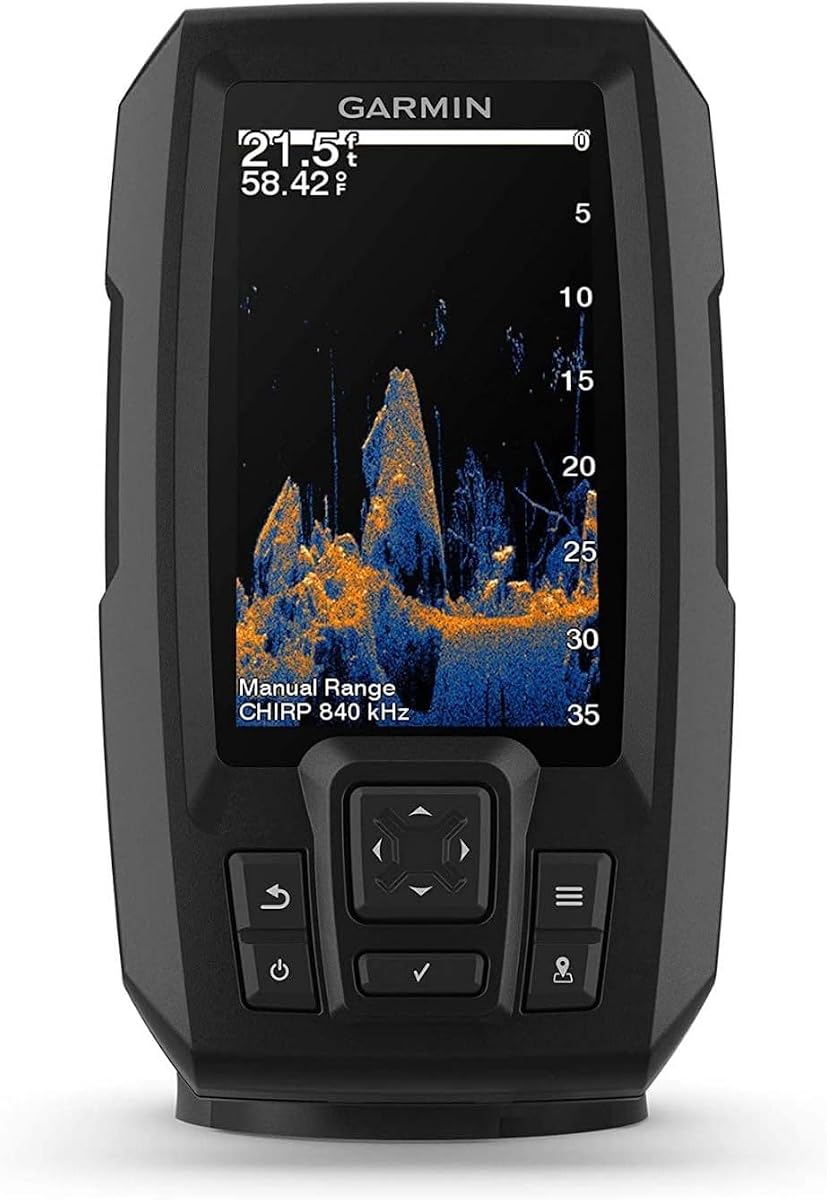
Garmin Striker Vivid 4cv Fish Finder (4" GPS, ClearVü)
4.7 (1,762 Amazon ratings)

Garmin Striker Vivid 4cv Fish Finder (4" GPS, ClearVü)

Quick verdict: Garmin Striker Vivid 4cv Fish Finder (4" GPS, ClearVü) ranks in the top 2 by combining 4.7-star Amazon buyer ratings (1,762 ratings) with a clear practical role: down-imaging clarity.

Why It Stands Out

  • Rated 4.7 stars from 1,762 Amazon buyer ratings
  • Clear match for down-imaging clarity
  • Premium-capable performance for its price range
  • Direct Amazon link for current price and availability

Pros

  • Good fit for down-imaging clarity
  • 4.7-star Amazon buyer rating
  • Performance-focused pick

Cons

  • Higher upfront price
  • Advanced anglers may want a more specialized option

Best Situations

Down-imaging clarityBeginnerPremium SetupsQuick Buy
Difficulty
Beginner
Price Range
$$$
Easiest to Use
Humminbird PiranhaMAX 4 Fish Finder (Dual Beam Sonar)
4.6 (1,285 Amazon ratings)

Humminbird PiranhaMAX 4 Fish Finder (Dual Beam Sonar)

Quick verdict: Humminbird PiranhaMAX 4 Fish Finder (Dual Beam Sonar) ranks in the top 3 by combining 4.6-star Amazon buyer ratings (1,285 ratings) with a clear practical role: dead-simple operation.

Why It Stands Out

  • Rated 4.6 stars from 1,285 Amazon buyer ratings
  • Clear match for dead-simple operation
  • Premium-capable performance for its price range
  • Direct Amazon link for current price and availability

Pros

  • Good fit for dead-simple operation
  • 4.6-star Amazon buyer rating
  • Performance-focused pick

Cons

  • Higher upfront price
  • Advanced anglers may want a more specialized option

Best Situations

Dead-simple operationBeginnerPremium SetupsQuick Buy
Difficulty
Beginner
Price Range
$$$
Recommended #4
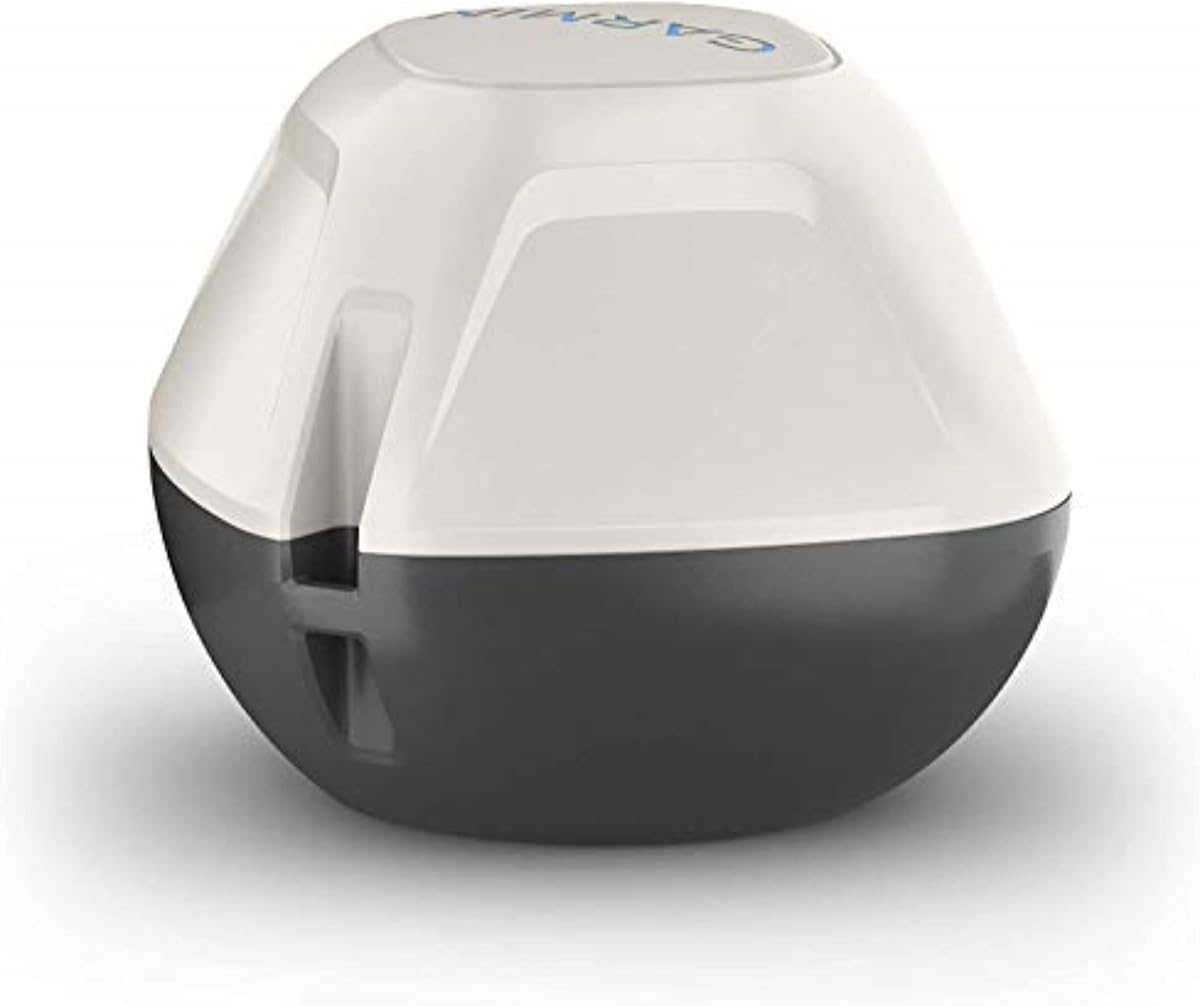
Garmin Striker Cast Castable Sonar (Smartphone)
4.5 (488 Amazon ratings)

Garmin Striker Cast Castable Sonar (Smartphone)

Quick verdict: Garmin Striker Cast Castable Sonar (Smartphone) ranks in the top 4 by combining 4.5-star Amazon buyer ratings (488 ratings) with a clear practical role: bank & kayak, no boat.

Why It Stands Out

  • Rated 4.5 stars from 488 Amazon buyer ratings
  • Clear match for bank & kayak, no boat
  • Premium-capable performance for its price range
  • Direct Amazon link for current price and availability

Pros

  • Good fit for bank & kayak, no boat
  • 4.5-star Amazon buyer rating
  • Performance-focused pick

Cons

  • Higher upfront price
  • Advanced anglers may want a more specialized option

Best Situations

Bank & kayak, no boatBeginnerPremium SetupsQuick Buy
Difficulty
Beginner
Price Range
$$$
Recommended #5
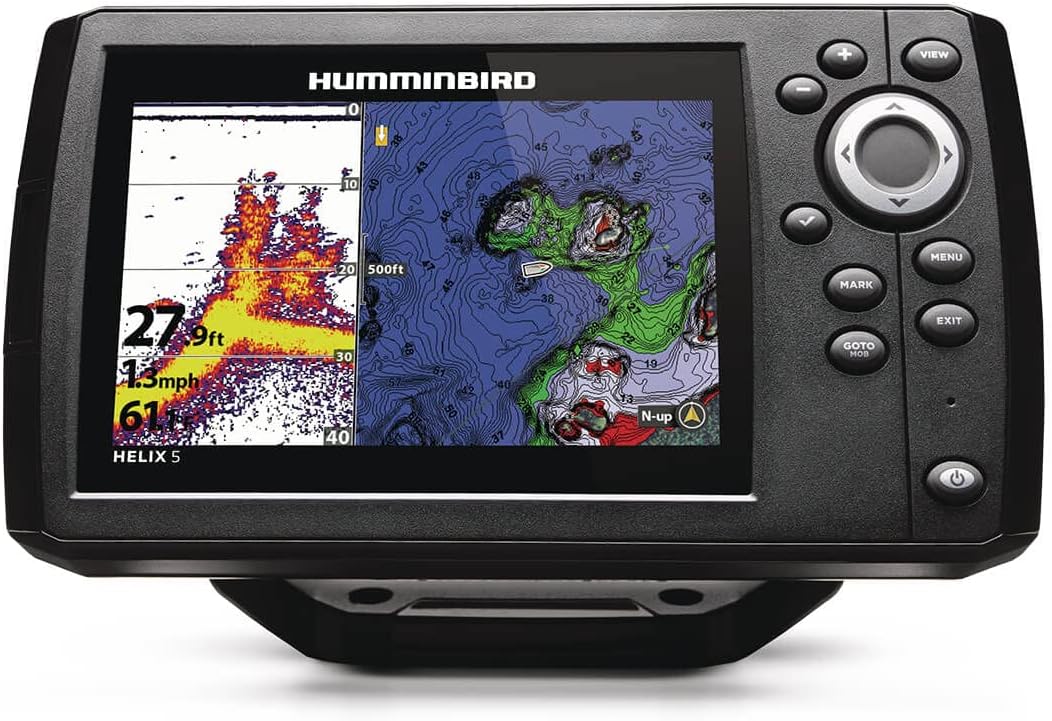
Humminbird Helix 5 CHIRP GPS G3 Fish Finder
4.5 (450 Amazon ratings)

Humminbird Helix 5 CHIRP GPS G3 Fish Finder

Quick verdict: Humminbird Helix 5 CHIRP GPS G3 Fish Finder ranks in the top 5 by combining 4.5-star Amazon buyer ratings (450 ratings) with a clear practical role: on-screen gps mapping.

Why It Stands Out

  • Rated 4.5 stars from 450 Amazon buyer ratings
  • Clear match for on-screen gps mapping
  • Premium-capable performance for its price range
  • Direct Amazon link for current price and availability

Pros

  • Good fit for on-screen gps mapping
  • 4.5-star Amazon buyer rating
  • Performance-focused pick

Cons

  • Higher upfront price
  • Takes more practice than beginner gear

Best Situations

On-screen GPS mappingIntermediatePremium SetupsQuick Buy
Difficulty
Intermediate
Price Range
$$$
Recommended #6
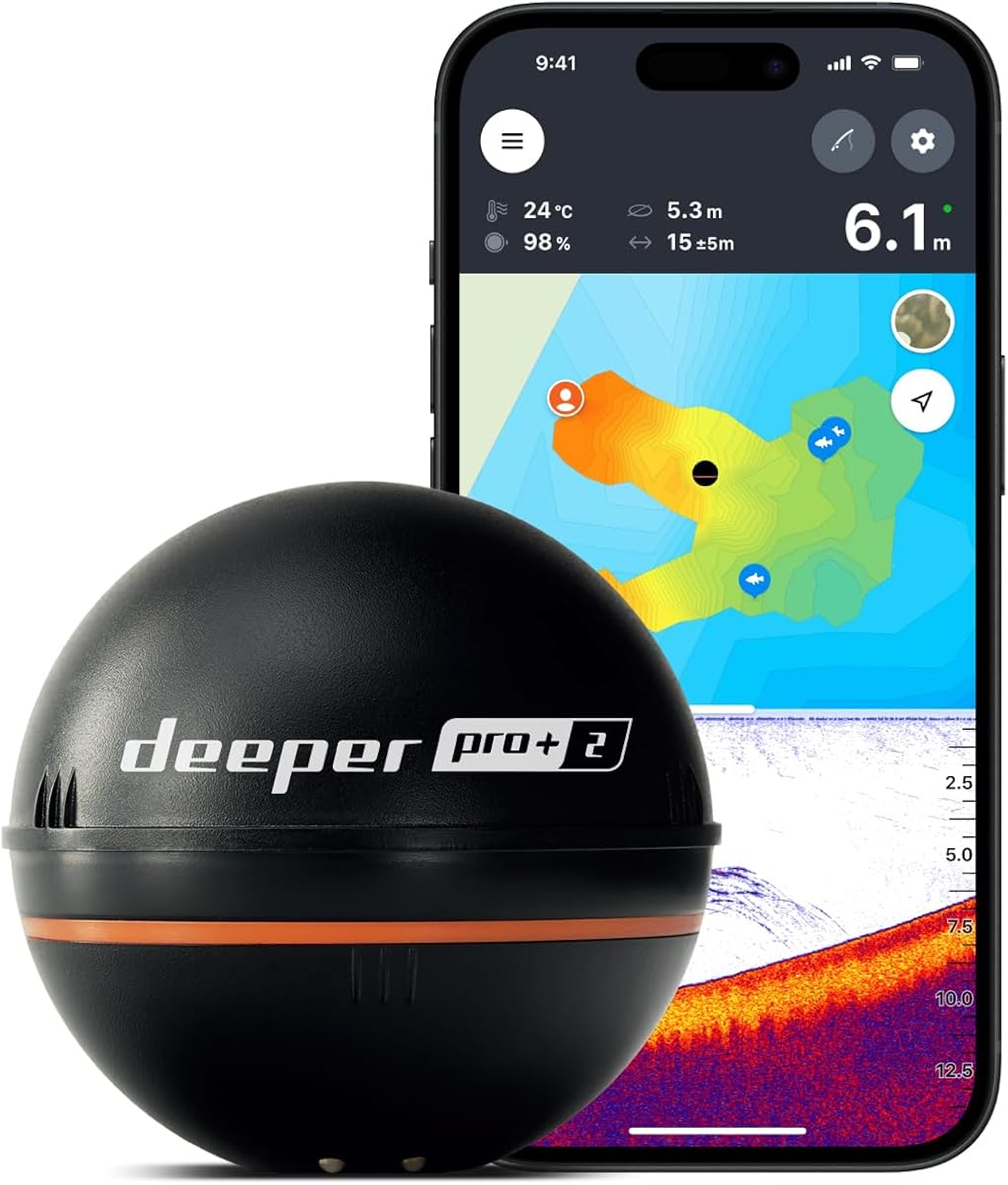
Deeper PRO+ 2 Castable Sonar with GPS
4.2 (806 Amazon ratings)

Deeper PRO+ 2 Castable Sonar with GPS

Quick verdict: Deeper PRO+ 2 Castable Sonar with GPS ranks in the top 6 by combining 4.2-star Amazon buyer ratings (806 ratings) with a clear practical role: bank & kayak, no boat.

Why It Stands Out

  • Rated 4.2 stars from 806 Amazon buyer ratings
  • Clear match for bank & kayak, no boat
  • Premium-capable performance for its price range
  • Direct Amazon link for current price and availability

Pros

  • Good fit for bank & kayak, no boat
  • 4.2-star Amazon buyer rating
  • Performance-focused pick

Cons

  • Higher upfront price
  • Advanced anglers may want a more specialized option

Best Situations

Bank & kayak, no boatBeginnerPremium SetupsQuick Buy
Difficulty
Beginner
Price Range
$$$
Buying Guide

What to Check Before You Buy

Pick the form factor first

A fixed-mount unit screws onto a boat or kayak and gives you a screen to watch all day. A castable sonar ball ties to your line and reads on your phone, so you can scan from shore with no boat at all.

Get CHIRP sonar

CHIRP sweeps a band of frequencies instead of a single one, so fish show up as distinct arches and separate cleanly from cover and bottom. Most picks here include it — check the specs before you buy, since some budget units still use traditional single-frequency sonar.

GPS is worth it

Built-in GPS lets you mark a productive spot, a brush pile, or the ramp and navigate back to it later. Even basic waypoint GPS quietly makes you a more consistent angler over a season.

Match screen and depth to your water

A 3.5-to-5-inch color screen is plenty for ponds and small lakes. Check the rated freshwater depth, but nearly every unit here reads far deeper than you will ever fish from a bank or small boat.

Best first finder
Mounted + GPS

A 3.5-to-4-inch CHIRP unit with GPS, like the Garmin Striker 4, shows depth, structure, and fish clearly and marks your spots without overwhelming a beginner.

No boat? Go castable
Castable sonar

A castable sonar ball ties to your line and pairs with your phone, so you can map depth and find fish from a bank, dock, or kayak with nothing to mount.

Want the clearest picture
Down imaging

Add ClearVü or down-imaging sonar when you want near-photographic detail of brush, rock, and bait. It helps you tell real structure from a fuzzy blob.

Get on the Water

Your First Trip With Sonar, Step by Step

A fish finder only helps if you know what its picture means. Here is the whole sequence, from powering up to reading an arch, and it assumes you have never used sonar before.

  1. 1

    Mount and power up

    Clamp a mounted transducer below the waterline and connect the unit to a charged 12V battery, or charge a castable unit over USB. Run a quick test in the driveway so nothing surprises you at the ramp.

  2. 2

    Read the depth first

    The big number is your depth, and the solid band across the bottom is the lake floor. Watch how that band rises and falls as you move; that is structure, and fish live where it changes.

  3. 3

    Find the bottom transition

    Cruise slowly and look for drop-offs, humps, and where a soft muddy bottom turns to hard rock. These edges concentrate fish far more reliably than open, featureless flats.

  4. 4

    Spot the arches

    A fish shows as an arch or a fat dot suspended off the bottom. Bigger, brighter marks are bigger or closer fish. A cloud of small marks is usually baitfish, and predators sit nearby.

  5. 5

    Mark the spot

    When sonar shows fish or great structure, drop a GPS waypoint, or on a castable note the landmark. Now you can return to the exact spot next trip instead of hunting for it again.

  6. 6

    Cast to what you see

    Put your bait at the depth the screen shows fish holding. Watching how fish react to your lure on the sonar teaches you more in one afternoon than a season of blind casting.

Speak the Language

Fish Finder Terms, Translated

Transducer
The puck that sends and receives the sonar pings. It mounts under the boat or, on a castable, is the float itself. No transducer, no picture.
CHIRP
Sonar that sweeps a range of frequencies instead of one. The payoff is sharper fish arches and better separation between a fish and nearby cover or the bottom.
Down imaging
High-frequency sonar (Garmin calls it ClearVü) that draws near-photographic, top-down detail of structure directly below the boat. Great for telling brush from rock.
Arch
The upside-down U a fish leaves on a 2D sonar screen as it passes through the cone. A full arch usually means a solid, decent-sized fish.
Waypoint
A GPS pin you drop on a spot worth remembering, like a brush pile or the ramp. Save them and the unit guides you back next time.
Cone angle
How wide the sonar beam spreads as it goes down. A wider cone covers more water but with less detail; a narrow cone sees a smaller, sharper slice.
Avoid These

Five Fish Finder Mistakes to Skip

  • Overspending on a big side-imaging touchscreen before you can read a basic 2D arch, when a $140 CHIRP unit teaches the same fundamentals.
  • Forgetting the battery. A mounted unit needs a 12V power source, and a dead one at the ramp ends the trip before it starts.
  • Mounting the transducer above the waterline or at a bad angle, which gives you a garbled screen and no usable bottom reading.
  • Buying a castable model with no plan for your phone, then losing the signal or a dead battery and being left with nothing to read.
  • Staring at the screen all day instead of fishing. The sonar points you at structure and depth; you still have to put a bait where the fish are.
Explore Individual Gear

Once you know which kit type fits your situation, dig into each gear category for in-depth picks and buying advice:

Full Catalog

Compare All 6 Fish Finders

Want to browse beyond the ranked picks? Filter and sort the full fish finders listing below.

Best Fish Finders for Beginners of 2026 — All Products

6 Products
FAQ

Frequently Asked Questions

No, but it shortens the learning curve a lot. A fish finder shows you depth, bottom structure, and where fish are holding, so instead of casting blindly you can target drop-offs, weed lines, and schools. On unfamiliar water it pays for itself fast.

How We Choose Products

How These Picks Are Chosen

Reader-supported and free of paid placements. Every pick is ranked on published specs and Amazon buyer ratings, not on who pays us.

Spec Research

Each pick is compared on published specs, materials, design, and category fit across the major brands.

Practical Fit

Rankings factor in how well each product matches common freshwater fishing needs, not just popularity.

Amazon Buyer Ratings

Star ratings and review volume from verified Amazon buyers are factored in to reflect real-world satisfaction.

Value

A pick earns its spot by delivering useful performance for the money, whether budget or premium.

Stop guessing where the fish are.
Let the sonar do the looking.

See how mounted and castable sonar compare, and which features are worth paying for on your first unit.

View Beginner Guides
See Top Picks