Black Diamond Spot 400-R Rechargeable Headlamp
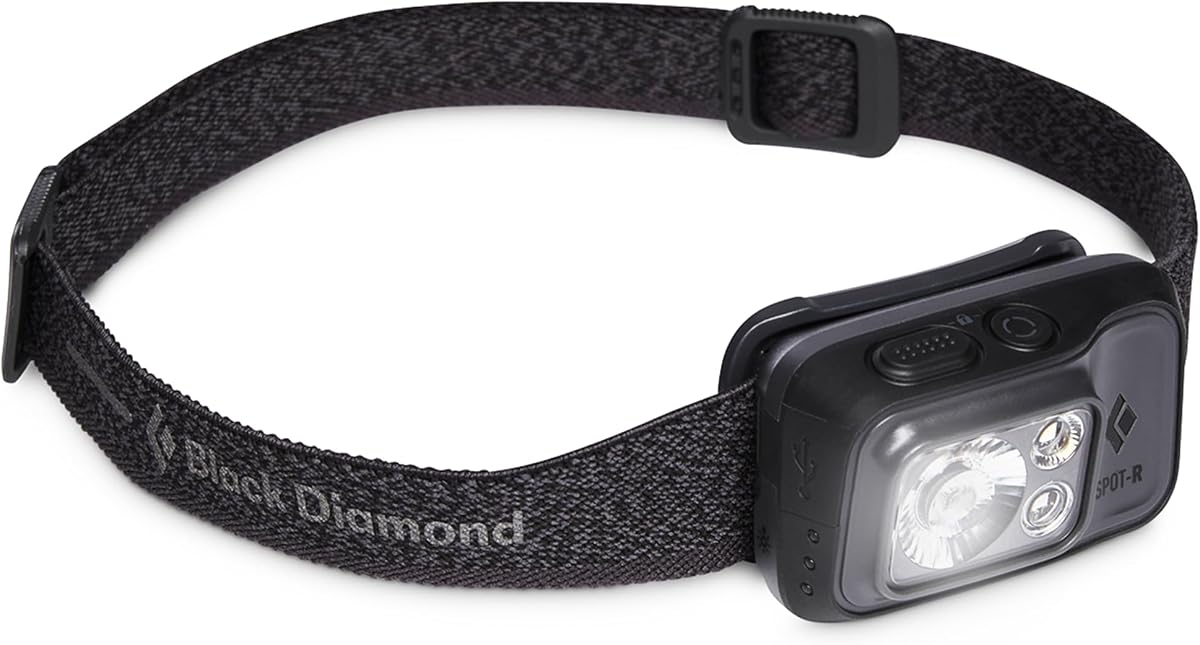
Black Diamond Spot 400-R Rechargeable Headlamp ranks in the top 1 by combining 4.5-star Amazon buyer ratings (364 ratings) with a clear practical role: all-around night fishing.
Check Price
A hands-free beam for the pre-dawn launch, the tackle re-tie, and the walk back to the truck. Rechargeable picks, most with a red mode to save your night vision.
A headlamp is the piece of gear you forget you need until the sun drops and you're trying to tie on a jig by the glow of your phone. Fishing runs on the edges of the day: the pre-dawn launch, the last hour after sunset when the bite turns on, the walk back to the truck across an unlit bank. A good headlamp keeps both hands free for the rod and the knot while it lights the work, which a flashlight clenched in your teeth never quite manages.
Three things matter more than the headline lumen count. First, a red-light mode: red preserves the night vision you spend twenty minutes building up, and it's far less likely to spook fish in shallow, clear water than a blast of white. Second, water resistance, since a headlamp lives in spray, rain, and the occasional drop. An IPX4 rating shrugs off rain; IP67 survives a full dunk. Third, rechargeable batteries, because a USB-C lamp you top off in the truck beats hunting for spare AAAs in the dark. Roughly 300 to 500 lumens covers almost everything an angler does; you want a low, dim setting for tackle work at least as much as a bright one for finding your way.
Beyond that, comfort and battery life decide whether you actually wear it. A light, well-balanced lamp on a soft strap disappears on your forehead; a heavy one gives you a headache by the second hour. The picks below run from a budget workhorse to a 1200-lumen do-everything light, and cover ultralight bank lamps and brighter boat setups, ranked with the highest buyer ratings and best fishing fit up top.

Headlamp listings brag about turbo modes and huge lumen numbers. Only a few features change whether the lamp is genuinely good for fishing. Here's what to check before you buy, from must-haves to nice extras.
The most important feature for a fishing headlamp. Red preserves your night vision and is far less likely to spook shallow-water fish than white light, so you can re-tie and work tackle without blinding yourself.
A headlamp lives in rain and spray and gets dropped. IPX4 handles weather; IP66 or IP67 survives a soaking or a dunk. Skip any lamp that doesn't publish a rating.
A genuinely dim mode for close-up tackle work matters as much as a bright one. If the lowest setting still lights up the whole dock, it'll wreck your night vision every time you look down.
A USB-C lamp you charge between trips is always ready and cheaper to run than one that eats AAAs. Check the runtime on a medium setting, not just the max-lumen headline.
A light lamp on a soft strap disappears on your forehead; a heavy one gives you a headache by hour two. Nice to have, but comfort follows the red mode and water resistance.
A wide flood lights the bank and your gear; a tight spot throws far for spotting a distant marker or shoreline. A lamp that does both is handy, but a good flood covers most fishing.
A tilting housing aims the beam down at your hands, and a lockout mode stops the lamp switching on and draining in your bag. Small conveniences that add up over a season.
Some lamps run on their rechargeable pack or on standard batteries. Worth it for multi-day or cold-weather trips, where you can swap in fresh cells anywhere; overkill for an evening session.
"Headlamp" covers a few distinct tools. Match the type to how and when you fish, and a good red mode with a solid water rating will do more for you than the brand printed on the housing.
A tiny USB-C lamp that all but disappears on your head, with 300-400 lumens and a red mode. The default choice for anyone who walks to the water and works light tackle.
An inexpensive rechargeable with red and white LEDs and an IPX4 rating. Not the lightest or brightest, but plenty for early starts and a smart first buy or backup.
500-1200 lumens with a longer throw and often a wider flood, for lighting a launch, a big deck, or a far bank. Heavier and thirstier, so you run it low most of the time.
Runs on its rechargeable pack or standard batteries so you're never stranded. The right call for long, remote, or freezing trips where you can't rely on a charger.
Short on time? Start with these top-rated fishing headlamps picks.

Black Diamond Spot 400-R Rechargeable Headlamp ranks in the top 1 by combining 4.5-star Amazon buyer ratings (364 ratings) with a clear practical role: all-around night fishing.
Check Price
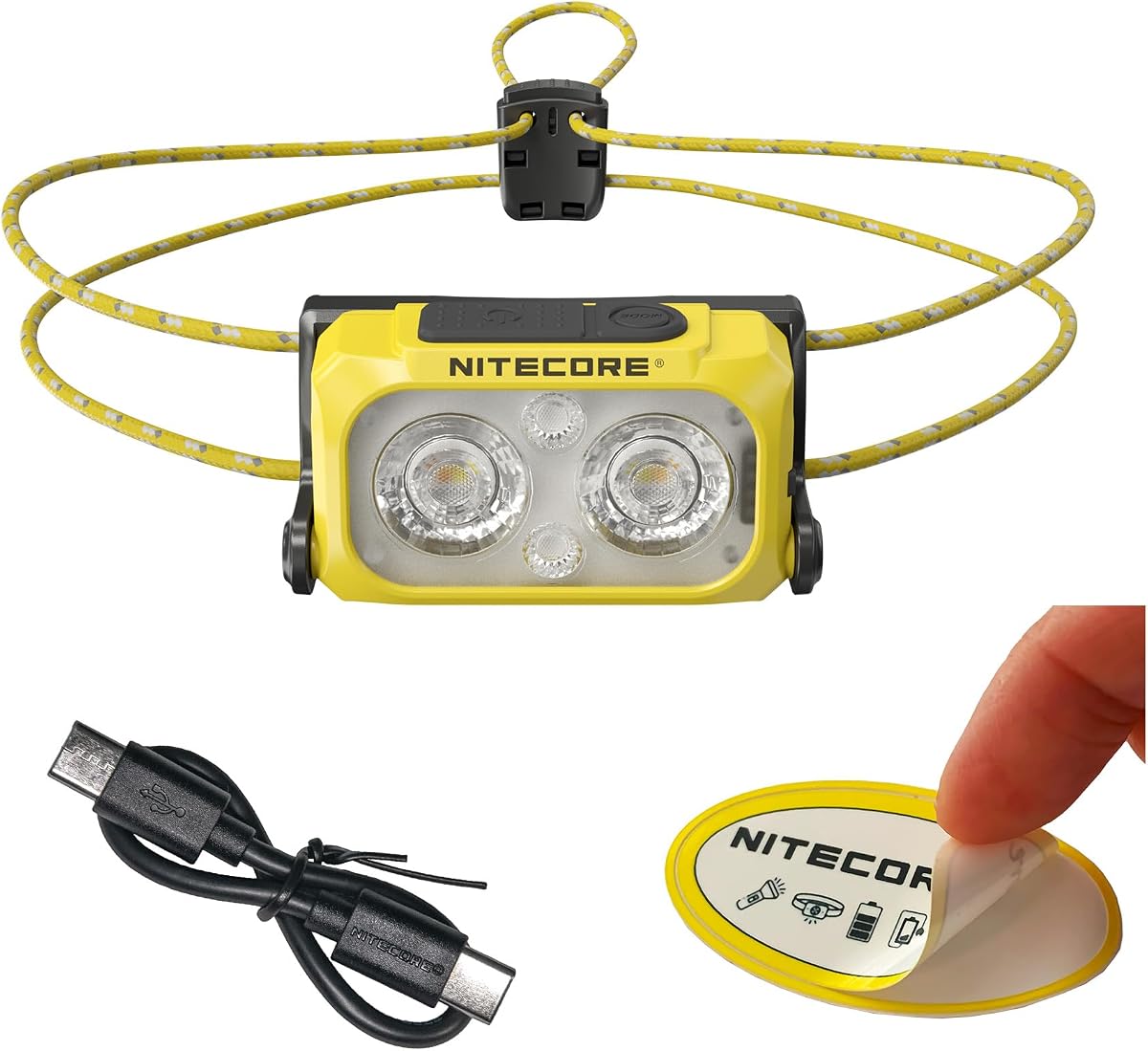
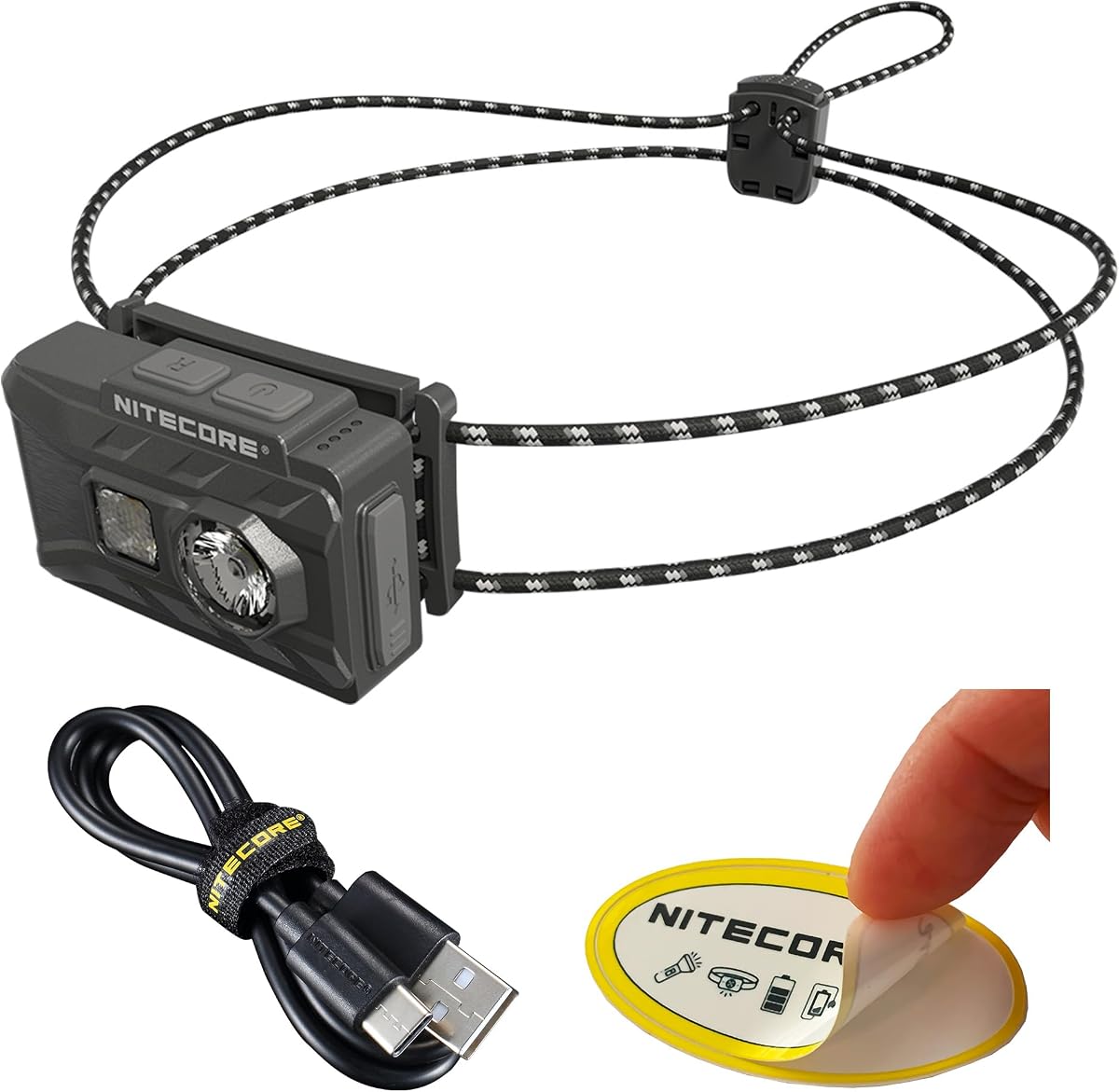
Nitecore NU25 400 UL Ultralight Rechargeable Headlamp ranks in the top 2 by combining 4.8-star Amazon buyer ratings (1,107 ratings) with a clear practical role: ultralight bank & wading.
Check Price
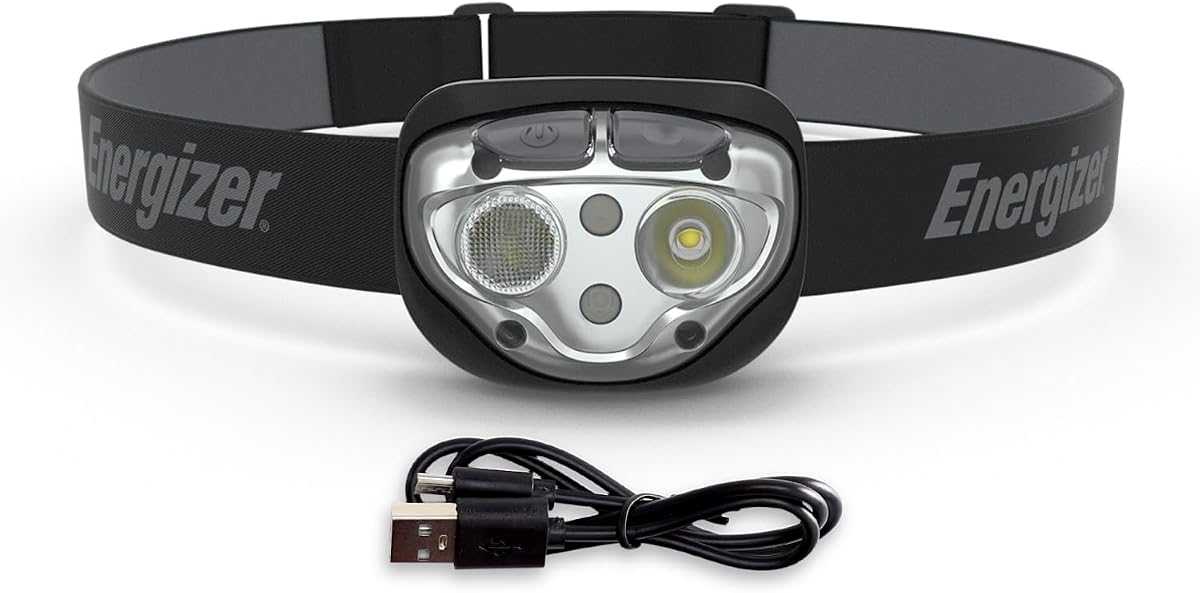
Energizer PRO-400 Rechargeable Headlamp ranks in the top 3 by combining 4.5-star Amazon buyer ratings (6,581 ratings) with a clear practical role: best-value first light.
Check PriceDetailed picks with verdicts, strengths, tradeoffs, and the situations where each one makes the most sense.

Quick verdict: Black Diamond Spot 400-R Rechargeable Headlamp ranks in the top 1 by combining 4.5-star Amazon buyer ratings (364 ratings) with a clear practical role: all-around night fishing.

Quick verdict: Nitecore NU25 400 UL Ultralight Rechargeable Headlamp ranks in the top 2 by combining 4.8-star Amazon buyer ratings (1,107 ratings) with a clear practical role: ultralight bank & wading.

Quick verdict: Energizer PRO-400 Rechargeable Headlamp ranks in the top 3 by combining 4.5-star Amazon buyer ratings (6,581 ratings) with a clear practical role: best-value first light.

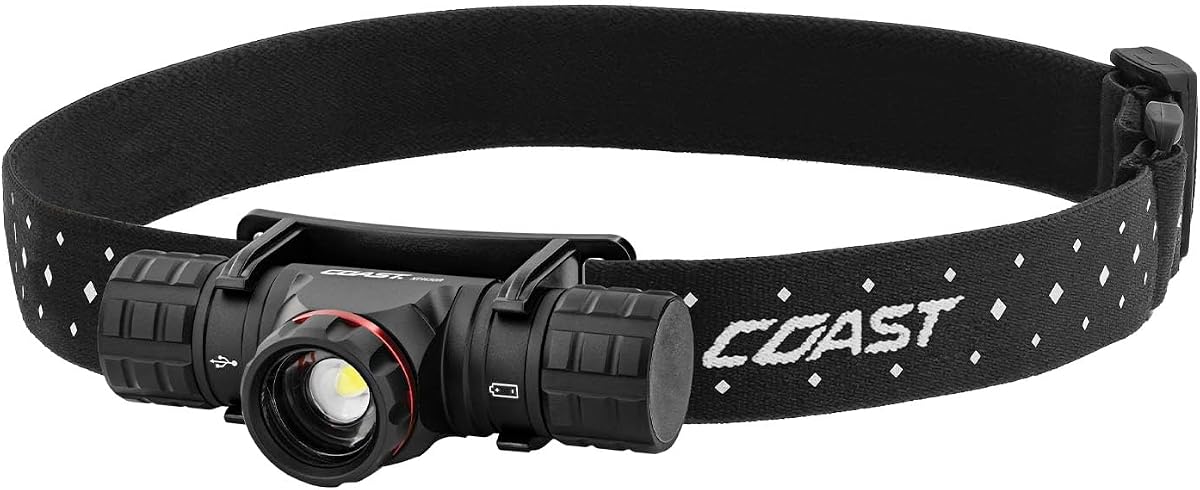
Quick verdict: Coast XPH30R 1200-Lumen Rechargeable Headlamp ranks in the top 4 by combining 4.7-star Amazon buyer ratings (5,343 ratings) with a clear practical role: boats & lighting big water.

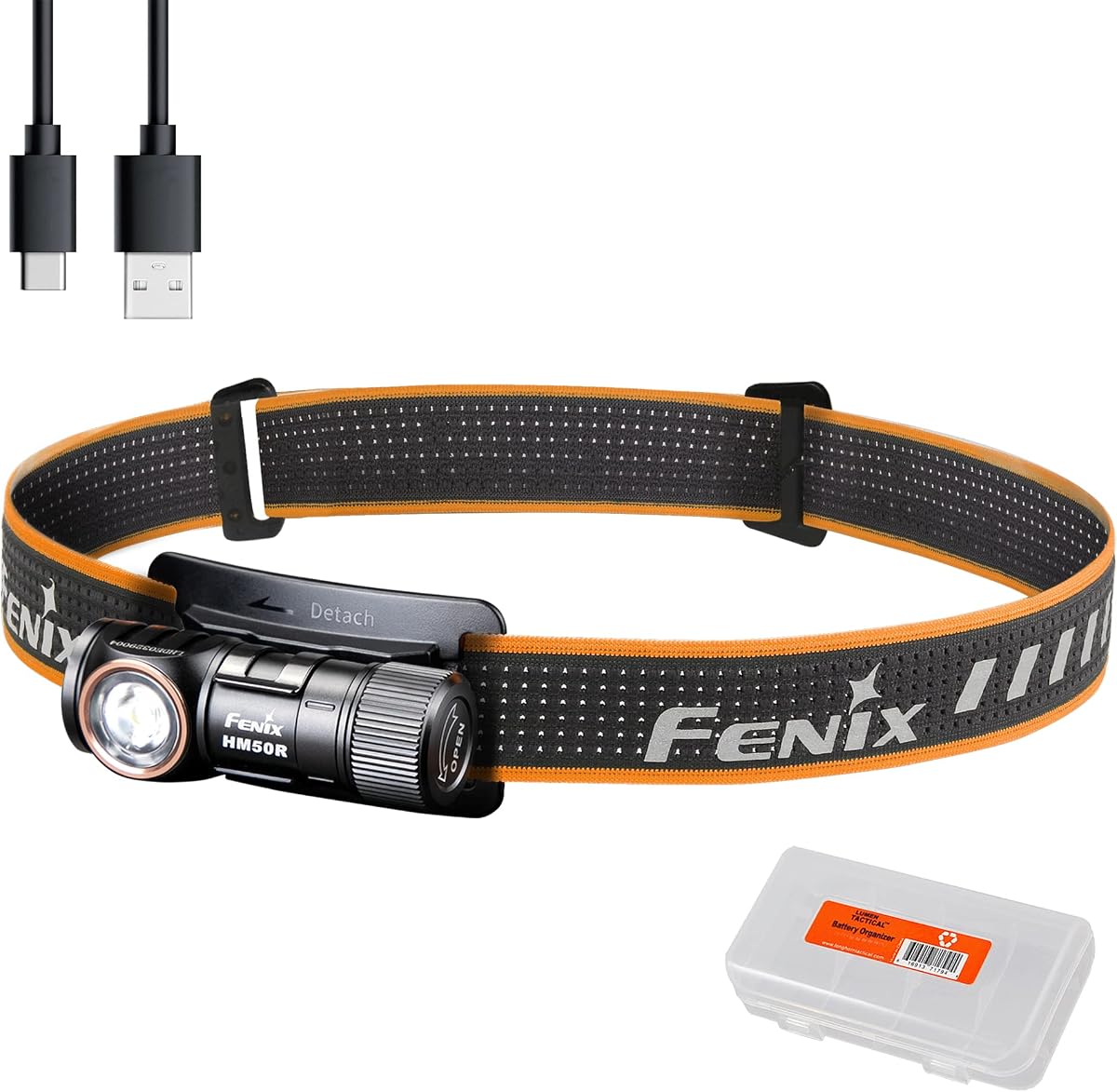
Quick verdict: Fenix HM50R v2.0 700-Lumen Rechargeable Headlamp ranks in the top 5 by combining 4.6-star Amazon buyer ratings (321 ratings) with a clear practical role: bright bank sessions.

Quick verdict: Nitecore NU20 Classic Ultralight Rechargeable Headlamp ranks in the top 6 by combining 4.8-star Amazon buyer ratings (538 ratings) with a clear practical role: sub-$25 rechargeable.
A red LED preserves the night vision you built up over twenty minutes and is far less likely to spook fish in clear, shallow water than white light. It's the one feature worth insisting on for a fishing headlamp.
A headlamp lives in spray and rain and gets dropped. IPX4 handles rain and splash; IP66 or IP67 survives a heavy soaking or a full dunk. Match the rating to whether you fish from a wet kayak or a dry bank.
A USB-C rechargeable lamp you top off in the truck or off a power bank beats digging for spare AAAs in the dark. Check the runtime on a medium setting, since max brightness drains any battery fast.
300 to 500 lumens covers most fishing. Just as important is a genuinely dim low setting for tackle work up close, plus a wider flood for the bank rather than a narrow spot that lights one small circle.
A red-light setting lets you re-tie and dig through a tackle tray without blinding yourself or your buddy, and keeps skittish shallow-water fish from scattering.
Most anglers never need more than 500 lumens. A usable low setting for close work matters more than a bright turbo mode you'll rarely switch on.
A rechargeable lamp you charge between trips is always ready. Look for USB-C and a runtime on medium that outlasts a long session before it dims.
A headlamp only helps if you use it in a way that keeps your night vision and doesn't scatter the fish. Here's the whole routine, from the pre-dawn launch to charging it back up.
Top the lamp off fully the night before. A rechargeable light left half-charged in the tackle bag is the one that dies an hour into the good bite.
Switch to red for tying knots and digging through trays. It keeps your eyes adjusted to the dark and won't send skittish shallow fish bolting for cover.
Point the light at your hands, the deck, or the bank, not out across the water. Sweeping bright white over a spot you're about to fish is the fastest way to spook it.
Save the bright white setting for the walk in, netting a fish, or finding a dropped lure. The rest of the time, a dim red or low white does the job and saves battery.
If your lamp has a lockout, use it so the switch can't get bumped on and drain the battery. Otherwise loosen the strap or pop a battery so it can't turn itself on.
After the trip, wipe off spray and grime, dry the lamp, and put it back on the charger. Two minutes of care keeps the seals and switch working for years.
Once you know which kit type fits your situation, dig into each gear category for in-depth picks and buying advice:
Want to browse beyond the ranked picks? Filter and sort the full fishing headlamps listing below.


Red light preserves your night vision, so you can keep seeing in the dark after you look at a bright screen or tie a knot. It also spooks fish far less than white light in clear, shallow water, which matters when you're wading or fishing close to the bank at night. Most anglers use the red mode for tackle work and re-tying, and switch to white only when they need to move or land a fish.
Reader-supported and free of paid placements. Every pick is ranked on published specs and Amazon buyer ratings, not on who pays us.
Each pick is compared on published specs, materials, design, and category fit across the major brands.
Rankings factor in how well each product matches common freshwater fishing needs, not just popularity.
Star ratings and review volume from verified Amazon buyers are factored in to reflect real-world satisfaction.
A pick earns its spot by delivering useful performance for the money, whether budget or premium.

Our beginner guides cover the gear that makes an early start or a night session easier, from the right light to the first cast.
View Beginner Guides