
Best Overall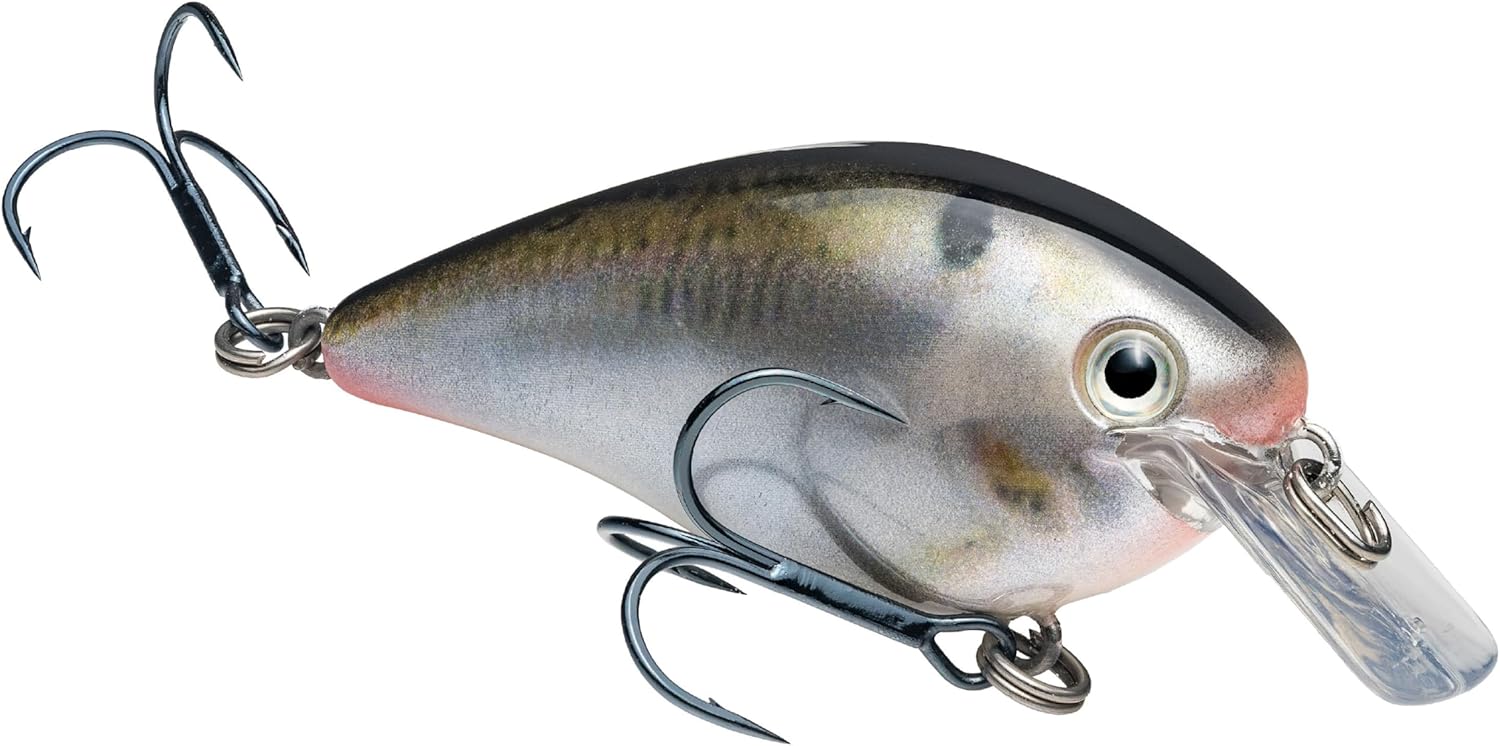
4.7
Strike King KVD 1.5 Square Bill Crankbait
ASIN B00N4OD6U0Strike King KVD 1.5 Square Bill Crankbait is the #1 pick here, on 4.7-star Amazon buyer ratings (1,267 of them) and one clear job: shallow cover & deflection.
Check Price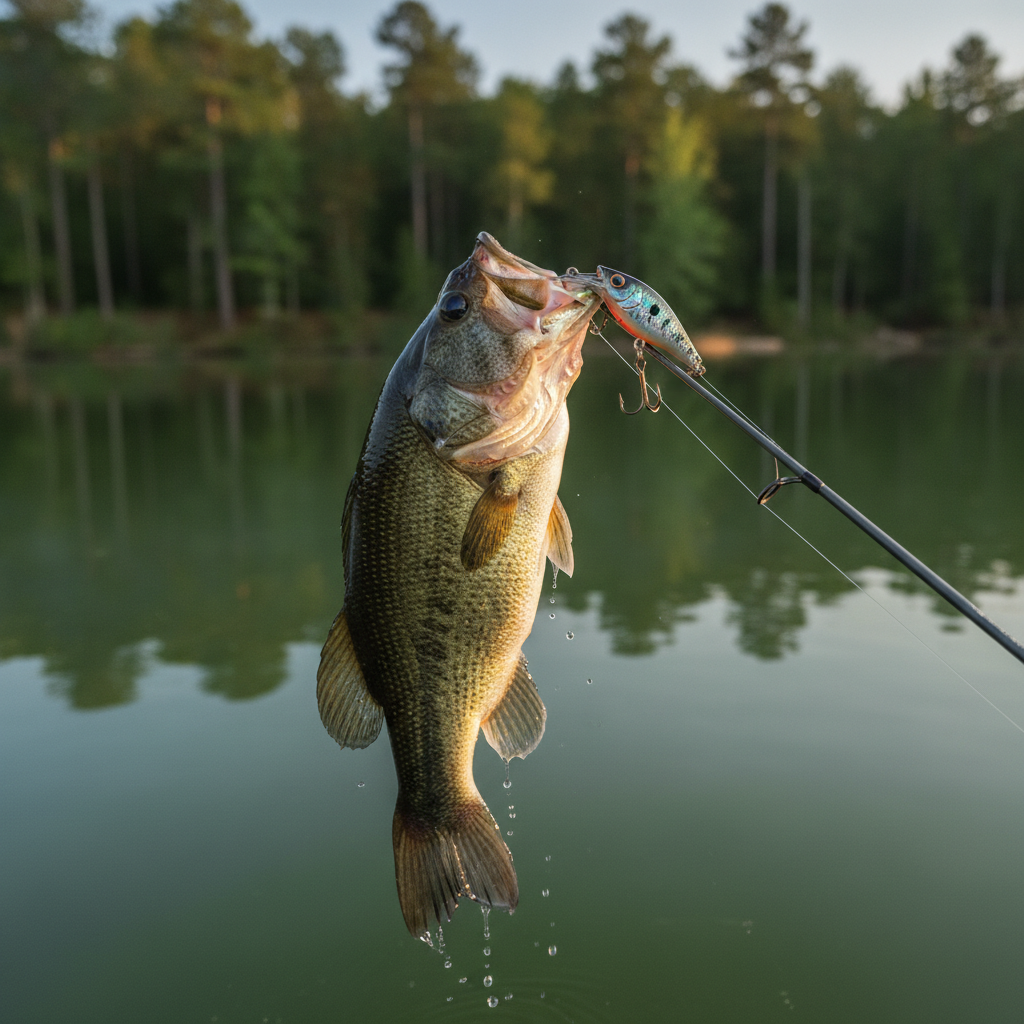
A crankbait is how you cover water fast and find out where the bass are holding. These seven cover the depth ranges that matter in freshwater, from a squarebill that digs two feet down to a deep diver that reaches twelve, plus lipless baits for grass and a flat-side for cold water. Crankbaits are the cheapest way to add a depth range you cannot otherwise fish.
A crankbait is a search tool. You tie one on when you do not yet know where the fish are, and you use it to cover a long stretch of bank, a weed flat, or an offshore hump in a fraction of the time a worm would take. You cast it out, reel it back, and the bill on the front makes it dig, wobble, and bang into whatever it hits. When a bass finally eats one, you have learned two things at once: there are fish here, and this is the depth they are sitting at.
Which crankbait you pick comes down almost entirely to depth and cover. A squarebill has a short, blunt lip that dives two to five feet and deflects off rock, stumps, and laydowns instead of hanging in them, which makes it the shallow-water workhorse. A lipless bait has no lip at all: it sinks, rattles hard, and lets you fish it at any depth by counting it down, which is why it rules grass flats and cold-water schools. A medium diver runs roughly five to ten feet along breaklines. A deep diver has a long lip that pulls it down past ten feet to reach offshore structure. Flat-sided baits have a tighter, subtler wiggle that shines when the water is cold and clear and a wide-wobbling bait is too much.
The details that separate a bait you keep tying on from one that sits in the tray are hook quality, whether it deflects instead of snagging, and how true it runs. Stock trebles on a cheap crankbait bend on the first good fish, and a bait that runs off to one side will not track where you cast it. The picks below are the classics that have earned their reputation over decades, span the range from two feet down to twelve, and are ranked with the highest buyer ratings and widest usefulness up top.
Crankbait packaging sells paint jobs and holographic finishes. Only a handful of things decide whether a bait actually catches fish and survives the season. Here is what to check, from the must-haves to the nice extras.
You are buying a depth range, so the bait should tell you what it is. Any crankbait worth owning lists its dive depth on the package or in the model name. If you cannot tell how deep it runs, you cannot put it in front of fish on purpose.
Crankbaits hook fish on two small trebles with no hard hookset behind them, so hook quality decides how many bites become fish. Cheap wire bends on the first heavy bass. Upgrading the stock hooks on a budget bait costs a few dollars and fixes most losses.
A bait that veers left or right will not track where you cast it and will not deflect properly off cover. Good crankbaits swim straight on a fast retrieve right out of the box. A bait that runs off can often be tuned by gently bending the line tie the opposite way.
The shape of the bill decides whether the bait bounces off a stump or wedges under it. Squarebills excel here by design. If you fish rock, wood, and laydowns, a blunt, wide lip will save you a lot of lures and trigger a lot more strikes.
Rattle chambers add noise that helps bass find the bait in stained water, wind, or heavy grass. In very clear, cold water or on pressured lakes, a silent bait sometimes draws more bites, so it helps to carry both loud and quiet versions.
Balsa baits like the Shad Rap have a livelier, more erratic action and float up faster on the pause, which is deadly in cold water. They cast less well than dense plastic baits, so they are a specialty tool rather than a first purchase.
"Crankbait" covers several very different tools sorted mostly by how deep they run. Match the type to the depth and cover you are fishing, and the bait will do most of the work.
A short, blunt, square lip that dives just a few feet and bounces off cover instead of burying in it. The easiest crankbait to learn on and the one most anglers throw the most. The Strike King KVD 1.5 is the benchmark.
No lip at all. It sinks, rattles loudly, and fishes at any depth you count it down to. Rip it free when it ticks grass and the reaction strike usually follows. The Rat-L-Trap and Red Eyed Shad are the standards.
The middle depth band most anglers skip and most fish use. Runs along drop-offs, points, and the outside edges of grass. A Bandit 200 or a Rapala Shad Rap covers this range well.
A long lip that pulls the bait past ten feet to reach humps, ledges, and deep points. Harder to fish because of the resistance it puts on the rod, but it reaches summer and winter fish nothing else does. The Norman Deep Little N covers the 9-to-12-foot band; bigger-lipped baits go deeper still.
A narrow-bodied bait with a tight, subtle shimmy rather than a wide thump. When the water is cold and clear and a fat-bodied crankbait is too much action, this is what still gets bit. The Berkley Frittside is the modern take on the old handmade balsa flat-sides.
Short on time? Start with these top-rated crankbaits picks.
Strike King KVD 1.5 Square Bill Crankbait is the #1 pick here, on 4.7-star Amazon buyer ratings (1,267 of them) and one clear job: shallow cover & deflection.
Check Price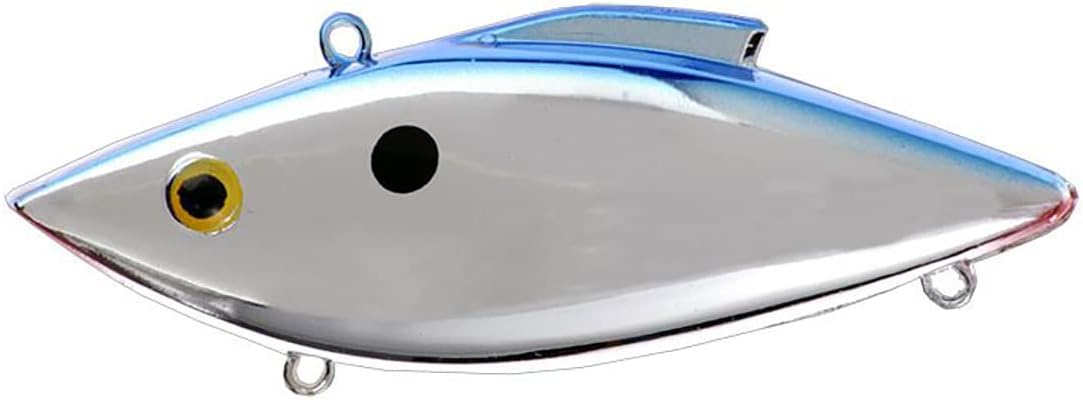
Bill Lewis Rat-L-Trap Lipless Crankbait (1/2 oz) is the #2 pick here, on 4.8-star Amazon buyer ratings (571 of them) and one clear job: grass flats & cold water.
Check Price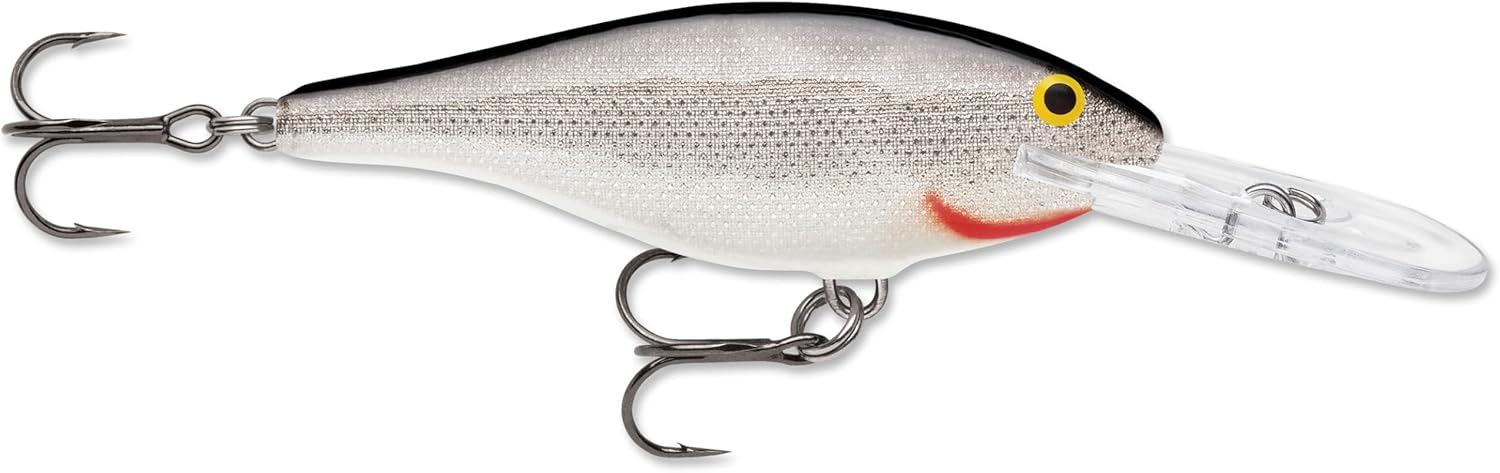
Rapala Shad Rap 07 Balsa Crankbait is the #3 pick here, on 4.7-star Amazon buyer ratings (631 of them) and one clear job: cold, clear water finesse.
Check PriceDetailed picks with verdicts, strengths, tradeoffs, and the situations where each one makes the most sense.
Quick verdict: Strike King KVD 1.5 Square Bill Crankbait is the #1 pick here, on 4.7-star Amazon buyer ratings (1,267 of them) and one clear job: shallow cover & deflection.
Quick verdict: Bill Lewis Rat-L-Trap Lipless Crankbait (1/2 oz) is the #2 pick here, on 4.8-star Amazon buyer ratings (571 of them) and one clear job: grass flats & cold water.
Quick verdict: Rapala Shad Rap 07 Balsa Crankbait is the #3 pick here, on 4.7-star Amazon buyer ratings (631 of them) and one clear job: cold, clear water finesse.
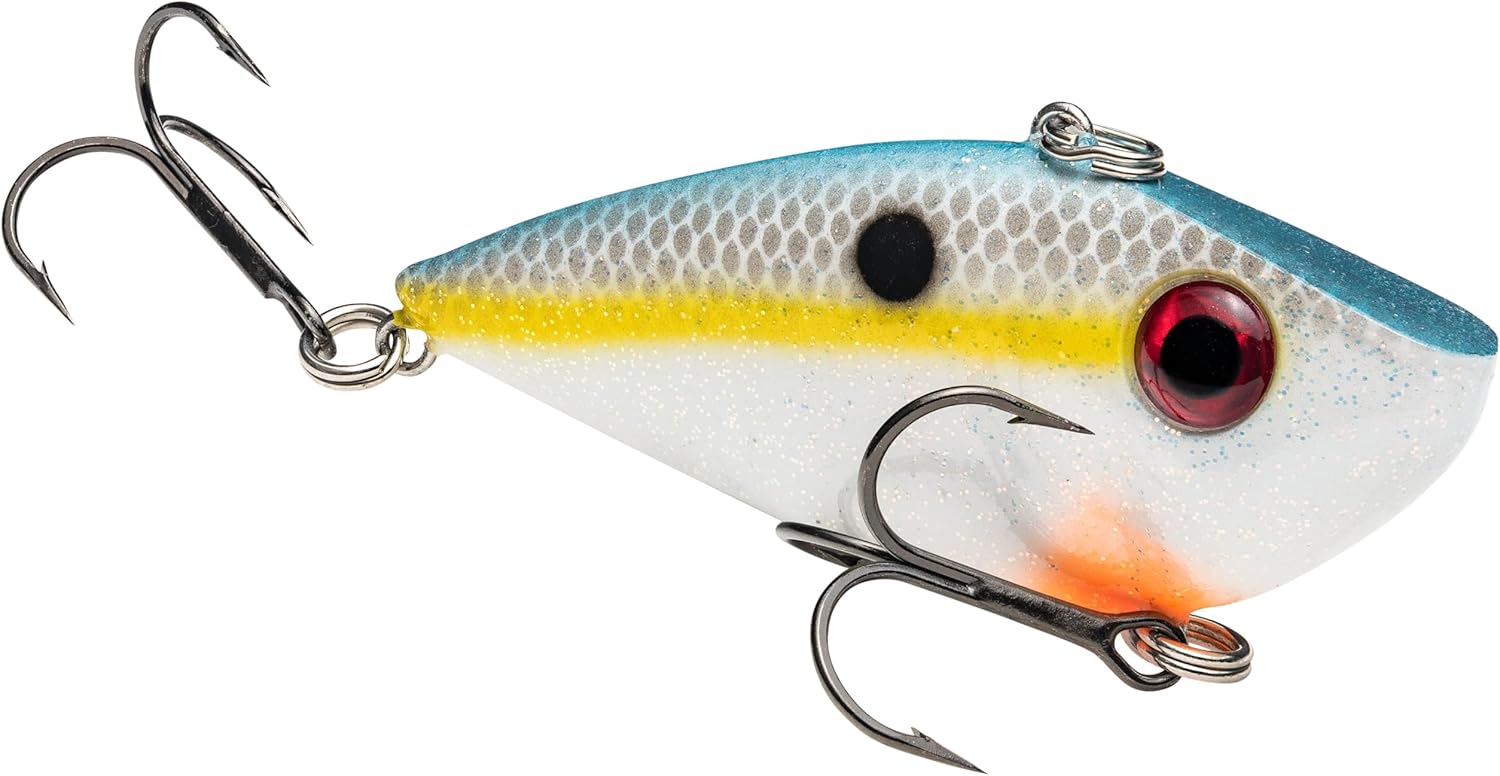
Quick verdict: Strike King Red Eyed Shad Lipless Crankbait (1/2 oz) is the #4 pick here, on 4.7-star Amazon buyer ratings (715 of them) and one clear job: rattling the whole water column.
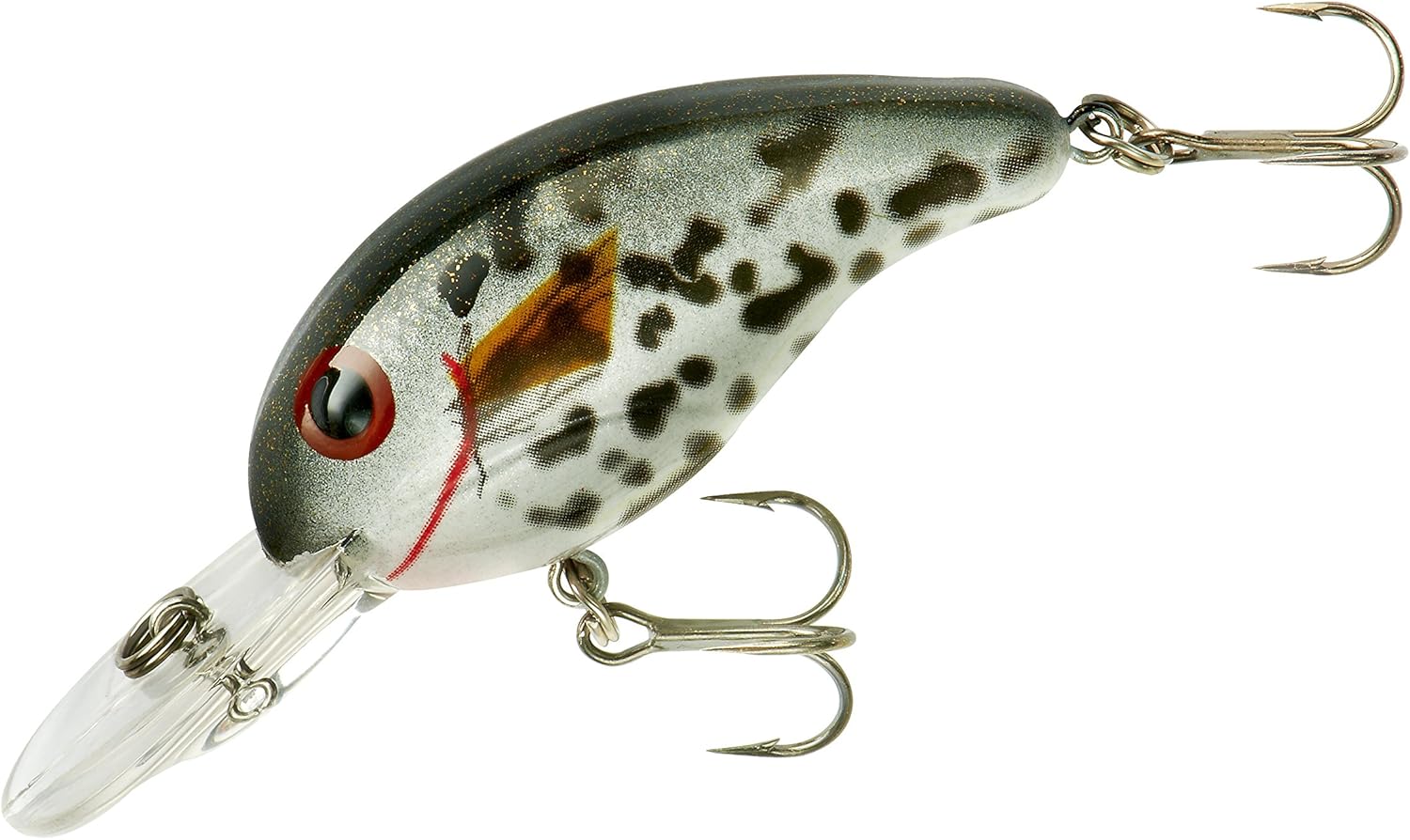
Quick verdict: Bandit Lures Series 200 Crankbait (Dives to 8 ft) is the #5 pick here, on 4.7-star Amazon buyer ratings (591 of them) and one clear job: best-value breakline diver.
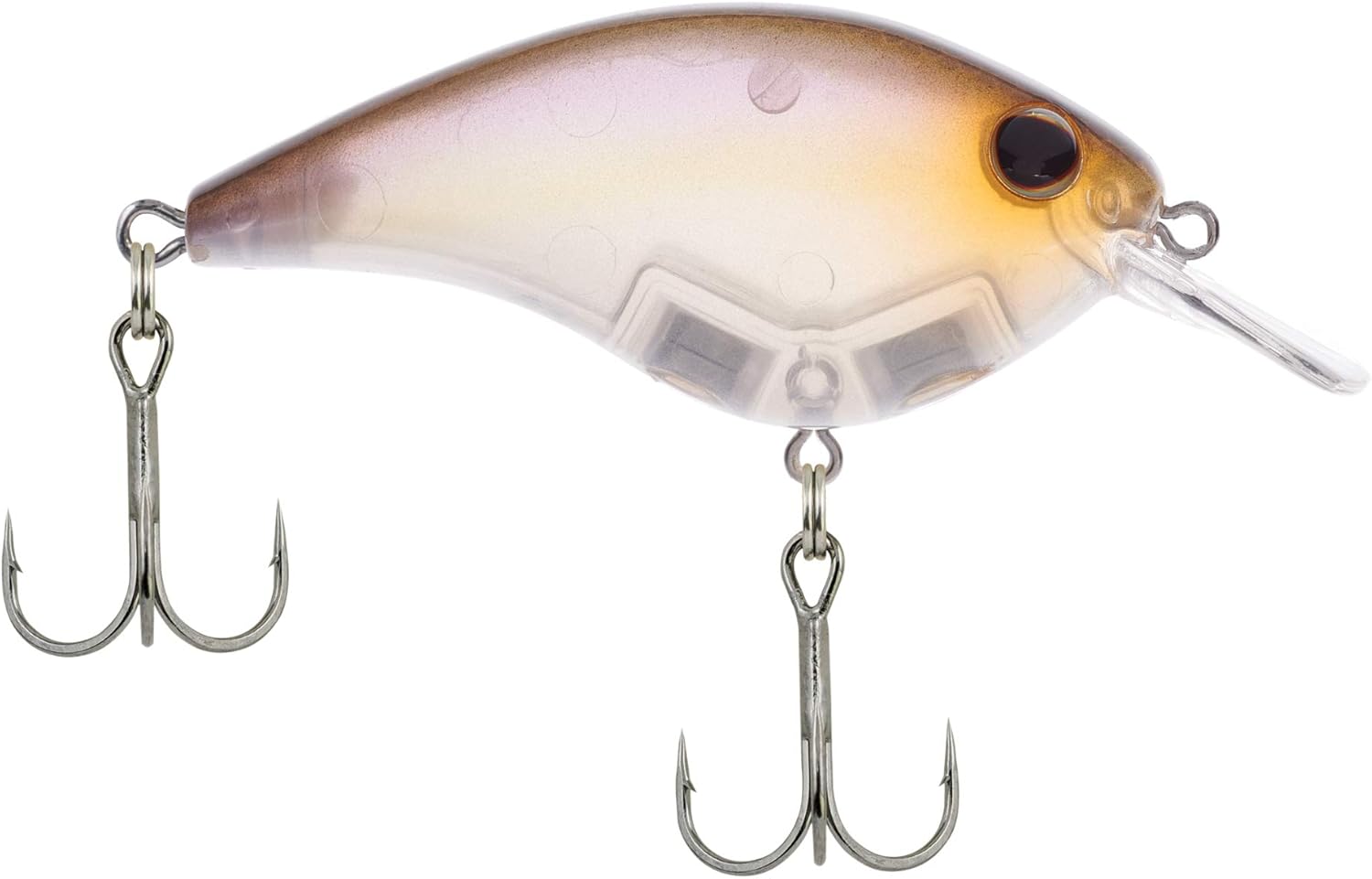
Quick verdict: Berkley Frittside Flat-Sided Crankbait is the #6 pick here, on 4.8-star Amazon buyer ratings (448 of them) and one clear job: tight wobble when fish are picky.
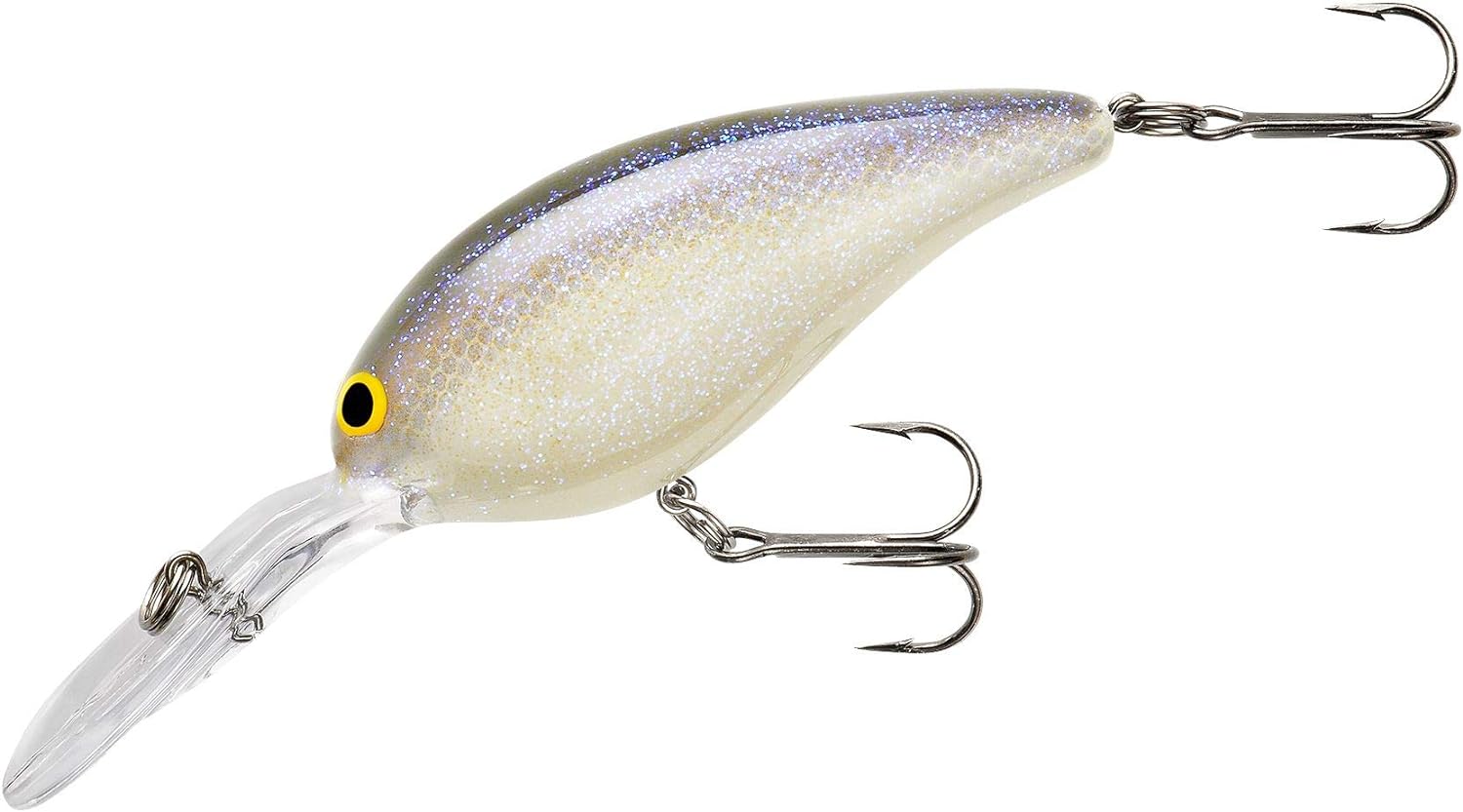
Quick verdict: Norman Lures Deep Little N Deep Diving Crankbait (9-12 ft) is the #7 pick here, on 4.6-star Amazon buyer ratings (205 of them) and one clear job: offshore structure, 9-12 ft.
Every crankbait has a running depth built into its lip. A squarebill digs two to five feet, a medium diver six to ten, a deep diver twelve and beyond, and a lipless bait fishes any depth you count it down to. Cover the depth range you actually fish before you buy a second color of anything.
Most crankbait bites come the instant the bait ricochets off a rock, stump, or grass stalk and changes direction. That erratic deflection is the trigger. A squarebill's blunt lip is built to bounce off cover rather than wedge into it, and around wood and rock that alone puts it ahead of a rounder-lipped bait.
Crankbaits hang fish on two small trebles with no direct hookset, so sharp, well-tempered hooks matter more here than on almost any other lure. Bent hooks and stretched split rings are the usual reason a good fish comes off halfway back. Upgrading trebles on a budget bait is a cheap, worthwhile fix.
A fat, round-bodied bait puts out a wide, thumping wobble that calls fish from a distance in warm or stained water. A flat-sided or slim balsa bait has a tighter, subtler shimmy that works better when the water is cold and clear and the fish want something less aggressive. Carry both.
If you buy one, buy a squarebill like the KVD 1.5. It runs shallow enough to fish almost any bank, deflects off cover instead of snagging in it, and a simple steady retrieve is all it needs. Hard to go wrong with as a first crankbait.
A Rat-L-Trap or Red Eyed Shad sinks, rattles loudly, and can be counted down to any depth. Rip it free when it ticks the top of the grass and hang on. Few baits fish cold water and grass flats better.
The number one crankbait error is a hard, upward hookset. With two small trebles and a moving bait, that rips hooks free. Keep reeling until the rod loads, then sweep to the side and let the rod do the work.
Cranking is the most mechanical thing you can do with a rod, which is exactly why it works for beginners. Pick a depth, make contact with something, and resist the urge to swing on the bite.
Look at the water in front of you and choose a bait that runs slightly deeper than the cover you want to hit. Fishing a rocky bank in four feet? A squarebill. A weed flat in eight? A lipless bait counted down. An offshore hump in fifteen? A deep diver. Contact is the goal, so you want to be digging, not swimming over the top.
A crankbait needs distance to reach its full depth, because it dives on the front half of the retrieve and climbs back up as it nears you. Cast well past your target so the bait is already running at depth by the time it gets there, then keep the rod tip low or even pointed into the water to squeeze out another foot.
Start with a medium, even retrieve. You are listening and feeling for the bait to tick rock, wood, or the tops of grass. When it deflects and veers off, that erratic moment is the strike trigger. If you never touch anything, switch to a deeper-running bait. Speed up in warm water, slow way down in cold.
When a fish loads the rod, keep reeling and sweep the rod to the side rather than snapping it upward. Two small trebles and a moderate-action rod will pin the fish for you. A hard vertical hookset is the fastest way to tear the hooks free, and it is the mistake almost every new crankbait angler makes.
Once you know which kit type fits your situation, dig into each gear category for in-depth picks and buying advice:
Want to browse beyond the ranked picks? Filter and sort the full crankbaits listing below.
A squarebill like the Strike King KVD 1.5 is the easiest crankbait to learn on. It runs two to five feet deep, which covers most of the shallow water you will fish from a bank or a small boat, and its short, blunt lip is designed to bounce off rocks, stumps, and laydowns rather than bury into them, so you lose fewer baits. It also needs no special technique: cast it past a target, reel it back at a steady pace, and let it bang into cover. The deflection off that cover is what triggers most strikes, so the bait does the hard part for you.
Reader-supported and free of paid placements. Every pick is ranked on published specs and Amazon buyer ratings, not on who pays us.
Each pick is compared on published specs, materials, design, and category fit across the major brands.
Rankings factor in how well each product matches common freshwater fishing needs, not just popularity.
Star ratings and review volume from Amazon buyers are factored in to reflect real-world satisfaction.
A pick earns its spot by delivering useful performance for the money, whether budget or premium.

Our lure guides break down what to throw and when, from the crankbait that bangs shallow cover to the topwater bite at first light.
See Topwater Lures