
Best Overall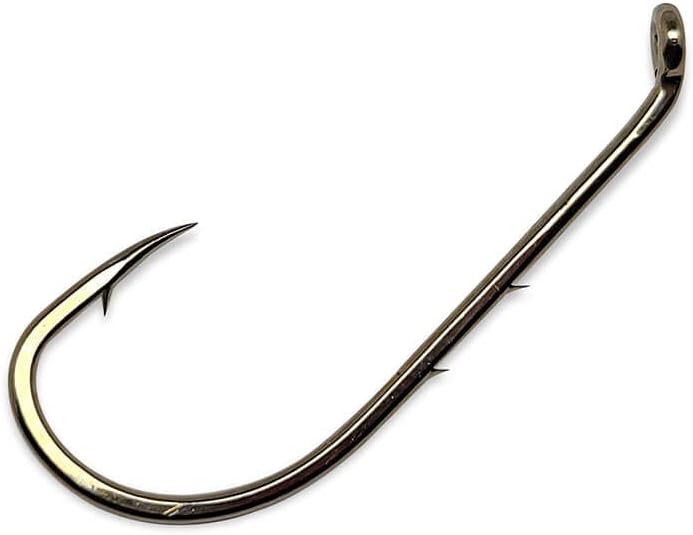
4.8
Gamakatsu Baitholder Hooks (25-Pack, Size 1)
ASIN B071JGJSLVGamakatsu Baitholder Hooks (25-Pack, Size 1) is the #1 pick here, on 4.8-star Amazon buyer ratings (354 of them) and one clear job: worms and cut bait.
Check Price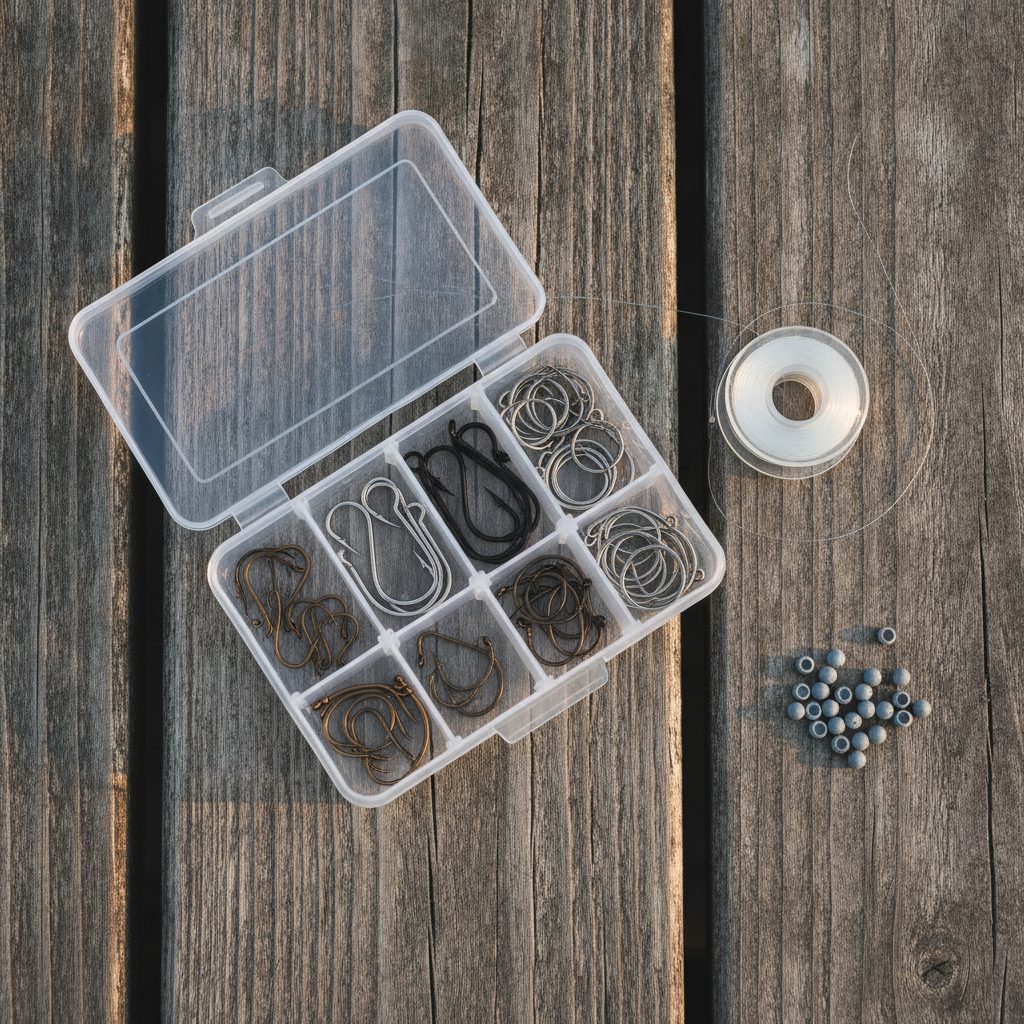
Hook sizes run backwards, almost every beginner buys them too big, and fixing that costs less than lunch. These seven cover the shapes worth owning, ranked on published specs and Amazon buyer ratings rather than on anything we claim to have tested.
Hooks are the cheapest thing in your tackle box and the only part of your setup that ever touches a fish. That combination makes them the most under-thought purchase in fishing. Almost every beginner buys hooks too big, then spends an afternoon feeling bites that never turn into fish, and blames the spot or the bait. A bluegill physically cannot fit a 2/0 worm hook in its mouth. That is the whole problem, and it costs about seven dollars to fix.
The sizing is genuinely confusing, so here it is once, plainly. Plain-numbered sizes get smaller as the number climbs, so a size 10 is tiny and a size 1 is a good deal bigger. Then the scale flips over: after size 1 comes 1/0, said out loud as "one aught", and from there the hooks get bigger as the number climbs. Size 6 for bluegill and crappie. Size 1 or 1/0 for bass on a nightcrawler. Size 5/0 or 6/0 for catfish on cut bait. Those three lines cover most freshwater fishing you will do in your first year.
After size, the only decisions left are shape and wire. Shape sets the job: a long thin Aberdeen for panfish, a barbed baitholder for worms, a wide-gap worm hook for soft plastics, a circle for catfish you plan to release. Wire sets the tradeoff: light wire is easier to bend out of a snag and gentler on live bait, strong wire holds up to a fish that pulls back. Everything below is ranked on published specs and on what Amazon buyers reported. Tom has not tested any of it, and this page will not pretend otherwise.
You do not need one of everything. This is what earns its space in a beginner's box, and what is genuinely optional until your fishing gets more specific.
Light wire Aberdeen or baitholder. These catch bluegill, crappie, perch and stocked trout, which for most beginners is the majority of the fish that actually come over the side. Buy a hundred and stop thinking about it.
Baitholder or octopus in strong wire, for nightcrawlers and minnows fished for bass, walleye and channel cats. This is the size band people skip, and then wonder why the bass keep stealing the worm off a size 6.
The moment you own a bag of soft plastics you need these. Rigged weedless they let you fish cover that would eat any exposed hook, and the wide gap is what makes the hookset land.
Costs a few dollars and rescues hooks all season. Two or three strokes per side restores a point that has been bounced off rock. Far more useful than most of the gadgets sold next to it.
Only if catfish are on your list. They set themselves in the jaw corner and are the right call whenever bait sits still and a fish might swallow it deeply.
Replacement parts for crankbaits and topwaters, not something you rig yourself. Worth buying once the factory hooks on your favorite lures go dull or rust.
Needed to actually swap a treble hook out. Trying to open a split ring with your fingernails is a short road to a bad mood.
Hooks loose in a tackle tray tangle into one lump and rust faster. A small box with lids per compartment keeps sizes separate, which is the difference between picking a hook and hunting for one.
Hook shape is the decision that matters, and it is made before brand and before price. Here are the six you will meet in freshwater, and the honest job each one does.
A standard J hook with one or two small barbs partway down the shank. Those barbs stop a nightcrawler sliding into the bend on the cast, which is exactly the problem they exist to solve. The default first hook for most beginners.
Long, straight and made of thin light wire. The length lets you back it out of a small mouth with your fingers, and the thin wire bends open under steady pull, so a snag costs you a hook rather than the whole rig.
A short shank with a rounded bend and an offset point, usually with an up-turned eye for snelling. The compact shape hides well inside a live minnow and is the standard hook for drop shot and other finesse presentations.
An offset shank and an extra wide gap, designed so the plastic bunches clear of the point when a fish clamps down. Rigged with the point buried it is close to weedless, which is what lets you throw a worm into a laydown on purpose.
The point curves back toward the shank so it cannot grab soft tissue easily. You do not strike. You reel until the rod loads and the hook slides to the corner of the jaw on its own. Dramatically fewer gut-hooked fish.
Three points on one shank, sold as a spare part rather than a hook you rig. Swap them onto crankbaits, spoons and topwaters when the factory set goes dull. Worth upgrading on a lure you actually fish, pointless on one that lives in the box.
Short on time? Start with these top-rated fishing hooks for beginners picks.
Gamakatsu Baitholder Hooks (25-Pack, Size 1) is the #1 pick here, on 4.8-star Amazon buyer ratings (354 of them) and one clear job: worms and cut bait.
Check Price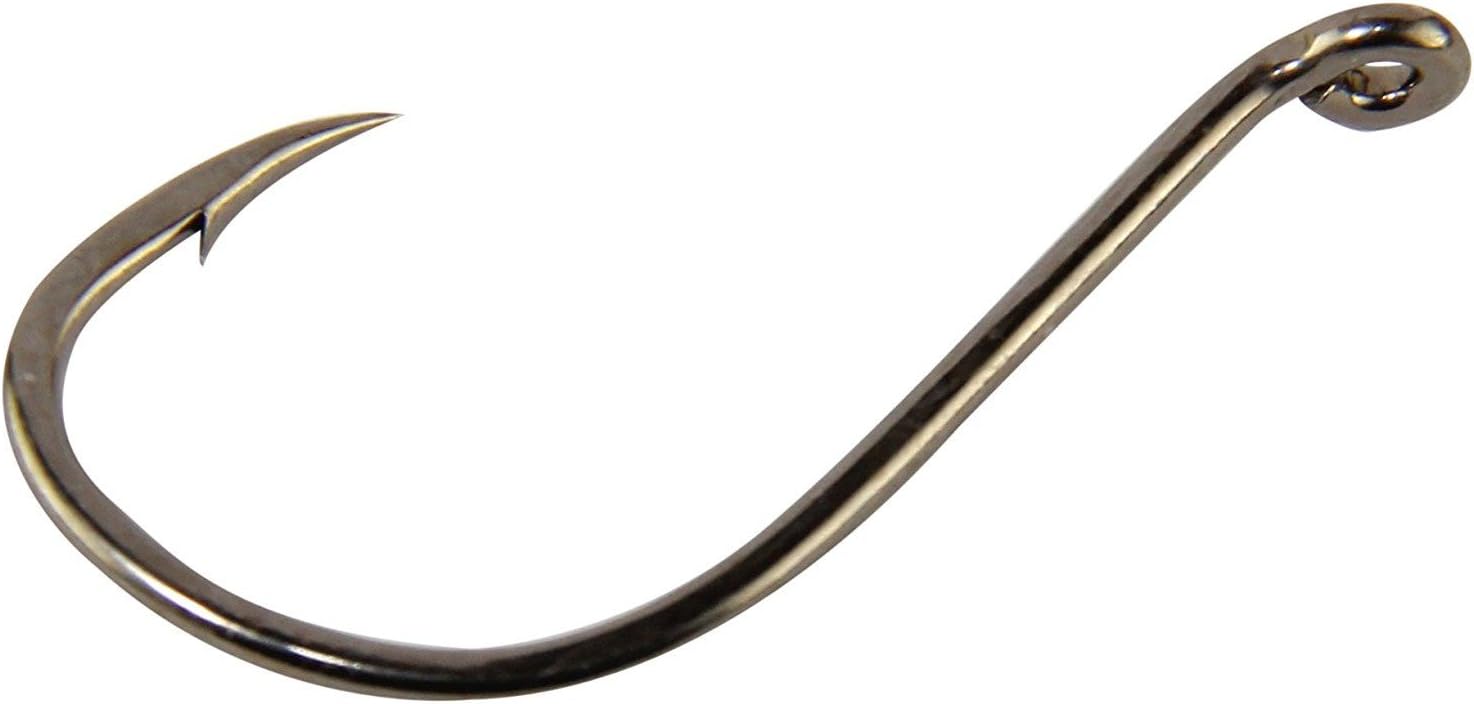
Gamakatsu Octopus Hooks (25-Pack, Size 2) is the #2 pick here, on 4.7-star Amazon buyer ratings (2,621 of them) and one clear job: live minnows.
Check Price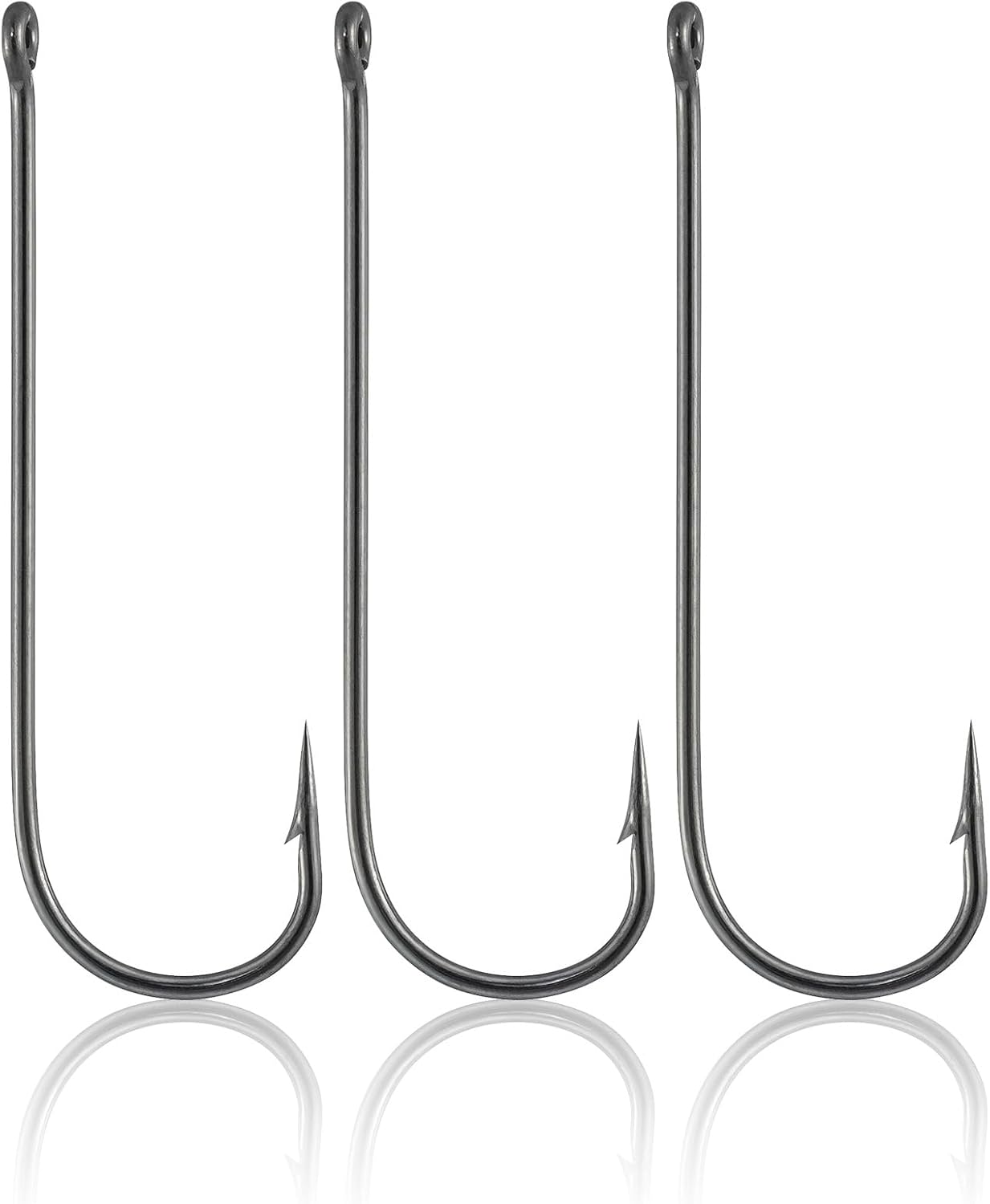
Dr.Fish Aberdeen Light-Wire Hooks (100-Pack, Size 6) is the #3 pick here, on 4.4-star Amazon buyer ratings (488 of them) and one clear job: bluegill and crappie.
Check PriceDetailed picks with verdicts, strengths, tradeoffs, and the situations where each one makes the most sense.
Quick verdict: Gamakatsu Baitholder Hooks (25-Pack, Size 1) is the #1 pick here, on 4.8-star Amazon buyer ratings (354 of them) and one clear job: worms and cut bait.
Quick verdict: Gamakatsu Octopus Hooks (25-Pack, Size 2) is the #2 pick here, on 4.7-star Amazon buyer ratings (2,621 of them) and one clear job: live minnows.
Quick verdict: Dr.Fish Aberdeen Light-Wire Hooks (100-Pack, Size 6) is the #3 pick here, on 4.4-star Amazon buyer ratings (488 of them) and one clear job: bluegill and crappie.
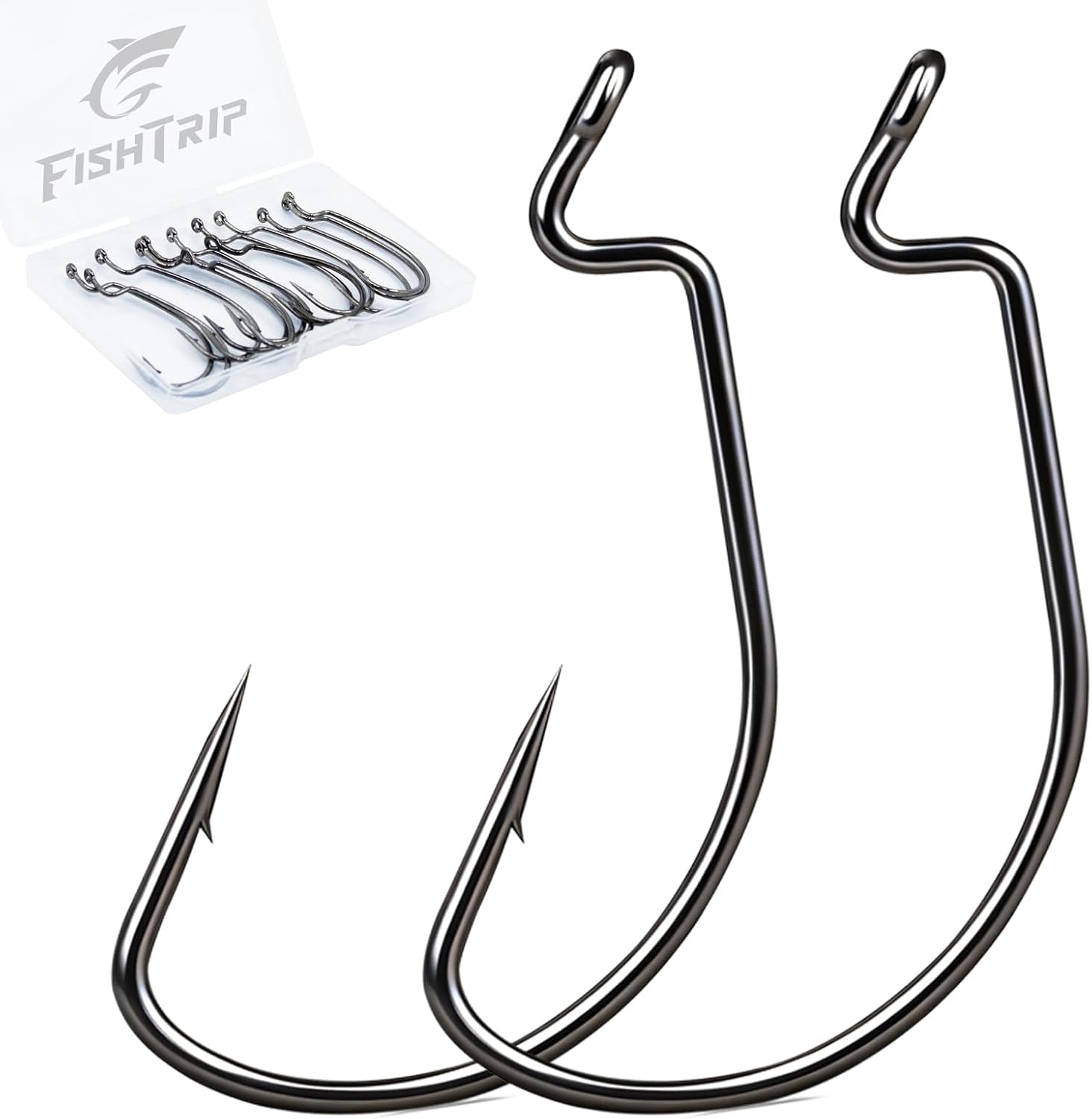
Quick verdict: FishTrip EWG Offset Worm Hooks (50-Pack, Size 3/0) is the #4 pick here, on 4.5-star Amazon buyer ratings (440 of them) and one clear job: soft plastics.
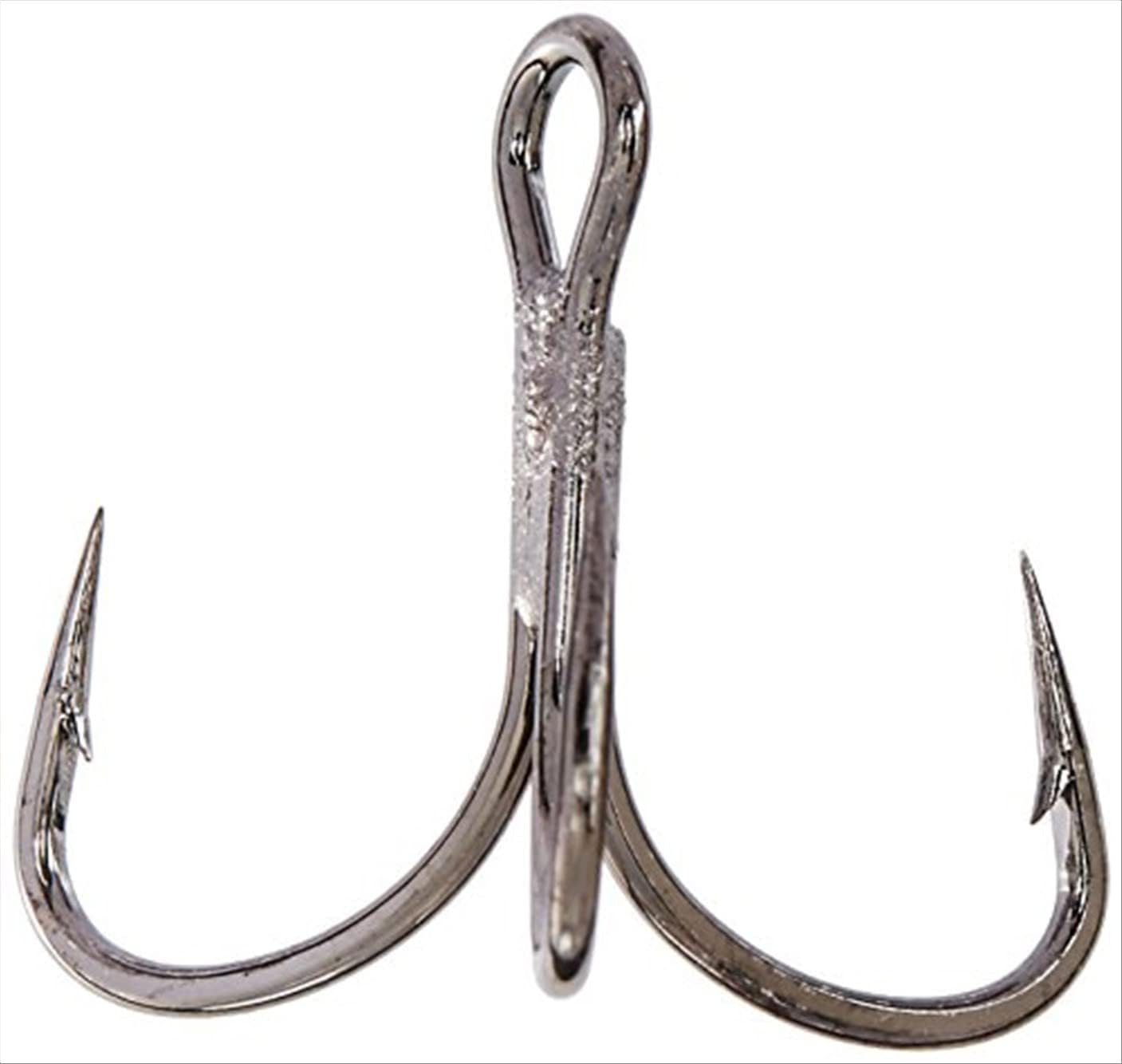
Quick verdict: Mustad KVD Elite Triple Grip Treble Hooks (Size 2) is the #5 pick here, on 4.8-star Amazon buyer ratings (605 of them) and one clear job: upgrading lure hooks.
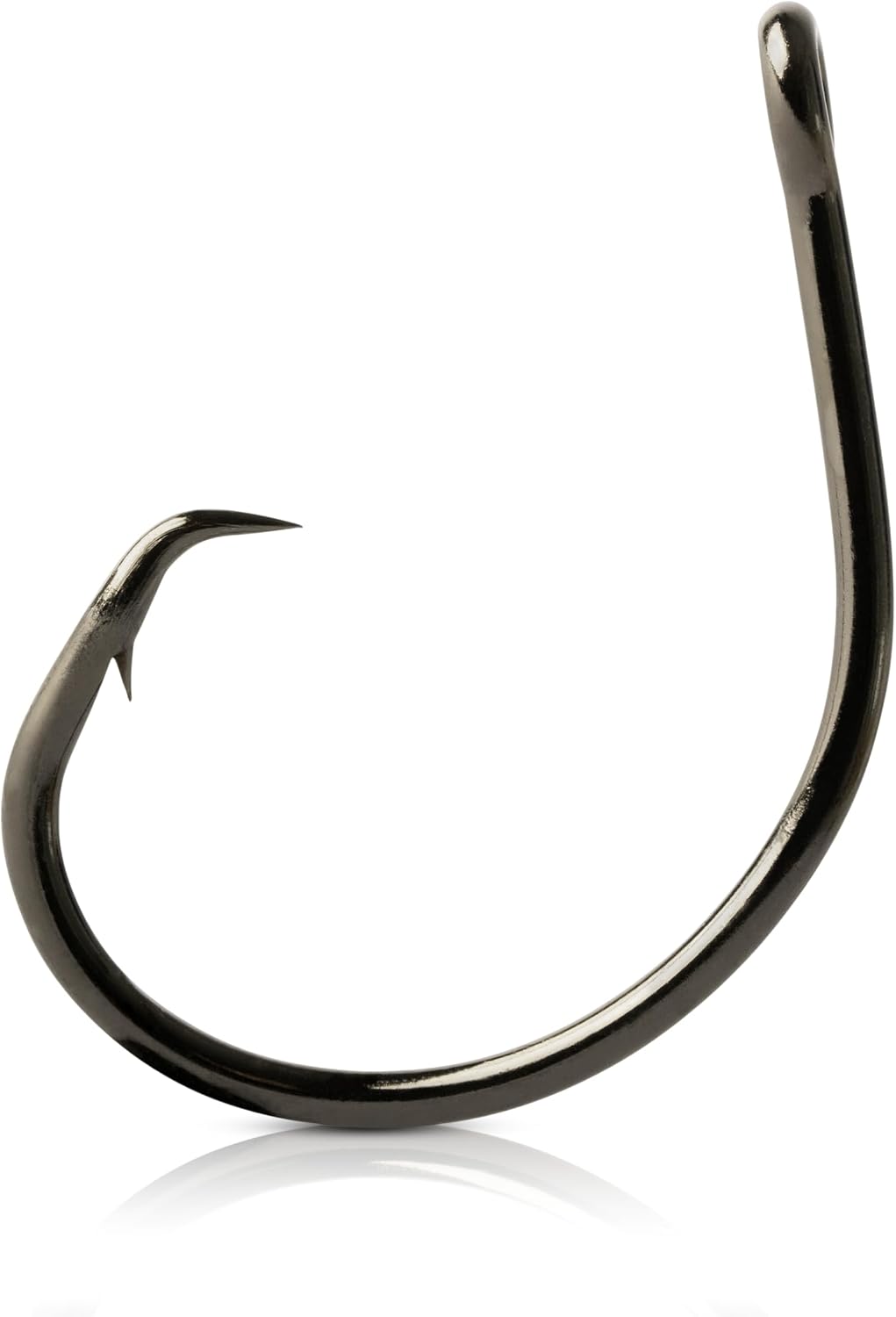
Quick verdict: Mustad Demon Offset Circle Hooks (25-Pack, Size 6/0) is the #6 pick here, on 4.7-star Amazon buyer ratings (298 of them) and one clear job: catfish on cut bait.
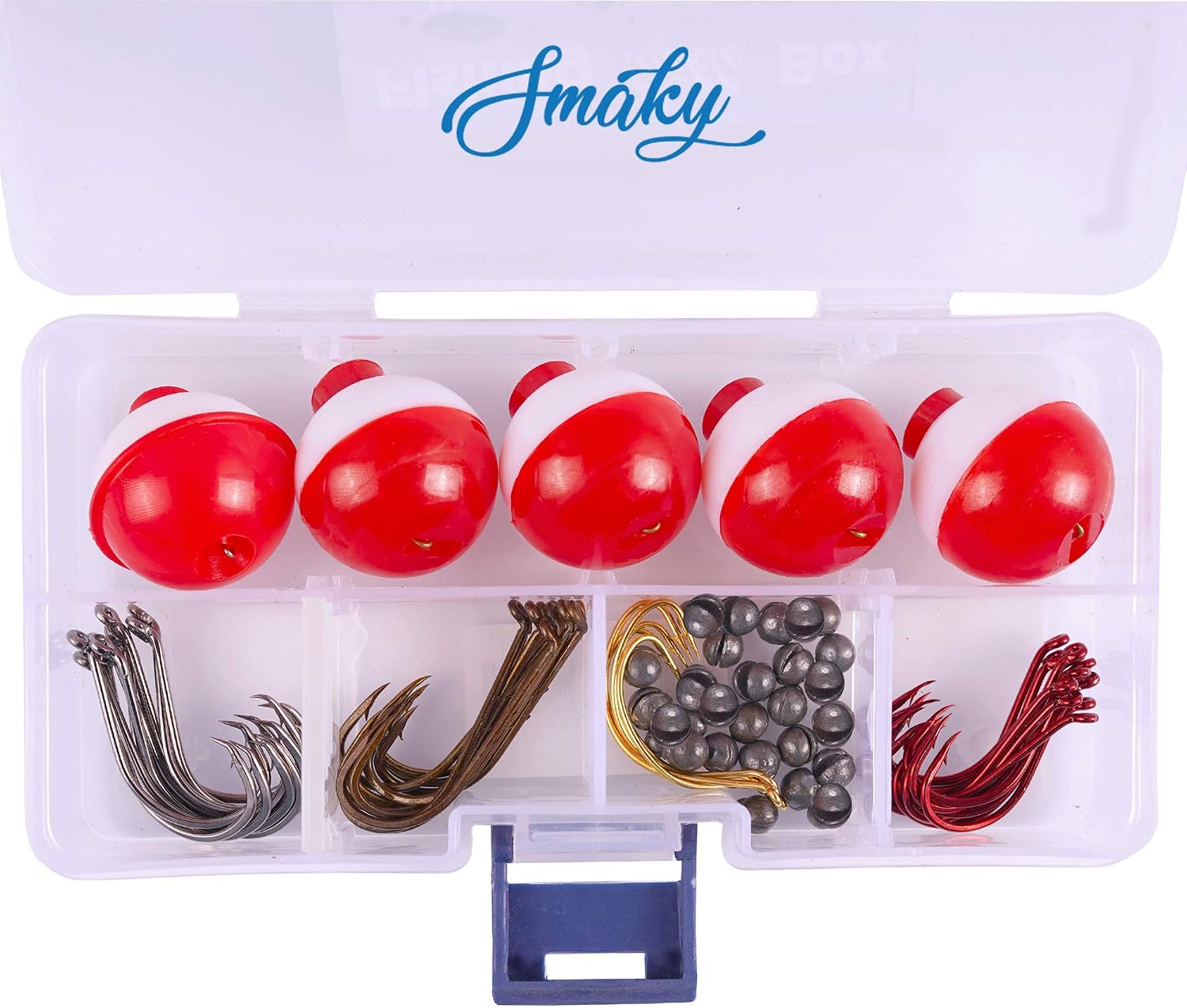
Quick verdict: Smaky 80-Piece Hook, Bobber and Sinker Starter Kit is the #7 pick here, on 4.4-star Amazon buyer ratings (1,164 of them) and one clear job: a first tackle box.
Two scales meet in the middle and that is what trips people up. From size 32 up to size 1 the hooks get bigger as the number gets smaller. Above size 1 the notation switches to aughts, 1/0 through 10/0 and beyond, and those get bigger as the number gets bigger. So the running order is 10, 8, 6, 4, 2, 1, 1/0, 2/0, 3/0. Match the hook to the mouth you are trying to fit it into, not to the fish's weight. When you are unsure, go one size smaller. A small hook will land a big fish far more often than a big hook will land a small one.
Light wire hooks are thin, sharp and easy to set with the soft rods and light line a beginner is usually holding. They also keep a minnow or a worm alive longer because they do less damage, and they bend out of a snag instead of costing you the whole rig. The cost is that a heavy fish can straighten one. Strong wire, sold as 1X, 2X or 3X strong, does the opposite. For panfish and stocked trout, light wire. For bass on soft plastics and for anything with catfish in the name, strong.
This is the one place where paying more buys something you can feel. Chemically or conically sharpened points from Gamakatsu and Mustad will catch on a thumbnail dragged across them with almost no pressure. Cheap bulk hooks often need a few passes with a file before they do. Test any hook the same way: drag the point lightly across your nail, and if it skates rather than biting, it is dull. A dull hook is the single most common reason a solid bite comes off two seconds later.
A baitholder has small barbs on the shank that stop a nightcrawler sliding down into the bend, which is why it is the default live bait hook. An Aberdeen has a long thin shank that reaches into a panfish's mouth and comes out easily. An extra wide gap worm hook leaves room for a soft plastic to collapse so the point can drive through. A circle hook is designed to slide to the corner of the jaw and set itself when you reel. A treble is not really a hook you rig, it is a replacement part for lures. Buy shapes, not brands.
Light wire Aberdeen hooks, bought a hundred at a time because you will lose them in brush and it will not matter. The long shank means you can back one out of a bluegill without a tool, which is the difference between fishing and performing surgery all afternoon.
A baitholder or an octopus hook in strong wire. The shank barbs on a baitholder hold a nightcrawler in place through a cast, and an octopus hook's short shank hides better inside a live minnow. Either will handle a four pound largemouth without opening up.
An extra wide gap offset worm hook, rigged weedless with the point tucked back into the plastic. The wide bend leaves space for the bait to compress on the hookset. A 3/0 suits most five inch worms and senko-style baits, which is where nearly everyone starts.
Everything below is done at the water's edge in under two minutes once you have practiced it a few times at home. Practicing at home is the part people skip.
Think about the mouth you are aiming at. Bluegill and small crappie: size 6 to 8. Bass, walleye, channel cats on live bait: size 1 to 1/0. Bigger catfish on cut bait: 4/0 and up. If you genuinely do not know what is in the water, start at a size 6, because it will catch nearly everything and offend nothing.
Thread the line through the eye, wrap the tag end around the standing line five or six times, pass it back through the small loop by the eye, then back through the big loop you just made. Wet it with your mouth and pull it tight slowly. Wetting matters more than people expect, because friction burn on dry line is what makes knots fail at half their rated strength.
The wraps should sit in a tidy barrel against the eye, not crossed over each other. Give it a firm steady pull. Better it breaks in your hands now than on the only good fish of the day. Trim the tag end close, leaving about a sixteenth of an inch.
With a worm, thread an inch or so onto the shank and let the rest dangle and wriggle. With a soft plastic on a worm hook, run the point in through the nose, out the side, then rotate and bury the point just under the skin so it sits flush. In both cases the point must be able to reach a fish. A bait balled up over the point catches nothing.
With a J hook, baitholder, Aberdeen, octopus or worm hook, wait until you feel weight and then sweep the rod firmly. With a circle hook, do not strike at all. Lower the rod, start reeling steadily, and let the hook find the jaw corner as the line tightens. Striking a circle hook is the classic way to pull it clean out.
Drag it across your thumbnail. Rocks, gravel and hard jaws all dull a point faster than you would think, and a hook that skates instead of catching will lose you the next good bite. Two strokes of a file or a fresh hook, then keep fishing.
Once you know which kit type fits your situation, dig into each gear category for in-depth picks and buying advice:
Want to browse beyond the ranked picks? Filter and sort the full fishing hooks for beginners listing below.
A size 6 covers more freshwater situations than any other single size. It is small enough for bluegill, crappie and stocked trout, and still big enough to land a decent bass on a worm. If you are buying three sizes rather than one, get size 6 for panfish, size 1 or 1/0 for bass on live bait, and 4/0 or larger only if catfish are actually on your list. Most beginners go too big, so when you are choosing between two sizes, take the smaller one.
Reader-supported and free of paid placements. Every pick is ranked on published specs and Amazon buyer ratings, not on who pays us.
Each pick is compared on published specs, materials, design, and category fit across the major brands.
Rankings factor in how well each product matches common freshwater fishing needs, not just popularity.
Star ratings and review volume from Amazon buyers are factored in to reflect real-world satisfaction.
A pick earns its spot by delivering useful performance for the money, whether budget or premium.

Sharp hooks in the right size change more about your day than a new rod does. Once yours are sorted, here is where to keep them.
See Tackle Boxes