Start Here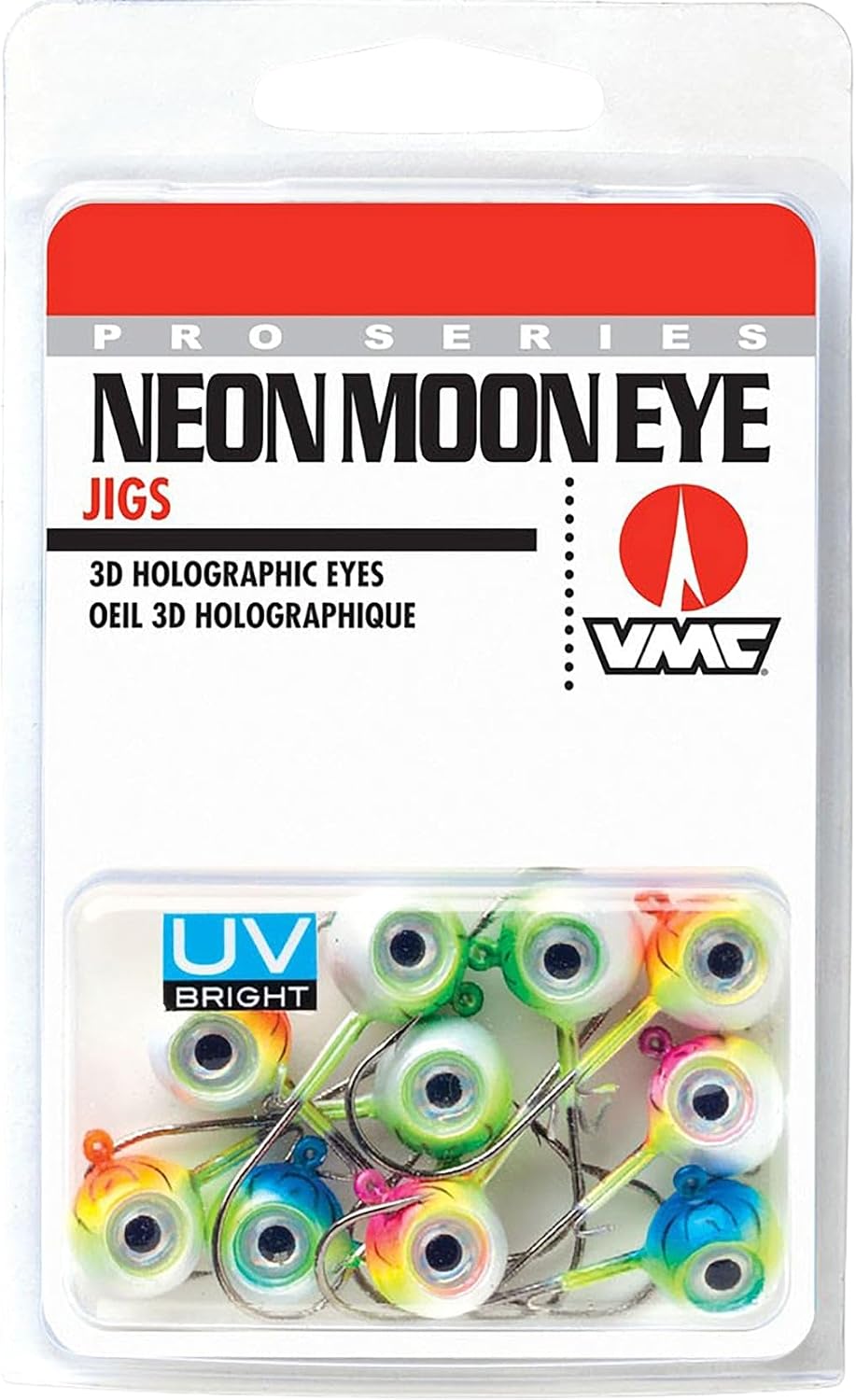
4.7
VMC Neon Moon Eye Jig UV Kit (3/8 oz)
ASIN B00HM99RJWVMC Neon Moon Eye Jig UV Kit (3/8 oz) is the #1 pick here, on 4.7-star Amazon buyer ratings (273 of them) and one clear job: casting and hopping the bottom.
Check Price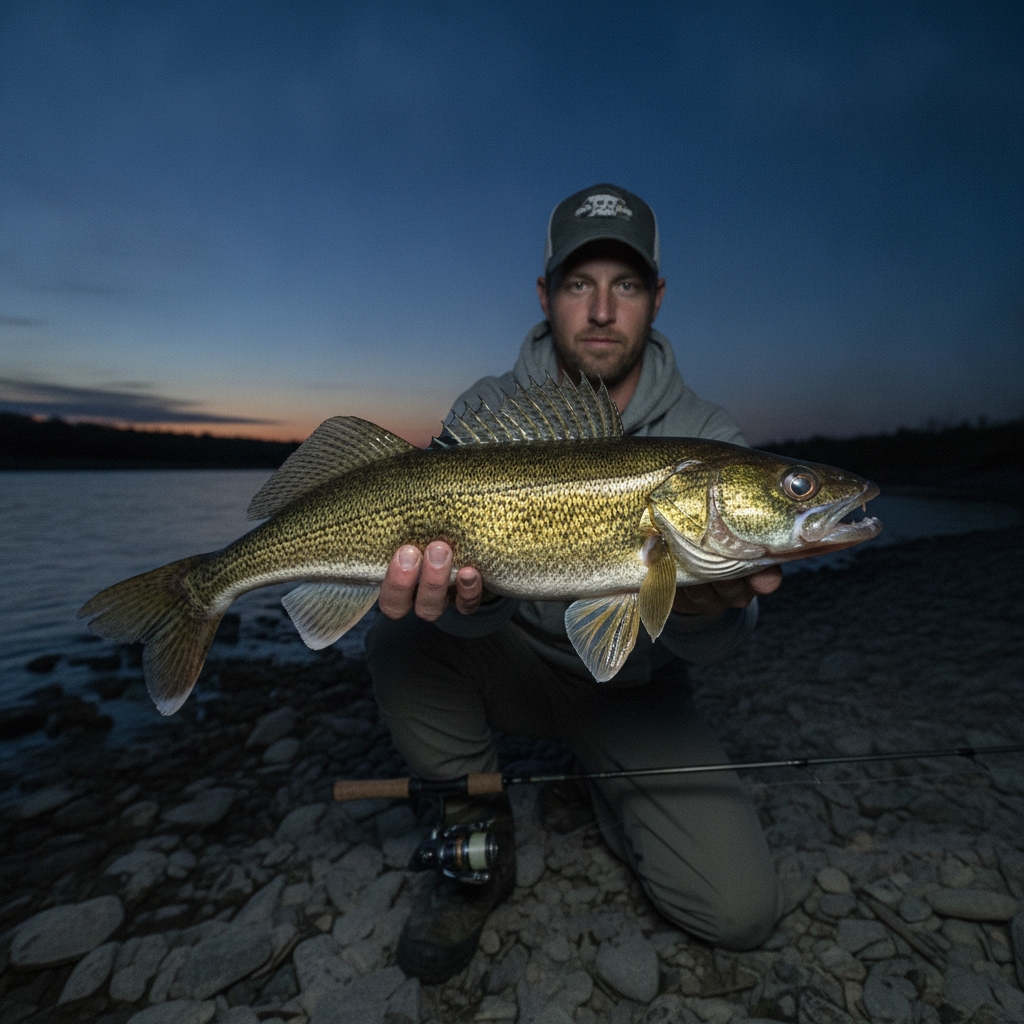
Almost every walleye gear list assumes you own a boat. This one does not. Seven picks for fishing walleye from a bank, a dock or a bridge, ranked on Amazon buyer ratings.
Search for walleye gear and you get bottom bouncers, worm harnesses, planer boards and Lindy rigs. Every one of those is a trolling tool, and trolling needs a boat. If you fish from a bank, a dock or a bridge, that whole aisle is dead weight, and buying it is the most common way a new walleye angler wastes forty dollars. This page ranks the other list: the tackle that reaches walleye from dry land.
The reason shore fishing works at all is in the fish's biology, and New Jersey Fish and Wildlife states it plainly on its own walleye page. Walleye are extremely sensitive to light and feed hardest in low light, so dawn, dusk, overcast days, choppy water and full dark are the productive windows. In the cooler months and after dark they move into the shallows, which is the exact water a bank angler can already reach. The same agency page says shoreline fishing, docks included, is effective in spring and fall, and that where deep water sits close to shore a slip float will get a bait down to summer fish. That is a state biologist telling you the bank is a real option, not a consolation prize.
So the picks below build two rigs and nothing else: a jig you can cast and hop along the bottom, and a slip float that suspends a bait at a depth you choose. Two casting baits cover the nights when walleye are up shallow chasing baitfish. No rod, no reel and no trolling hardware is ranked, because a walleye outfit is an ordinary medium-light spinning combo that another guide here already compares. Tom has not fished these products. Picks come from the published guidance cited on this page plus each listing's own specs, and every star rating and review count printed beside a product was read off its Amazon listing on 2026-08-19. Prices move, so treat them as a snapshot.
A shore walleye kit is small enough to fit in one jacket pocket and a small tray. These are the pieces that change results, marked by whether you can leave them behind.
The core tool. A round or minnow-shaped head with a bright or UV finish, heavy enough to cast into wind and hold bottom. Three eighths of an ounce is the single most useful weight from a bank. Bring more than you think, because rocky walleye banks eat jigs.
What goes on the jig when you do not have a bait bucket. A jar keeps for a season in a pocket and holds enough scent that a fish will hang on for the extra second you need to feel the bite and set. Carry one natural colour and one bright one.
Bought together or not at all. The float suspends a bait at a set depth over a snaggy bottom, and the stop knot is what sets that depth and lets you cast the rig. This is the rig New Jersey Fish and Wildlife names for summer shore fishing where deep water comes close in.
The cheapest thing in the box and the one that makes a float rig sit right. Too little weight and the float rides high and hides bites, too much and it sinks. Buy an assortment, because the correct answer changes with the float and the current.
Not tackle, and still the item you will miss most. Walleye fishing is a low light game, which means you will be tying knots in the dark and walking a rocky bank in the dark. A red mode is worth having so you do not blind yourself every time you check a rig.
Skippable if you only ever fish jigs, close to mandatory for spring and fall nights. A long suspending jerkbait swum slowly along a shallow rocky shoreline is one of the most reliable ways to meet walleye that have moved up after dark.
The searching tool. It dives on its own and covers a drop-off or a flat far faster than a jig does, which is what you want when you have an hour and no idea where the fish are sitting. New Jersey Fish and Wildlife lists casting minnow-style crankbaits among its common walleye methods.
Walleye have real teeth and a mouthful of small sharp ones, so fingers are the wrong tool for backing a treble out. Most states also set a minimum length and a daily limit for walleye, so a tape in the bag is the difference between a legal fish and a guess.
Four setups cover nearly everything a bank or dock angler runs into. The first two do most of the work and the other two solve problems the first two cannot.
Cast, let it sink on a tight line, then lift the rod tip a foot and let it fall back. New Jersey Fish and Wildlife lists jigging a lead head with a twister tail or a shiner as a standard walleye method, and a scented plastic stands in for the shiner. Nearly every take happens on the drop, so watch the line where it enters the water as much as you feel the rod.
Set the stop knot at the depth you want, then fish a nightcrawler, a leech or a small jig under the float. The agency guidance is specific here: where deep water is located near shore, slip floats in summer will get you down to the fish. It also keeps a bait out of the rocks all day, which a bottom rig on a boulder bank will not.
Cast parallel to a rocky shoreline or across a bridge light line, then retrieve slowly with regular pauses. A suspending bait holds its depth during the pause instead of floating up, which is usually when a fish that has been following commits. This is the presentation for the exact conditions the state describes, when walleye move into the shallows at night.
A diving crankbait finds its own depth on the retrieve, so you can fan-cast a point or a flat and cover far more ground than a jig lets you. Use it to locate fish and stained water edges, then slow down and work the spot properly with a jig once something eats. It is a searching tool rather than a finishing one.
Short on time? Start with these top-rated walleye fishing gear picks.
VMC Neon Moon Eye Jig UV Kit (3/8 oz) is the #1 pick here, on 4.7-star Amazon buyer ratings (273 of them) and one clear job: casting and hopping the bottom.
Check Price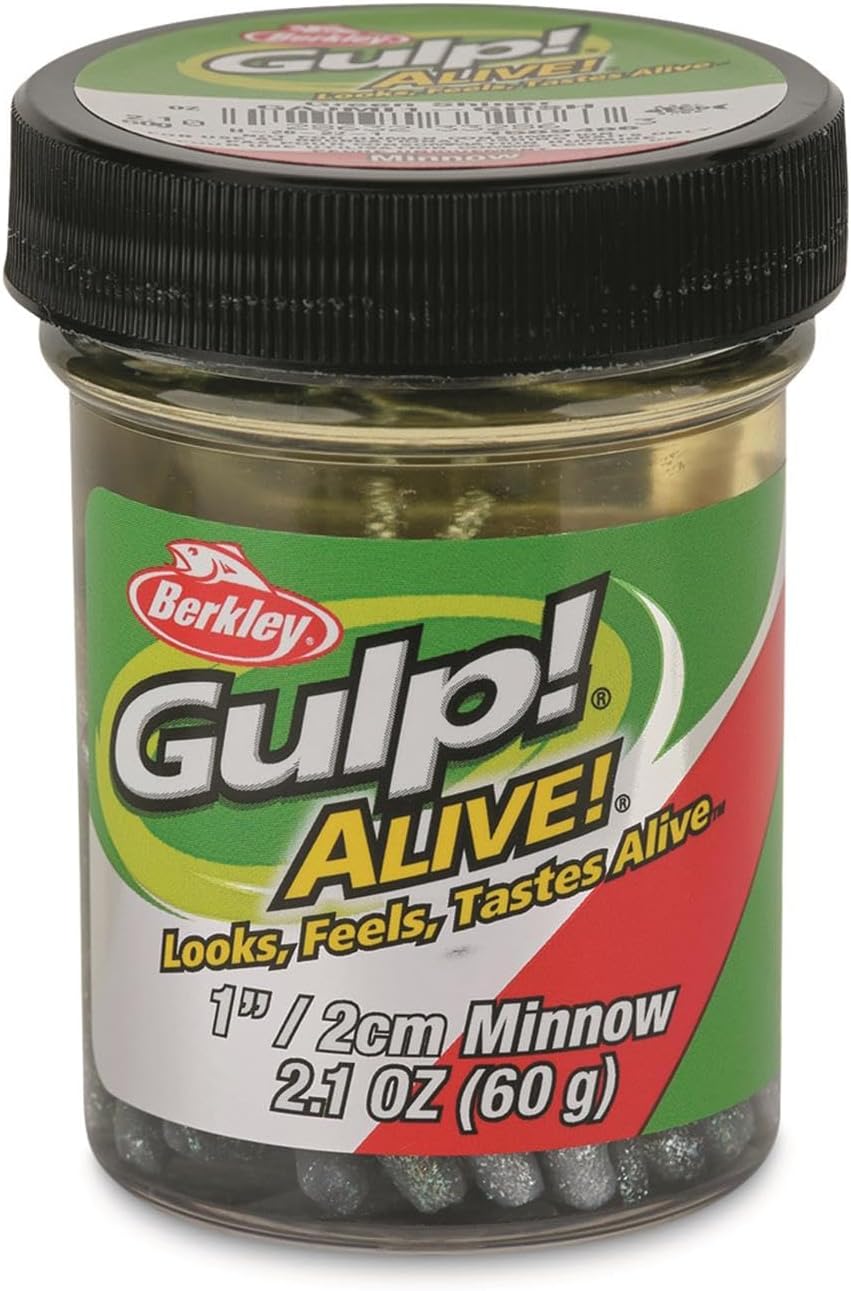
Berkley Gulp! Alive! Minnow (1-Inch, Green Shiner) is the #2 pick here, on 4.5-star Amazon buyer ratings (2,373 of them) and one clear job: tipping a jig without live bait.
Check Price
Thill Pro Series Slip Float (7/8-Inch, Unweighted) is the #3 pick here, on 4.5-star Amazon buyer ratings (670 of them) and one clear job: suspending bait over snags.
Check PriceDetailed picks with verdicts, strengths, tradeoffs, and the situations where each one makes the most sense.
Quick verdict: VMC Neon Moon Eye Jig UV Kit (3/8 oz) is the #1 pick here, on 4.7-star Amazon buyer ratings (273 of them) and one clear job: casting and hopping the bottom.
Quick verdict: Berkley Gulp! Alive! Minnow (1-Inch, Green Shiner) is the #2 pick here, on 4.5-star Amazon buyer ratings (2,373 of them) and one clear job: tipping a jig without live bait.
Quick verdict: Thill Pro Series Slip Float (7/8-Inch, Unweighted) is the #3 pick here, on 4.5-star Amazon buyer ratings (670 of them) and one clear job: suspending bait over snags.
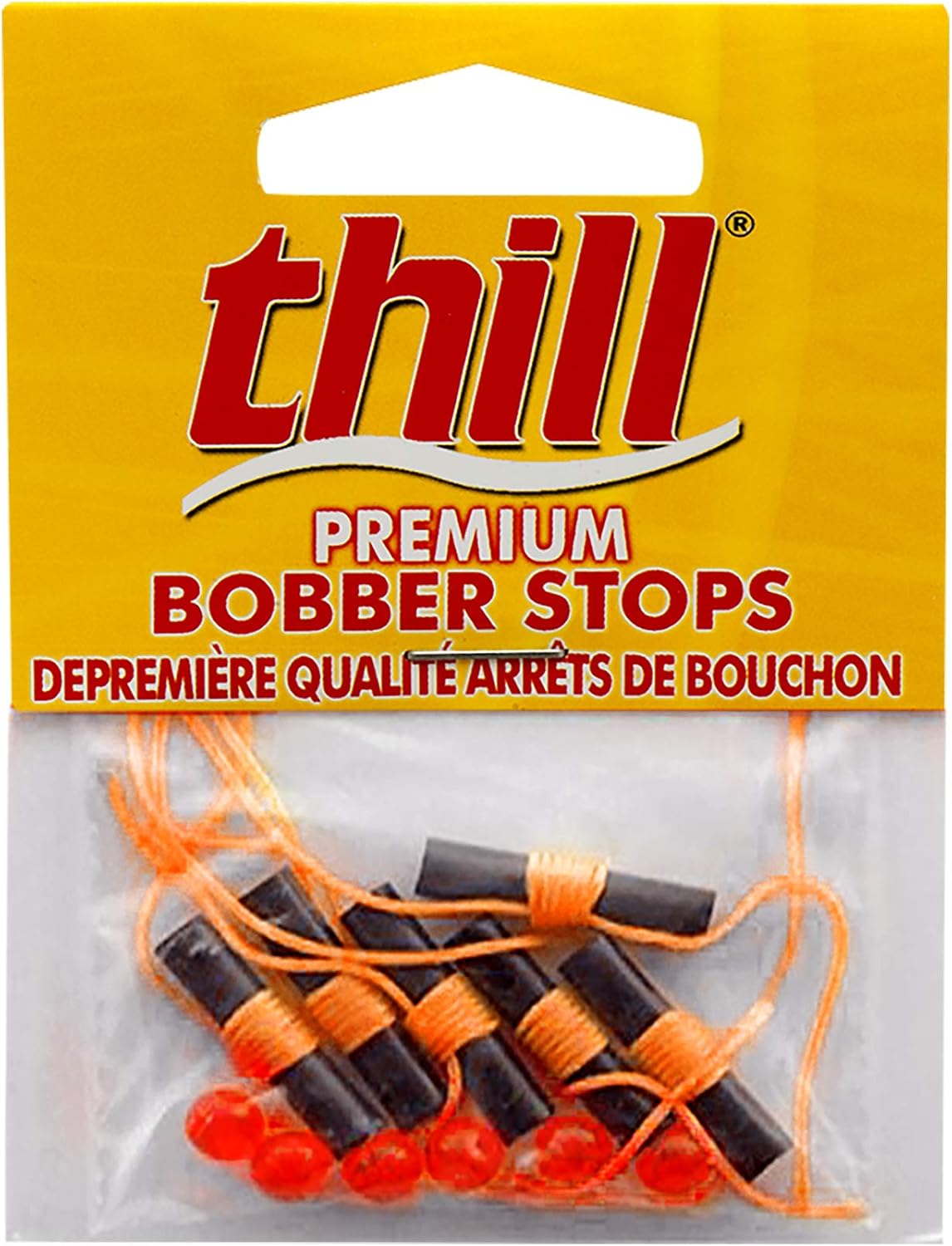
Quick verdict: Thill Premium Bobber Stops (6-Pack) is the #4 pick here, on 4.6-star Amazon buyer ratings (3,608 of them) and one clear job: setting the depth on a slip float.
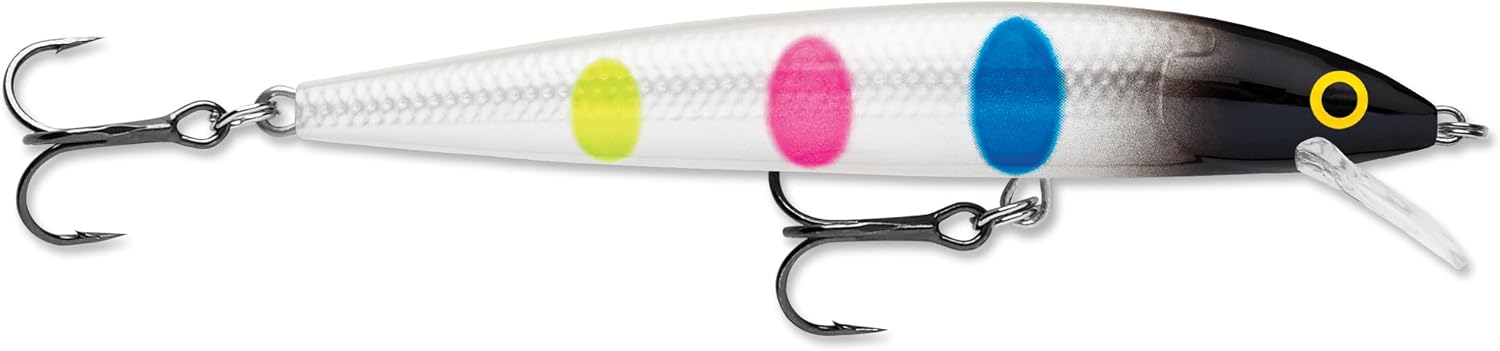
Quick verdict: Rapala Husky Jerk Suspending Jerkbait (3-1/8 in, 1/4 oz) is the #5 pick here, on 4.6-star Amazon buyer ratings (849 of them) and one clear job: shallow water after dark.
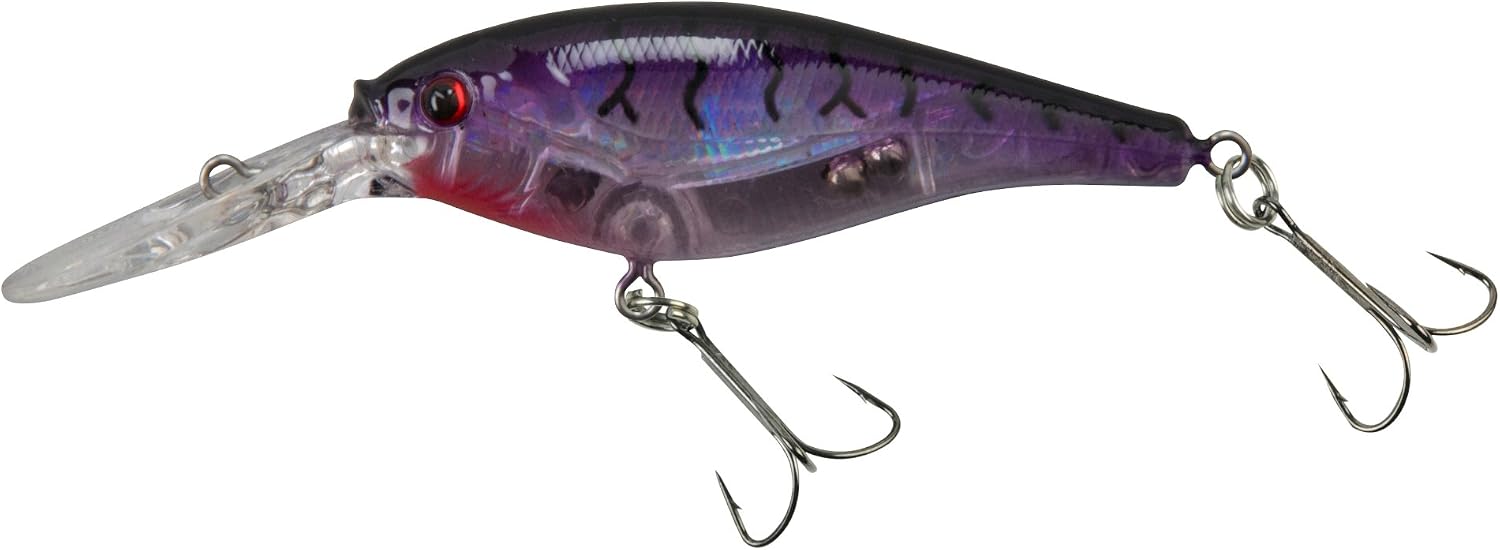
Quick verdict: Berkley Flicker Shad Crankbait (2-3/4 in, 5/16 oz) is the #6 pick here, on 4.7-star Amazon buyer ratings (1,276 of them) and one clear job: searching a drop-off.
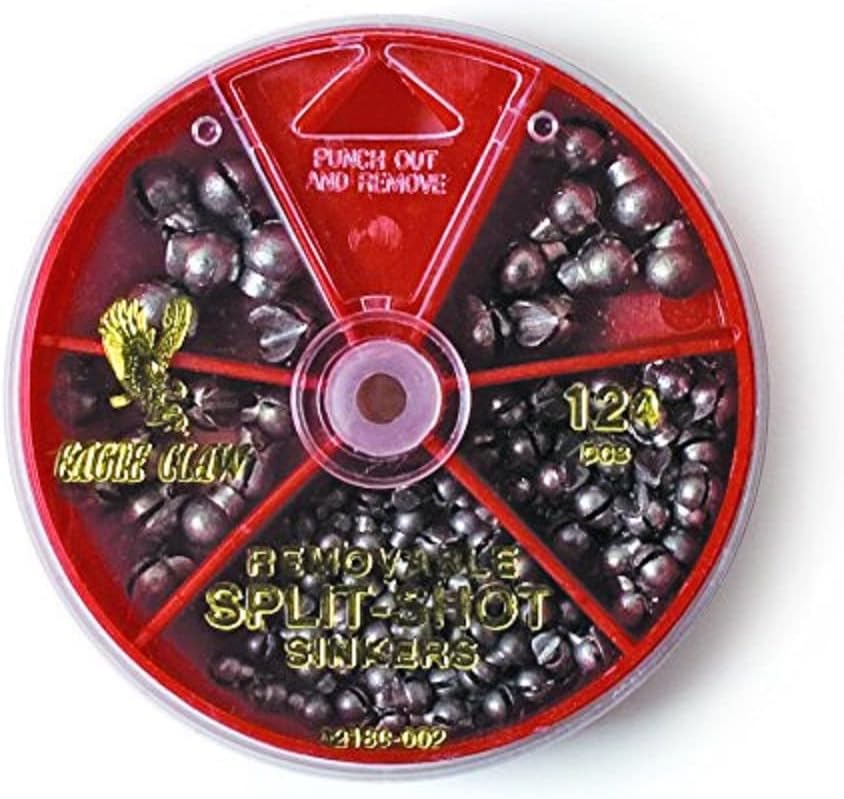
Quick verdict: Eagle Claw Removable Split-Shot Assortment (124-Piece) is the #7 pick here, on 4.6-star Amazon buyer ratings (832 of them) and one clear job: setting a float rig.
New Jersey Fish and Wildlife describes walleye as very sensitive to light and most active in low light, naming overcast days, choppy water, dawn, dusk and night as prime. Take that seriously when you spend money. Bright or glow jig heads and hi-vis floats are not decoration, they are what lets you see a float at 9pm and what gives a fish something to track in stained water. A headlamp stops being optional the first time you try to retie a bobber stop in the dark, and it is the one item on the shore walleye list that is not tackle at all.
Most walleye jig advice assumes you are dropping straight down off a boat, where an eighth ounce is plenty. From a bank you have to throw the thing, often into wind, and an eighth ounce head with a small plastic on it will not carry. Three eighths of an ounce is the honest shore default: it casts, it holds bottom in river current, and it still hops naturally on a slow retrieve. Keep a few lighter heads for calm evenings in a pond, but if you are buying one weight, buy the one that reaches the water you cannot walk to.
A slip float is worthless on its own. It slides freely up and down the line by design, so without a small stop knot above it the bait sinks to the bottom and the float sits flat on the surface doing nothing. The stop is what sets the depth, and it is what lets you reel the float down to the rod tip and cast the whole thing normally. Beginners buy the float, skip the sixty cent packet of stops, and conclude that slip floats do not work. Buy both in the same order.
The classic walleye jig presentation is a lead head tipped with a live shiner, and New Jersey Fish and Wildlife lists exactly that among its common methods. A live minnow bucket is fine from a boat or a truck. It is miserable on a two mile bank walk, it needs a bait shop that is open at 5am, and half the minnows die by noon. A jar of scented soft plastic keeps in a pocket for a season, threads onto the same jig head, and costs less than two bait shop trips. It is a genuine tradeoff rather than an upgrade, and mobility is what you get for it.
A three eighths ounce head with a small scented minnow threaded on, cast out and hopped back with the rod tip. Let it hit bottom, lift it a foot, let it fall on a semi-slack line, repeat. Almost every walleye takes it on the fall, so the bite feels like the line going light or the weight simply vanishing rather than a thump. Reel down and lift when anything feels different.
Tie a stop knot at the depth you want, thread a bead, then the float, then a couple of split shot and a hook or small jig. New Jersey Fish and Wildlife specifically recommends slip floats where deep water is close to shore in summer. Set it so the bait hangs a foot or two off the bottom, cast it out, and let the float do your bite detection while you watch it instead of feeling for takes.
This is when walleye come up into the shallows and cruise, and a long thin bait swum slowly along a rocky shoreline or a bridge light line is the classic way to meet them. Keep the retrieve slower than feels right, and pause it. A suspending bait hangs in place during the pause instead of floating up, which is often the moment a following fish commits.
The first walleye is mostly a timing problem rather than a tackle problem. Do these in order and the fishing part gets much simpler.
Every wildlife agency publishes which lakes and rivers hold or get stocked with walleye. New Jersey names the Delaware River, Greenwood Lake, Monksville Reservoir, Swartswood Lake, Lake Hopatcong and Canistear Reservoir, and says fish of three to seven pounds are not uncommon in them. Fishing a pond that has never held a walleye is the most common way to blank.
Walleye carry a minimum length and a daily limit in most states, and some waters have their own closed season or a different limit from the statewide rule. Read the page for the specific water before you go, and put a tape measure in the bag.
Aim to be on the bank for the hour before sunset and to stay for the hour after it, or arrive before dawn. That is the guidance the state gives, and it matters more than anything you tie on. A grey windy afternoon is the one daylight condition worth fishing.
Walk the bank first and look for a rocky point, a dam face, a bridge abutment, a channel edge or a dock with depth under it. Fish the edge where shallow drops into deep rather than the middle of a flat. Spending twenty minutes finding that edge beats two hours of casting at random water.
Fan-cast the jig across the drop for half an hour, counting it down and hopping it back. If you are losing rigs in the rocks or nothing is happening on the bottom, tie on the float rig and set the bait a foot off the bottom instead. Two rigs and one spot is a better plan than one rig and five spots.
A walleye taking a jig on the fall often feels like nothing at all. The line goes slack early, or the jig simply feels lighter than it should, or the line moves sideways. Reel down until you feel weight and lift steadily rather than swinging hard. There is no need for a bass-style hookset with a sharp jig hook.
Walleye have sharp teeth and sharp gill plates, so grip across the back rather than in the mouth, and use pliers on the hook. Measure it against the state minimum before deciding whether it goes in the cooler or back in the water, and put a keeper on ice straight away rather than on a stringer in warm shallows.
Once you know which kit type fits your situation, dig into each gear category for in-depth picks and buying advice:
Want to browse beyond the ranked picks? Filter and sort the full walleye fishing gear listing below.
Yes, and the state agencies say so directly. New Jersey Fish and Wildlife's walleye page states that shoreline fishing, including from docks, is effective, particularly in spring and fall when walleye are in shallower water, and it recommends slip floats for summer where deep water sits close to shore. The catch is timing rather than location. Walleye are light sensitive and hold deep during bright daylight, so a bank angler fishing noon in July is fishing water the fish left hours earlier. Go at dawn, in the last hour of light, after dark or on a grey windy day, and the same bank produces.
Reader-supported and free of paid placements. Every pick is ranked on published specs and Amazon buyer ratings, not on who pays us.
Each pick is compared on published specs, materials, design, and category fit across the major brands.
Rankings factor in how well each product matches common freshwater fishing needs, not just popularity.
Star ratings and review volume from Amazon buyers are factored in to reflect real-world satisfaction.
A pick earns its spot by delivering useful performance for the money, whether budget or premium.
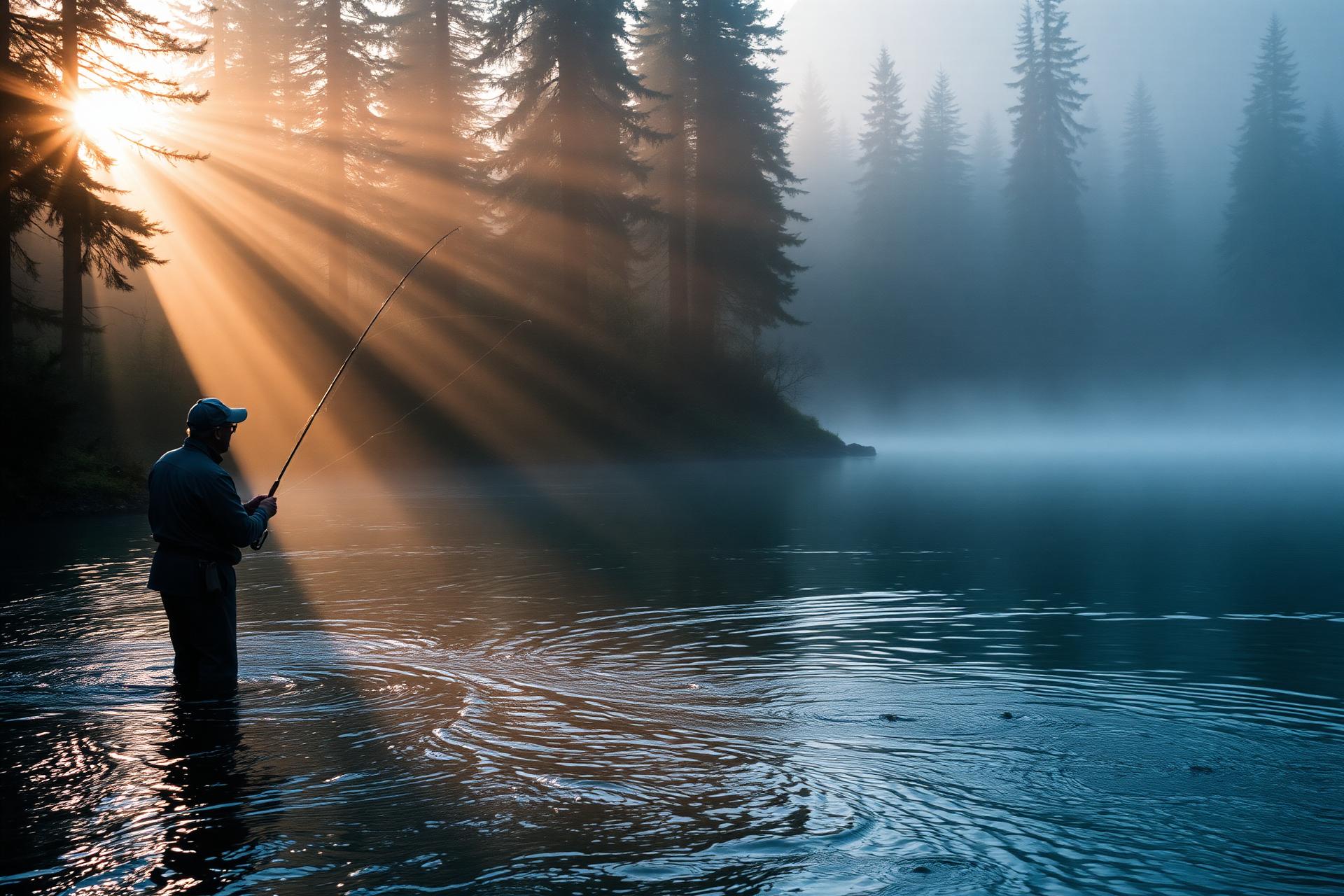
No rod or reel is ranked here, on purpose. A walleye outfit is a six and a half to seven foot medium-light spinning rod with a 2500 size reel, which is the same rod another guide on this site already compares in detail. Own one of those and you own a walleye rod.
See rods under $100