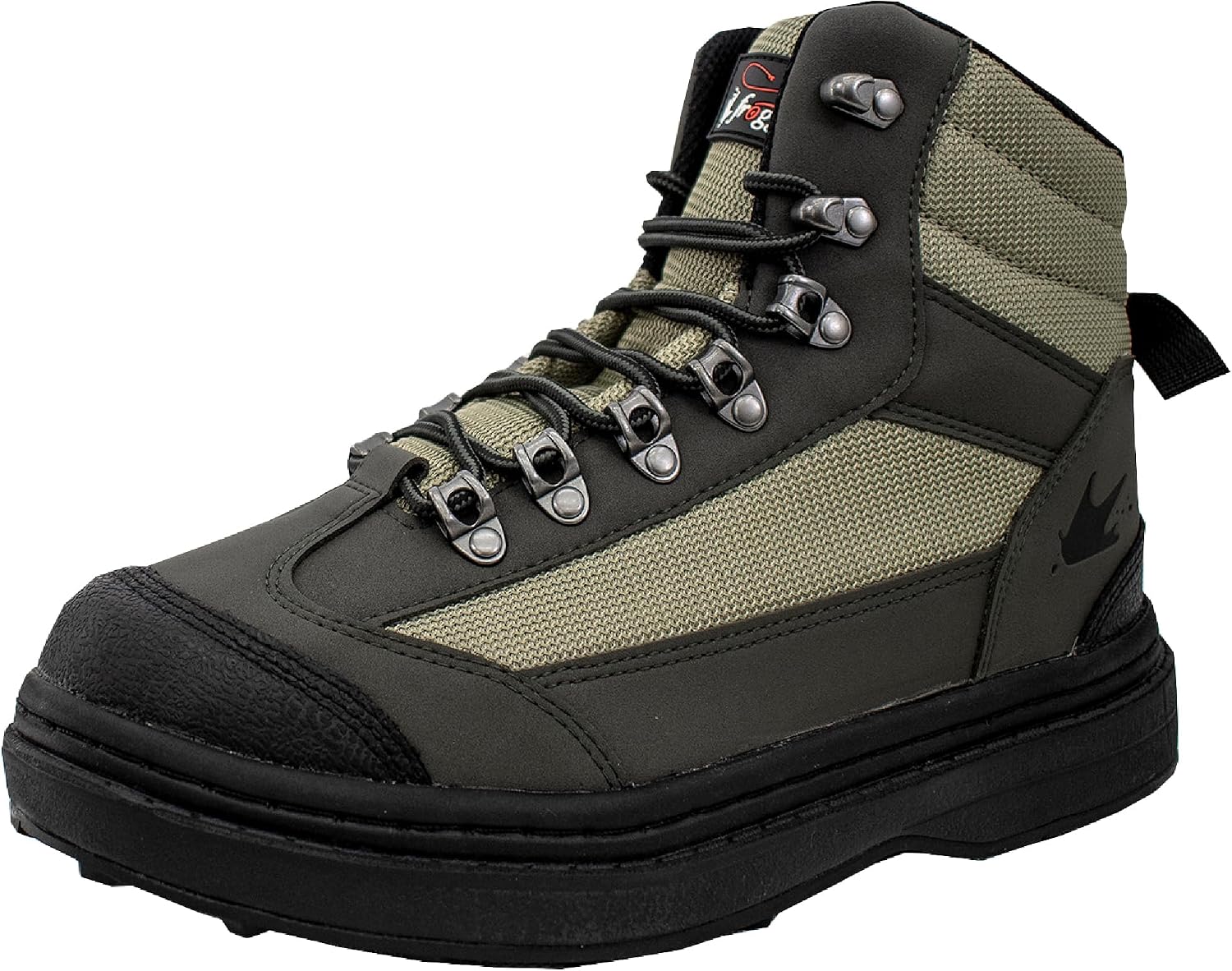
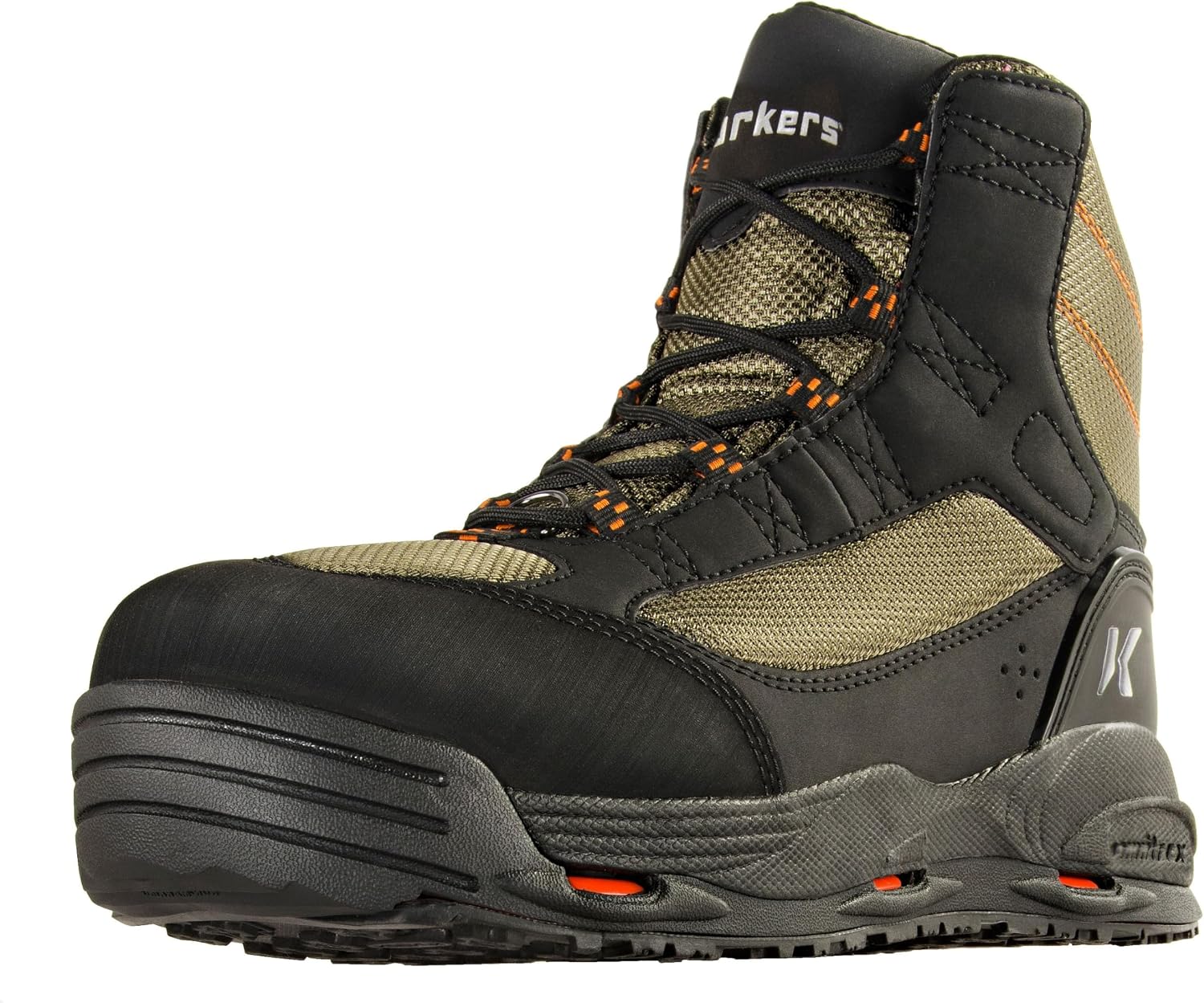
FROGG TOGGS Hellbender Wading Boot (Cleated Sole)
ASIN B07YSTHNXLFROGG TOGGS Hellbender Wading Boot (Cleated Sole) ranks in the top 1 by combining 4.5-star Amazon buyer ratings (2,222 ratings) with a clear practical role: young anglers.
Check Price
Your waders keep the water out. Your boots keep you upright. Seven wading boots from $52 to $230, compared on sole type, fit and Amazon buyer ratings rather than on anything we claim to have tested.
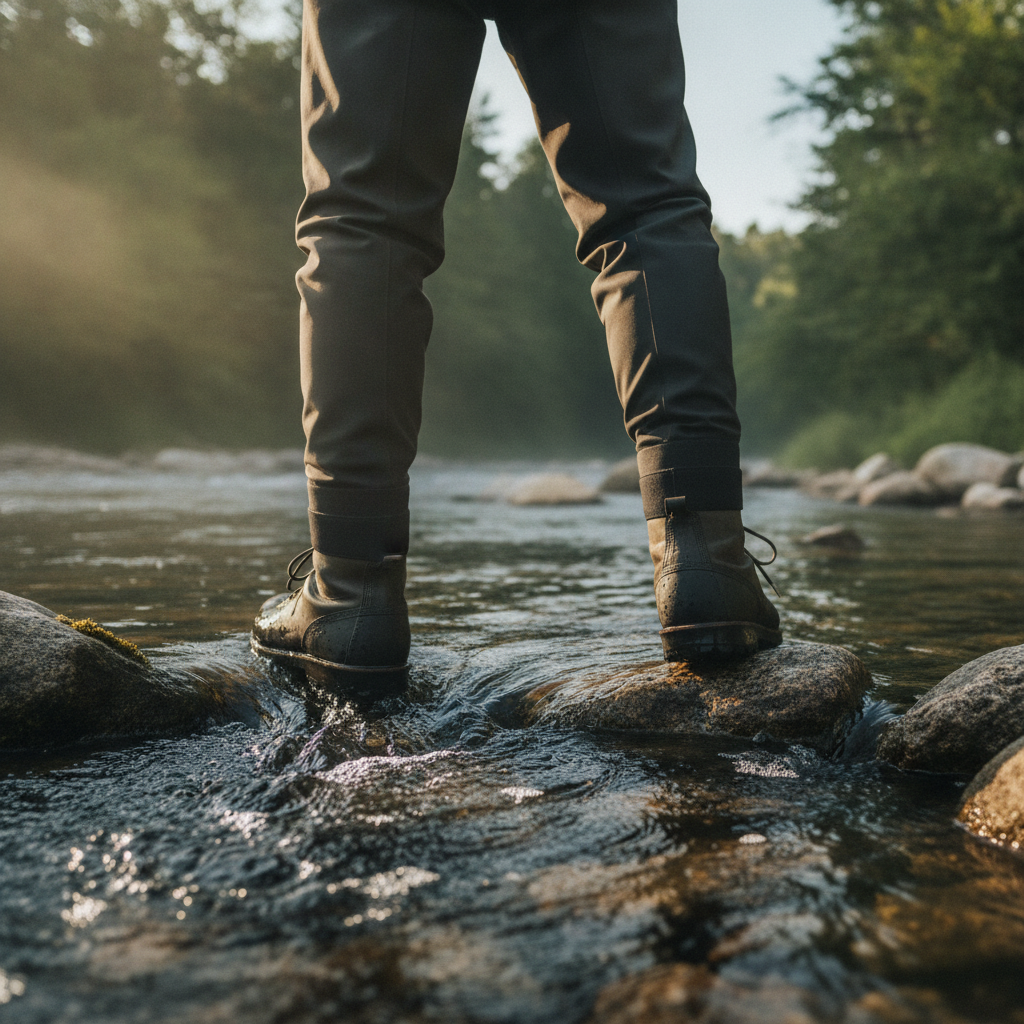
Nothing ends a day on a trout stream faster than going down on wet rock. Wading boots exist for one job, and it is not keeping water out. Your waders already do that, and the boots fill with water on purpose. What you are buying is grip, ankle support and something tough enough to survive being dragged across gravel all season. The sole underneath is the whole argument.
Felt holds onto slick, algae-slimed freestone better than anything else, which is why guides fished nothing else for decades. It also soaks up water and mud and carries whatever lives in them to the next river, so five states banned it statewide: Alaska, Maryland, Nebraska, Rhode Island and South Dakota. Missouri bans it on trout parks, trout streams and Lake Taneycomo, and Yellowstone National Park has banned it since 2018. Rubber lug soles are legal everywhere, walk far better on the bank, and grip well enough on most bottoms. On polished bedrock they lose to felt unless you screw studs into them, which costs about twenty dollars and takes ten minutes.
Seven boots below, roughly $52 to $230. Star ratings and review counts belong to Amazon's buyers, and the construction details come from the manufacturers. Tom has not worn any of these, so none of it is written as though he had. One thing worth knowing before you order: go a full size up from your street shoe. A neoprene wader bootie takes up far more room than a sock, and a boot that fits in the box will crush your foot by hour two.
The first two items are the setup. Everything after that is what you add once you find yourself standing in moving water on purpose rather than by accident.
Sized a full size up from your street shoe, with a cuff tall enough to hold your ankle and lace hardware you can cinch tight with cold hands. This is the item that stops you falling in.
Boots and stockingfoot waders are a single system. Waders that end in a neoprene sock go inside the boot, which is what makes the fit and grip so much better than the attached boots on a bootfoot pair.
Elastic cuffs that stretch over the boot top and keep sand and gravel out. Grit inside a boot wears through a neoprene bootie and turns a dry pair of waders into a wet one. Most decent waders include them.
Cinched at the waist, over the waders, every single time. If you go down, the belt is what stops your waders filling and turning into an anchor. Costs almost nothing and is the single most important safety item here.
Carbide or aluminum studs turn a rubber lug sole into something that bites polished rock. About twenty dollars for a pack and ten minutes with a hex driver. Leave them out if you fish from someone's boat.
A collapsible pole gives you a third point of contact in fast water and doubles as a depth probe. Anyone wading above the knee in current should own one, and most people buy one only after a swim.
Somewhere for soaked, gritty boots to live on the drive home that is not your trunk carpet. A cheap plastic tote works, and it keeps the drying process honest instead of leaving them in a sealed bag.
The upper matters far less than what is glued to the bottom. Pick the sole for the water you actually fish and the rules that apply to it, then compare brands.
A dense wool-like pad that conforms to wet stone and holds where rubber slides. The best grip available on algae-covered rock, and usually the cheapest boot in the shop. Poor on mud and terrible on a steep bank, slow to dry, and illegal in five states outright plus Missouri's trout water.
A studdable lugged outsole, closer to a hiking boot. Legal everywhere, grips mud and trails properly, and dries fast enough to clean between trips. Gives up real traction on polished bedrock unless you add studs, which most owners eventually do.
Rubber lugs with metal studs already set into them. The practical compromise most modern anglers land on, because it keeps rubber's legality and walkability while biting hard on wet rock. Noisy on stone and unwelcome on drift boat floors.
The outsole clips off and a different one clips on, so one pair covers felt water and rubber water. Genuinely useful if you travel, and the swap takes a couple of minutes in the parking lot. You pay a premium and you have to remember to bring the spare sole.
Short on time? Start with these top-rated wading boots picks.

FROGG TOGGS Hellbender Wading Boot (Cleated Sole) ranks in the top 1 by combining 4.5-star Amazon buyer ratings (2,222 ratings) with a clear practical role: young anglers.
Check Price
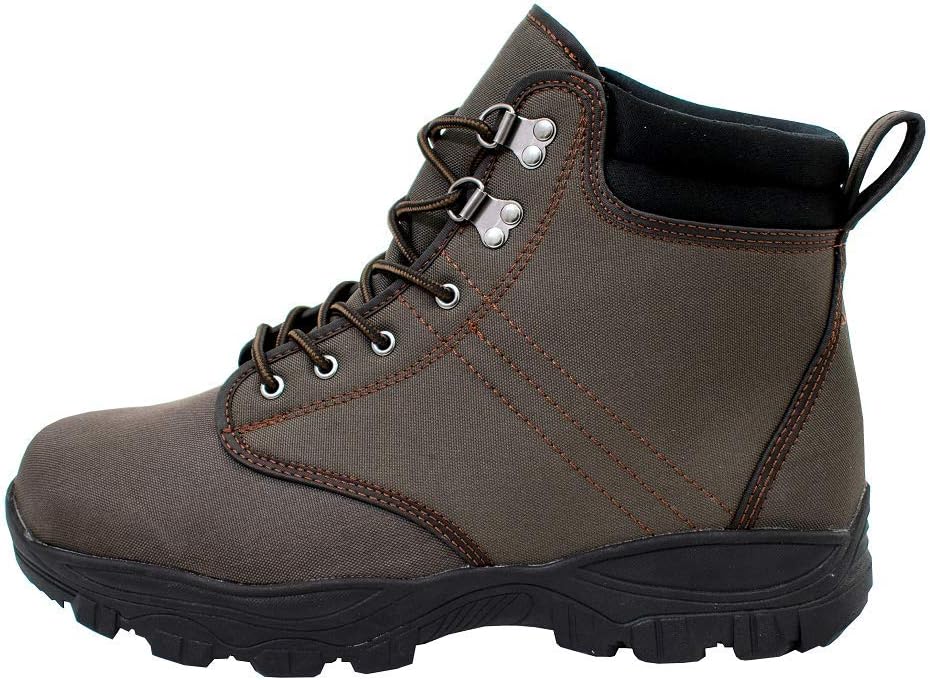
FROGG TOGGS Rana Elite Wading Boot (Lugged Rubber Sole) ranks in the top 2 by combining 4.4-star Amazon buyer ratings (361 ratings) with a clear practical role: young anglers.
Check Price
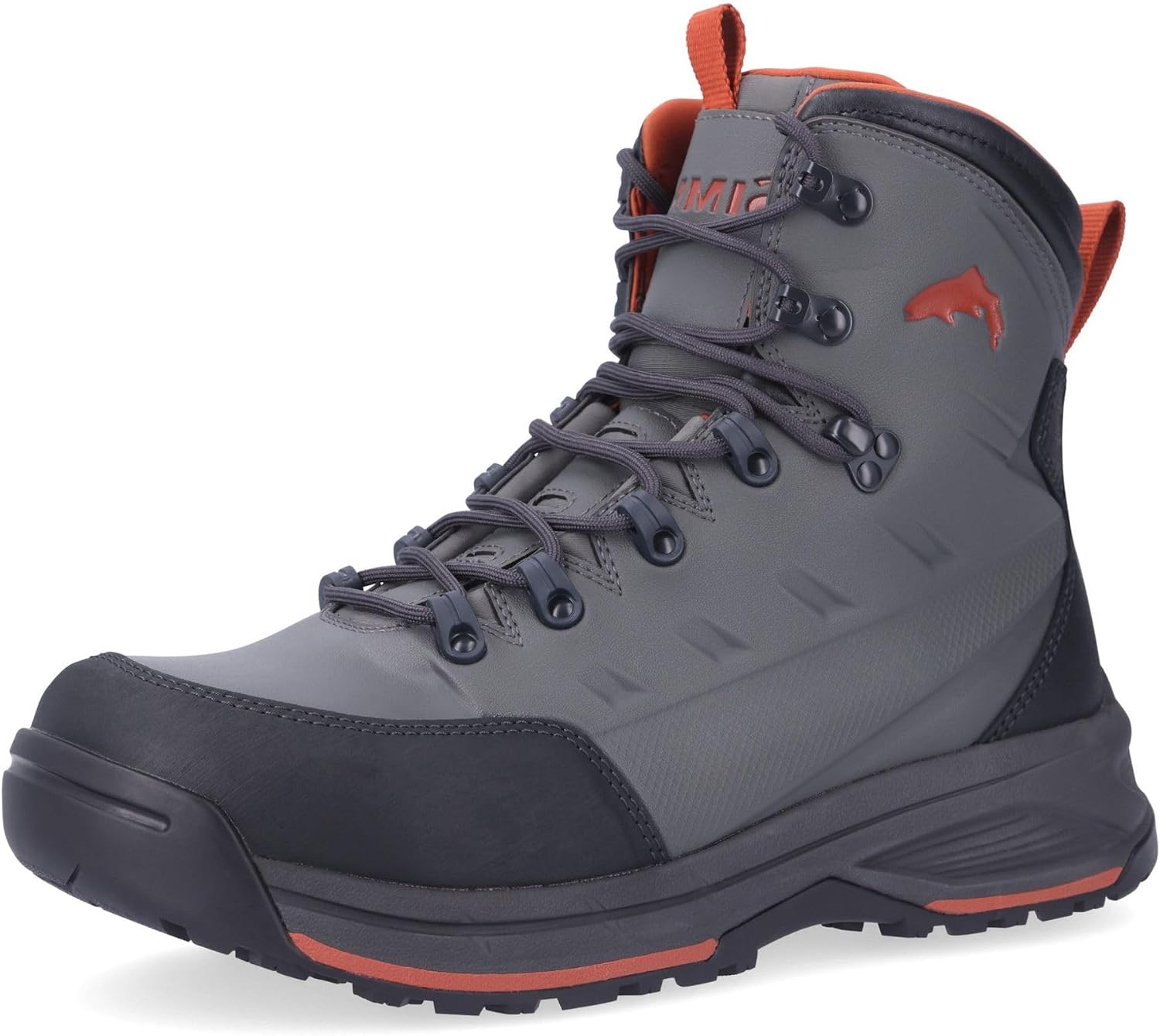
Simms Freestone Wading Boot (Rubber Sole) ranks in the top 3 by combining 4.7-star Amazon buyer ratings (90 ratings) with a clear practical role: young anglers.
Check PriceDetailed picks with verdicts, strengths, tradeoffs, and the situations where each one makes the most sense.

Quick verdict: FROGG TOGGS Hellbender Wading Boot (Cleated Sole) ranks in the top 1 by combining 4.5-star Amazon buyer ratings (2,222 ratings) with a clear practical role: young anglers.

Quick verdict: FROGG TOGGS Rana Elite Wading Boot (Lugged Rubber Sole) ranks in the top 2 by combining 4.4-star Amazon buyer ratings (361 ratings) with a clear practical role: young anglers.

Quick verdict: Simms Freestone Wading Boot (Rubber Sole) ranks in the top 3 by combining 4.7-star Amazon buyer ratings (90 ratings) with a clear practical role: young anglers.

Quick verdict: Korkers Greenback Wading Boot (Interchangeable Felt and Kling-On Soles) ranks in the top 4 by combining 4.6-star Amazon buyer ratings (616 ratings) with a clear practical role: young anglers.

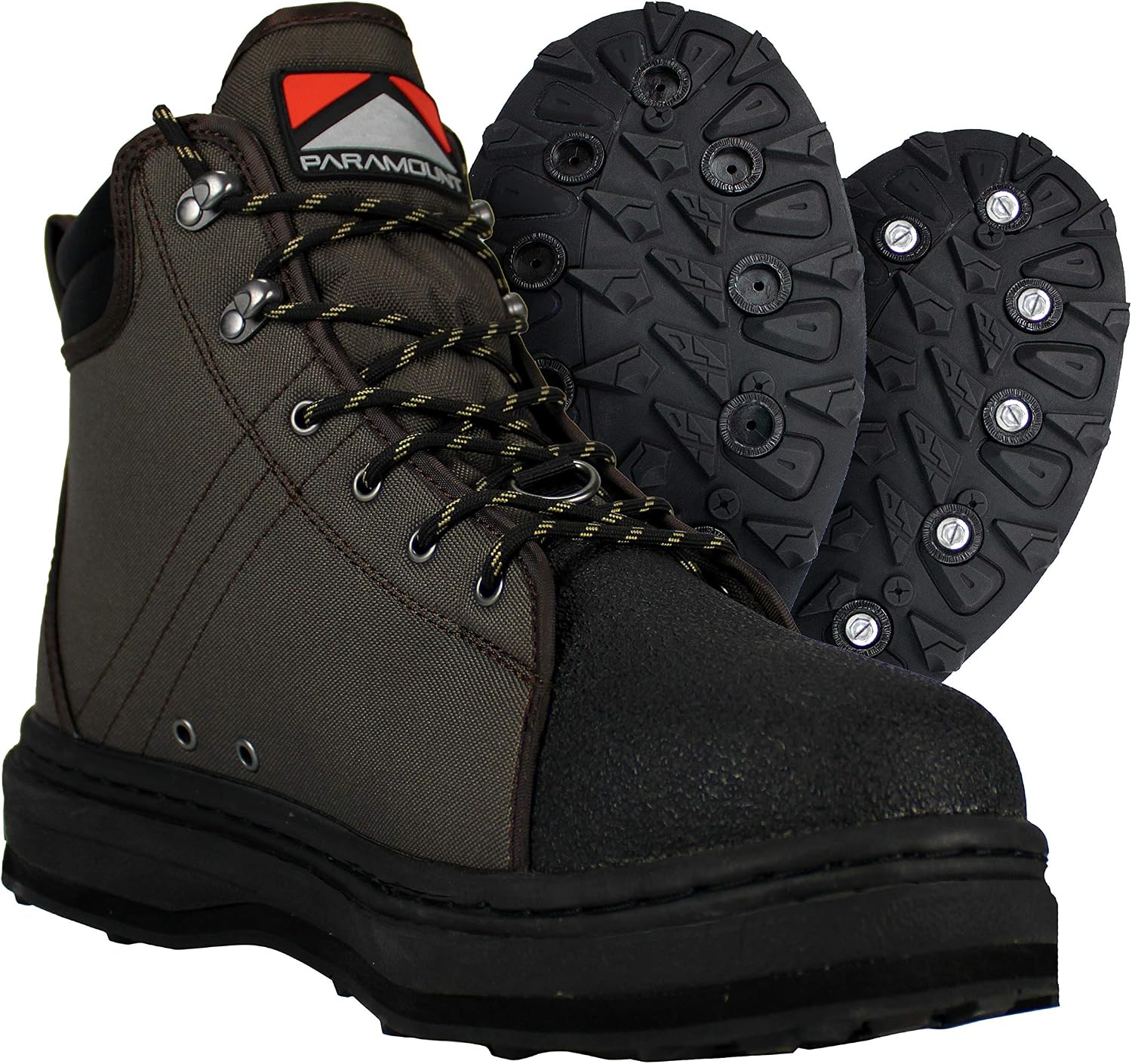
Quick verdict: Paramount Outdoors Stonefly Wading Boot (Studded Rubber Sole) ranks in the top 5 by combining 4.6-star Amazon buyer ratings (413 ratings) with a clear practical role: young anglers.

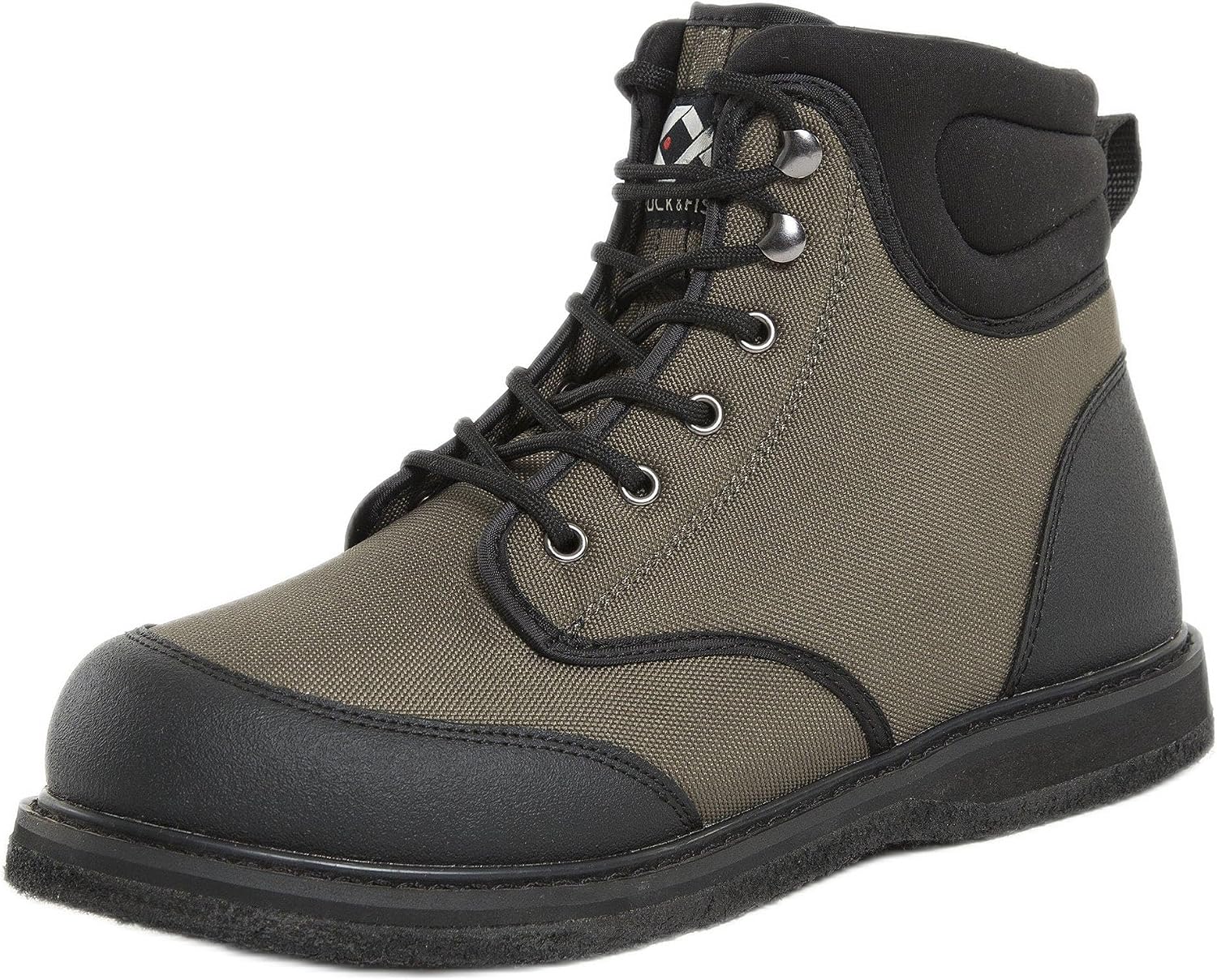
Quick verdict: Duck and Fish Men's Felt Sole Wading Shoe ranks in the top 6 by combining 4.3-star Amazon buyer ratings (324 ratings) with a clear practical role: young anglers.

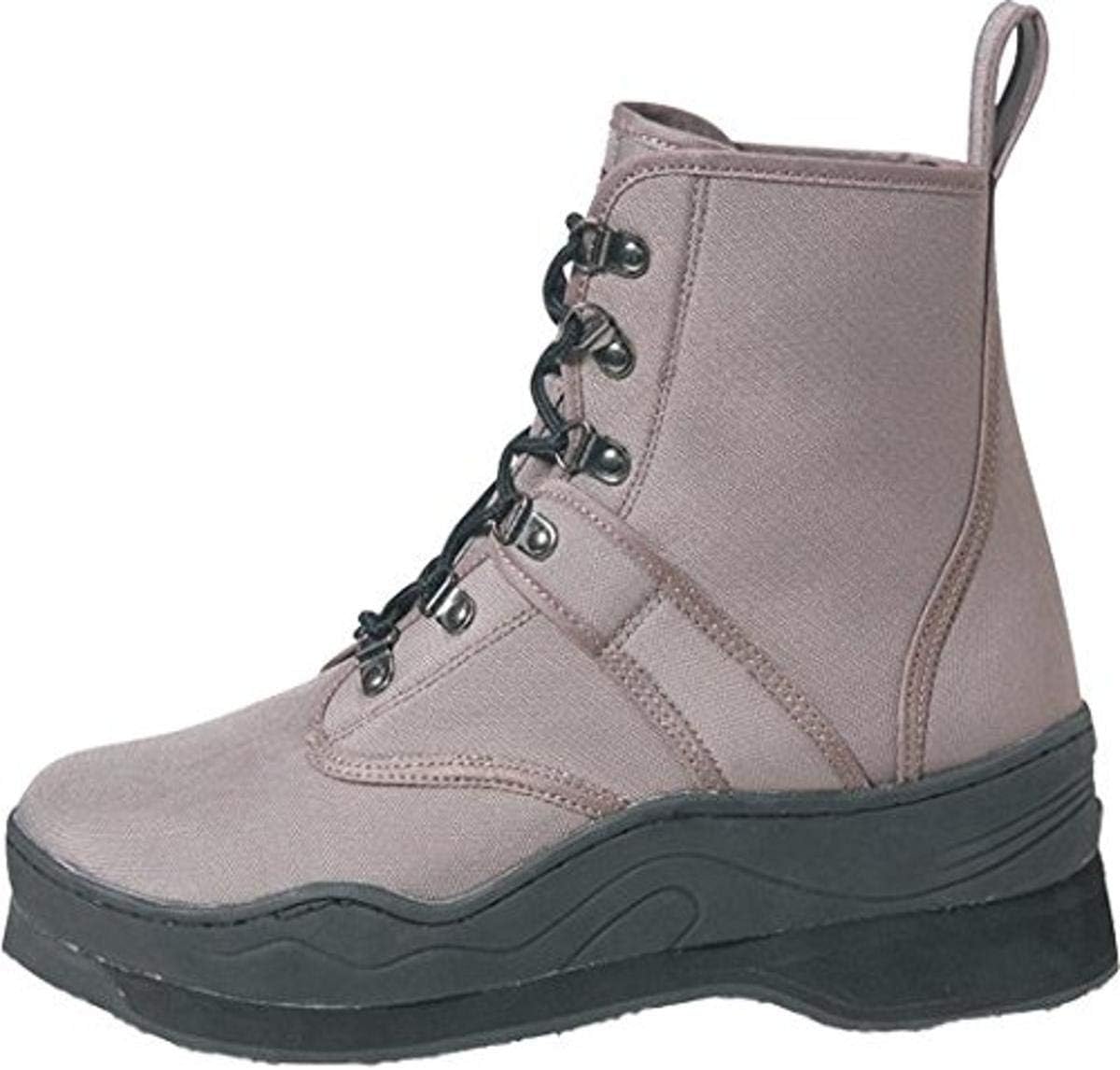
Quick verdict: Caddis Wading Systems Felt Sole Wading Shoe ranks in the top 7 by combining 4.3-star Amazon buyer ratings (240 ratings) with a clear practical role: young anglers.
Felt beats rubber on slick bedrock and algae-covered freestone, and it is not close. Rubber beats felt on the walk in, on muddy banks and on anything you have to climb. The tiebreaker is usually legal rather than technical: if your home water sits in a felt-ban state, or you drive to fish more than one river, rubber is the only sole that goes everywhere with you. Check your state's regulations page before you spend anything.
Carbide or aluminum studs screw into a rubber outsole and close most of the gap to felt on wet rock. A pack runs around fifteen to twenty-five dollars and installs with a hex driver in one sitting. Some boots ship studded already. Skip studs if you fish from a drift boat or a raft, because metal chews up boat floors and most guides will ask you to take them out.
Wading boots go over a neoprene bootie, not a sock, so order one full size above your normal shoe. Two if you plan on heavy wool socks in winter. Once the size is right, the thing that matters is ankle height and lace hardware. A tall cuff with speed hooks locks your heel down, and a locked heel is what stops your ankle rolling when a rock shifts under you in current.
Every wading boot floods. The good ones dump that water fast through side ports and mesh panels, so you are not hauling two extra pounds per foot back to the car. Fast drying matters for a second reason: damp felt and damp mesh are how invasive species hitch a ride between watersheds. A boot that dries overnight is a boot you can actually clean between trips.
Nothing grips greasy, algae-coated rock like felt, and if your water is legal for it and you are not carrying the boots to another watershed, it is still the honest answer. Cheapest route to confident footing.
Rubber is legal in every state and walks better on the trail. Add screw-in carbide studs for about twenty dollars and you get most of felt's bite back on wet rock, with none of the paperwork.
A boot with a swappable outsole lets you run felt at home and rubber on a trip, changed in the parking lot in a couple of minutes. You pay more upfront and you carry a spare sole, but you stop owning two pairs of boots.
Good boots buy you traction, not judgement. Almost every wading accident comes from a decision made before the slip, not from the slip itself.
Cinch the wading belt at your waist over the waders, tight enough that it stays put. Waders do not pull you under the way the old stories say, but a bellyful of cold river will absolutely stop you standing up, and the belt limits how much gets in.
Pick your entry, your route and your exit before your feet are wet. Smooth glassy water is usually deep, riffled water is usually shallower, and a line of standing waves means current strong enough to move you. Never wade into something you cannot see a way out of.
Slide your feet along the bottom rather than lifting them. A lifted foot means one point of contact and a guess about where the next rock is. Shuffling keeps both feet loaded, finds the gaps before you commit weight, and is the single habit that separates confident waders from wet ones.
Move at an angle into the current rather than straight across it. Turning your back on moving water puts the push behind your knees, which is exactly the direction they fold. Keep your body narrow to the flow and take small steps.
Above the knee in fast water is where a mistake stops being funny. If the current is pushing hard at mid-thigh, or the bottom drops away, go back. The fish on the far bank is not worth it, and there is almost always a better angle from where you already are.
Brush the mud and grit off the soles and seams, then let the boots dry all the way through, ideally a couple of days. Wet felt in particular carries didymo and whirling disease spores between watersheds, and drying is the cheapest way to stop it.
Once you know which kit type fits your situation, dig into each gear category for in-depth picks and buying advice:
Want to browse beyond the ranked picks? Filter and sort the full wading boots listing below.


Sneakers work right up until they do not. They have no ankle support, the soles are tuned for dry pavement, and the mesh packs full of gravel that grinds against your wader booties until they leak. Plenty of people start out in old trainers on gentle water and get away with it. The moment you are standing in current above your knees on rock you cannot see, a proper boot with a locked-down heel and a sole built for wet stone is a safety item, not a luxury.
Reader-supported and free of paid placements. Every pick is ranked on published specs and Amazon buyer ratings, not on who pays us.
Each pick is compared on published specs, materials, design, and category fit across the major brands.
Rankings factor in how well each product matches common freshwater fishing needs, not just popularity.
Star ratings and review volume from verified Amazon buyers are factored in to reflect real-world satisfaction.
A pick earns its spot by delivering useful performance for the money, whether budget or premium.

Wading boots only make sense with stockingfoot waders under them, and the pair you choose changes what size boot to order. Sort that out first if you have not already.
See Fishing Waders