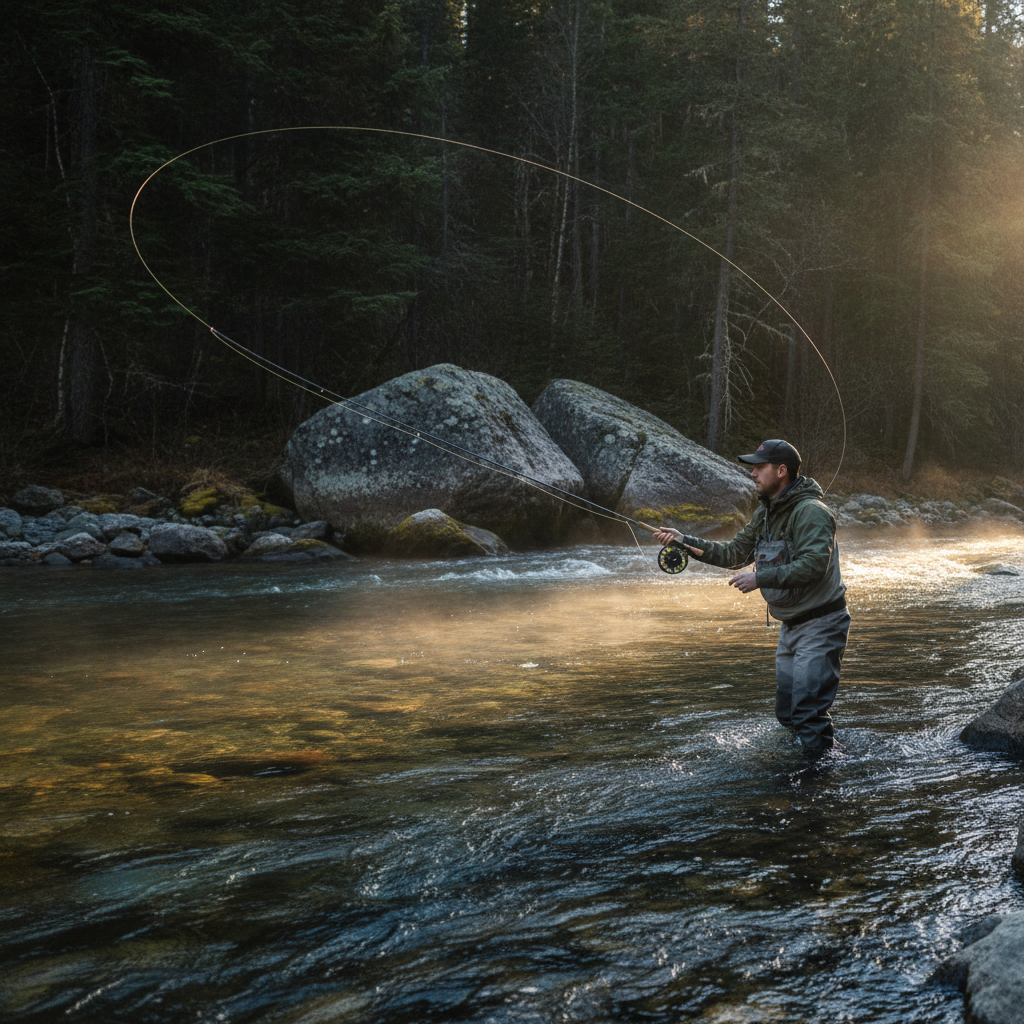
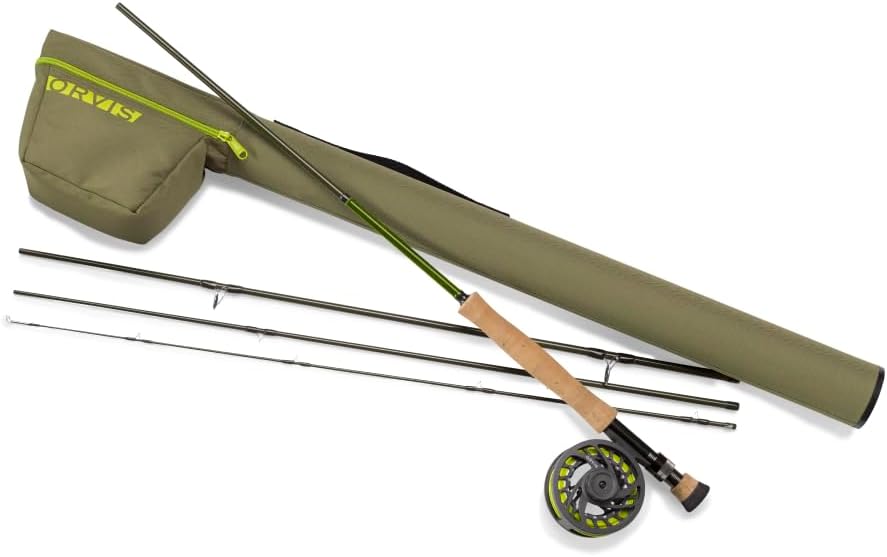
Fly fishing is the one kind of fishing where you cast the line instead of the lure. A fly weighs almost nothing, so the weight that bends the rod and carries everything out to the fish is the fly line itself. Which is why a matched combo is the right first purchase. The rod carries a weight rating, the line carries a weight rating, and the reel has to hold that line plus backing without throwing the whole thing out of balance. Get those three out of sync and casting feels like a fight. A matched, pre-spooled combo works the afternoon it shows up.
Two numbers decide most of it: line weight and rod length. Line weight runs from 1 to 12 and describes how heavy the line is, which in turn sets the size of fly you can throw and the size of fish you can handle. A 5-weight is the default answer, and it earns it. It lays a dry fly in front of a trout, throws a small popper at bluegill, and still has enough spine for a decent smallmouth. Drop to a 3- or 4-weight only if your water is a brushy creek full of small trout. Move up to a 6-weight if bass and wind are your normal conditions. Length is simpler: 9 feet is standard, and the extra reach buys you line control on open water. Shorter rods exist for tight streams where a 9-footer would hang in the branches behind you.
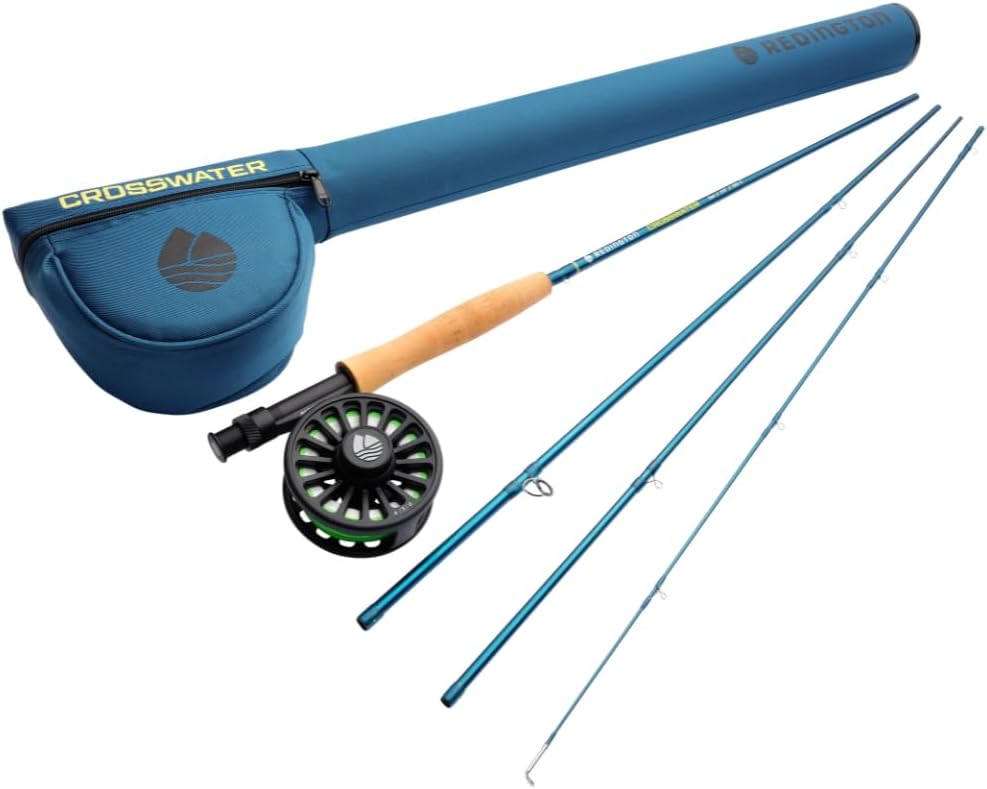
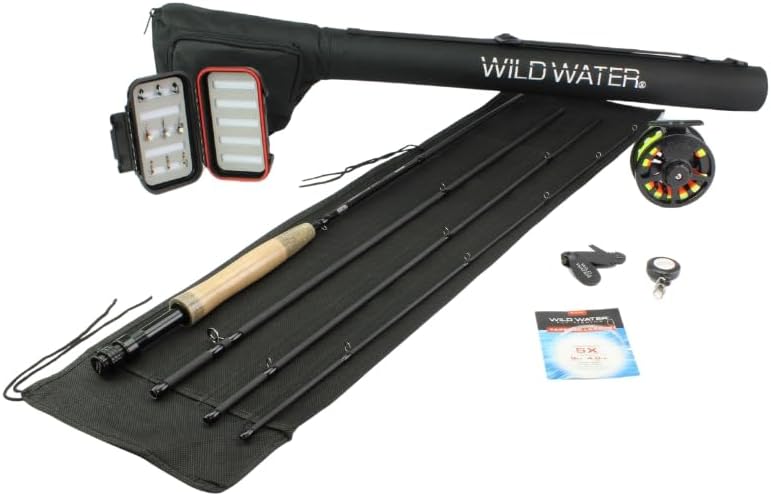
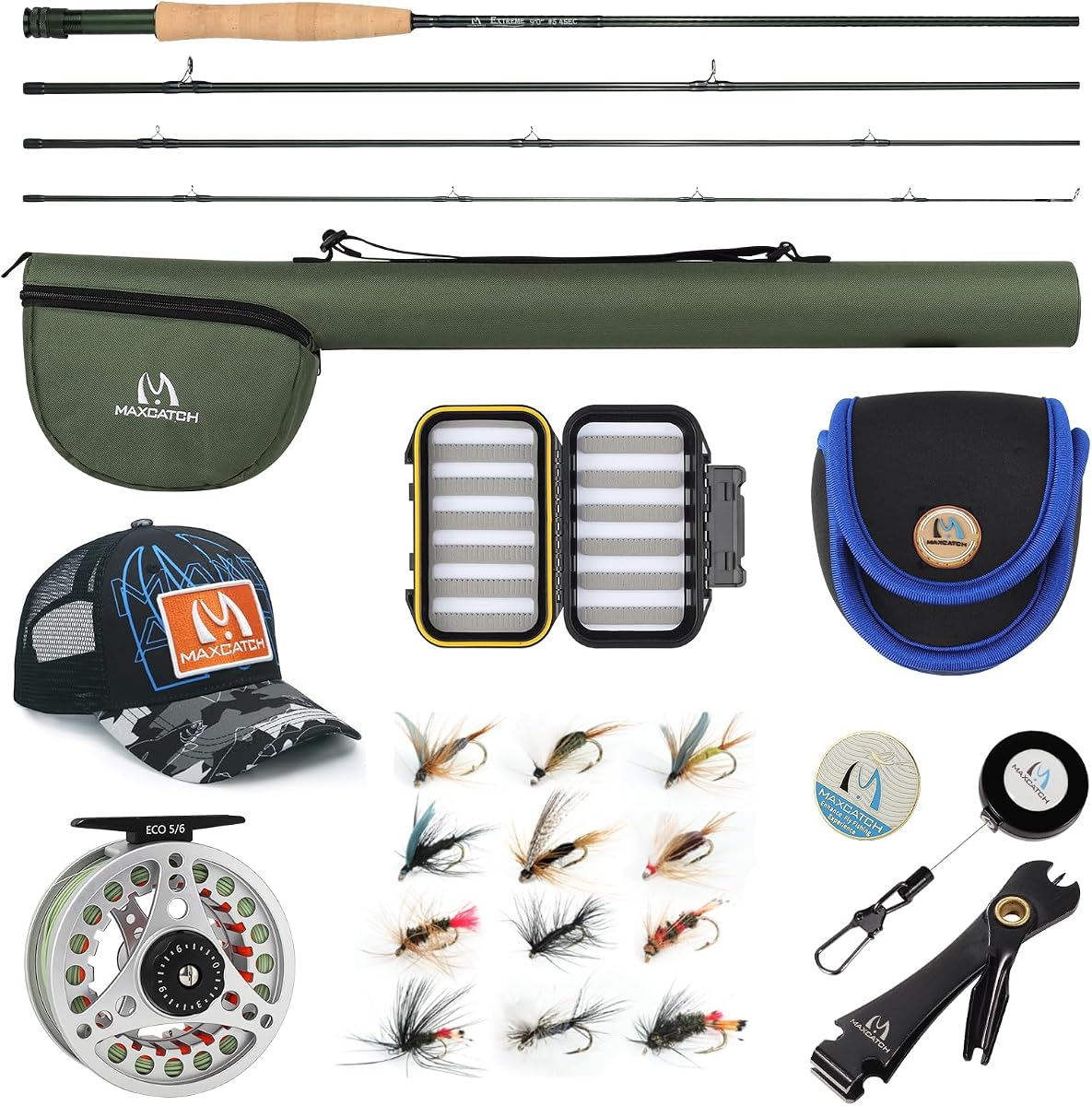
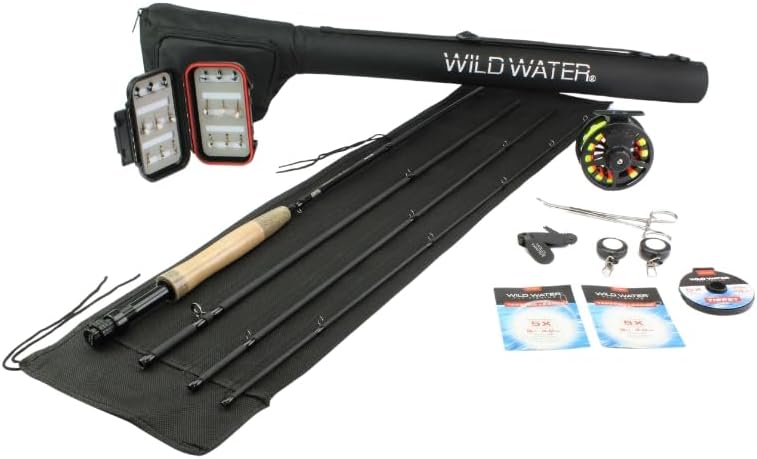
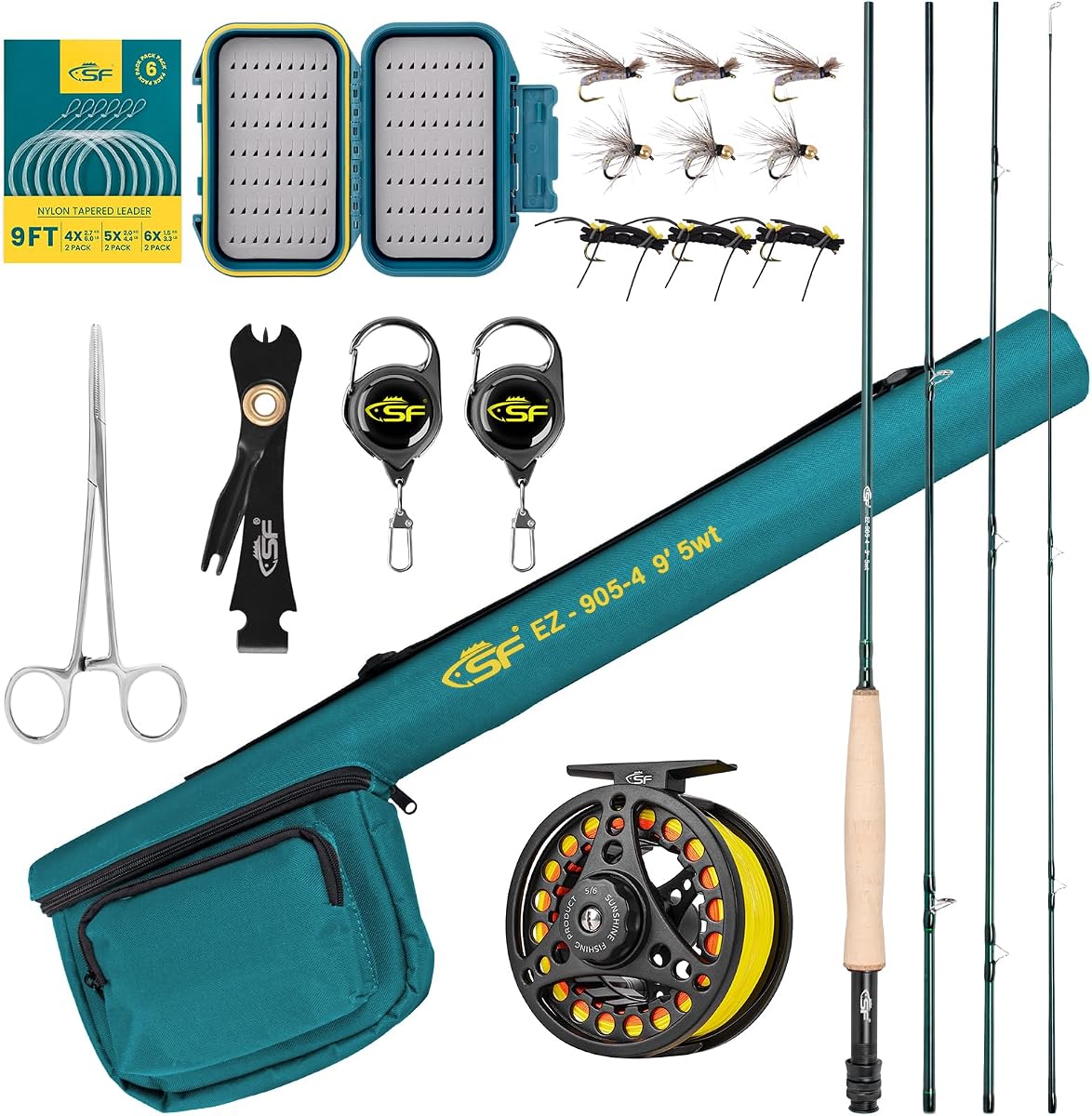
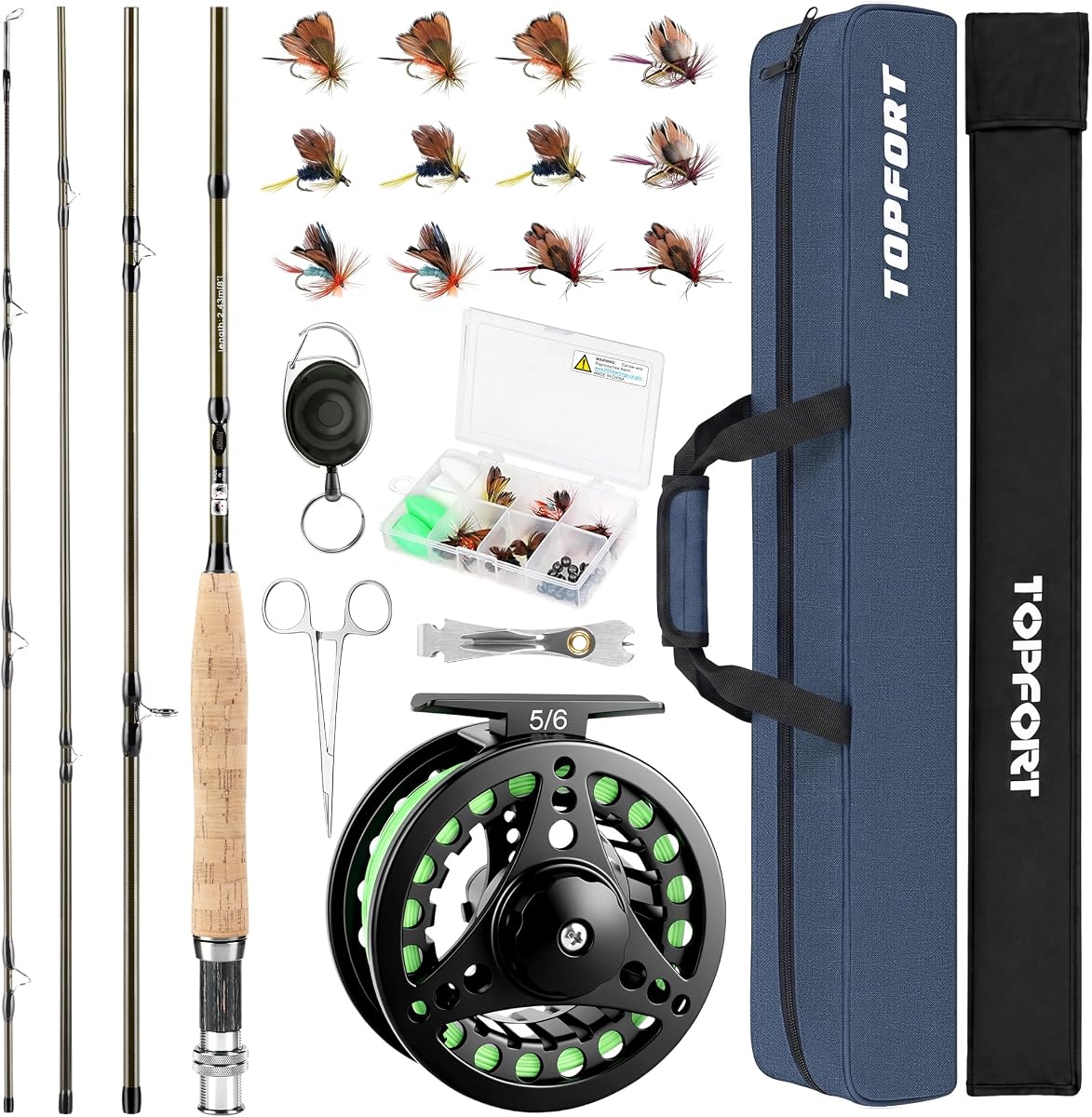
After that, combos differ in what is actually in the box and how quickly the rod settles down. Some ship as a complete kit with flies, a box, and the small tools already inside, so you can drive straight to the water. Others hand you rod, reel, line, backing, and leader and assume you will buy flies nearby, which is often smarter because a local shop knows what is hatching this week. Blank quality shows up as recovery, meaning how fast the rod stops wobbling once you stop moving it, and that is what lets a loop stay tight instead of collapsing. The picks below cover both formats, from a complete kit well under a hundred dollars to a name-brand outfit with a warranty behind it, ranked by buyer ratings.