
Best Overall Step-Up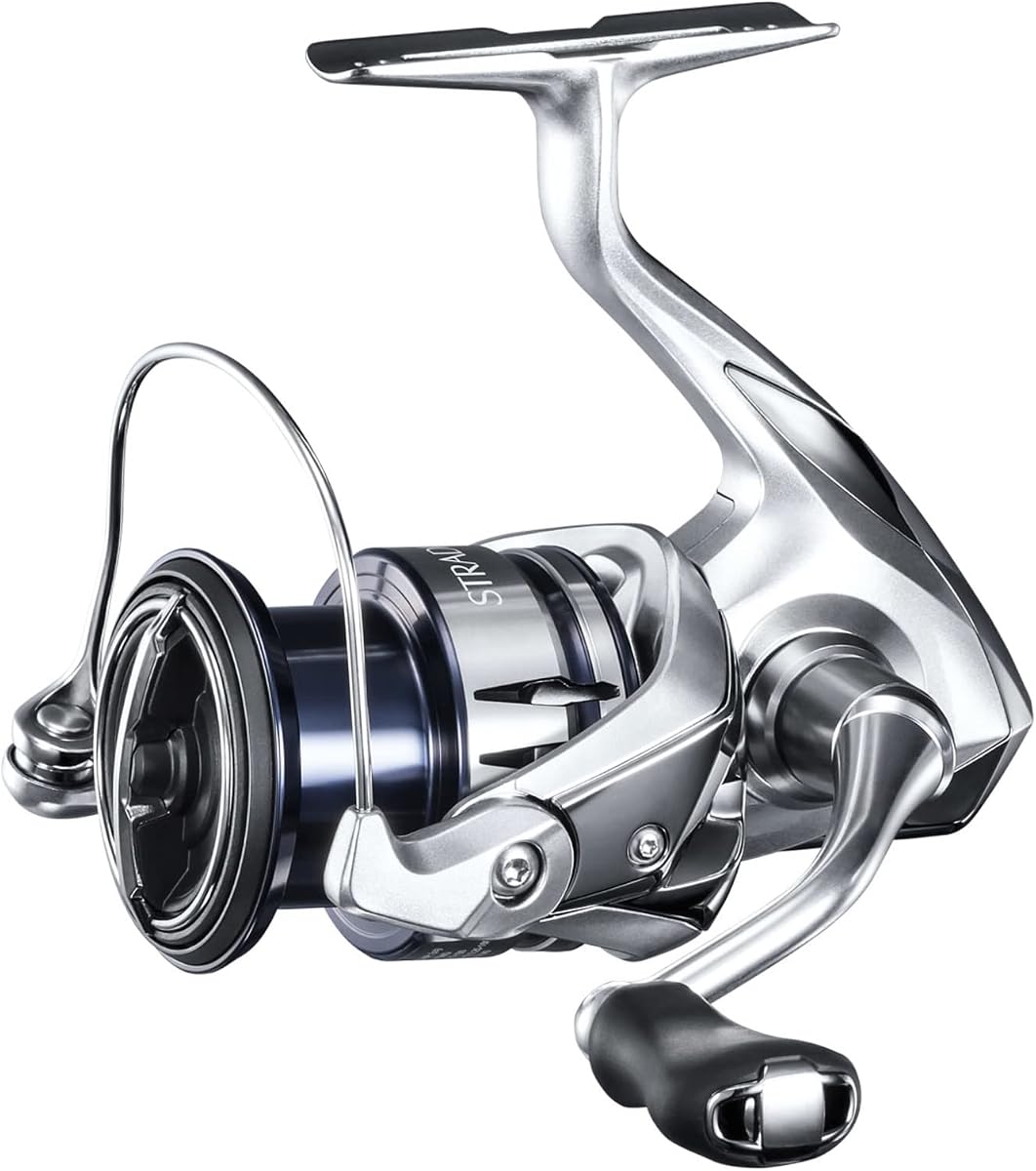
4.7
Shimano Stradic FL Spinning Reel
ASIN B07V2PLT9SShimano Stradic FL Spinning Reel is the #1 pick here, on 4.7-star Amazon buyer ratings (1,031 of them) and one clear job: premium all-around performance.
Check Price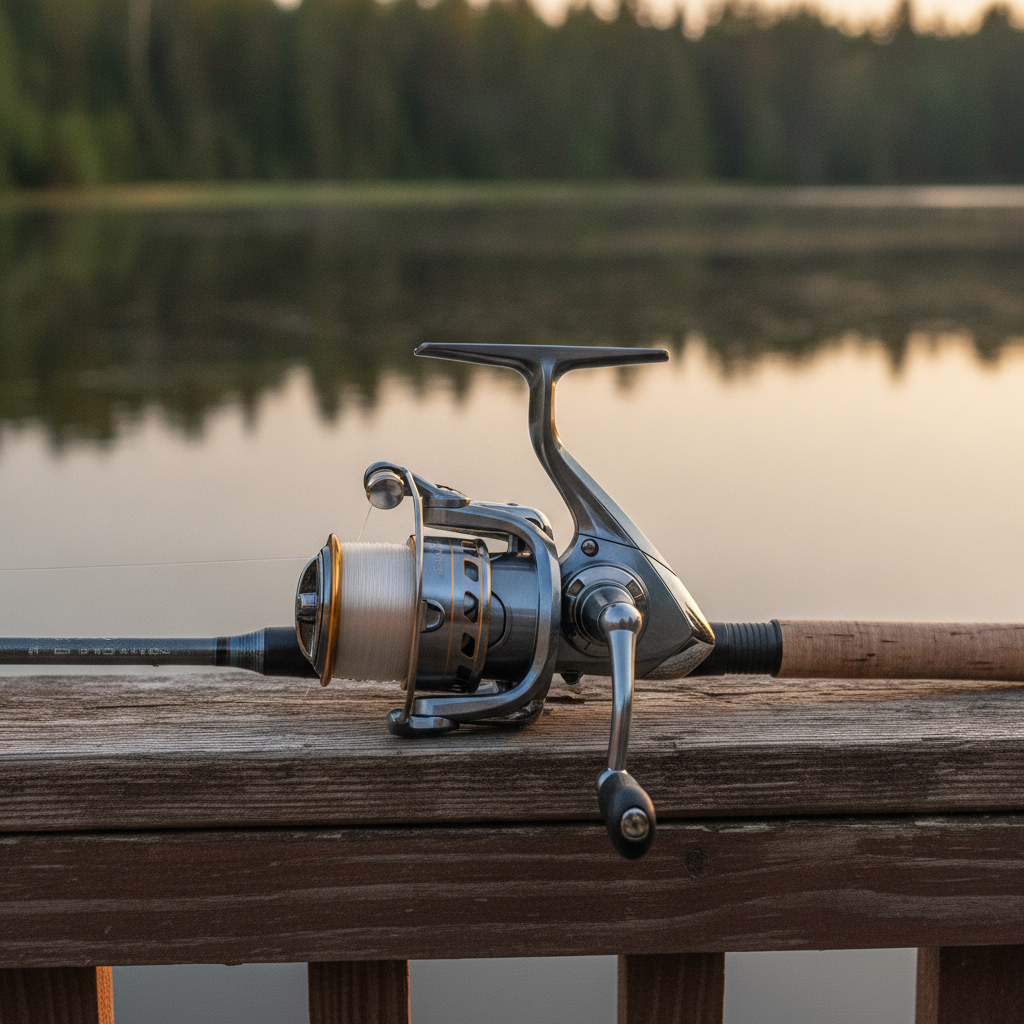
You've got the basics down. These six mid-range spinning reels step up the drag, smoothness, and build without jumping to tournament prices.
Your first reel got you fishing. After a season or two you start to feel its limits: the drag stutters on a good fish, the handle has a little play in it, and the whole thing feels rougher than it did out of the box. An intermediate spinning reel fixes those things. You are paying for a smoother drag, tighter gears, a body that does not flex, and bearings that still spin clean after a year of bank trips, not for a name on the side plate. You notice every bit of that on the water.
Four things separate a mid-range reel from a starter. The drag is the big one: a sealed or carbon-fiber drag releases line in a smooth, steady pull instead of jerky bursts, which is what keeps light line from snapping on a hard run. Then there is the build, where a stiffer graphite or aluminum body and a one-piece rotor stop the reel from twisting under load. Gear ratio sets how fast you pick up line, and the bearing count and quality decide how smooth the whole thing feels turn after turn. Get those four right and you can ignore most of the rest of the spec sheet.
The picks below run from a budget step-up around fifty dollars to a premium benchmark north of two hundred, covering the 2500–4000 size range that handles most freshwater fishing. If you mostly chase bass, trout, and panfish, a smooth 2500 in the middle of this list is plenty. If you are tangling with catfish, pike, or fishing heavier cover, size up and lean on the sealed-drag options. Every reel here is ranked by real Amazon buyer ratings, with the price-to-performance call spelled out so you can match the reel to how hard you actually fish.
Reel spec sheets are long, but only a handful of things actually change how a step-up reel fishes. These are the ones worth checking before you buy. The first four are where your money matters most; the rest are nice refinements.
A sealed or carbon-fiber drag releases line in a smooth, steady pull and shrugs off water and grit. This is the upgrade you feel most over a starter reel and the one that lands fish on light line.
Graphite is light, aluminum is stiff, and carbon composites split the difference. A stiff body and one-piece rotor stop the reel flexing under load so the gears stay smooth.
How much line you reel per handle turn. A 5.2:1 cranks with torque, a 6.2:1 picks up slack fast. Pick the speed that matches the lures you throw most.
A 2500 covers most freshwater. Size up to 3000-4000 for heavier line, catfish, and pike. The size sets line capacity, drag power, and overall weight.
Smooth, shielded bearings matter more than a high count. Six good ones beat eleven cheap ones. Treat the number as a tiebreaker between similar reels, not the headline.
Most freshwater fishing uses only a few pounds of drag. A bigger number helps for catfish and pike but means little for bass and panfish, so don't overpay chasing it.
A lighter reel that balances on your rod keeps your wrist fresh over a long day. Carbon-bodied reels like the Fuego LT shine here without giving up much strength.
A braid-ready aluminum spool and a good line-lay system cut wind knots and twist. It is a small feature that quietly saves you re-tying all day.
Spinning reels are sized by a number from roughly 1000 to 6000. The size sets line capacity, drag power, and weight. Match it to your target species and line, not to the biggest reel on the shelf.
Tiny and light, built for 2-6 lb line and finesse presentations. The right size for ultralight trout, crappie, and bluegill where a delicate touch matters more than power.
The do-everything freshwater size. It balances casting distance, line capacity, and weight, and pairs with a medium spinning rod for bass, walleye, trout, and general use.
A half step up from a 2500 with more line and a bit more drag. A great choice if you fish braid, throw heavier lures, or want one reel to cover more water.
More line capacity and stronger drag for heavy line, big fish, and fishing in current or cover. Lean on the sealed-drag reels here when you are after the bruisers.
Short on time? Start with these top-rated intermediate spinning reels picks.
Shimano Stradic FL Spinning Reel is the #1 pick here, on 4.7-star Amazon buyer ratings (1,031 of them) and one clear job: premium all-around performance.
Check Price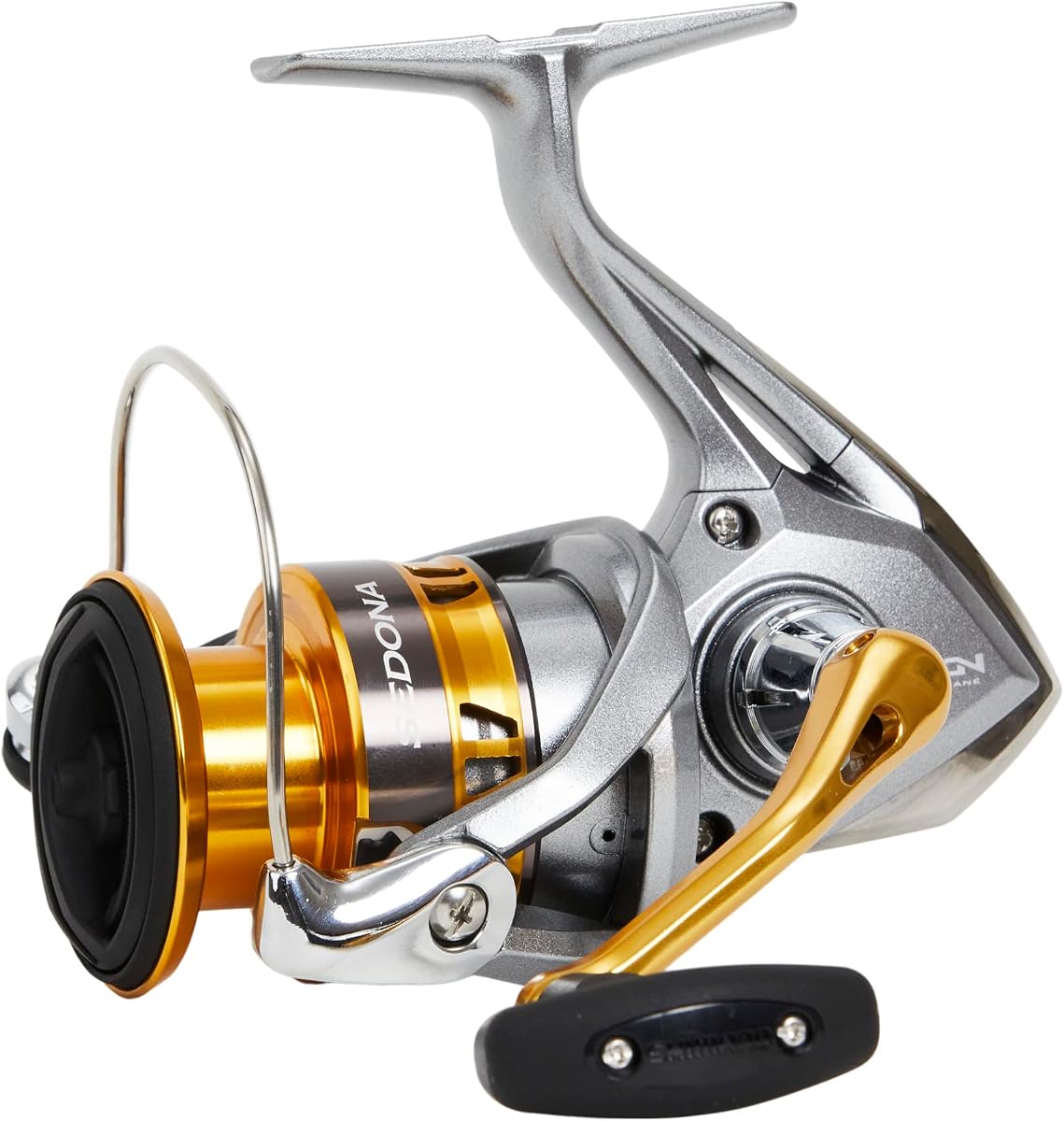
Shimano Sedona FI Spinning Reel is the #2 pick here, on 4.6-star Amazon buyer ratings (1,201 of them) and one clear job: best value step-up.
Check Price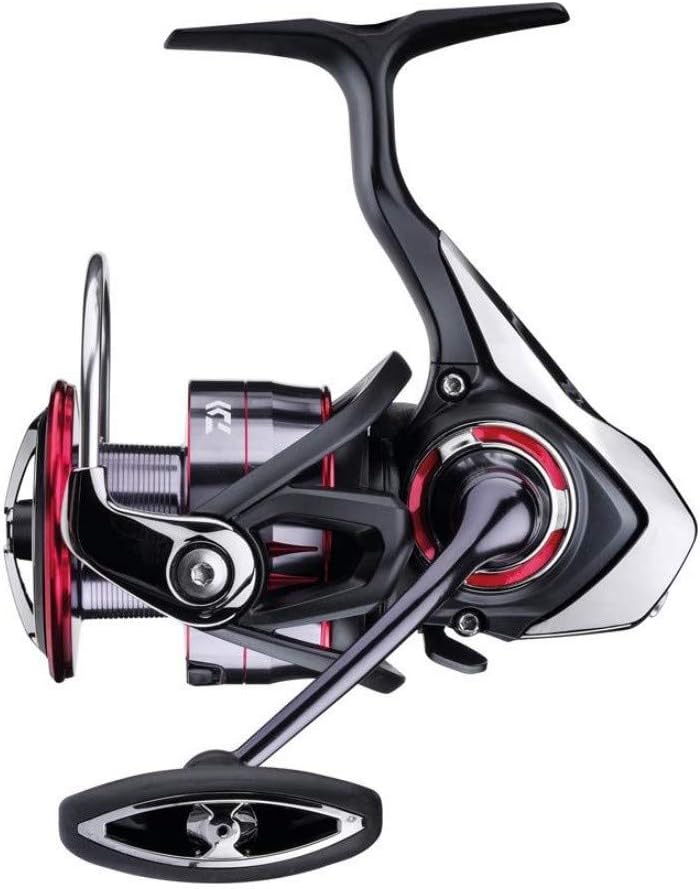
Daiwa Fuego LT Spinning Reel is the #3 pick here, on 4.6-star Amazon buyer ratings (256 of them) and one clear job: lightweight all-day finesse.
Check PriceDetailed picks with verdicts, strengths, tradeoffs, and the situations where each one makes the most sense.
Quick verdict: Shimano Stradic FL Spinning Reel is the #1 pick here, on 4.7-star Amazon buyer ratings (1,031 of them) and one clear job: premium all-around performance.
Quick verdict: Shimano Sedona FI Spinning Reel is the #2 pick here, on 4.6-star Amazon buyer ratings (1,201 of them) and one clear job: best value step-up.
Quick verdict: Daiwa Fuego LT Spinning Reel is the #3 pick here, on 4.6-star Amazon buyer ratings (256 of them) and one clear job: lightweight all-day finesse.
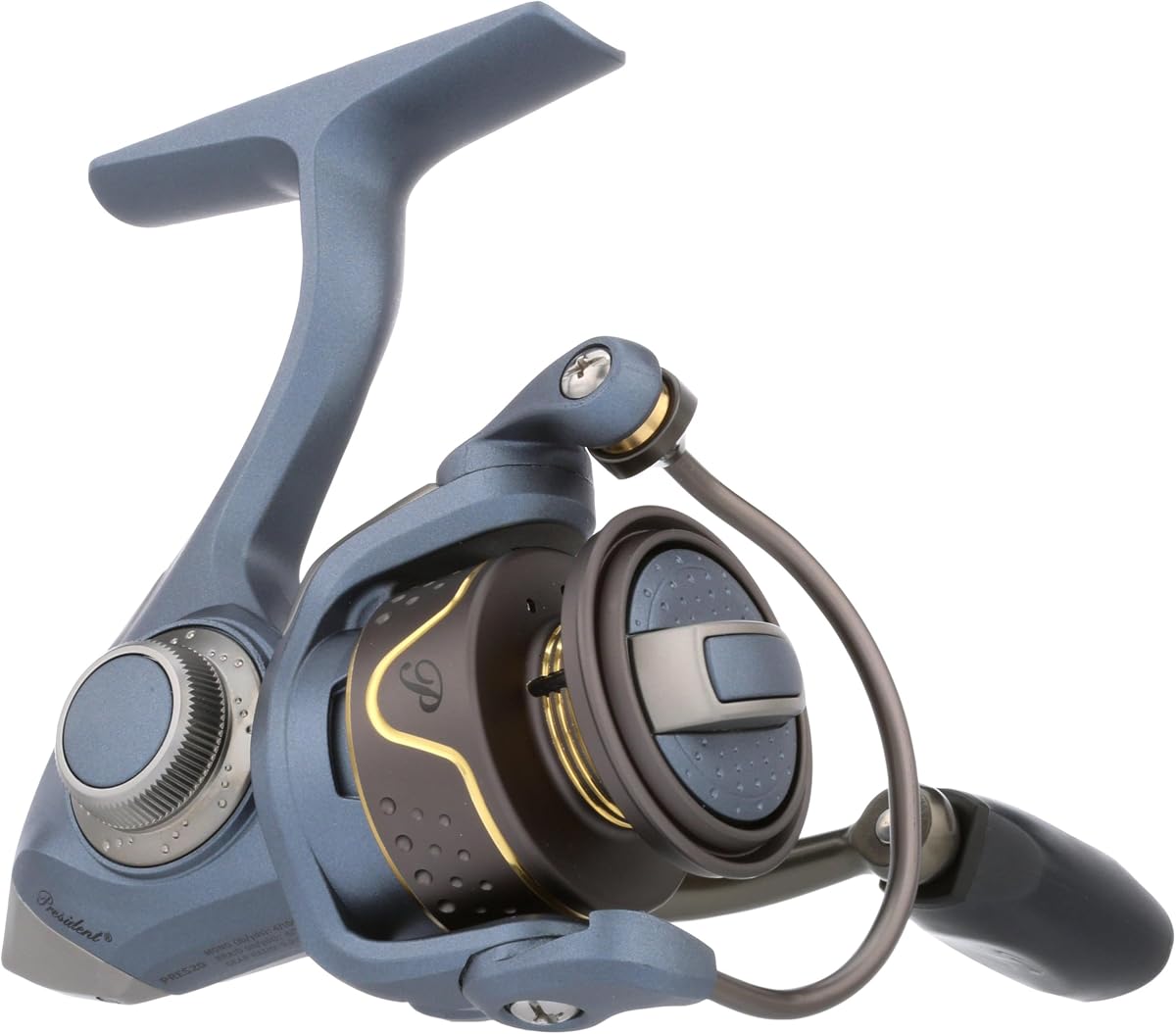
Quick verdict: Pflueger President Spinning Reel is the #4 pick here, on 4.6-star Amazon buyer ratings (390 of them) and one clear job: smooth finesse on light line.
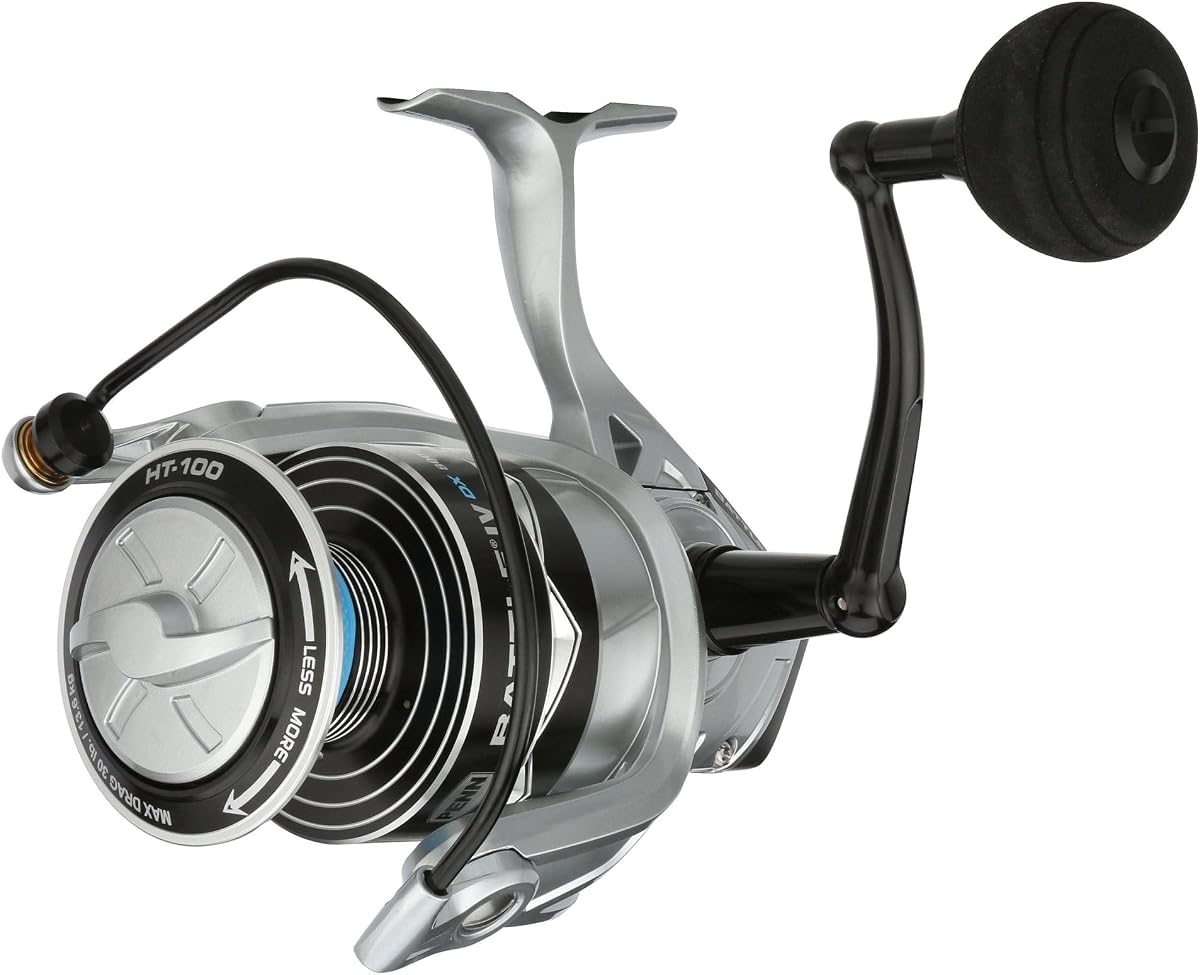
Quick verdict: PENN Battle IV DX Spinning Reel is the #5 pick here, on 4.8-star Amazon buyer ratings (47 of them) and one clear job: big fish & heavy cover.
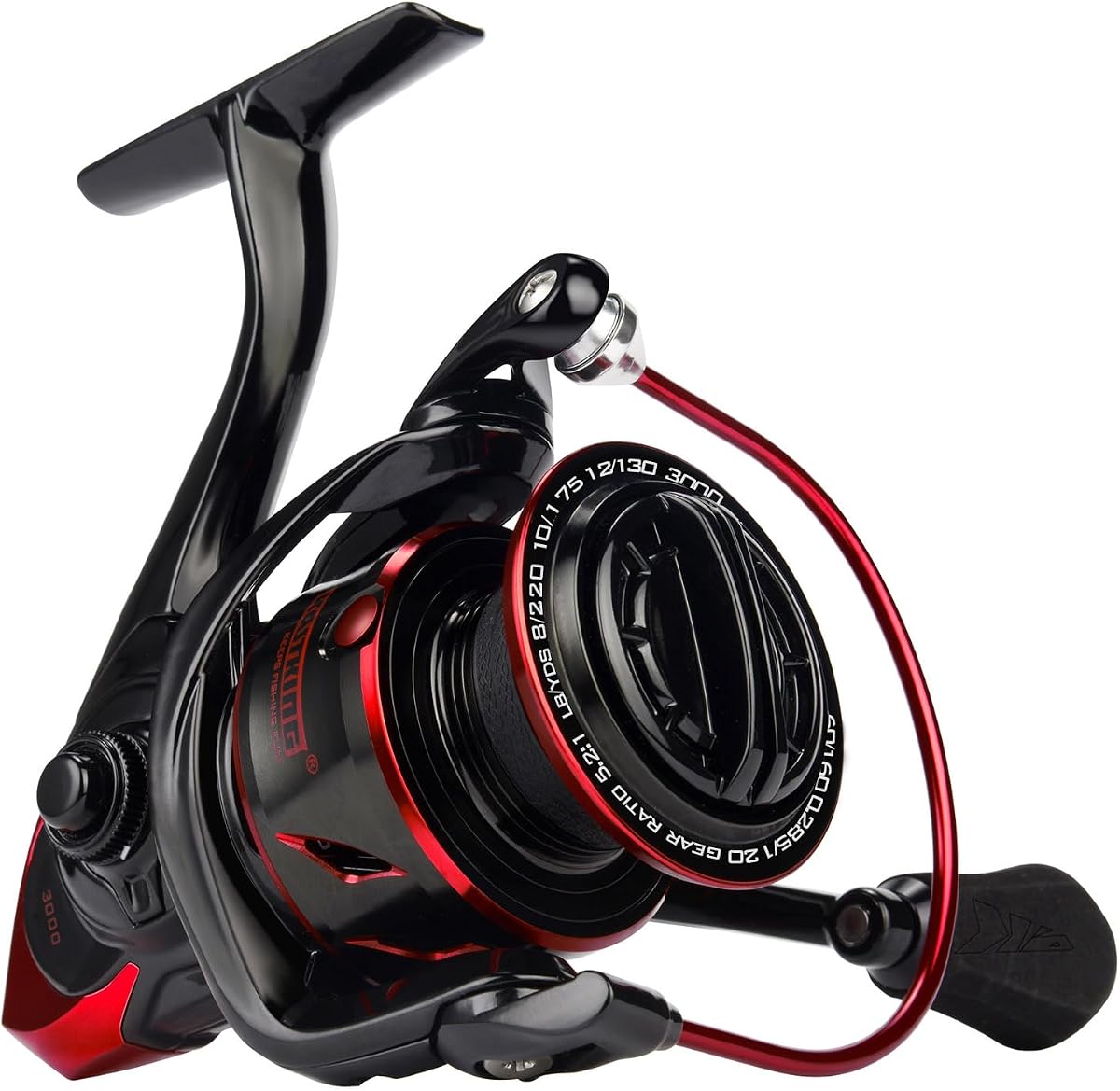
Quick verdict: KastKing Sharky III Spinning Reel is the #6 pick here, on 4.6-star Amazon buyer ratings (5,283 of them) and one clear job: budget power & big drag.
A smooth, sealed, or carbon-fiber drag releases line in a steady pull, not jerky bursts. That is what protects light line on a hard run and lands more fish than any headline max-drag number.
A stiffer graphite, aluminum, or carbon body and a one-piece rotor stop the reel flexing under load, so the gears stay aligned and the reel keeps feeling smooth as the fish pulls.
A faster ratio around 6.0:1 picks up slack quickly for jigs and topwater; a mid 5.2:1 cranks with more torque for swimbaits and deep baits. Match it to how you fish, not to the biggest number.
A 2500 covers most bass, trout, and panfish. Step up to a 3000 or 4000 for heavier line, catfish, pike, or bigger water. Bearings should be smooth and shielded, not just numerous.
A smooth 2500 reel balances casting distance, line capacity, and weight for bass, walleye, trout, and almost everything else a freshwater angler throws at it.
A sealed or carbon-fiber drag is the single change you notice most stepping up. It stays smooth in grit and water and protects light line when a fish runs.
Chasing catfish, pike, or fishing thick cover? A 3000-4000 with a strong drag and a stiff body gives you the backbone a 2500 can't.
A better reel only pays off if it is spooled, set, and cared for properly. Here is how to go from box to water and keep that smooth feel for years.
Match line to the reel size: 6-10 lb mono or fluoro for a 2500, heavier braid for a 3000-4000. Fill to about an eighth inch from the spool rim so it casts smoothly without throwing loops.
Pull line off by hand against the drag. It should give with smooth, steady tension at roughly a third of your line's breaking strength, not lock solid or slip in jerks.
Mount the reel and hold the rod at the grip. It should sit roughly level, not tip-heavy or butt-heavy. A balanced setup is less tiring and lets you feel light bites.
Make easy casts the first trip and let the gears and drag seat in. A new reel often loosens into its smoothest feel after a few hours on the water.
Wipe the reel down and let it dry, especially after rain or a dunk. A quick rinse keeps grit out of the drag and bearings, which is what kept your last reel from staying smooth.
A drop of reel oil on the bearings and a dab of grease on the gears once a season keeps everything turning clean. It is ten minutes that doubles the life of a good reel.
Once you know which kit type fits your situation, dig into each gear category for in-depth picks and buying advice:
Want to browse beyond the ranked picks? Filter and sort the full intermediate spinning reels listing below.
A smoother, more durable drag, a stiffer body that doesn't flex under load, better-quality bearings, and tighter gears. You feel the difference as a smoother retrieve and a drag that protects light line, which is exactly what a starter reel struggles with after a season of use.
Reader-supported and free of paid placements. Every pick is ranked on published specs and Amazon buyer ratings, not on who pays us.
Each pick is compared on published specs, materials, design, and category fit across the major brands.
Rankings factor in how well each product matches common freshwater fishing needs, not just popularity.
Star ratings and review volume from Amazon buyers are factored in to reflect real-world satisfaction.
A pick earns its spot by delivering useful performance for the money, whether budget or premium.

Our reel guides break down drag, gear ratio, and what actually holds up after a season of hard use.
Browse All Reels