
Best Overall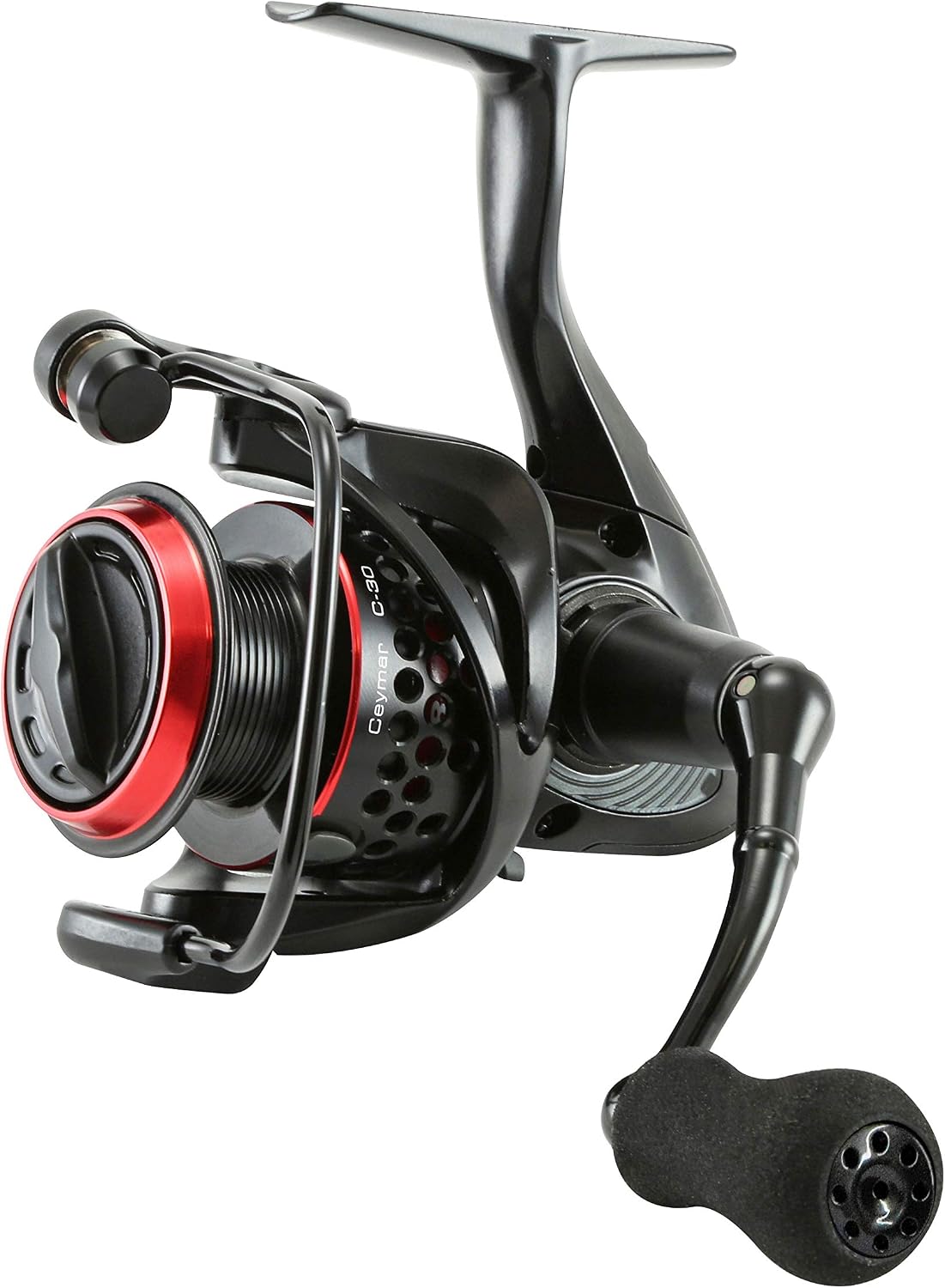
4.7
Okuma Ceymar C-30 Spinning Reel
ASIN B00LDYL556Okuma Ceymar C-30 Spinning Reel is the #1 pick here, on 4.7-star Amazon buyer ratings (3,975 of them) and one clear job: light all-rounder for bass and panfish.
Check Price
Seven spinning reels from Okuma, Daiwa, Shimano, PENN and Abu Garcia that a first-time angler can learn on and keep, every one under a hundred bucks.
Most first reels come bolted to a combo, and the reel is often the weak part of the deal. The drag grabs and lets go in jerks, the bail snaps shut halfway through a cast, and after one summer the handle wobbles. A reel bought on its own fixes all of that, and you do not need to spend much to get there. Every reel on this page costs under $100, and most of them a lot less.
Here is what we looked for. A smooth drag comes first, because that is what keeps 6 lb line from popping when a bass turns and runs. Then the right size, which for most beginners means a 2500: big enough for bass and walleye, light enough for a day of casting at bluegill. After that, a brand with parts and service behind it, so a bent bail arm is a fix and not a new reel. Shimano, Daiwa, Okuma, PENN and Abu Garcia all clear that bar.
The ranking leans on Amazon buyer ratings and how many people left them, then on how well each reel suits a first-timer. We have not tested these reels ourselves. The Okuma Ceymar leads because it pairs the deepest pile of ratings here with a light frame that suits a young angler. If you mostly fish small ponds for panfish, skip to the Shimano Sienna 500. If you think you will stick with fishing, the Daiwa Regal LT is the one to grow into.
A reel's box lists a dozen features. Four of them decide whether a beginner keeps fishing or gives up tangled. The rest are nice to have.
The drag lets a fish pull line instead of breaking it. Set it, pull line by hand, and feel for a steady slip. A grabby drag loses fish and snaps line.
You flip the wire bail open to cast. If it snaps shut mid-cast your lure stops dead and the line can break. Before you buy any reel, scan its reviews for complaints about the bail closing on its own.
A 2500 for most freshwater. A 500 or 1000 for panfish and trout on 2 to 4 lb line. A bigger reel just adds weight a beginner does not need.
Stops the handle spinning backward, so the hook sets the moment you sweep the rod. On a cheap reel, a little back-play in the handle is the first sign of trouble.
Lighter and stiffer than plastic, and it handles braid later on. Check the listing; the cheapest reels are where plastic spools still show up.
More is not always smoother. Treat it as a tiebreaker between two reels you already like, never as the reason to buy.
A light reel keeps a young angler's wrist fresh on a long day. Compare listed weights within the same size, since a 500 will always weigh less than a 2500.
The number on a spinning reel is its size. It sets how much line it holds, how much drag it has and how heavy it feels. Match it to the fish you will actually catch.
Tiny reels for 2 to 4 lb line and small jigs, spinners and bobbers. Pair with a 5' to 6' ultralight rod. Fun on small fish, undergunned for a big bass.
The one size to buy if you are only buying one. Spool it with 6 to 10 lb mono and pair it with a 6'6" to 7' medium rod.
More line and more drag for bigger fish, at the cost of weight. Not a first reel for most people. Step up to one once you know you need it.
Short on time? Start with these top-rated spinning reels for beginners under $100 picks.
Okuma Ceymar C-30 Spinning Reel is the #1 pick here, on 4.7-star Amazon buyer ratings (3,975 of them) and one clear job: light all-rounder for bass and panfish.
Check Price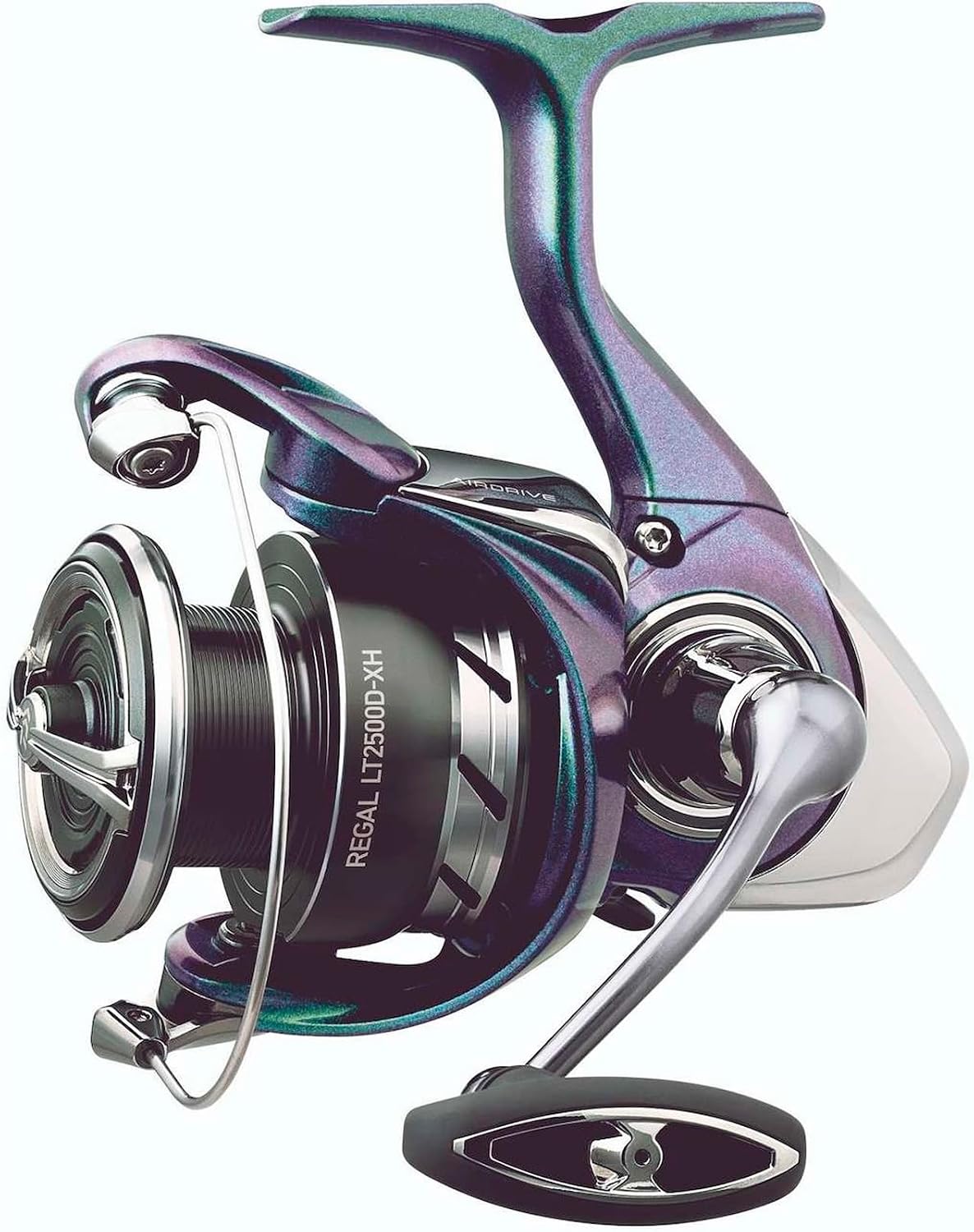
Daiwa Regal LT 2500D-XH Spinning Reel is the #2 pick here, on 4.6-star Amazon buyer ratings (713 of them) and one clear job: a reel to keep for years.
Check Price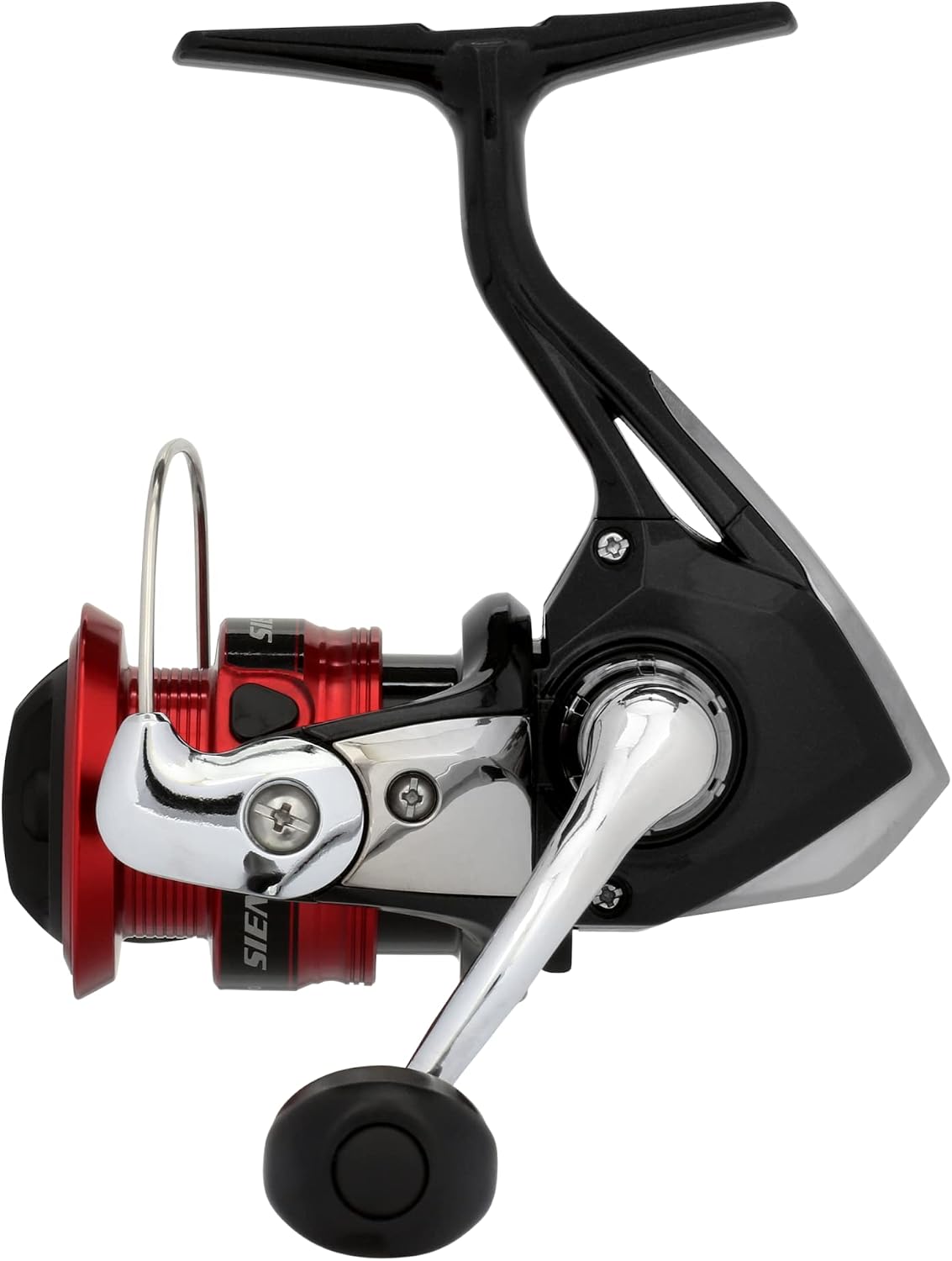
Shimano Sienna FG 500 Spinning Reel is the #3 pick here, on 4.5-star Amazon buyer ratings (301 of them) and one clear job: bluegill and trout on 4 lb line.
Check PriceDetailed picks with verdicts, strengths, tradeoffs, and the situations where each one makes the most sense.
Quick verdict: Okuma Ceymar C-30 Spinning Reel is the #1 pick here, on 4.7-star Amazon buyer ratings (3,975 of them) and one clear job: light all-rounder for bass and panfish.
Quick verdict: Daiwa Regal LT 2500D-XH Spinning Reel is the #2 pick here, on 4.6-star Amazon buyer ratings (713 of them) and one clear job: a reel to keep for years.
Quick verdict: Shimano Sienna FG 500 Spinning Reel is the #3 pick here, on 4.5-star Amazon buyer ratings (301 of them) and one clear job: bluegill and trout on 4 lb line.
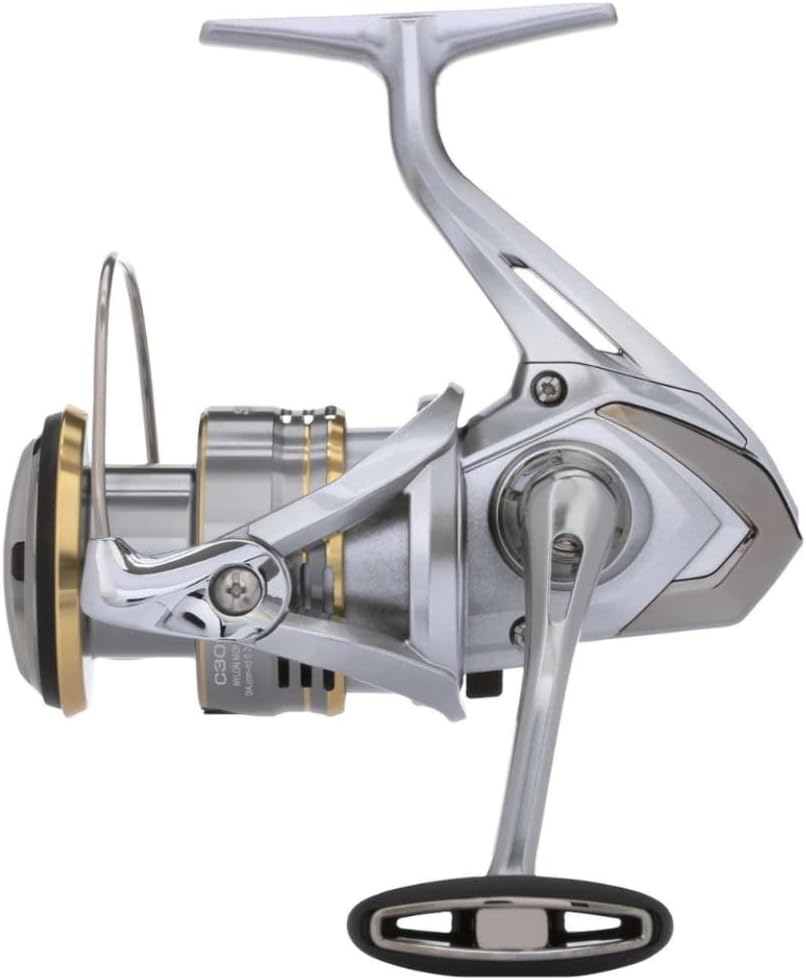
Quick verdict: Shimano Sedona FJ 2500HG Spinning Reel is the #4 pick here, on 4.6-star Amazon buyer ratings (304 of them) and one clear job: bass, walleye and trout.
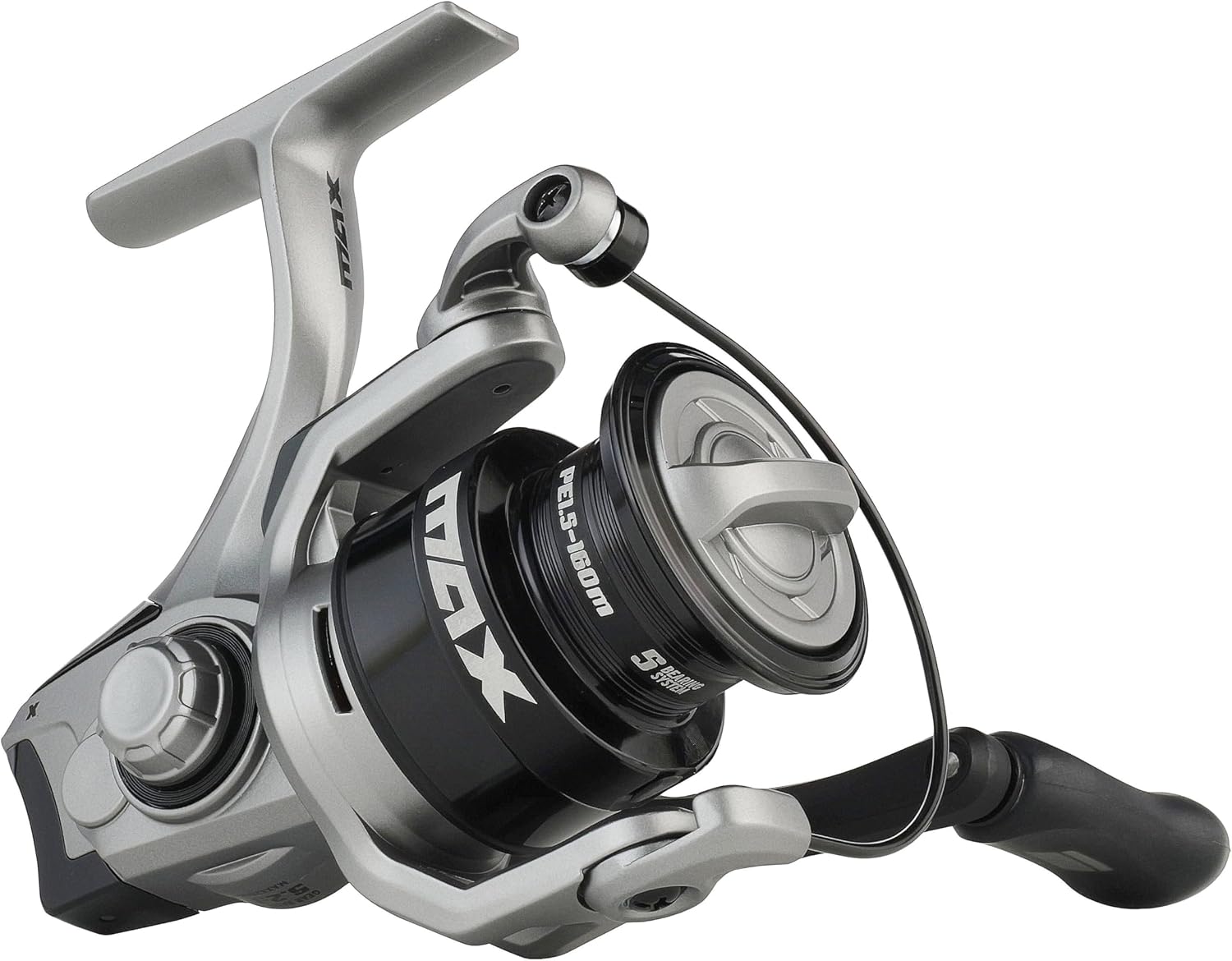
Quick verdict: Abu Garcia Max X 2500 Spinning Reel is the #5 pick here, on 4.5-star Amazon buyer ratings (113 of them) and one clear job: low-cost reel from a big brand.
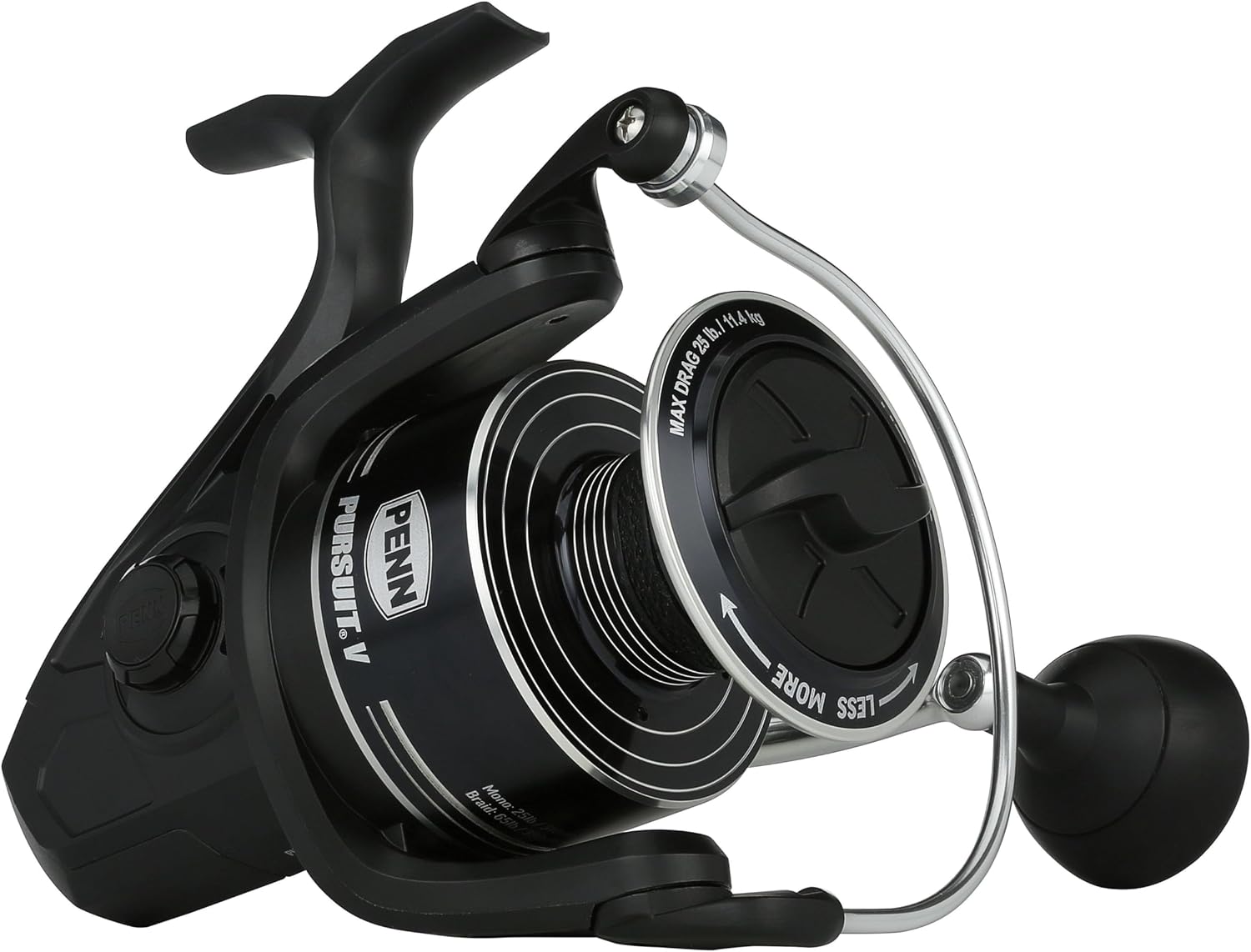
Quick verdict: PENN Pursuit V 2500 Spinning Reel is the #6 pick here, on 4.5-star Amazon buyer ratings (91 of them) and one clear job: rough handling and the odd salt trip.
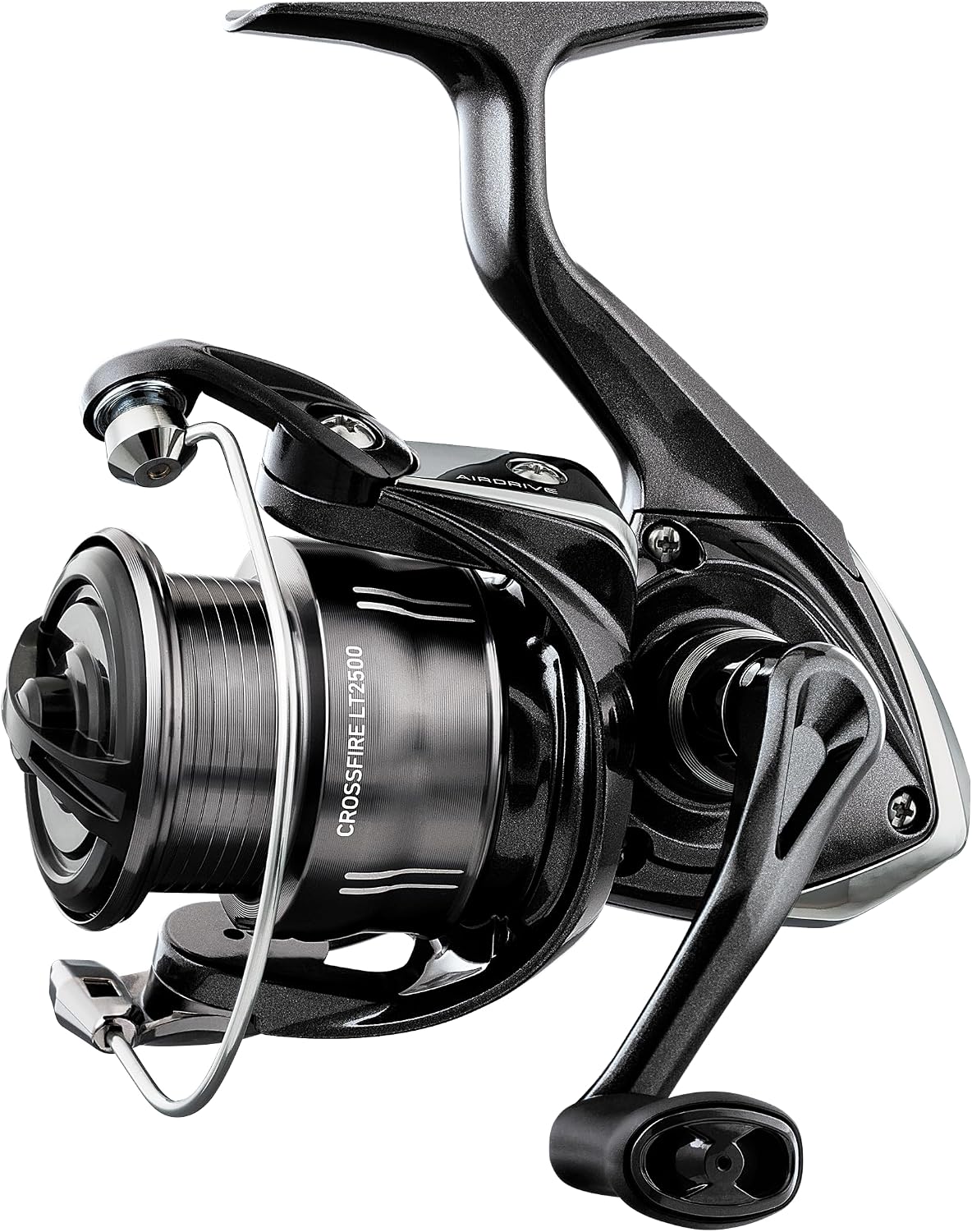
Quick verdict: Daiwa Crossfire LT 2500 Spinning Reel is the #7 pick here, on 4.2-star Amazon buyer ratings (333 of them) and one clear job: tightest budget.
Spinning reels are sized by a number. A 2500 holds plenty of 6 to 10 lb line and suits bass, walleye, trout and panfish. Go smaller only if you fish ultralight for bluegill and stocked trout.
A box that brags about 13 ball bearings tells you little. What lands fish is a drag that slips smoothly under pressure. Pull line off the spool by hand: it should feed out steady, not in jerks.
Around 5.2:1 to 6.2:1 covers everything a beginner throws, from spinners to soft plastics. A very fast reel picks up slack quickly but takes more cranking effort on a big fish.
Every reel here swaps the handle to either side. Most right-handed anglers cast with the right hand and reel with the left, which feels odd for a day and then feels right.
Buy a 2500 and spool it with 8 lb monofilament. That setup handles bass, walleye, trout and panfish from a bank or a small boat.
A small reel with 4 lb line casts tiny jigs and bobber rigs farther and feels better on a light rod. The Shimano Sienna 500 is built for exactly that.
Under about ten, a push-button spincast reel is easier to cast. Older kids and teens learn a spinning reel in an afternoon and never look back.
Most beginner tangles come from how the reel was spooled and set, not from the reel itself. Do these once and the first trip goes a lot smoother.
Slide the reel foot into the reel seat with the handle on the side you want to crank with, then tighten the locking ring until the reel cannot wiggle.
Open the bail, tie the line to the spool, close the bail and reel. Keep tension on the line and make sure it comes off the filler spool the same direction it goes on, or it will twist.
Fill until the line sits about an eighth of an inch below the spool lip. Overfilled spools throw loops and wind knots; underfilled ones cast short.
Tie the line to something solid and pull. The drag should slip at roughly a third of the line's strength, which is about 2 to 3 lb on 8 lb line. Adjust with the knob on the front of the spool.
Pin the line under your index finger, open the bail, swing the rod forward and lift your finger as it points at the target. Close the bail by hand, not by cranking, to cut line twist.
Once you know which kit type fits your situation, dig into each gear category for in-depth picks and buying advice:
Want to browse beyond the ranked picks? Filter and sort the full spinning reels for beginners under $100 listing below.
A 2500. It holds enough 6 to 10 lb line for bass and walleye, stays light enough for panfish, and fits a 6'6" to 7' medium spinning rod. Go to a 500 or 1000 only if you fish mainly for bluegill, crappie and stocked trout.
A solid first spinning reel costs well under $100. Below about $25 the drag and the bail are usually where corners get cut. Above $100 you are paying for lighter weight and refinement that a beginner will barely notice.
Spincast is easier on the first day because you just press a button. Spinning casts farther, tangles less with light lures and is what nearly every angler ends up using. Teens and adults should start on spinning; young kids often do better with spincast.
8 lb monofilament on a 2500, or 4 lb on a 500 or 1000. Mono is forgiving, cheap and easy to tie. Braid is stronger for its diameter but slips on the spool and needs a leader, so save it for your second season.
Most right-handed anglers reel with the left hand on a spinning reel, so the strong hand holds the rod for casting and setting the hook. All seven reels here let you move the handle to either side, so try both.
Loosen the drag after each trip so the washers do not compress, rinse it with fresh water if it got wet or sandy, and put a drop of reel oil on the handle knob and line roller once a season.
Reader-supported and free of paid placements. Every pick is ranked on published specs and Amazon buyer ratings, not on who pays us.
Each pick is compared on published specs, materials, design, and category fit across the major brands.
Rankings factor in how well each product matches common freshwater fishing needs, not just popularity.
Star ratings and review volume from Amazon buyers are factored in to reflect real-world satisfaction.
A pick earns its spot by delivering useful performance for the money, whether budget or premium.

A 2500 reel wants a 6'6" to 7' medium spinning rod. Our rods-under-$100 guide has one for every kind of water.
See Rods Under $100