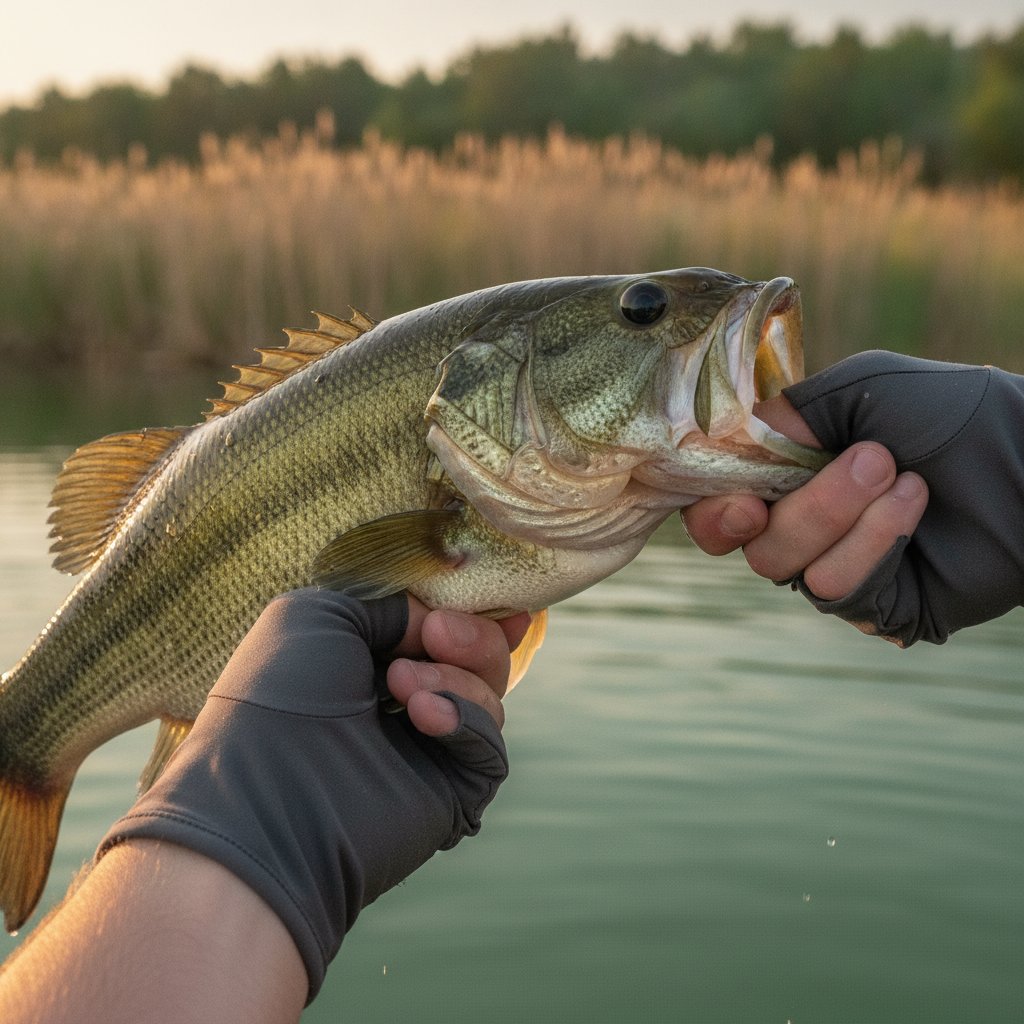
Most people buy fishing gloves after something goes wrong. The backs of your hands peel in July, or your fingers go numb at 6am in November and you cannot tie a clinch knot, or a walleye's gill plate opens your palm and you spend the drive home holding a paper towel against it. Three different problems. Three different gloves, because the pair that saves you in August will not keep you warm in December and neither one stops a treble hook.
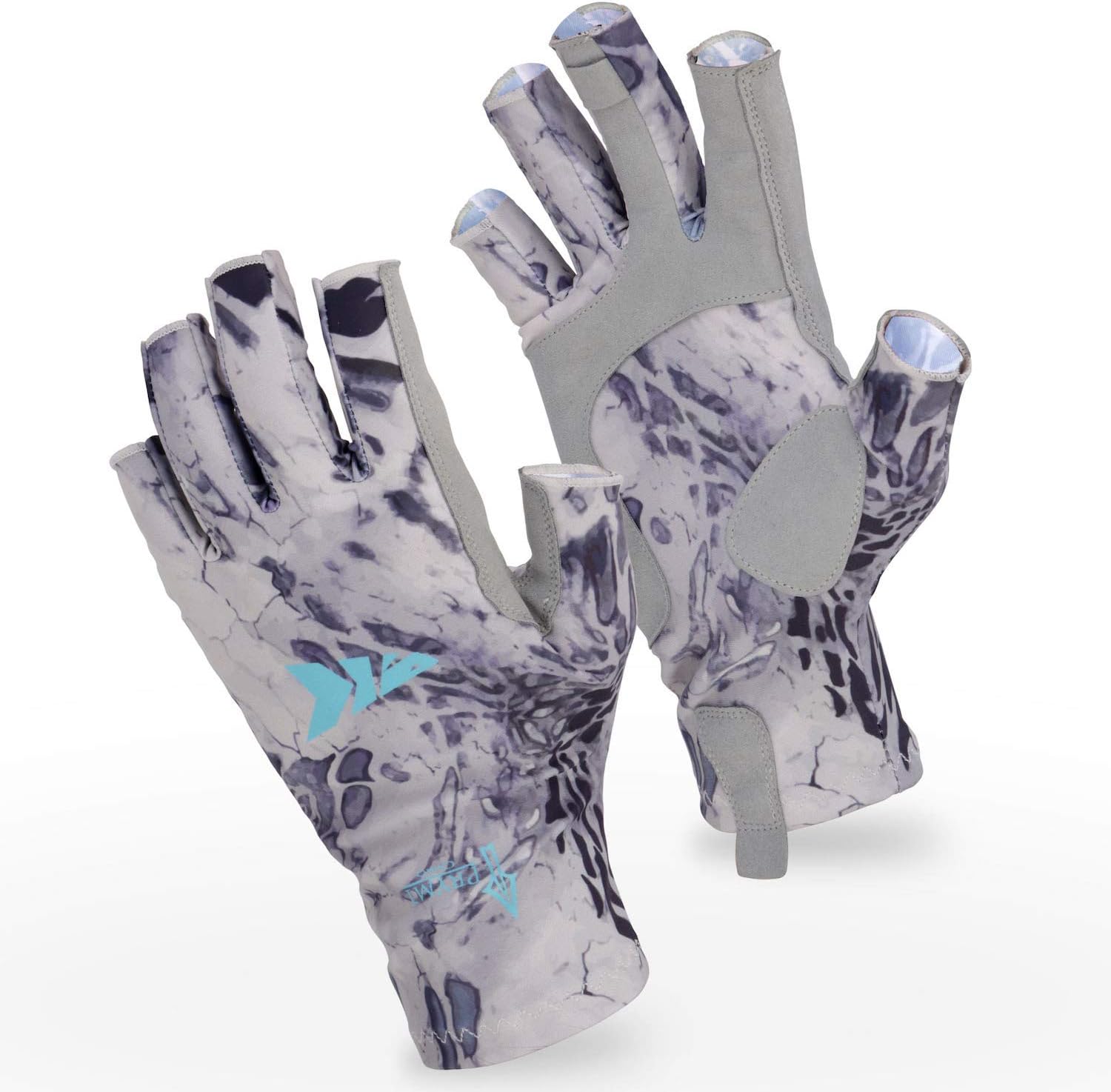
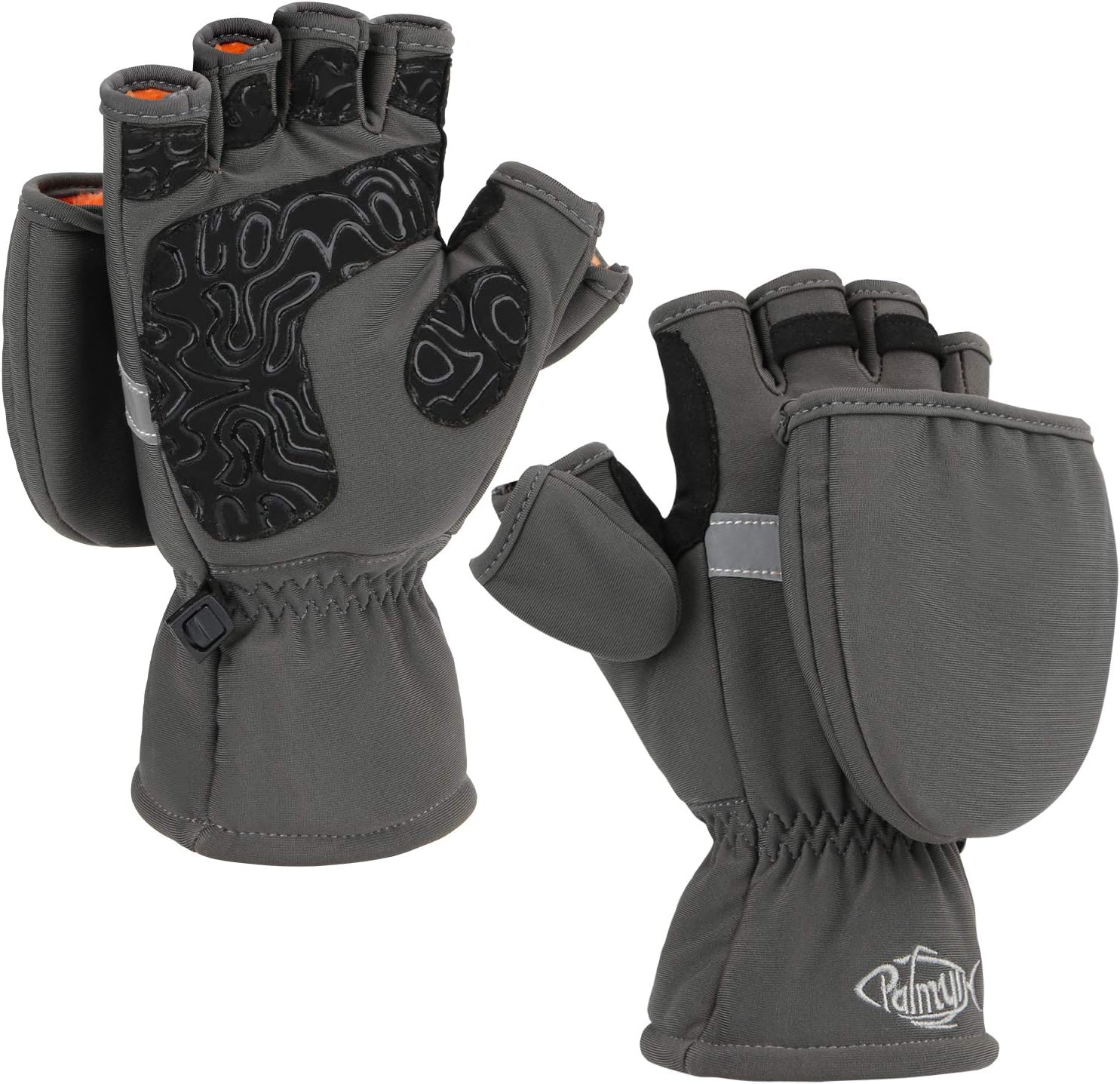
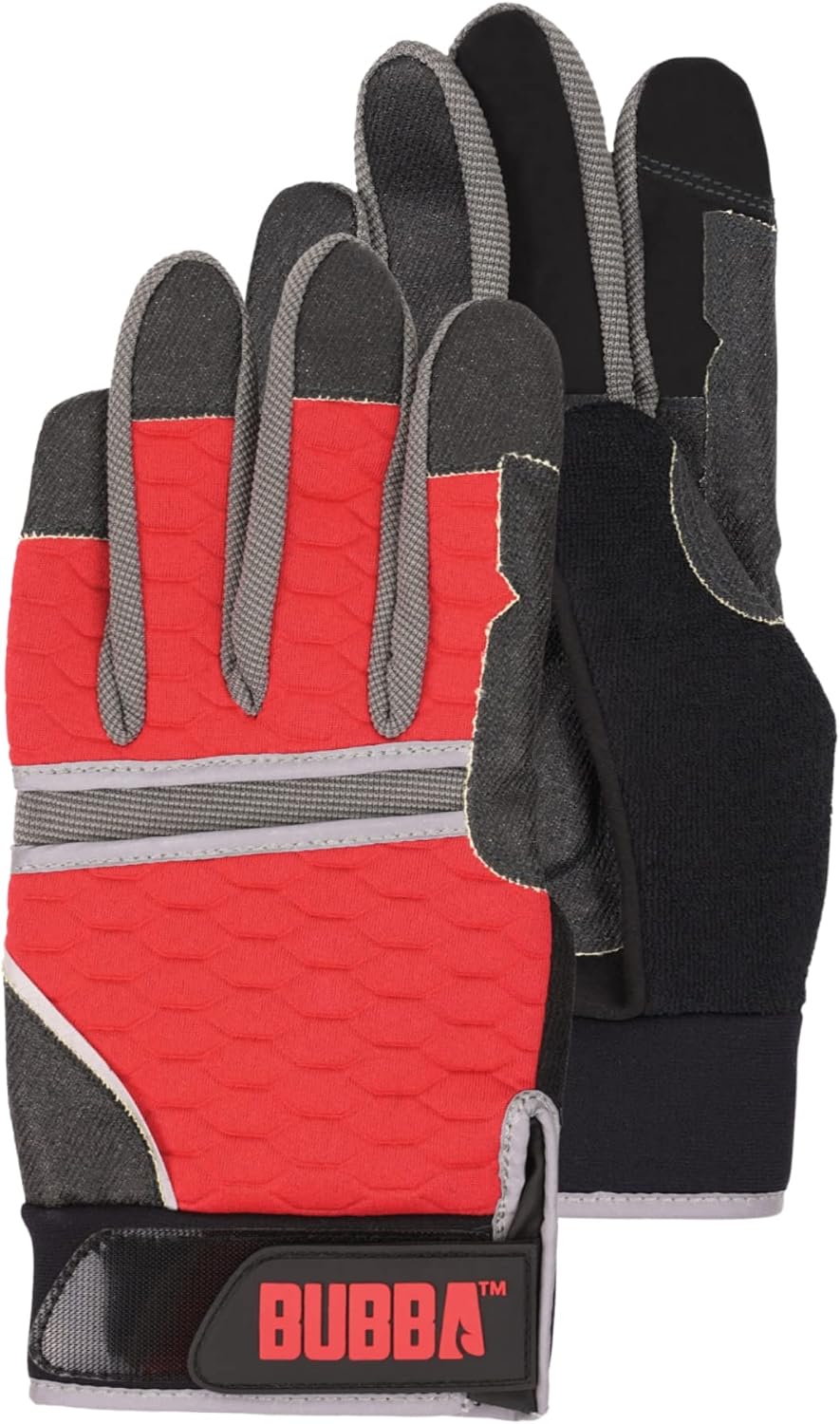
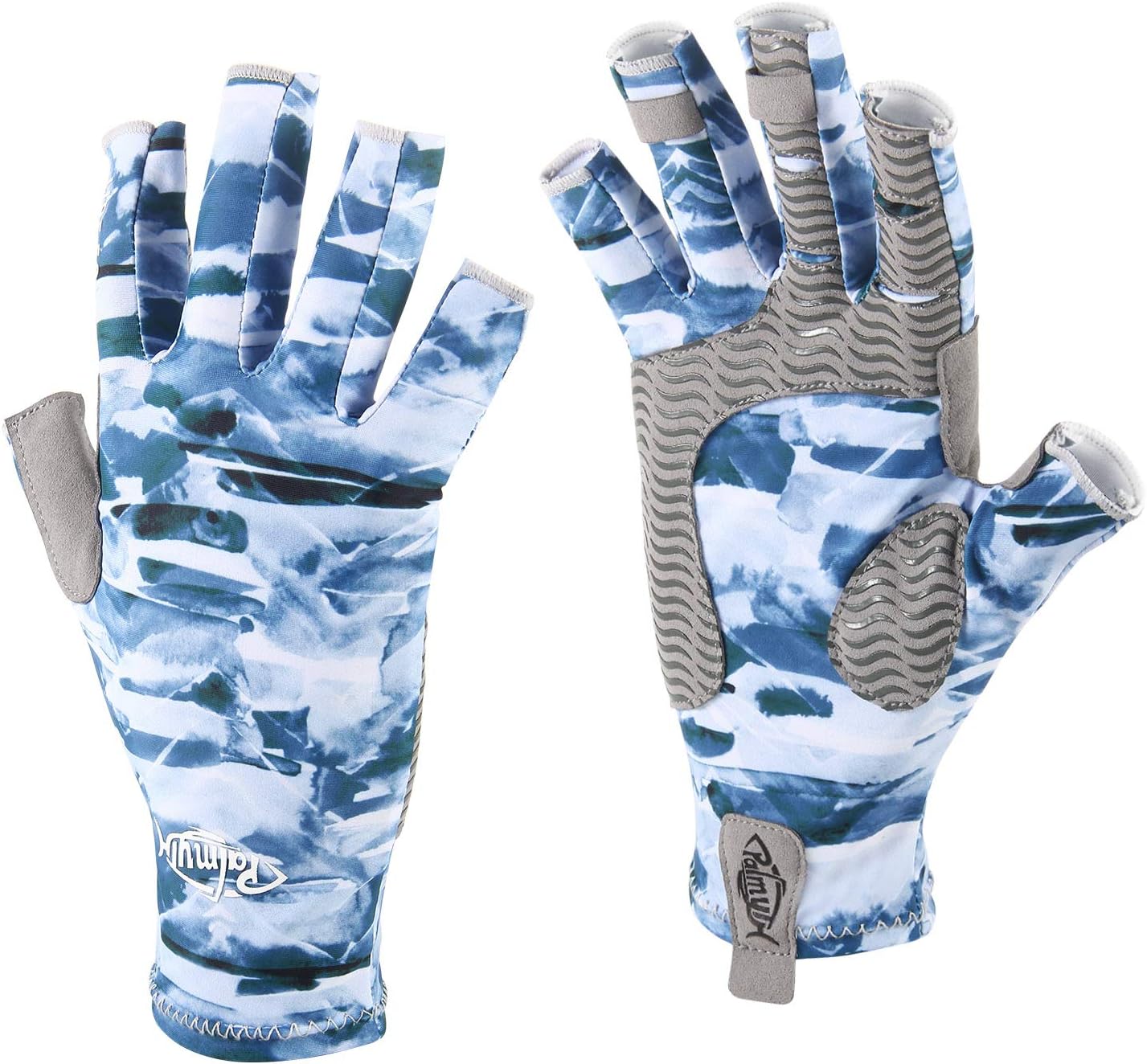
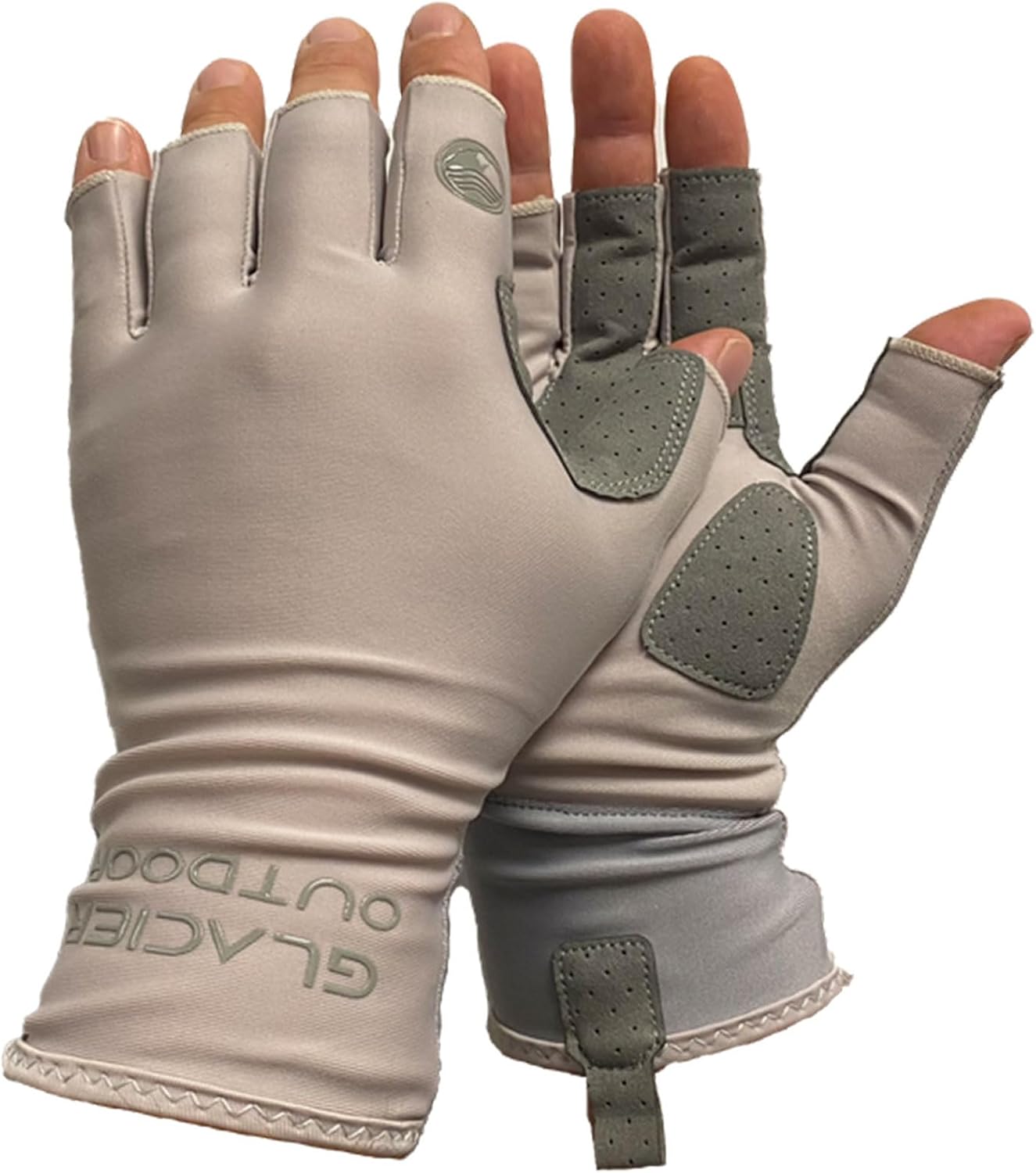
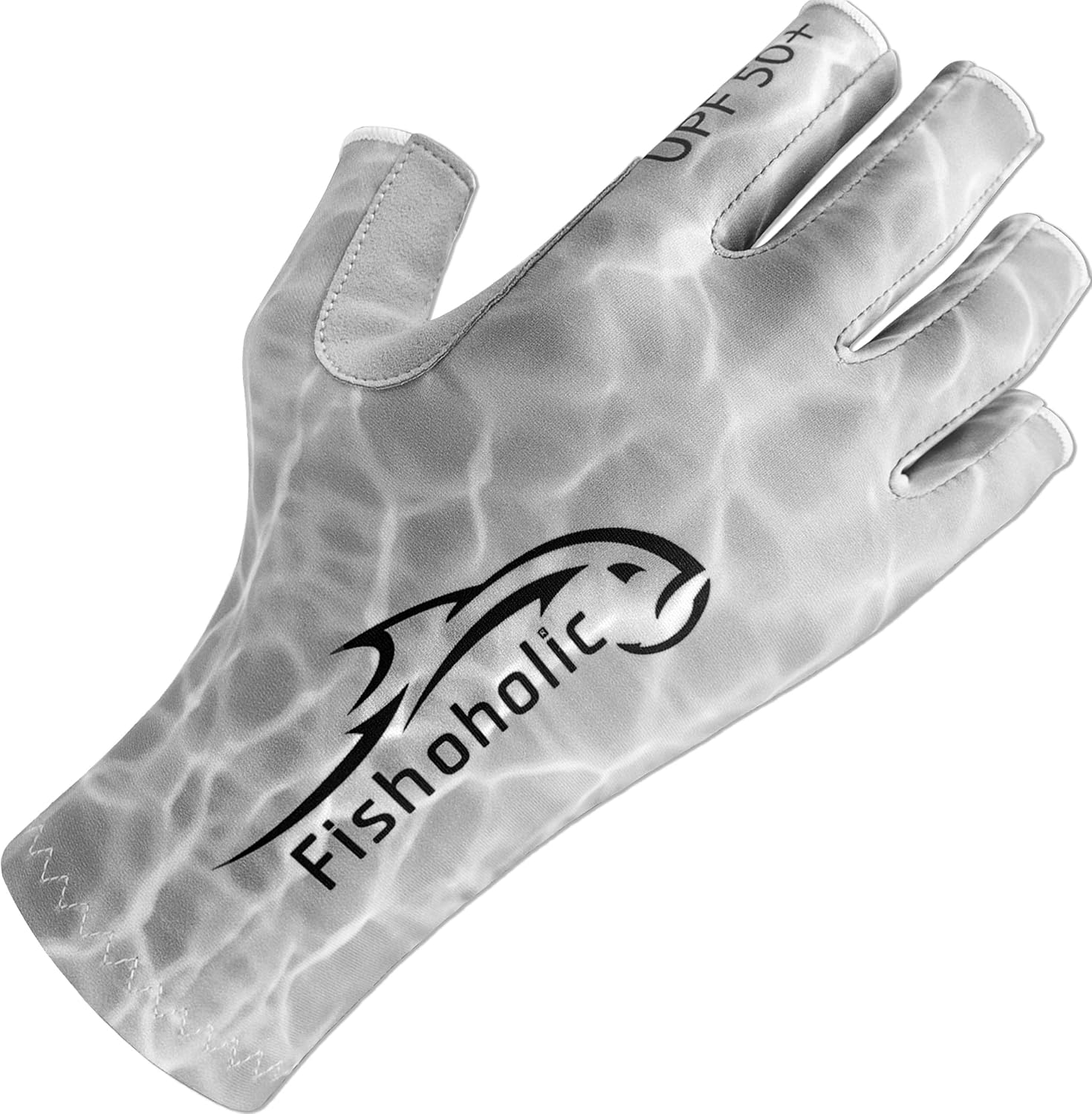
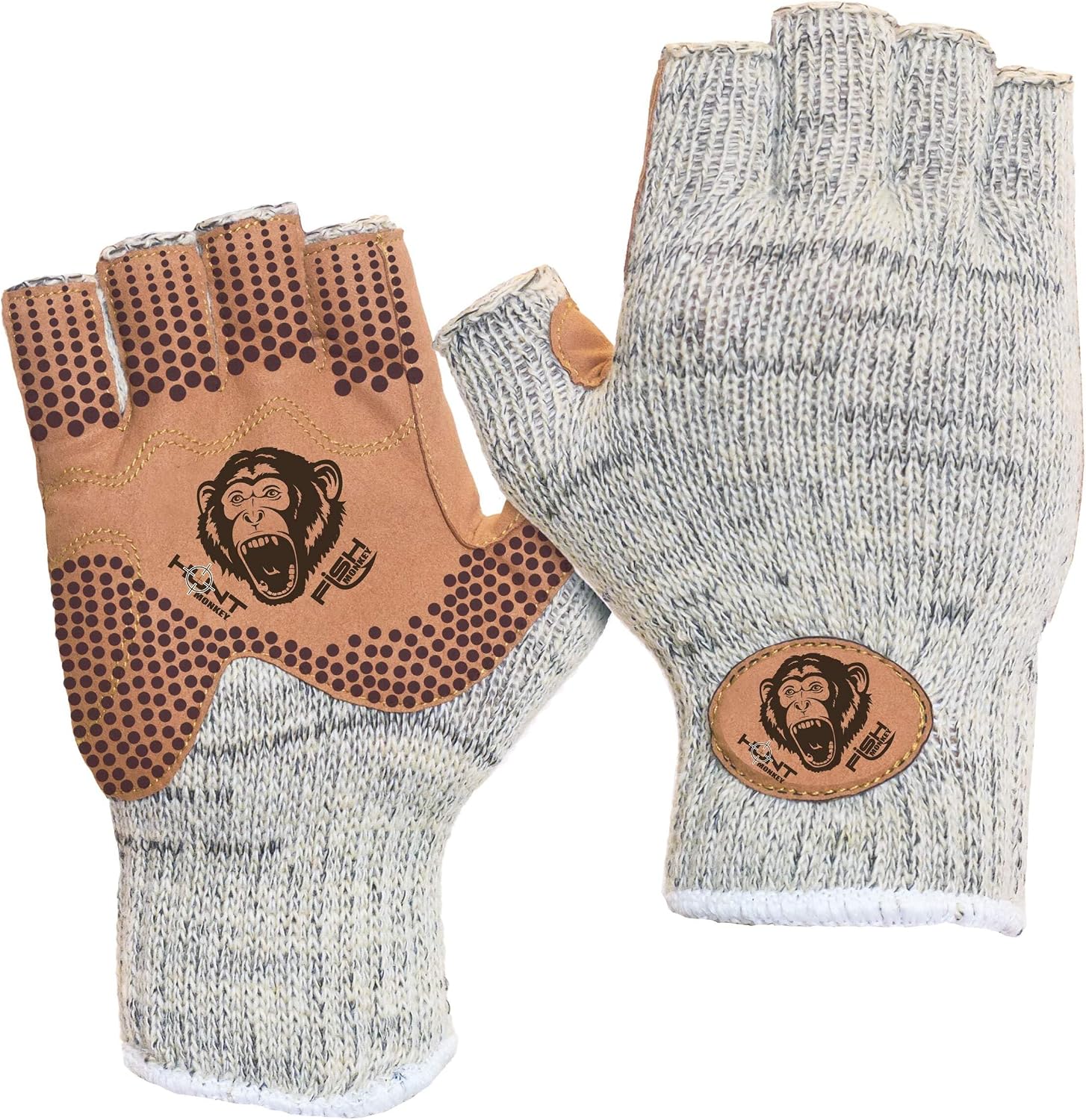
So the first decision is not brand or price, it is which of those jobs you are buying for. Sun gloves are thin stretch fabric rated UPF 50+, usually fingerless or three-quarter finger so you can still thread a hook. Cold-weather gloves are neoprene, fleece or wool, and the good ones open at the fingertips so you can work line without stripping down to bare skin. Handling gloves are the thick ones with a cut-resistant palm, meant for gripping a pike or unhooking a catfish rather than for wearing all day.
Seven pairs below. The top three are one of each type rather than three versions of the same glove, because that is the honest shape of this decision. Star ratings and review counts come from Amazon's buyers, and the materials and construction come from the manufacturers. Tom has not worn any of these, so nothing here is written as though he had. One thing worth doing before you order: measure your hand and read that brand's own size chart. Glove sizing does not carry across brands, and a pair you can barely stretch on dry will be worse once it is wet.