Best Bass Jigs of 2026 — freshwater fishing gear
Lure Guide · 2026 Edition

Best Bass Jigs of 2026

A jig is the lure that catches the biggest bass in the box, and the one most anglers skip because it looks complicated. These seven cover the four jobs that matter: flipping heavy cover, dragging deep rock, finessing pressured fish, and swimming through grass. They run from a budget confidence bait to a tungsten upgrade, ranked by buyer ratings.

View Top PicksUpdated 2026-07-20 · Ranked from specs & buyer reviews
How to Choose

How to Choose a Bass Jig

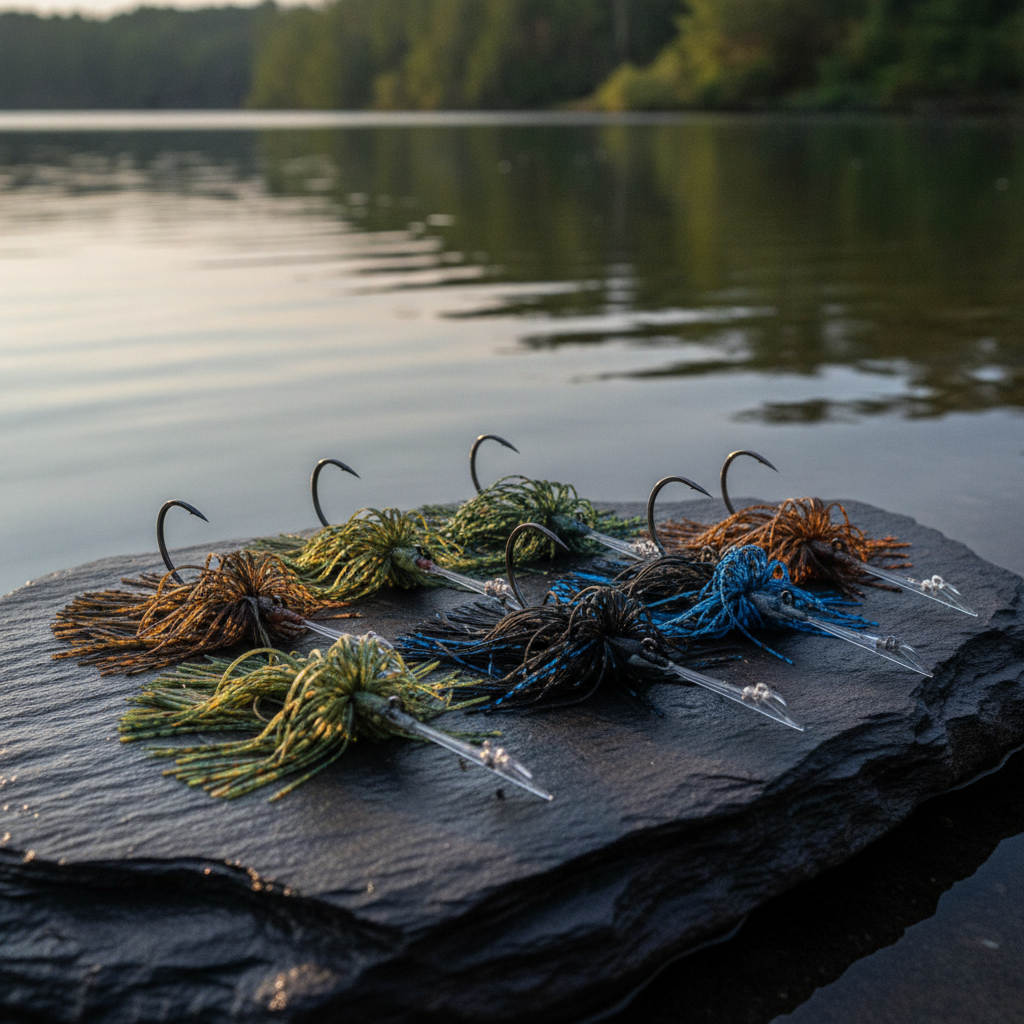
A jig is the bait most likely to catch the biggest bass in the lake, and the one most new anglers leave in the box because it looks fussy. Strip away the mystique and a jig is simple: a weighted hook, a skirt that flares and breathes, and a weed guard that lets you drop it into the nastiest cover without hanging up. You add a soft-plastic trailer for bulk and action, pitch it into a spot a bass is likely holding, and let it fall. Most bites come on that fall, and they feel less like a thump than a heaviness, like your line suddenly swam off sideways. Learn to trust that mushy feeling and set, and the jig will out-fish flashier lures on the days that count.

Which jig you tie on comes down to the job in front of you, and there are really only four. A flipping or casting jig has a compact head and a stout hook built to winch bass out of wood, docks, and matted grass. A football jig has a wide head that stands up and telegraphs every rock and pebble as you drag it, which makes it the tool for deep, hard-bottom structure. A finesse jig is lighter, with a thinner skirt and a smaller hook, for pressured or clear-water fish that want a smaller mouthful on light line. A swim jig has a pointed, streamlined head you reel steadily through and over grass, a shad-imitator rather than a crawfish. Pick the head for the cover and depth you fish, not the paint job.

The details that separate a jig you keep tying on from one that sits in the tray are the hook, the weed guard, and the skirt. A thin, soft hook straightens on the first big fish; a thick, sharp one buries and holds. A weed guard that is too stiff blocks hooksets and one too soft fouls on everything. And a hand-tied skirt breathes and pulses on the fall where a cheap stapled one clumps. The picks below cover all four jig types, run from a five-dollar confidence bait to a tungsten upgrade that transmits the bottom better than lead, and are ranked with the highest buyer ratings and widest usefulness up top.
What Makes a Good One

The Features That Actually Matter

Jig packaging sells color patterns and pro-angler names. Only a handful of things decide whether a jig actually lands the big fish it hooks and survives a season in the rocks and wood. Here is what to check, from the must-haves to the nice extras.

A stout, sharp hook

Essential

The most important feature by far. A jig sets on a hard hookset and then fights a big fish through cover, so a thin or soft hook straightens and you lose the fish of the day. Look for a heavy-gauge, chemically sharpened hook; a name like Gamakatsu or Mustad on the package is a good sign.

The right head for the job

Essential

Compact flipping heads for cover, wide football heads for dragging rock, light finesse heads for clear water, pointed swim heads for grass. The head shape is the whole reason to pick one jig over another, and it matters far more than the color of the skirt.

A tuned weed guard

Essential

A fiber weed guard should hold the hook point clean through cover but fold flat the instant a bass bites down. Too stiff and it blocks your hookset; too soft and it fouls on everything. You can trim and fan a stiff guard to dial it in, but a well-built jig ships close to right.

A hand-tied skirt

Nice to Have

A quality silicone skirt flares on the fall and pulses on the pause, which is what draws a bass in and triggers the eat. Hand-tied skirts breathe better and last longer than cheap stapled ones that clump and slide. It is the detail that separates a jig that gets bit from one that does not.

A trailer keeper

Nice to Have

A barb, wire, or ridged collar behind the head holds your soft-plastic trailer in place so it does not slide down the hook after a few casts and fish. A small thing, but it saves you constantly re-rigging and keeps the bait looking right in the water.

Tungsten construction

Nice to Have

A denser tungsten head runs smaller for its weight and sends the feel of the bottom up the line far more clearly than lead. It costs more, so it is a specialty upgrade rather than a first purchase, but for deep football and finesse fishing the added sensitivity is worth it.

Pick Your Type

The Four Kinds of Bass Jig

"Jig" covers four different tools sorted by head shape and job. Match the type to the cover and depth you are fishing, add the right trailer, and the jig will do most of the work.

Flipping / Casting

$5-$7Wood, docks & grass

A compact, pointed head and a heavy hook built to pull bass out of the thick stuff. The most versatile jig and the one to learn on. Pitch it to cover, work the fall, and set hard. The Booyah Boo Jig and Strike King Hack Attack are the benchmarks.

Football

$6-$10Deep rock & structure

A wide head that will not roll, so it stands the skirt up and telegraphs a rock bottom as you drag it. The tool for deep points, ledges, and hard structure. A tungsten version like the Reaction Tackle heads reads the bottom even better.

Finesse

$5-$8Clear & pressured water

Smaller and lighter, with a thinner skirt and a lighter hook, fished on spinning gear and light line. When fish are picky or the water is clear, this smaller mouthful still gets eaten. The War Eagle Heavy Finesse and Strike King Bitsy Bug cover it.

Swim Jig

$6-$7Swimming through grass

A pointed, streamlined head you reel steadily through and over grass, imitating a baitfish rather than a crawfish. Add a paddle-tail trailer for thump. The Strike King Hack Attack Heavy Cover Swim Jig is a proven choice around vegetation.

Quick Picks

Top Three at a Glance

Short on time? Start with these top-rated bass jigs picks.

Comparison Table

Every Pick, Side by Side

Best Overall
Best For
All-around bass on any cover
Difficulty
Beginner
Price
$$$
Best Finesse
Best For
Pressured, clear-water bass
Difficulty
Intermediate
Price
$$$
Best Swim Jig
Best For
Swimming grass & wood
Difficulty
Intermediate
Price
$$$
Recommended #4
Best For
Flipping heavy cover & wood
Difficulty
Intermediate
Price
$$$
Recommended #5
Best For
Dragging rock & deep structure
Difficulty
Intermediate
Price
$$$
Recommended #6
Best For
Finesse on light spinning gear
Difficulty
Beginner
Price
$$$
Recommended #7
Best For
Premium tungsten bottom feel
Difficulty
Intermediate
Price
$$$
The Lineup

7 Best Bass Jigs, Compared

Detailed picks with verdicts, strengths, tradeoffs, and the situations where each one makes the most sense.

Best Overall
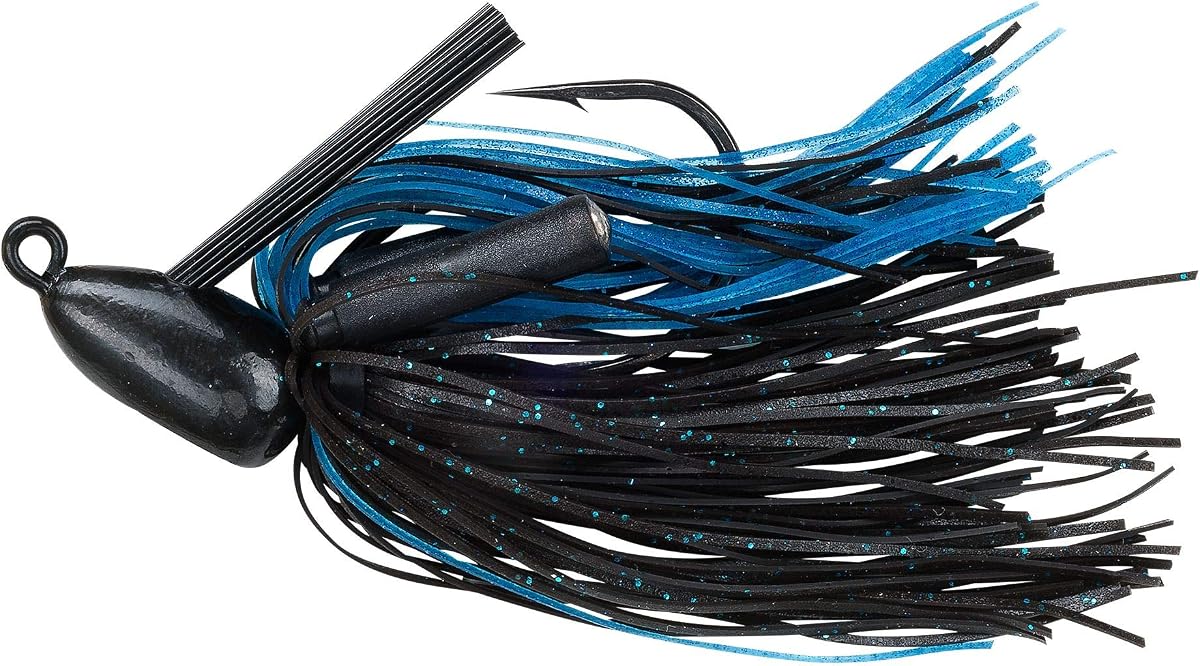
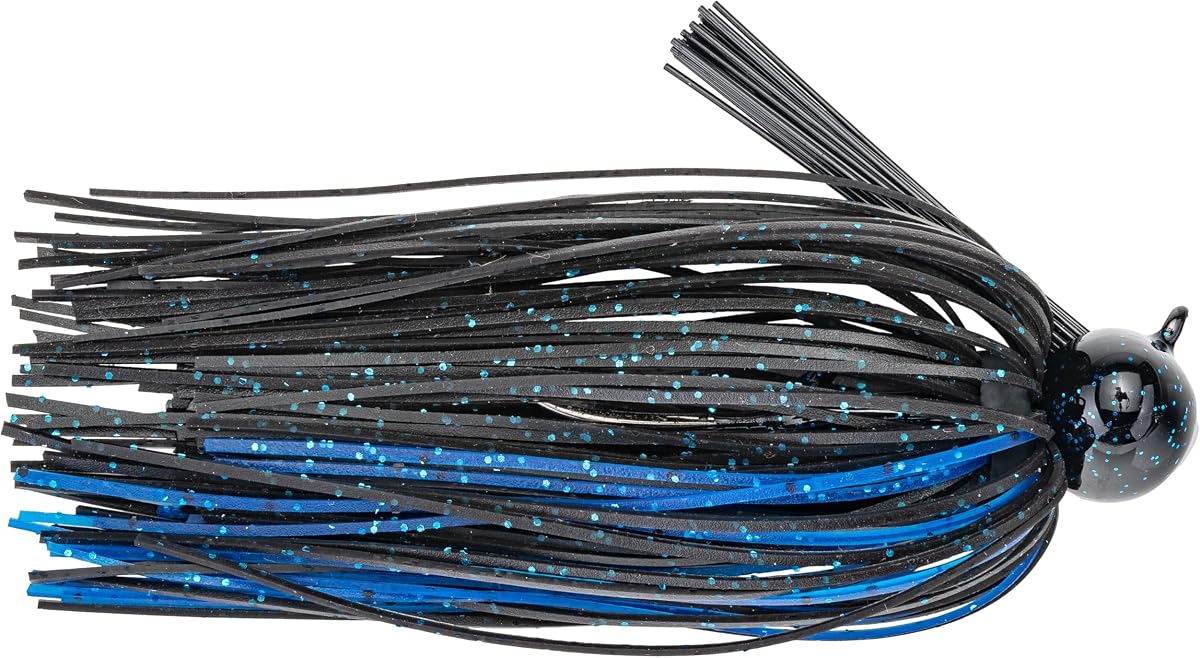
Booyah Boo Jig Bass Fishing Lure with Weed Guard
4.6 (1,400 Amazon ratings)

Booyah Boo Jig Bass Fishing Lure with Weed Guard

Quick verdict: Booyah Boo Jig Bass Fishing Lure with Weed Guard ranks in the top 1 by combining 4.6-star Amazon buyer ratings (1,400 ratings) with a clear practical role: all-around bass on any cover.

Why It Stands Out

  • Rated 4.6 stars from 1,400 Amazon buyer ratings
  • Clear match for all-around bass on any cover
  • Strong value for its price range
  • Direct Amazon link for current price and availability

Pros

  • Good fit for all-around bass on any cover
  • 4.6-star Amazon buyer rating
  • Budget-friendly pick

Cons

  • May not cover every specialty technique
  • Advanced anglers may want a more specialized option

Best Situations

All-around bass on any coverBeginnerValue BuyersQuick Buy
Difficulty
Beginner
Price Range
$$$
Best Finesse
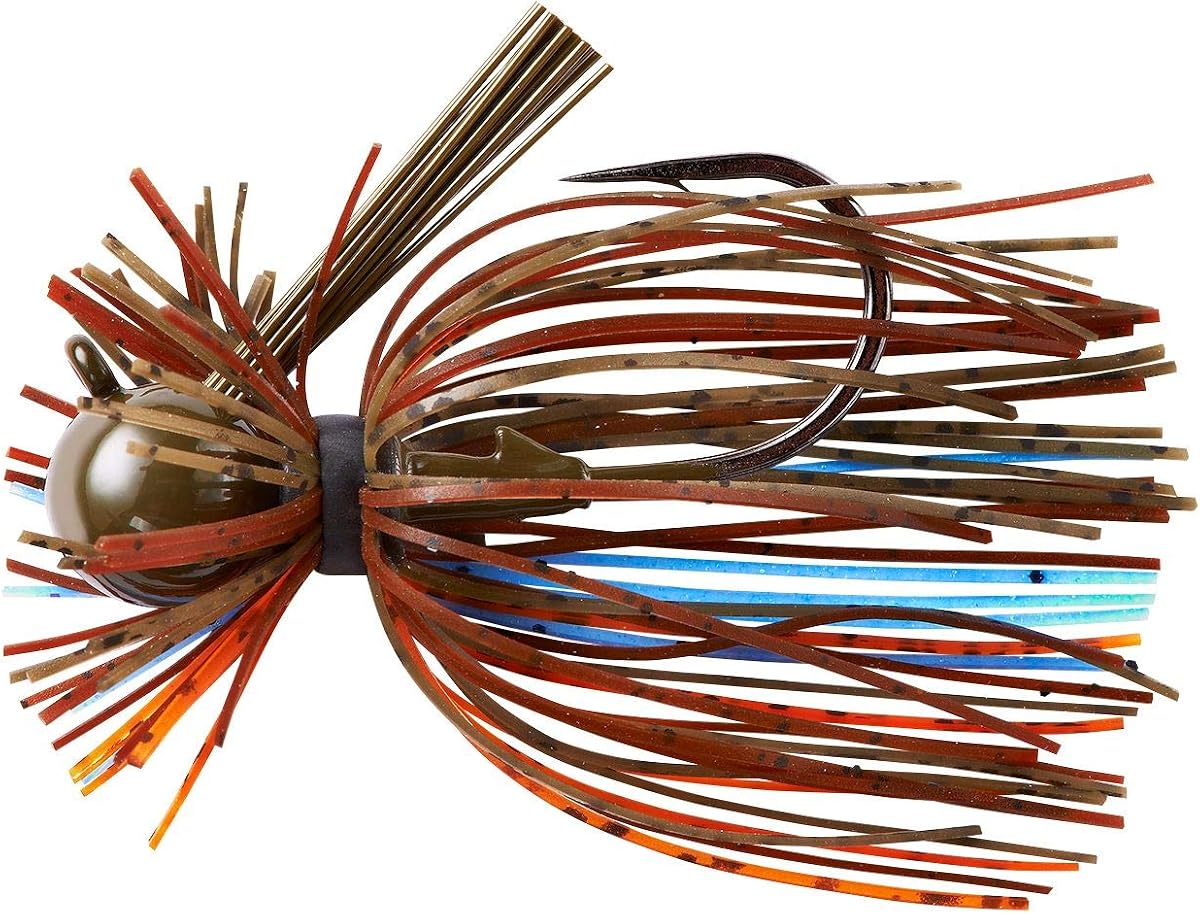
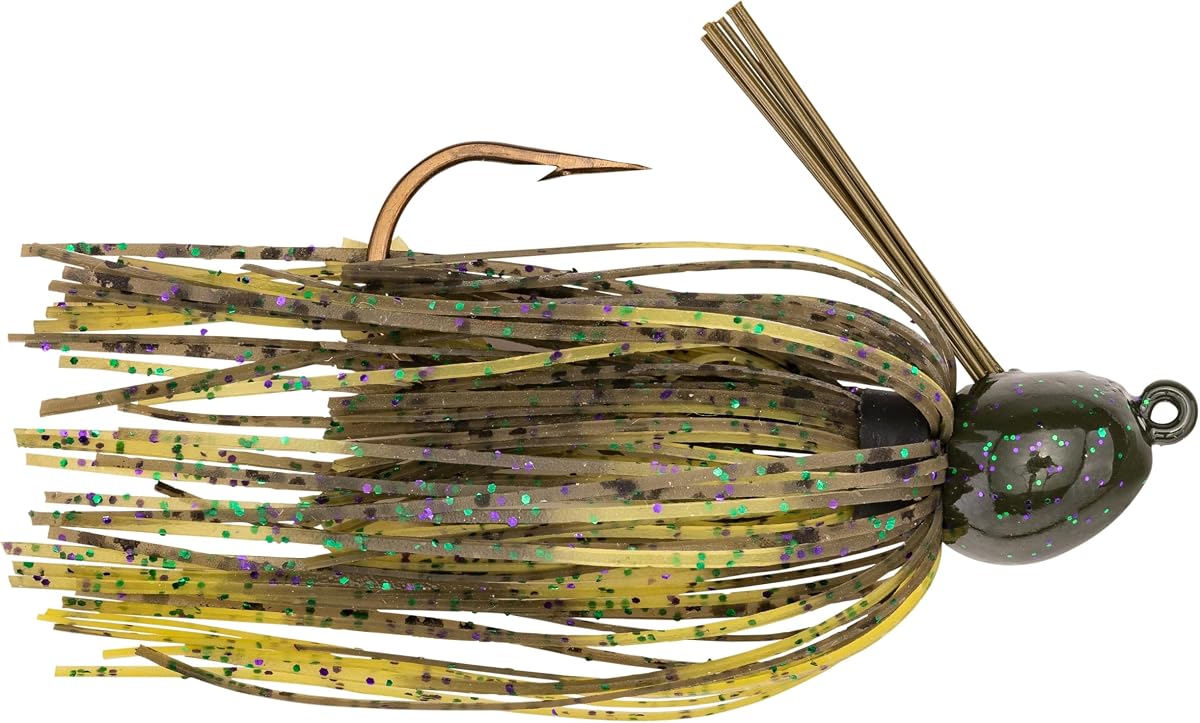
War Eagle Heavy Finesse Jig Bass Fishing Lure
4.7 (118 Amazon ratings)

War Eagle Heavy Finesse Jig Bass Fishing Lure

Quick verdict: War Eagle Heavy Finesse Jig Bass Fishing Lure ranks in the top 2 by combining 4.7-star Amazon buyer ratings (118 ratings) with a clear practical role: pressured, clear-water bass.

Why It Stands Out

  • Rated 4.7 stars from 118 Amazon buyer ratings
  • Clear match for pressured, clear-water bass
  • Strong value for its price range
  • Direct Amazon link for current price and availability

Pros

  • Good fit for pressured, clear-water bass
  • 4.7-star Amazon buyer rating
  • Budget-friendly pick

Cons

  • May not cover every specialty technique
  • Takes more practice than beginner gear

Best Situations

Pressured, clear-water bassIntermediateValue BuyersQuick Buy
Difficulty
Intermediate
Price Range
$$$
Best Swim Jig
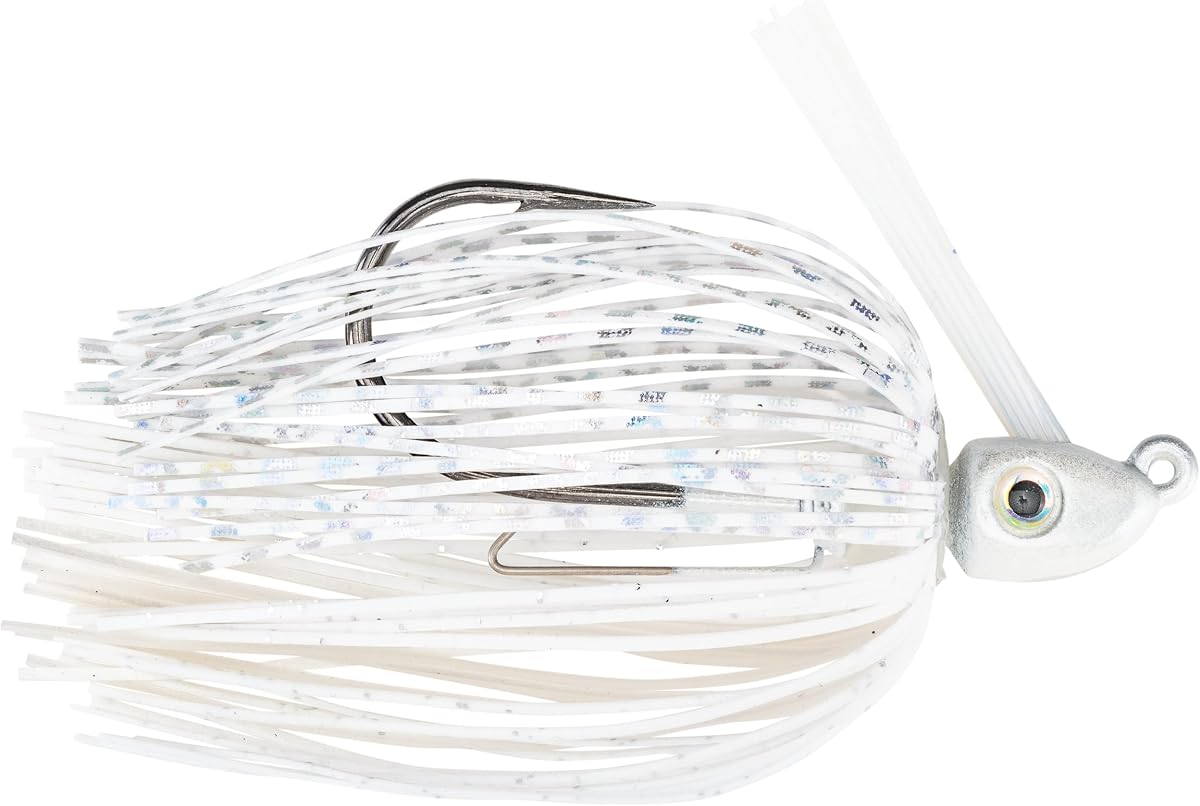
Strike King Hack Attack Heavy Cover Swim Jig
4.7 (103 Amazon ratings)

Strike King Hack Attack Heavy Cover Swim Jig

Quick verdict: Strike King Hack Attack Heavy Cover Swim Jig ranks in the top 3 by combining 4.7-star Amazon buyer ratings (103 ratings) with a clear practical role: swimming grass & wood.

Why It Stands Out

  • Rated 4.7 stars from 103 Amazon buyer ratings
  • Clear match for swimming grass & wood
  • Strong value for its price range
  • Direct Amazon link for current price and availability

Pros

  • Good fit for swimming grass & wood
  • 4.7-star Amazon buyer rating
  • Budget-friendly pick

Cons

  • May not cover every specialty technique
  • Takes more practice than beginner gear

Best Situations

Swimming grass & woodIntermediateValue BuyersQuick Buy
Difficulty
Intermediate
Price Range
$$$
Recommended #4
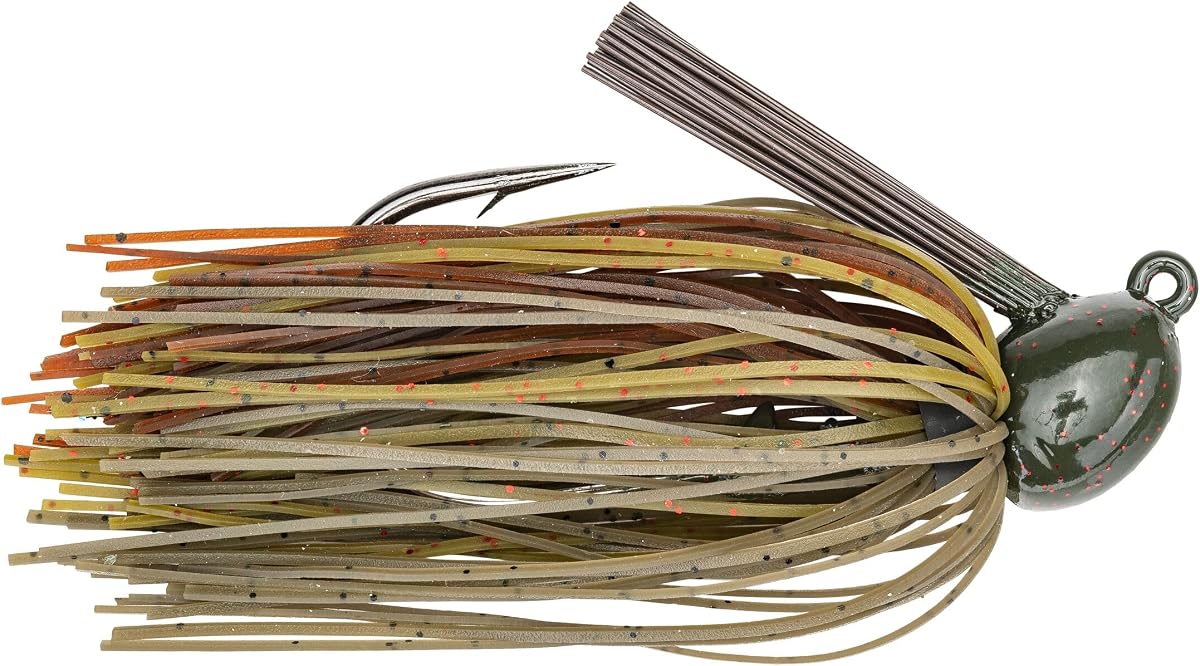
Strike King Hack Attack Heavy Cover Jig
4.6 (335 Amazon ratings)

Strike King Hack Attack Heavy Cover Jig

Quick verdict: Strike King Hack Attack Heavy Cover Jig ranks in the top 4 by combining 4.6-star Amazon buyer ratings (335 ratings) with a clear practical role: flipping heavy cover & wood.

Why It Stands Out

  • Rated 4.6 stars from 335 Amazon buyer ratings
  • Clear match for flipping heavy cover & wood
  • Strong value for its price range
  • Direct Amazon link for current price and availability

Pros

  • Good fit for flipping heavy cover & wood
  • 4.6-star Amazon buyer rating
  • Budget-friendly pick

Cons

  • May not cover every specialty technique
  • Takes more practice than beginner gear

Best Situations

Flipping heavy cover & woodIntermediateValue BuyersQuick Buy
Difficulty
Intermediate
Price Range
$$$
Recommended #5
Strike King Tour Grade Football Jig
4.6 (181 Amazon ratings)

Strike King Tour Grade Football Jig

Quick verdict: Strike King Tour Grade Football Jig ranks in the top 5 by combining 4.6-star Amazon buyer ratings (181 ratings) with a clear practical role: dragging rock & deep structure.

Why It Stands Out

  • Rated 4.6 stars from 181 Amazon buyer ratings
  • Clear match for dragging rock & deep structure
  • Strong value for its price range
  • Direct Amazon link for current price and availability

Pros

  • Good fit for dragging rock & deep structure
  • 4.6-star Amazon buyer rating
  • Budget-friendly pick

Cons

  • May not cover every specialty technique
  • Takes more practice than beginner gear

Best Situations

Dragging rock & deep structureIntermediateValue BuyersQuick Buy
Difficulty
Intermediate
Price Range
$$$
Recommended #6
Strike King Bitsy Bug Mini Jig
4.6 (390 Amazon ratings)

Strike King Bitsy Bug Mini Jig

Quick verdict: Strike King Bitsy Bug Mini Jig ranks in the top 6 by combining 4.6-star Amazon buyer ratings (390 ratings) with a clear practical role: finesse on light spinning gear.

Why It Stands Out

  • Rated 4.6 stars from 390 Amazon buyer ratings
  • Clear match for finesse on light spinning gear
  • Strong value for its price range
  • Direct Amazon link for current price and availability

Pros

  • Good fit for finesse on light spinning gear
  • 4.6-star Amazon buyer rating
  • Budget-friendly pick

Cons

  • May not cover every specialty technique
  • Advanced anglers may want a more specialized option

Best Situations

Finesse on light spinning gearBeginnerValue BuyersQuick Buy
Difficulty
Beginner
Price Range
$$$
Recommended #7
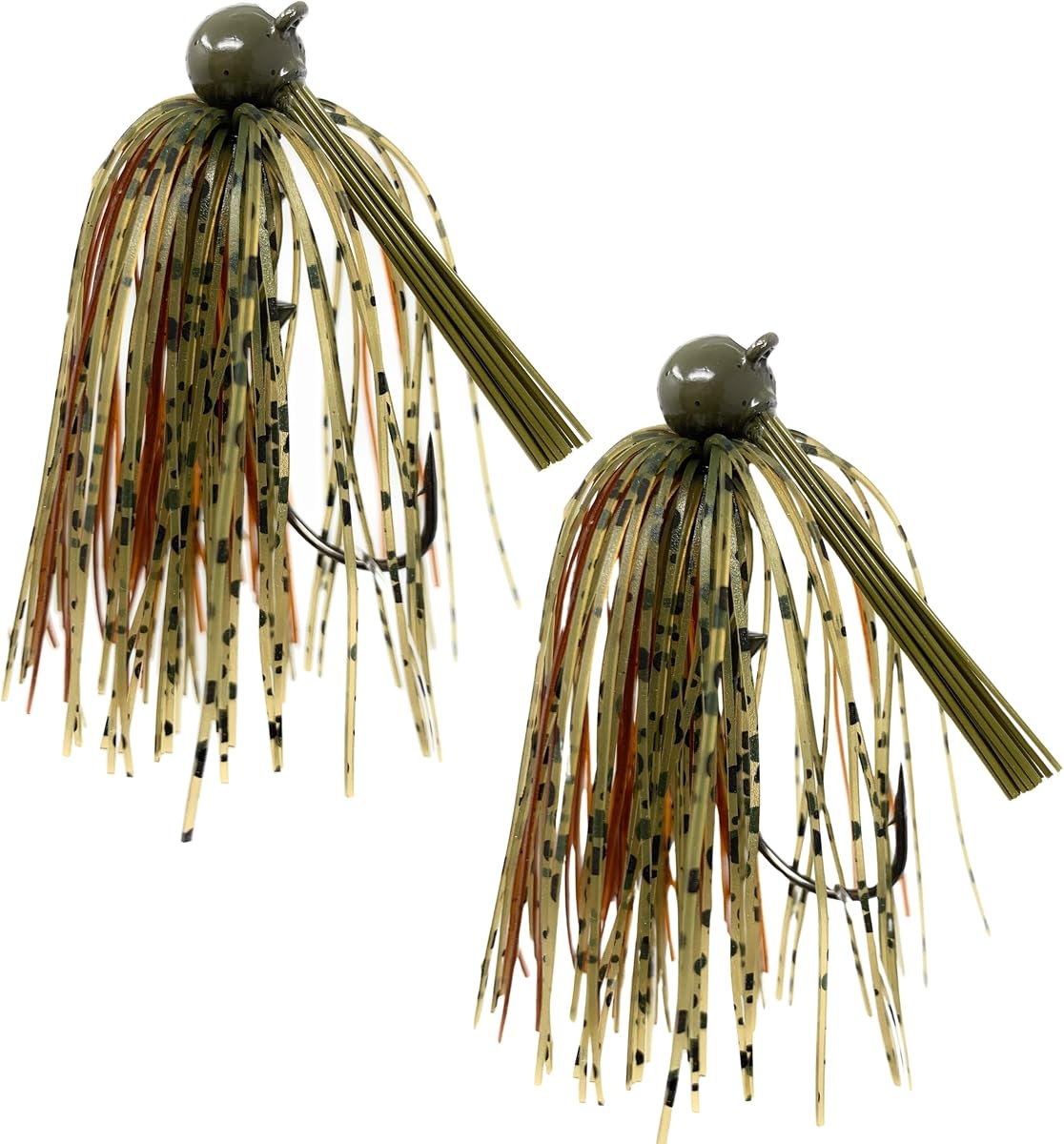
Reaction Tackle Tungsten Football Jig Heads (2-Pack)
4.6 (600 Amazon ratings)

Reaction Tackle Tungsten Football Jig Heads (2-Pack)

Quick verdict: Reaction Tackle Tungsten Football Jig Heads (2-Pack) ranks in the top 7 by combining 4.6-star Amazon buyer ratings (600 ratings) with a clear practical role: premium tungsten bottom feel.

Why It Stands Out

  • Rated 4.6 stars from 600 Amazon buyer ratings
  • Clear match for premium tungsten bottom feel
  • Strong value for its price range
  • Direct Amazon link for current price and availability

Pros

  • Good fit for premium tungsten bottom feel
  • 4.6-star Amazon buyer rating
  • Budget-friendly pick

Cons

  • May not cover every specialty technique
  • Takes more practice than beginner gear

Best Situations

Premium tungsten bottom feelIntermediateValue BuyersQuick Buy
Difficulty
Intermediate
Price Range
$$$
Buying Guide

What to Check Before You Buy

Match the head to the cover

The head shape is the whole decision. A compact flipping head slides through wood and grass, a wide football head stands up and reads rock on a deep drag, a light finesse head falls slow for pressured fish, and a pointed swim head comes through grass without fouling. Buy the head for the water you fish before you buy a second color of anything.

The hook has to be stout

A jig hooks a big bass with a hard hookset and then a fight through cover, so the hook is doing more work here than on almost any other lure. A thin, cheap hook flexes and straightens under load. Look for a heavy-gauge, sharp hook, ideally a name like Gamakatsu or Mustad. It is the single feature most worth paying up for.

Weed guard and skirt

A fiber weed guard should be stiff enough to keep the point clean in cover but collapse the moment a fish clamps down. A hand-tied silicone skirt flares and pulses on the fall and pumps water on the pause, which is what draws a bass in and triggers the eat. Cheap stapled skirts clump and die; the skirt is where quality shows.

Weight, and lead vs. tungsten

Carry a 3/8 oz for most cover and a 1/2 oz for deeper water and wind. Lead is cheap and fine to learn on. Tungsten is denser, so a tungsten jig is smaller for the same weight and transmits the bottom, every rock and stick, far more clearly through the rod. On deep football and finesse presentations that feel is worth the upcharge.

One jig to start with
A 3/8 oz

If you buy one, make it a 3/8 oz flipping or casting jig in green pumpkin or black-and-blue, like the Booyah Boo Jig, and pin a craw trailer on the back. It covers most cover and depths, and a slow drag-and-hop is all it needs. The most forgiving way to learn the bait.

Clear or pressured water
Go finesse

When fish are picky or the water is clear, downsize to a finesse jig on spinning gear with light line. A War Eagle Heavy Finesse or a Bitsy Bug falls slow and shows a smaller profile that pressured bass will still eat when they ignore a full-size jig.

The hardest part
Feel the fall

The number one jig mistake is missing the bite. A jig gets eaten on the fall, and the take is subtle: a tick, a tap, or your line just easing off to the side. Watch your line, and when anything feels heavy or different, reel down and set hard.

On The Water

How to Fish a Jig, Step by Step

A jig rewards patience over speed, which is exactly why beginners overlook it. Pick a target, work the fall, and learn to trust the subtle bite that a jig is known for.

  1. 1

    Rig it with a trailer

    Thread a soft-plastic craw or chunk onto the hook so it sits snug against the head, matched to or contrasting with the skirt color. On a swim jig, use a paddle-tail instead. The trailer adds bulk and action and changes the fall speed, so trim it to fish faster or slower as conditions ask.

  2. 2

    Pitch to cover and watch the fall

    A jig is a target bait. Pitch or cast it tight to something a bass would hold on, a stump, a dock post, a grass edge, a rock pile, and let it fall on a semi-slack line. Watch where your line enters the water. The large majority of jig bites come on this initial fall, so stay locked in on the line.

  3. 3

    Work it slow along the bottom

    Once it is down, fish it slowly: a short hop, a drag, a long pause. You are imitating a crawfish crawling and darting on the bottom, so resist the urge to hurry. Keep contact with the bottom and feel for anything that interrupts the fall or adds weight. A swim jig is the exception, reeled steadily through the grass.

  4. 4

    Reel down and set hard

    The jig bite is famously subtle, a tick, a tap, sudden heaviness, or your line easing off to the side. When you feel or see anything different, reel down fast to remove slack, then set the hook hard and up. A jig fish is often a big one buried in cover, so keep the pressure on and steer it out.

Plain English

Jig Terms, Decoded

Skirt
The bundle of silicone or rubber strands tied around the jig head. It flares on the fall and pulses on the pause, giving the jig its lifelike, breathing profile. Hand-tied skirts breathe and last better than cheap stapled ones.
Trailer
A soft-plastic bait added to the hook behind the skirt, usually a craw or chunk on a bottom jig or a paddle-tail on a swim jig. It adds bulk, action, and color, and changes how fast the jig falls.
Weed guard
The fan of stiff fibers over the hook point that lets a jig slip through wood and grass without snagging. A good one keeps the point clean in cover but collapses instantly when a bass bites down.
Flipping / pitching
Short, accurate underhand casts that drop a jig quietly and precisely into tight cover at close range. The core skill of fishing a flipping jig, since a soft, on-target entry draws more bites than a loud splash.
Football head
A wide, football-shaped jig head that will not roll onto its side. It keeps the skirt standing up and telegraphs a rock or gravel bottom clearly as you drag it, which is why it rules deep, hard-bottom structure.
Tungsten
A dense metal used in place of lead. A tungsten jig is smaller for the same weight and transmits the feel of the bottom far more clearly up the line, at a higher price. Prized for deep and finesse presentations.
Avoid These

Common Jig Mistakes

  • Missing the bite. A jig gets eaten on the fall, and the take is subtle. Watch your line and set on anything that feels heavy or looks different, not just a hard thump.
  • Fishing it too fast. A jig imitates a crawfish crawling the bottom. Slow down, add pauses, and let the skirt do the work; hurrying it is the fastest way to get ignored.
  • Using a cheap, thin hook. It straightens on the big fish a jig is built to catch. Pay up for a stout, sharp hook and you will land far more of the fish you hook.
  • Skipping the trailer. A bare jig catches fish, but a soft-plastic trailer adds the bulk, action, and fall control that turn follows into bites. Almost always tie one on.
  • Ignoring the weed guard. A guard that is too stiff blocks your hookset; one matted down fouls on cover. Trim and fan it so it protects the point but folds when a fish bites.
  • Owning one weight in one color. Carry a 3/8 and a 1/2 oz, and both green pumpkin and black-and-blue, so you can match the depth, wind, and water clarity in front of you.
Explore Individual Gear

Once you know which kit type fits your situation, dig into each gear category for in-depth picks and buying advice:

Full Catalog

Compare All 7 Bass Jigs

Want to browse beyond the ranked picks? Filter and sort the full bass jigs listing below.

Best Bass Jigs of 2026 — All Products

7 Products
FAQ

Frequently Asked Questions

A 3/8-ounce flipping or casting jig like the Booyah Boo Jig is the easiest jig to learn on. That weight falls at a speed you can follow, it fishes most of the cover and depth a beginner encounters, and the compact head with a weed guard keeps you from hanging up on every cast. Pick green pumpkin for clear water or black-and-blue for stained, add a soft-plastic craw trailer for bulk and action, and fish it with a slow drag-and-hop along the bottom. The main skill to build is detecting the bite, which usually comes as the jig falls, so keep a close eye on your line.

How We Choose Products

How These Picks Are Chosen

Reader-supported and free of paid placements. Every pick is ranked on published specs and Amazon buyer ratings, not on who pays us.

Spec Research

Each pick is compared on published specs, materials, design, and category fit across the major brands.

Practical Fit

Rankings factor in how well each product matches common freshwater fishing needs, not just popularity.

Amazon Buyer Ratings

Star ratings and review volume from verified Amazon buyers are factored in to reflect real-world satisfaction.

Value

A pick earns its spot by delivering useful performance for the money, whether budget or premium.

Slow down,
catch bigger.

Our lure guides break down what to throw and when, from the jig you drag along the bottom to the crankbait that covers water fast.

View Lure Guides
See Top Picks