Best Bass Lures by Season and Conditions — freshwater fishing gear
Lure Guide · Conditions Chart

Best Bass Lures by Season and Conditions

Water temperature, sky and water clarity decide what bass will chase, so this guide maps each condition to a lure class and names a verified pick for it.

View Top PicksBy TomUpdated 2026-08-11Ranked from specs & buyer reviews
How to Choose

How to Match a Bass Lure to the Day

Ask ten anglers for the best bass lure and you get ten answers, because the honest answer changes with the water. A jerkbait that draws bites at 45 degrees gets ignored at 80. A chartreuse spinnerbait that shines in muddy runoff can spook fish in gin-clear water. So this page is built the other way around from a normal ranked list. It starts with the conditions in front of you, points to the lure class published bass guidance says fits them, and only then names a product.

The single most useful number is water temperature, not the date on the calendar. The temperature-based lure selector chart Jason Sealock published at Wired2Fish sorts the whole year into bands and lists what to throw in each: jerkbaits, blade baits and jigging spoons from the high 30s through the 40s, lipless and shallow crankbaits once the water hits the low 50s, spinnerbaits and jigs by the high 50s, then soft plastics, frogs and topwater from the mid 60s up. A five dollar surface thermometer or the reading on a fish finder tells you which band you are in. That beats guessing from the month, because a cold spring and a warm one can sit three weeks apart on the same New Jersey pond.

Weather and clarity are the two adjustments you make on top of the temperature band. Rain and falling barometric pressure push bass to chase, which is why the Wired2Fish rain piece by Shaye Baker leans on moving baits you can burn through water. Clarity sets color: the 1Source color guide by Wade Bourne puts natural, translucent finishes in clear water and chartreuse, fire tiger and dark baits with bright tails in stained or muddy water. Tom has not fished every lure below. The picks come from that published guidance plus manufacturer specs, and the rating and review numbers beside each one were read off its Amazon listing.
Read The Day First

The Four Readings That Pick the Lure

Every recommendation on this page comes out of four observations you can make from the bank in under a minute. Take them in this order and the lure class is usually obvious by the time you get to the fourth.

Water temperature

Essential

The one that matters most. It sets the fish's metabolism, how far they will move for a bait, and how fast you should be retrieving. A surface thermometer costs about five dollars and most fish finders show it on the home screen. Everything in the chart below is organized around this number.

Water clarity

Essential

Drop a light-colored lure over the side and note the depth where it disappears. Two feet or more is clear, roughly a foot is stained, less than that is muddy. This decides your color, and in muddy water it also pushes you toward baits that rattle or thump so the fish can find them without seeing them.

Sky and wind

Essential

Overcast and chop scatter bass and make them willing to chase a moving bait. Bright sun and slick water push them tight to shade and cover, which is when a slow soft plastic pitched to a specific target beats covering water. Wind on a bank is a reason to fish that bank.

Cover and depth

Essential

Look at what is actually in front of you: grass, wood, rock, docks, open flat, or a drop-off. This picks the exact bait inside the class. A squarebill for wood and rock, a frog or a bait you can rip free for matted grass, a jig for docks and brush, a deep crankbait or a dragged jig for offshore structure.

Recent weather change

Nice to Have

A front coming in with falling pressure is worth speeding up for. A bluebird sky the day after a cold front passes is the hardest bite of the week, and the honest response is to slow down and downsize rather than keep burning a spinnerbait.

Fishing pressure

Nice to Have

A public pond that gets fished every day has bass that have seen every spinnerbait in the tackle aisle. Smaller profiles, natural colors, lighter line and a slower fall are the standard adjustment, which is most of why a plain soft stick bait keeps catching fish long after flashier lures stop.

The Conditions Chart

Water Temperature to Lure Class, Band by Band

These bands follow the temperature-based lure selector chart Jason Sealock published at Wired2Fish, with the post-spawn band filled out from On The Water's post-spawn guide. Nothing here is tied to a month, so it stays correct whether your season runs early or late.

Coldest water

Under 40°FJerkbait · spoon · hair jig

Bass barely move, so the bait has to hang in their face. The chart lists jigging spoons, marabou jigs, the float-and-fly and a suspending jerkbait, and specifies clear water. Long pauses do more work than the retrieve does.

Cold water

40-50°FJerkbait · blade bait · balsa crank

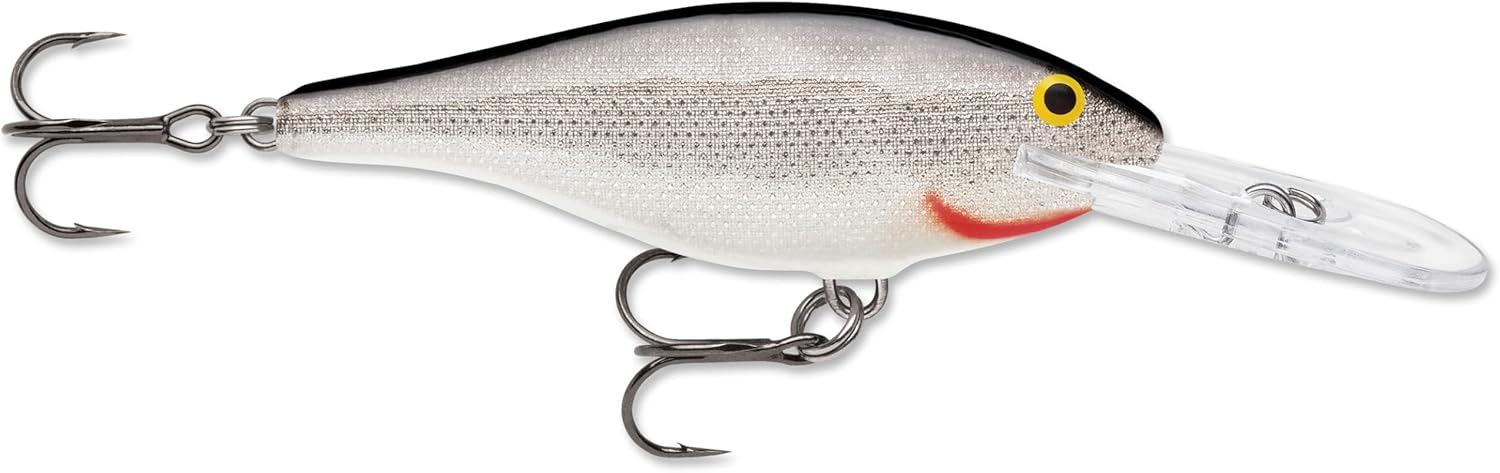
The same slow presentations plus the first moving baits: jigging spoons, jerkbaits, swimbaits, blade baits and finesse crankbaits. A tight-wobbling balsa bait like a Shad Rap fits this band precisely, because a wide-thumping crankbait is still too much action.

Pre-spawn warm-up

50-55°FLipless · shallow crank · bladed jig

The first real feeding window of the year. Bass stage on the way to the flats and the chart switches to lipless crankbaits, shallow crankbaits, bladed jigs and jerkbaits. Rip a lipless bait free of grass and the reaction strike usually follows.

Late pre-spawn

55-60°FSpinnerbait · crankbait · jig

Fish are shallow and aggressive. Jerkbaits, crankbaits, spinnerbaits, jigs and swim jigs all appear in this band, which makes it the widest-open stretch of the year and the easiest time to catch bass on a moving bait.

Spawn

60-65°FLizards · craws · floating jerkbait

Bass are on beds and defending rather than feeding. The chart calls for shallow floating jerkbaits, swimbaits and soft plastics shaped like the things that raid a nest, which is why lizards and craws dominate this band.

Post-spawn

65-70°FSoft stick bait · floating worm · frog

Recovering fish will not chase far. The chart opens the topwater, frog and stick-bait window here, and On The Water's post-spawn guide adds wacky rigs, flukes and light Texas rigs, all chosen because they fall slowly and cost the fish almost nothing to eat.

Summer

70-80°F and upTopwater early · big plastics · deep crank

Split the day. Low light gets topwater and frogs over grass. Once the sun is up and the fish pull to shade or offshore structure, the chart points to big soft plastics, a jig on hard bottom and deep-diving crankbaits.

Fall cool-down

70°F falling to under 50°FBuzzbait · jerkbait · lipless · blade bait

The chart tracks the drop in three steps: buzzbaits, topwater and vibrating jigs from 70 to 65, jerkbaits, swimbaits and topwater from 65 to 55, then blade baits, lipless crankbaits and spinnerbaits from 55 to 50 and blade baits and spoons below that.

Quick Picks

Top Three at a Glance

Short on time? Start with these top-rated bass lures by season picks.

Best Shallow Cover
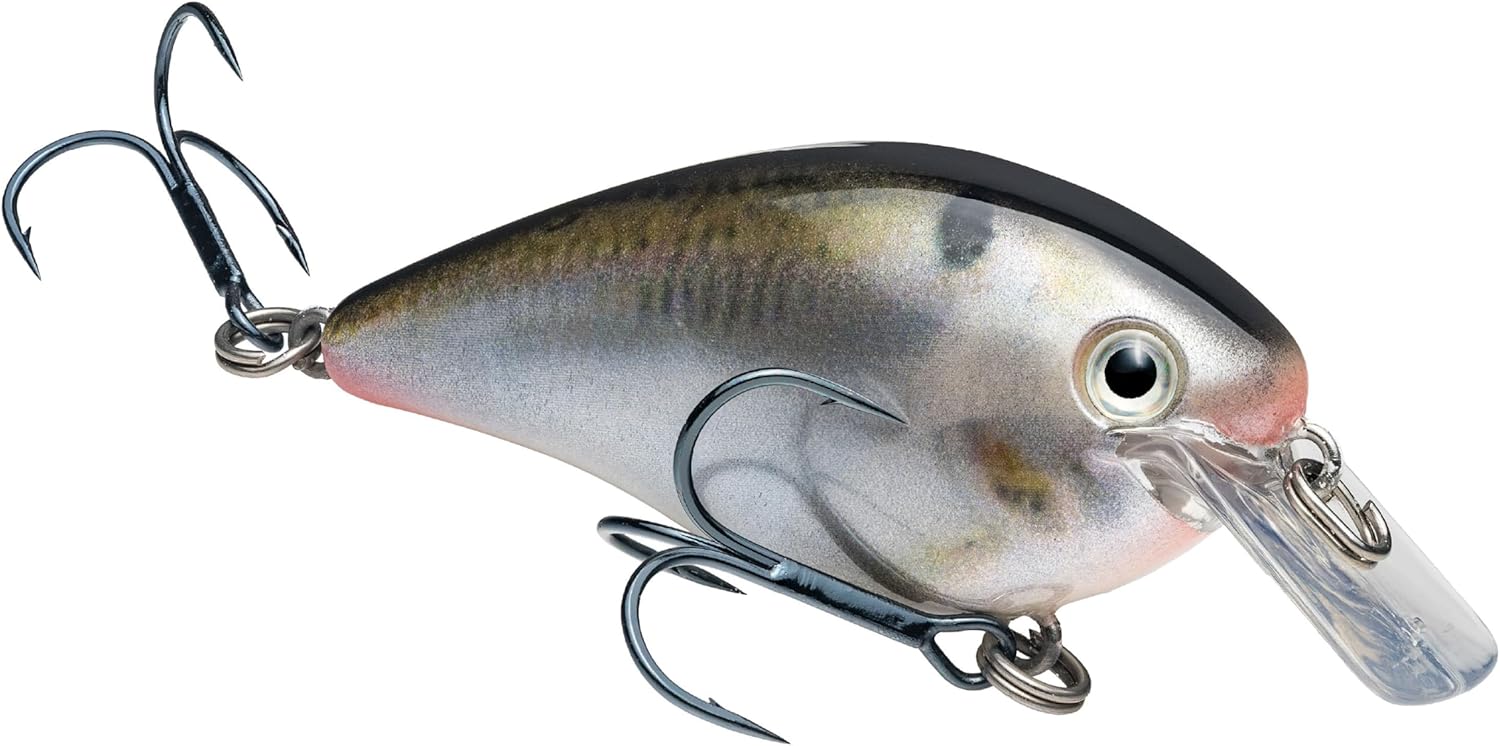
Strike King KVD 1.5 Square Bill Crankbait
4.7

Strike King KVD 1.5 Square Bill Crankbait

ASIN B00N4OD6U0

Strike King KVD 1.5 Square Bill Crankbait ranks in the top 2 by combining 4.7-star Amazon buyer ratings (1,274 ratings) with a clear practical role: shallow cover, 55-70°f.

Check Price
Comparison Table

Every Pick, Side by Side

Best Year-Round
Best For
Post-spawn & pressured fish
Lure Type
Soft Plastic
Price
$$$
Amazon ASIN
B00144C25C
Best Shallow Cover
Best For
Shallow cover, 55-70°F
Lure Type
Squarebill Crankbait
Price
$$$
Amazon ASIN
B00N4OD6U0
Best Pre-Spawn
Best For
Pre-spawn grass, 50-60°F
Lure Type
Lipless Crankbait
Price
$$$
Amazon ASIN
B0000AUYVO
Recommended #4
Best For
Summer low light & wind
Lure Type
Topwater
Price
$$$
Amazon ASIN
B07JCZJWHT
Recommended #5
Best For
Rain, wind & stained water
Lure Type
Spinnerbait
Price
$$$
Amazon ASIN
B006315TME
Recommended #6
Best For
Cold, clear water
Lure Type
Balsa Crankbait
Price
$$$
Amazon ASIN
B001NXD0X2
Recommended #7
Best For
Heavy cover & summer depth
Lure Type
Skirted Jig
Price
$$$
Amazon ASIN
B003KJ7TZC
Recommended #8
Best For
Grass edges & stained water
Lure Type
Bladed Jig
Price
$$$
Amazon ASIN
B0G48RSDWZ
The Lineup

8 Best Bass Lures by Season, Compared

Detailed picks with verdicts, strengths, tradeoffs, and the situations where each one makes the most sense.

Best Year-Round
Yamamoto 5" Senko Soft Stick Bait (10-Pack)
4.8 (6,386 Amazon ratings)

Yamamoto 5" Senko Soft Stick Bait (10-Pack)

Quick verdict: Yamamoto 5" Senko Soft Stick Bait (10-Pack) ranks in the top 1 by combining 4.8-star Amazon buyer ratings (6,386 ratings) with a clear practical role: post-spawn & pressured fish.

Why It Stands Out

  • Rated 4.8 stars from 6,386 Amazon buyer ratings
  • Clear match for post-spawn & pressured fish
  • Strong value for its price range
  • Full specs, pros, cons, and buyer rating breakdown on the details page

Pros

  • Good fit for post-spawn & pressured fish
  • 4.8-star Amazon buyer rating
  • Budget-friendly pick

Cons

  • May not cover every specialty technique
  • Advanced anglers may want a more specialized option

Best Situations

Post-spawn & pressured fishBeginnerValue BuyersDeep Review Available
Difficulty
Beginner
Price Range
$$$
Best Shallow Cover
Strike King KVD 1.5 Square Bill Crankbait
4.7 (1,274 Amazon ratings)

Strike King KVD 1.5 Square Bill Crankbait

Quick verdict: Strike King KVD 1.5 Square Bill Crankbait ranks in the top 2 by combining 4.7-star Amazon buyer ratings (1,274 ratings) with a clear practical role: shallow cover, 55-70°f.

Why It Stands Out

  • Rated 4.7 stars from 1,274 Amazon buyer ratings
  • Clear match for shallow cover, 55-70°f
  • Strong value for its price range
  • Direct Amazon link for current price and availability

Pros

  • Good fit for shallow cover, 55-70°f
  • 4.7-star Amazon buyer rating
  • Budget-friendly pick

Cons

  • May not cover every specialty technique
  • Advanced anglers may want a more specialized option

Best Situations

Shallow cover, 55-70°FBeginnerValue BuyersQuick Buy
Difficulty
Beginner
Price Range
$$$
Best Pre-Spawn
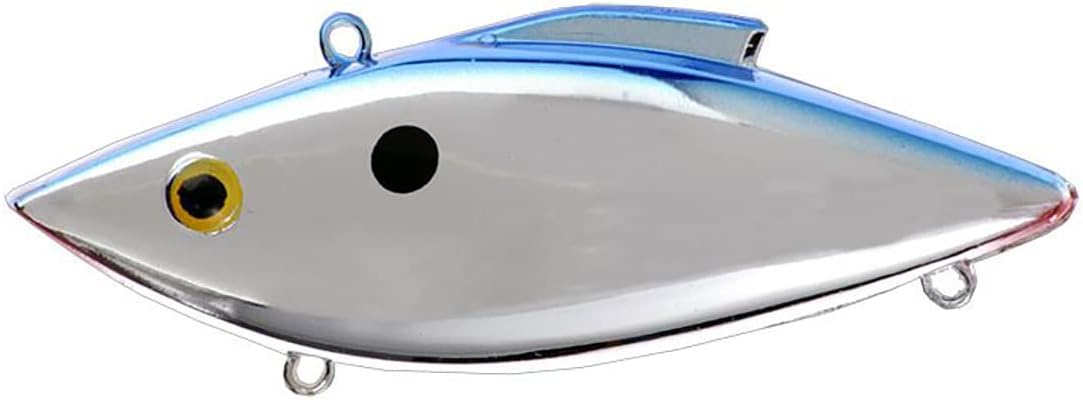
Bill Lewis Rat-L-Trap Lipless Crankbait (1/2 oz)
4.8 (576 Amazon ratings)

Bill Lewis Rat-L-Trap Lipless Crankbait (1/2 oz)

Quick verdict: Bill Lewis Rat-L-Trap Lipless Crankbait (1/2 oz) ranks in the top 3 by combining 4.8-star Amazon buyer ratings (576 ratings) with a clear practical role: pre-spawn grass, 50-60°f.

Why It Stands Out

  • Rated 4.8 stars from 576 Amazon buyer ratings
  • Clear match for pre-spawn grass, 50-60°f
  • Strong value for its price range
  • Direct Amazon link for current price and availability

Pros

  • Good fit for pre-spawn grass, 50-60°f
  • 4.8-star Amazon buyer rating
  • Budget-friendly pick

Cons

  • May not cover every specialty technique
  • Advanced anglers may want a more specialized option

Best Situations

Pre-spawn grass, 50-60°FBeginnerValue BuyersQuick Buy
Difficulty
Beginner
Price Range
$$$
Recommended #4
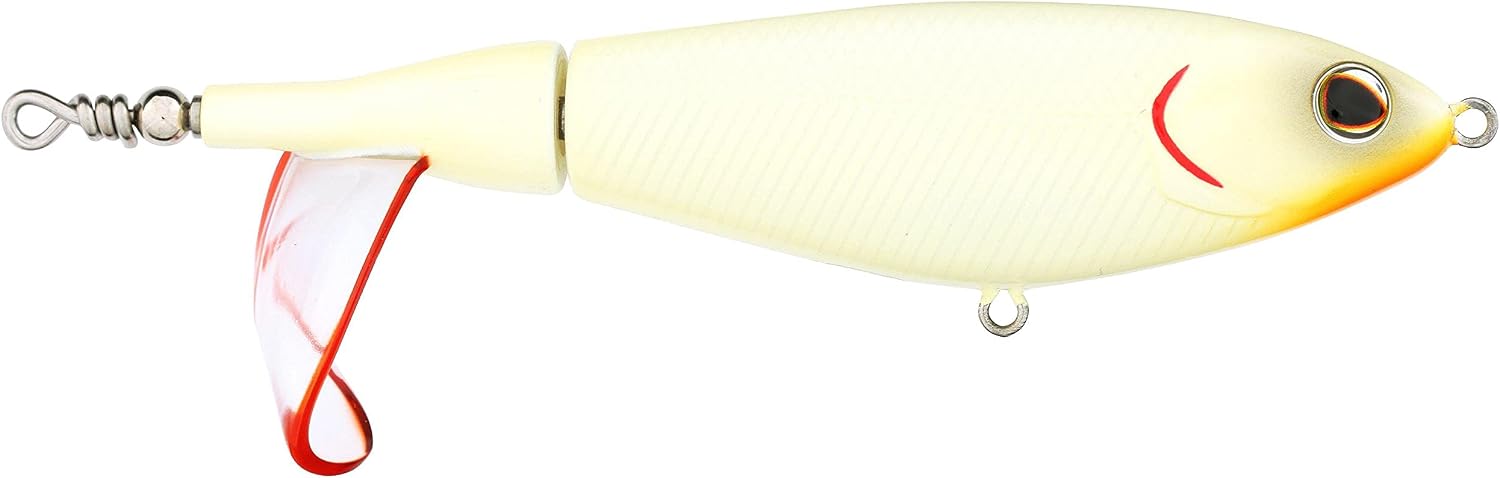
Berkley Choppo 90 Topwater Prop Bait
4.6 (3,552 Amazon ratings)

Berkley Choppo 90 Topwater Prop Bait

Quick verdict: Berkley Choppo 90 Topwater Prop Bait ranks in the top 4 by combining 4.6-star Amazon buyer ratings (3,552 ratings) with a clear practical role: summer low light & wind.

Why It Stands Out

  • Rated 4.6 stars from 3,552 Amazon buyer ratings
  • Clear match for summer low light & wind
  • Strong value for its price range
  • Direct Amazon link for current price and availability

Pros

  • Good fit for summer low light & wind
  • 4.6-star Amazon buyer rating
  • Budget-friendly pick

Cons

  • May not cover every specialty technique
  • Advanced anglers may want a more specialized option

Best Situations

Summer low light & windBeginnerValue BuyersQuick Buy
Difficulty
Beginner
Price Range
$$$
Recommended #5
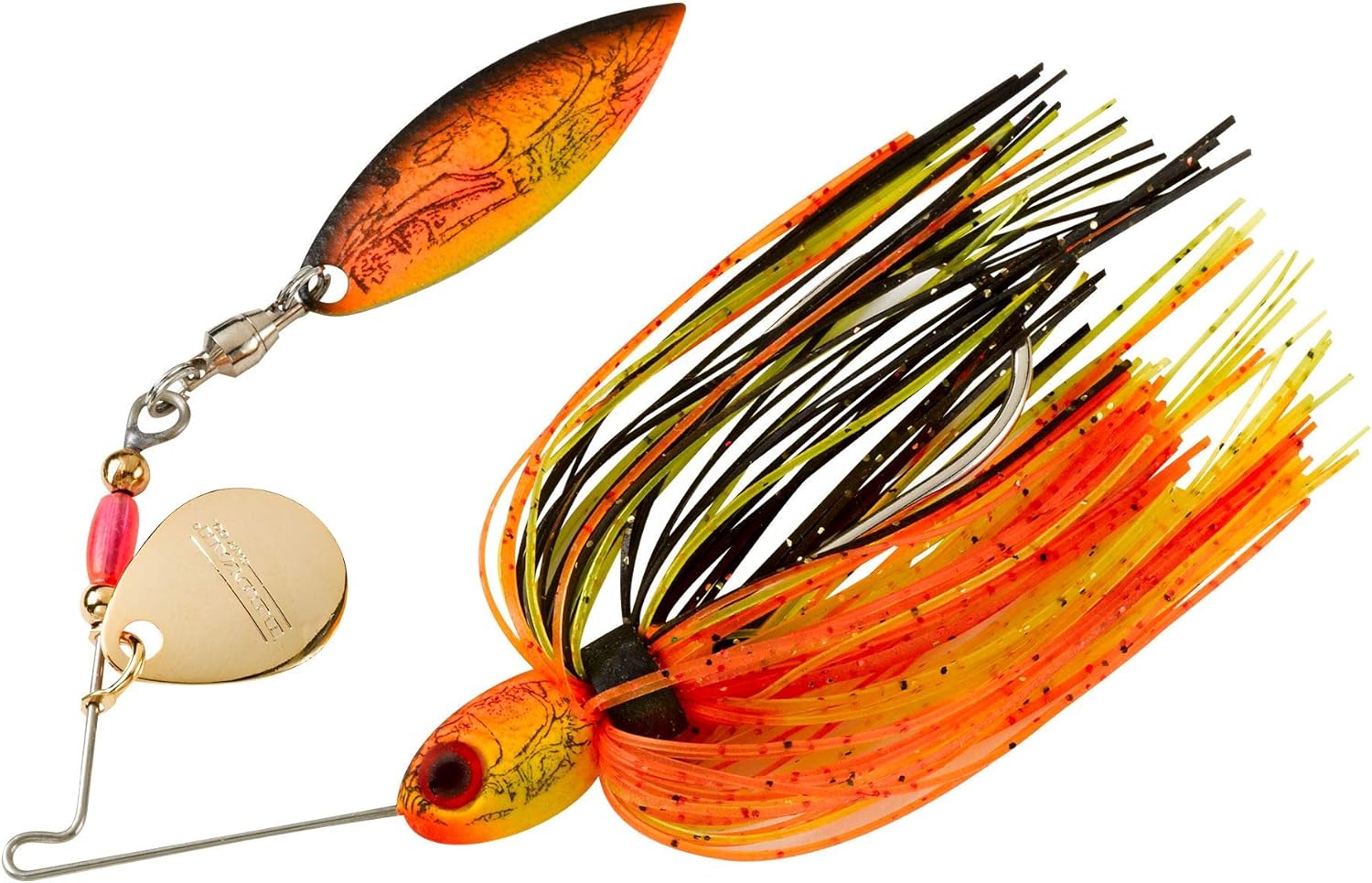
BOOYAH Pond Magic Spinnerbait (3/16 oz)
4.5 (2,392 Amazon ratings)

BOOYAH Pond Magic Spinnerbait (3/16 oz)

Quick verdict: BOOYAH Pond Magic Spinnerbait (3/16 oz) ranks in the top 5 by combining 4.5-star Amazon buyer ratings (2,392 ratings) with a clear practical role: rain, wind & stained water.

Why It Stands Out

  • Rated 4.5 stars from 2,392 Amazon buyer ratings
  • Clear match for rain, wind & stained water
  • Strong value for its price range
  • Full specs, pros, cons, and buyer rating breakdown on the details page

Pros

  • Good fit for rain, wind & stained water
  • 4.5-star Amazon buyer rating
  • Budget-friendly pick

Cons

  • May not cover every specialty technique
  • Advanced anglers may want a more specialized option

Best Situations

Rain, wind & stained waterBeginnerValue BuyersDeep Review Available
Difficulty
Beginner
Price Range
$$$
Recommended #6
Rapala Shad Rap 07 Balsa Crankbait
4.7 (634 Amazon ratings)

Rapala Shad Rap 07 Balsa Crankbait

Quick verdict: Rapala Shad Rap 07 Balsa Crankbait ranks in the top 6 by combining 4.7-star Amazon buyer ratings (634 ratings) with a clear practical role: cold, clear water.

Why It Stands Out

  • Rated 4.7 stars from 634 Amazon buyer ratings
  • Clear match for cold, clear water
  • Strong value for its price range
  • Direct Amazon link for current price and availability

Pros

  • Good fit for cold, clear water
  • 4.7-star Amazon buyer rating
  • Budget-friendly pick

Cons

  • May not cover every specialty technique
  • Takes more practice than beginner gear

Best Situations

Cold, clear waterIntermediateValue BuyersQuick Buy
Difficulty
Intermediate
Price Range
$$$
Recommended #7
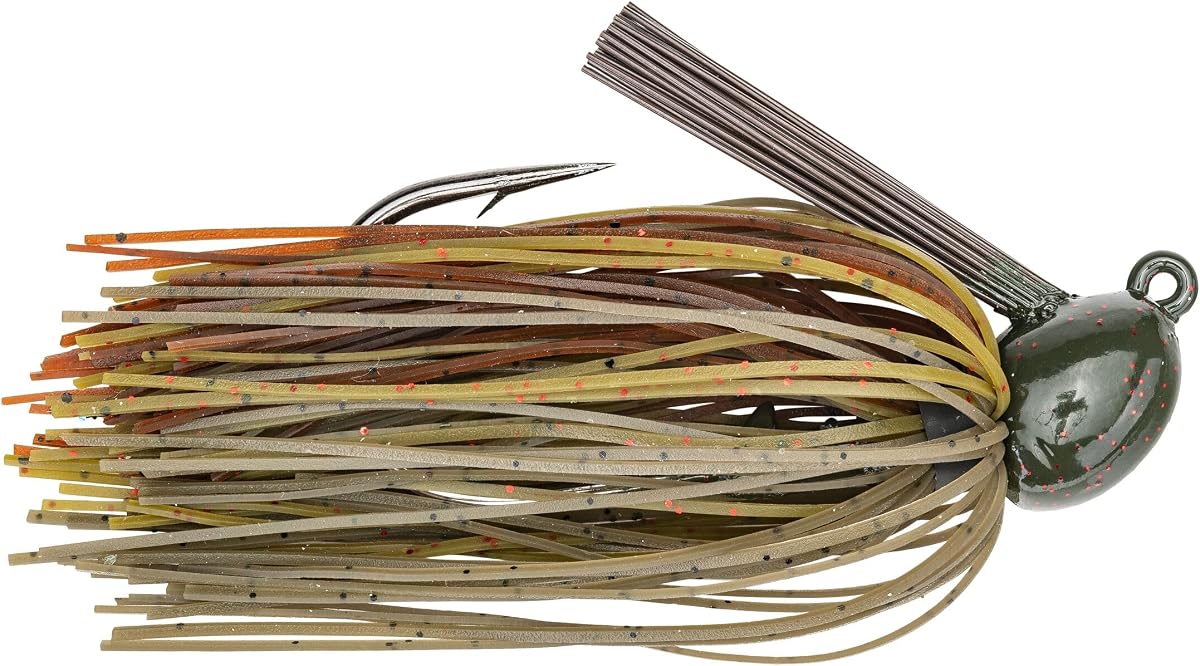
Strike King Hack Attack Heavy Cover Jig
4.6 (339 Amazon ratings)

Strike King Hack Attack Heavy Cover Jig

Quick verdict: Strike King Hack Attack Heavy Cover Jig ranks in the top 7 by combining 4.6-star Amazon buyer ratings (339 ratings) with a clear practical role: heavy cover & summer depth.

Why It Stands Out

  • Rated 4.6 stars from 339 Amazon buyer ratings
  • Clear match for heavy cover & summer depth
  • Strong value for its price range
  • Direct Amazon link for current price and availability

Pros

  • Good fit for heavy cover & summer depth
  • 4.6-star Amazon buyer rating
  • Budget-friendly pick

Cons

  • May not cover every specialty technique
  • Takes more practice than beginner gear

Best Situations

Heavy cover & summer depthAdvancedValue BuyersQuick Buy
Difficulty
Advanced
Price Range
$$$
Recommended #8
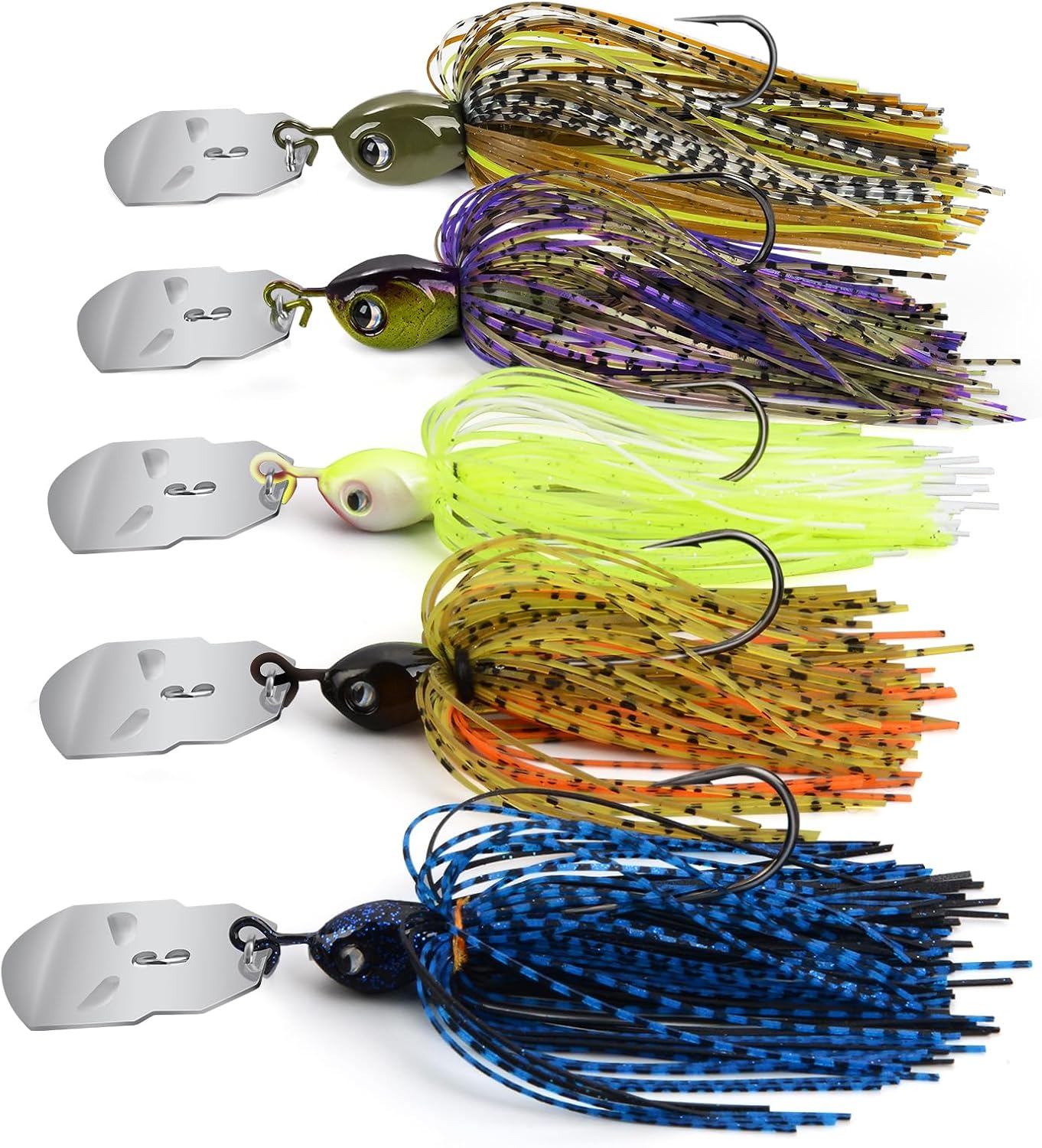
MadBite by KastKing Bladed Jig Kit (5-Piece, 3/8 oz)
4.5 (2,053 Amazon ratings)

MadBite by KastKing Bladed Jig Kit (5-Piece, 3/8 oz)

Quick verdict: MadBite by KastKing Bladed Jig Kit (5-Piece, 3/8 oz) ranks in the top 8 by combining 4.5-star Amazon buyer ratings (2,053 ratings) with a clear practical role: grass edges & stained water.

Why It Stands Out

  • Rated 4.5 stars from 2,053 Amazon buyer ratings
  • Clear match for grass edges & stained water
  • Strong value for its price range
  • Full specs, pros, cons, and buyer rating breakdown on the details page

Pros

  • Good fit for grass edges & stained water
  • 4.5-star Amazon buyer rating
  • Budget-friendly pick

Cons

  • May not cover every specialty technique
  • Advanced anglers may want a more specialized option

Best Situations

Grass edges & stained waterBeginnerValue BuyersDeep Review Available
Difficulty
Beginner
Price Range
$$$
Buying Guide

What to Check Before You Buy

Water temperature, not the month

Bass are cold-blooded, so their metabolism and how far they will move for a meal track the water, not the forecast. The Wired2Fish selector chart splits the year at roughly 40, 50, 55, 60, 65 and 70 degrees, and the lure class changes at every one of those lines. Carry a cheap surface thermometer and take a reading before you tie on. It is the one measurement that makes every other decision on this page easy.

Water clarity sets the color

Wade Bourne's 1Source guide gives the clearest version of the rule: light, translucent colors in clear water, bright ones in dingy water. That means pumpkinseed, smoke and natural shad when you can see two feet down, and chartreuse skirts, fire tiger crankbaits and dark worms with an orange or chartreuse tail when you cannot. In genuinely muddy water the color matters less than the noise, so pick something that rattles or thumps.

Sky, wind and pressure set the speed

Flat calm and bright sun pushes bass tight to cover and makes them picky, so slow down and go finesse. Cloud, chop and falling pressure ahead of rain spread them out and turn them aggressive, so speed up and cover water. Shaye Baker's rain article at Wired2Fish makes the point bluntly: rain leans toward power fishing, and the window closes when the front passes and the pressure climbs again.

Cover and depth decide the delivery

Once you know the lure class, the cover picks the exact bait. Wood, rock and stumps in four feet call for a squarebill that deflects instead of hanging. Matted grass calls for a frog or a bait you can rip free. Deep hard bottom in summer calls for a jig you can drag. A lure that snags on the first cast is a lure you stop throwing, so match the hook and the weed guard to what you are fishing.

If it is raining
Speed up

Falling pressure makes bass more willing to chase, and Wired2Fish's rain guidance points to moving baits over slow ones: a spinnerbait for flash and vibration, a bladed jig you can skip under docks, and a moving topwater rather than a popper you have to work in place. Cover water while the window is open.

If the water is muddy
Under a foot of visibility

Sound and contrast beat subtlety. A rattling lipless crankbait, a Colorado-bladed spinnerbait or a bladed jig gives bass something to home in on, and 1Source recommends bright skirts and fire tiger finishes so the bait registers at all. Fish it slower and closer to cover than you would in clear water.

If it is clear, calm and bright
Slow down

This is soft plastic weather. A weightless stick bait on a light line falls slowly and looks like nothing in particular, which is exactly what pressured fish in clean water will eat. Natural and translucent colors, longer casts, and patience beat a loud reaction bait on a bluebird day.

Working The Chart

How to Pick a Bass Lure for Today's Conditions

Five steps that turn the four readings into one bait tied to your line. Work them in order and you will rarely be more than one adjustment away from the right answer.

  1. 1

    Take the water temperature

    Stick a thermometer in the surface water for thirty seconds or read it off the fish finder, then find the matching band in the chart above. That band is your short list of lure classes for the day. If the reading sits on a line between two bands, take the colder of the two, because bass adjust to warming water more slowly than the thermometer does.

  2. 2

    Check how far you can see into the water

    Drop a light-colored lure over the edge and watch where it vanishes. Clear water sends you toward natural, translucent colors and a subtler bait. Stained or muddy water sends you toward chartreuse, fire tiger or a dark bait with a bright tail, and toward anything that rattles or thumps.

  3. 3

    Look up, then decide your speed

    Cloud, wind and rain mean bass will chase, so take the fastest option in your band: a spinnerbait, a bladed jig, a lipless crank or a moving topwater. Bright sun and slack water mean they will not, so take the slowest: a soft stick bait, a jig, or a finesse rig pitched to a specific piece of cover.

  4. 4

    Let the cover pick the exact bait

    Now match the hook and the weed guard to what you are fishing. Wood, rock and stumps want a squarebill that deflects. Matted grass wants a frog or a lipless bait you can rip free. Docks and brush want a jig you can skip and winch. Open flats and drop-offs want a crankbait or a swimbait that reaches the depth the fish are holding at.

  5. 5

    Give it twenty minutes, then change one thing

    If the bait in the band is not getting bit, do not swap to something from a different season. Change one variable instead: go a size smaller, switch from bright to natural, slow the retrieve down, or move shallower or deeper. Most blank stretches come from being off on depth or speed, not from having the wrong lure class.

Plain English

The Condition Words in This Guide

Pre-spawn
The stretch when water climbs through the 50s and bass move from deeper winter areas toward the shallow flats where they will spawn. They feed hard, which makes it the year's easiest window for moving baits.
Post-spawn
The weeks right after bedding, when bass are recovering and reluctant to chase. Males linger shallow guarding fry while larger females pull out to the first drop-off. Slow, natural presentations do the work here.
Stained water
Water you can see roughly a foot into. Not clean enough for subtle natural colors, not dirty enough to need a rattle on everything. Chartreuse and white skirts and shad patterns with some contrast are the usual answer.
Turnover
The autumn point where the cooling surface layer sinks and the lake mixes top to bottom. It scatters fish and often muddies the water for a week or two. Cover water with moving baits until you find them again.
Barometric pressure
Air pressure. It falls ahead of a rain front and rises behind it. Falling pressure lines up with more aggressive, chasing bass; the bluebird high-pressure day after a front is the hardest bite of the week.
Reaction strike
A bite triggered by reflex rather than hunger, usually when a bait suddenly changes direction or rips free of grass. It is why a lipless crankbait catches fish that are not actively feeding.
Match the hatch
Picking a lure that resembles whatever the bass are already eating, usually shad, bluegill or crawfish. In fall, when bass push shad into creeks, a silver or white bait in the right size does most of the work.
Thermocline
The band in a summer lake where the warm surface layer meets the cold, oxygen-poor water below. Bass hold above it, so there is little point fishing a deep crankbait below that depth in midsummer.
Avoid These

Common Mistakes When Picking a Lure for the Conditions

  • Fishing by the calendar instead of the thermometer. April water can be 48 degrees one year and 62 the next, and those two readings are three lure classes apart.
  • Chasing color before speed and depth. A bass that will not eat a chartreuse spinnerbait usually will not eat a white one either. Change the retrieve speed or the depth first, and the color last.
  • Keeping the same bait tied on after the front passes. The aggressive window in the rain closes when the pressure climbs, and continuing to burn a moving bait on a bluebird day is the most common way to blank.
  • Throwing a finesse presentation into muddy water. When bass cannot see, a quiet bait falling slowly is invisible to them. Give them something with a rattle, a blade or a thump instead.
  • Buying one lure per condition instead of one per class. Colors and sizes multiply fast. A single squarebill in a shad pattern and one in a craw pattern will cover more real days than six colors of the same bait.
  • Reading a bite window as a lure failure. Twenty fishless minutes on the right bait in the right band usually means the fish have not moved up yet, not that the chart is wrong.
Explore Individual Gear

Once you know which kit type fits your situation, dig into each gear category for in-depth picks and buying advice:

Full Catalog

Compare All 8 Bass Lures by Season

Want to browse beyond the ranked picks? Filter and sort the full bass lures by season listing below.

Best Bass Lures by Season and Conditions — All Products

8 Products
FAQ

Frequently Asked Questions

A moving bait. The four Wired2Fish recommends for rain are a swim jig, a spinnerbait, a moving topwater like a prop bait or buzzbait, and a bladed jig, and the reasoning behind all four is the same: rain comes with falling barometric pressure, bass get more aggressive, and the way to cash that in is to cover as much water as you can before the front passes. Spinnerbait flash and blade vibration also help fish find the bait in low light. Save the slow presentations for after the sky clears.

How We Choose Products

How These Picks Are Chosen

Reader-supported and free of paid placements. Every pick is ranked on published specs and Amazon buyer ratings, not on who pays us.

Spec Research

Each pick is compared on published specs, materials, design, and category fit across the major brands.

Practical Fit

Rankings factor in how well each product matches common freshwater fishing needs, not just popularity.

Amazon Buyer Ratings

Star ratings and review volume from verified Amazon buyers are factored in to reflect real-world satisfaction.

Value

A pick earns its spot by delivering useful performance for the money, whether budget or premium.

Want the short list
instead of the chart?

If you would rather start from a ranked lineup than a conditions chart, the overall bass lure guide ranks the picks that cover the most water.

See the ranked bass lures
See Top Picks