Best Ultralight Fishing Gear of 2026 — freshwater fishing gear
Ultralight Setup

Best Ultralight Fishing Gear of 2026

Search ultralight on Amazon and you get telescopic combo kits and no-name reels. Real ultralight is a light rod, a 1000 size reel and 4 lb line, matched so a 1/32 oz jig will actually leave the rod tip.

View Top PicksBy TomUpdated 2026-08-21Ranked from specs & buyer ratings
How to Choose

How to Build an Ultralight Setup

Almost everyone tries ultralight the same way. You tie a tiny jig onto the medium bass rod you already own, wind up, and watch it land about eight feet out with the line still spilling off the spool. The rod is not broken and you are not casting badly. A medium rod needs roughly a quarter ounce to load its blank, and a 1/32 oz jig weighs one eighth of that, so there is simply nothing there to bend it. Ultralight is the fix for that specific problem, and it is a matched set rather than a single purchase.

The numbers are what make it work. An ultralight rod is rated for about 2 to 6 lb line and 1/32 to 1/8 oz lures, which means the blank flexes on a lure most rods cannot feel. Pair it with a 500 to 1000 size reel, because a 2500 holds so much line that the spool is too wide and too heavy to balance a light rod. Then spool 4 lb monofilament. Heavy line is springy enough to fight a small spool and it drags in the water, which kills the drift of a light bait. Get those three right and a 1/32 oz jig sails thirty feet. Get any one wrong and the setup fights you all day.

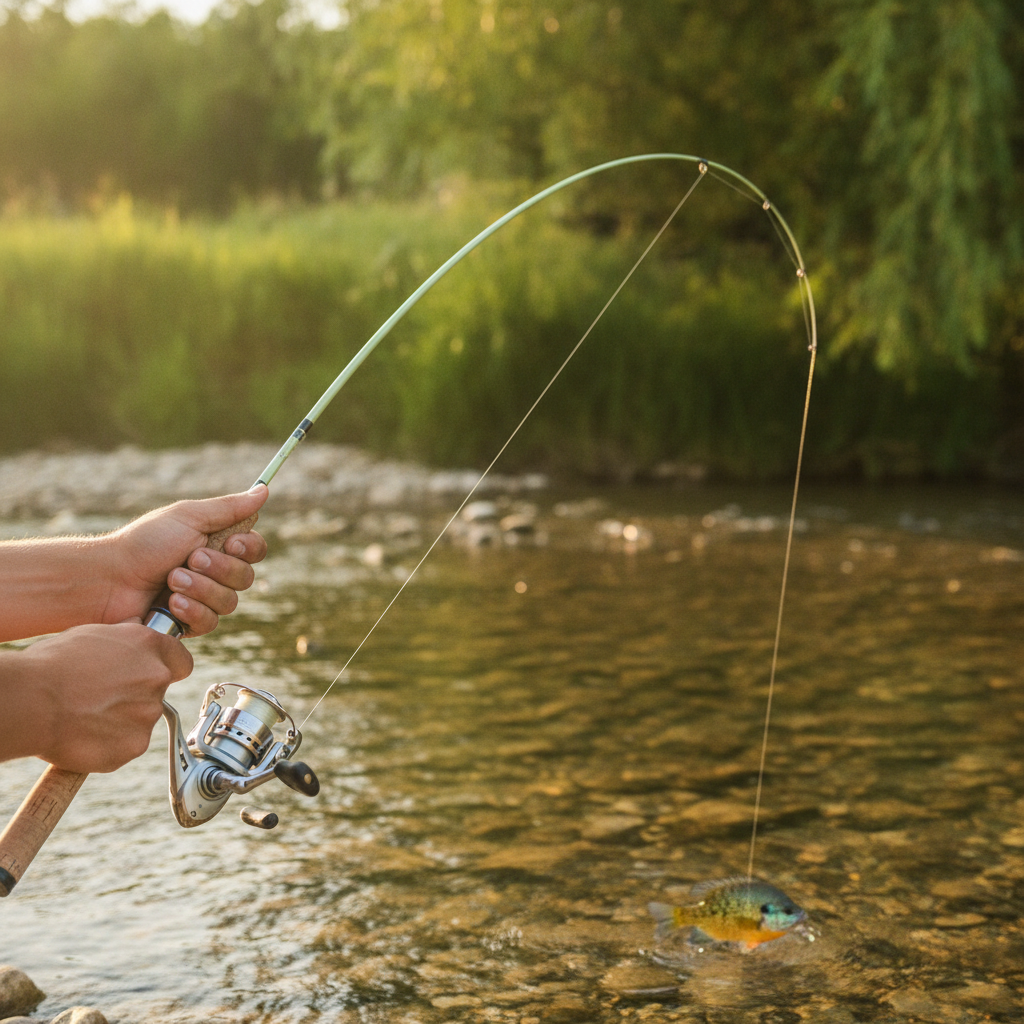
What you gain is not just distance. A bluegill on a rod rated for 4 lb line bends it to the cork, and a 12 inch stocked trout feels like a genuinely good fish. That is the honest appeal of the whole category. The seven picks below cover a rod, a reel, line and the small lures that actually fit them, ranked from published specs and Amazon buyer ratings read on August 21, 2026. Prices move, so check the current number before you buy.

The Ultralight Kit

What an Ultralight Setup Actually Needs

Ultralight is a matched system, and the pieces only work together. These are the parts that decide whether a 1/32 oz jig casts or collapses in a heap, marked by whether you can start without them.

A rod rated 2 to 6 lb line

Essential

The foundation, and the piece people most often skip because they already own a rod. Look for a lure rating that starts at 1/32 or 1/16 oz. That number, not the word on the label, is what decides whether a light lure can load the blank.

A 500 to 1000 size reel

Essential

Small spool, light frame, six or seven ounces. It balances the rod near your hand. A 2500 borrowed from a bass setup will retrieve line perfectly well and take away most of the sensitivity you paid for.

Four pound monofilament

Essential

Thin enough to cast a light lure, stretchy enough to protect a small hook. This is the cheapest part of the setup and the one that most changes how it fishes. Respool at the start of each season.

Small jigs and grubs

Essential

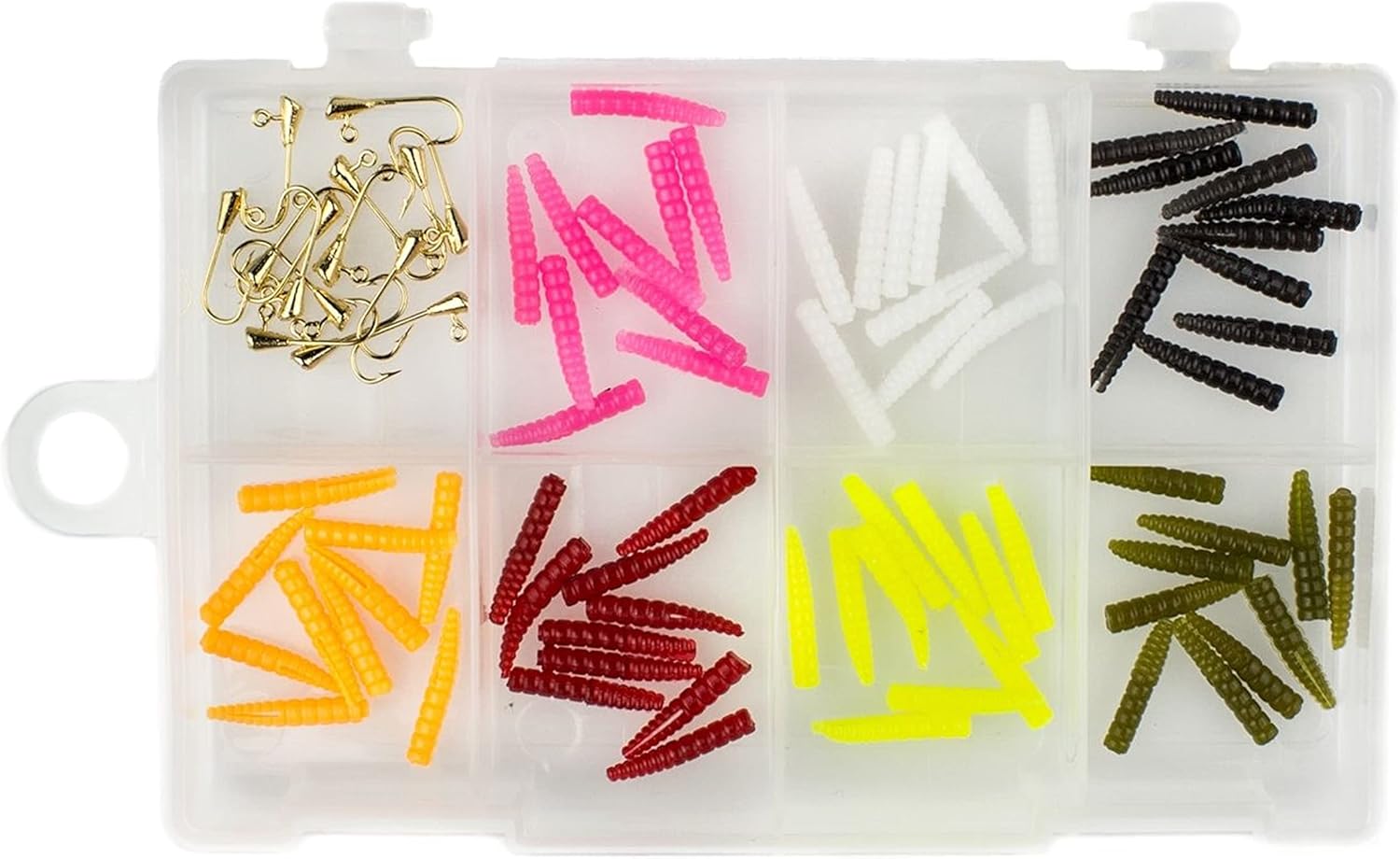
A 1/64 to 1/32 oz jig head with a one inch soft plastic covers panfish and stocked trout almost everywhere. Buy a kit rather than singles until you learn which colors your water wants.

A few inline spinners

Essential

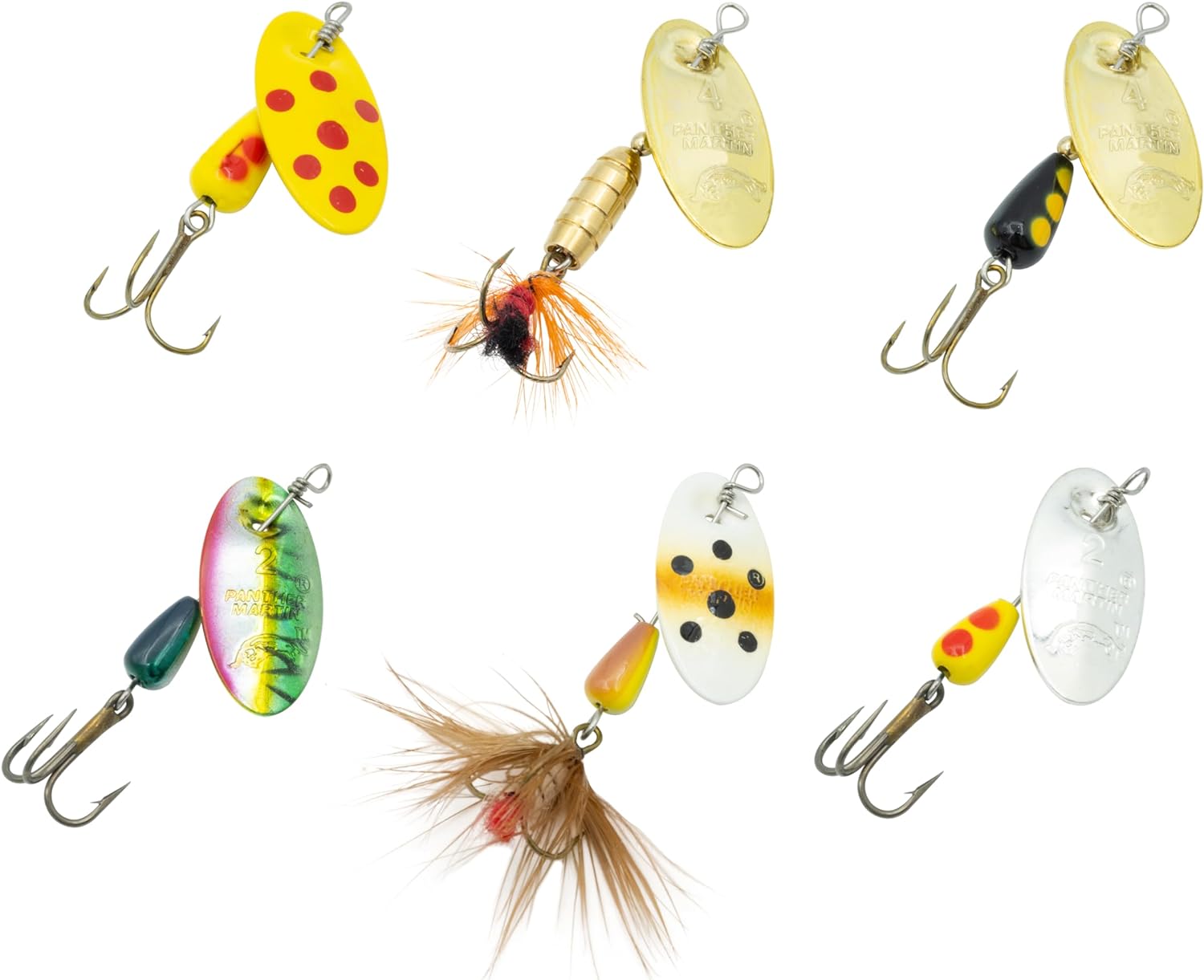
The lure for moving water and for covering a bank quickly. Sizes 0 through 2 are the ultralight range. A spinner searches; a jig picks apart the spot the spinner found.

Bare jig heads

Nice to Have

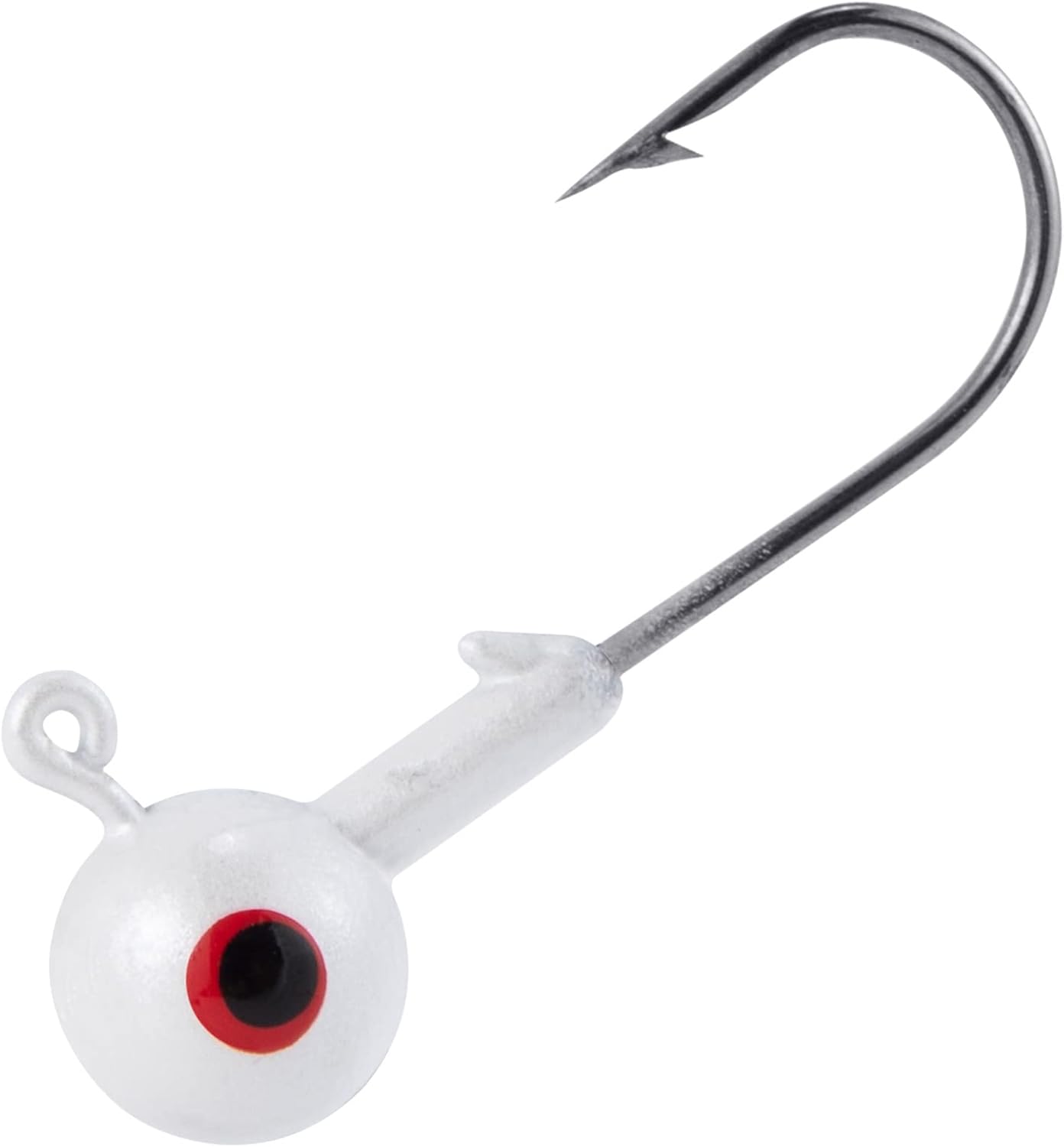
Once you know your water, buying heads and plastic bodies separately is far cheaper than kits and lets you match a color that is working. A 20 pack of 1/32 oz heads outlasts a season of panfish.

Small floats

Nice to Have

A tiny float suspends a jig at a set depth and adds enough casting weight to reach farther. It is the difference between a jig sinking past fish and hanging right in front of them.

Split shot and light wire hooks

Nice to Have

For fishing live bait rather than lures. A single small shot and a size 8 or 10 hook is the whole rig, and on a hard day it outfishes everything else in the box.

Four Ways to Fish Light

The Presentations an Ultralight Rod Was Built For

Four approaches cover nearly everything an ultralight setup catches. The first is where everyone starts; the others solve a problem the first one cannot.

A small jig under a float

1/64 to 1/32 ozBluegill, crappie and stocked trout

The default, and the reason ultralight is such a good way to learn. The float holds the jig at a fixed depth, adds casting weight, and shows you the bite as clearly as anything in fishing. Set the depth so the jig hangs just above whatever the fish are holding on, then leave it alone. Most people twitch it far too much.

Casting an inline spinner

Size 0 to 2Creeks, current and covering water

Cast across the current, let it swing down and in, and retrieve just fast enough to feel the blade turning. The blade is doing the work, so a slow steady wind beats anything clever. This is how you find out whether a stretch of creek holds fish in about ten minutes rather than an hour.

Drifting a bait on split shot

One small shotHard days and pressured fish

A worm or a single grub on a light wire hook with one split shot eighteen inches up, drifted with the current or twitched slowly along the bottom. It looks like nothing and it catches when lures stop working. The bite is often just a slight hesitation in the drift, which is exactly what a light rod tip is good at showing you.

Swimming a bare jig

1/32 oz, no floatWater deeper than a float can reach

Cast it, count it down to a depth, then swim it back with a slow steady retrieve and occasional pauses. The strike almost always comes on the pause. This is the presentation for fish sitting off a drop or holding deeper than the four or five feet a small float practically covers.

Quick Picks

Top Three at a Glance

Short on time? Start with these top-rated ultralight fishing gear picks.

Comparison Table

Every Pick, Side by Side

Best Overall Rod
Best For
A first true ultralight rod
Gear Type
Rod
Price
$$$
Amazon ASIN
B0BBYSCFSP
Best Budget Rod
Best For
Tight creeks and brushy banks
Gear Type
Rod
Price
$$$
Amazon ASIN
B08DDF63TH
Best Ultralight Reel
Best For
Balancing a light rod all day
Gear Type
Reel
Price
$$$
Amazon ASIN
B07L6GQF4P
Recommended #4
Best For
Casting light lures on a small spool
Gear Type
Line
Price
$$$
Amazon ASIN
B0091HDIIY
Recommended #5
Best For
Stocked trout and bluegill under a float
Gear Type
Lures
Price
$$$
Amazon ASIN
B0084G0D7C
Recommended #6
Best For
Covering a creek quickly
Gear Type
Lures
Price
$$$
Amazon ASIN
B006MCTMU4
Recommended #7
Best For
Rigging your own soft plastics
Gear Type
Jig Heads
Price
$$$
Amazon ASIN
B0C6JS5CFG
The Lineup

7 Best Ultralight Fishing Gear, Compared

Detailed picks with verdicts, strengths, tradeoffs, and the situations where each one makes the most sense.

Best Overall Rod
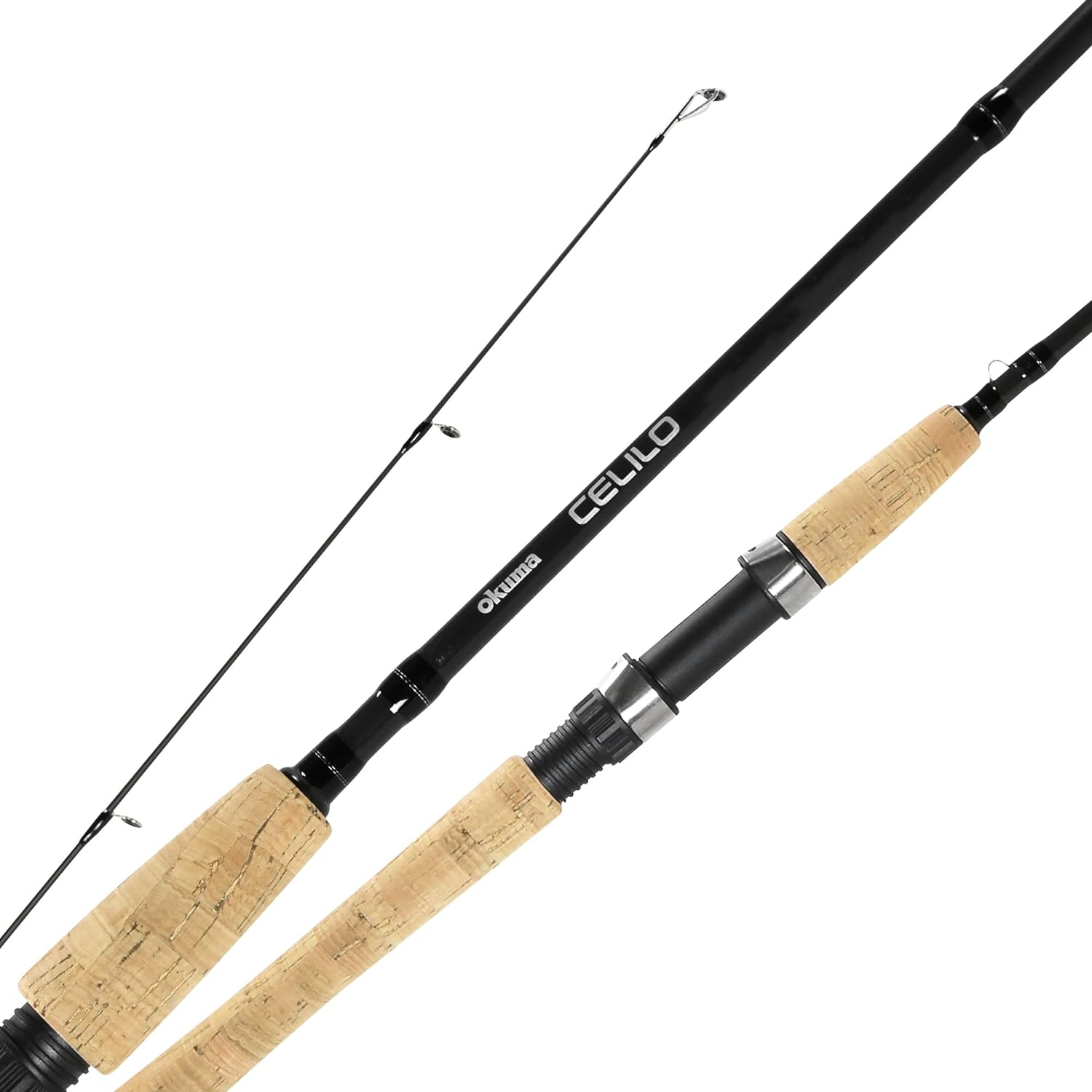
Okuma Celilo Graphite Spinning Rod (6'6", Ultralight, 2-Piece)
4.3 (573 Amazon ratings)

Okuma Celilo Graphite Spinning Rod (6'6", Ultralight, 2-Piece)

Quick verdict: Okuma Celilo Graphite Spinning Rod (6'6", Ultralight, 2-Piece) ranks in the top 1 by combining 4.3-star Amazon buyer ratings (573 ratings) with a clear practical role: a first true ultralight rod.

Why It Stands Out

  • Rated 4.3 stars from 573 Amazon buyer ratings
  • Clear match for a first true ultralight rod
  • Strong value for its price range
  • Direct Amazon link for current price and availability

Pros

  • Good fit for a first true ultralight rod
  • 4.3-star Amazon buyer rating
  • Budget-friendly pick

Cons

  • May not cover every specialty technique
  • Advanced anglers may want a more specialized option

Best Situations

A first true ultralight rodBeginnerValue BuyersQuick Buy
Difficulty
Beginner
Price Range
$$$
Best Budget Rod
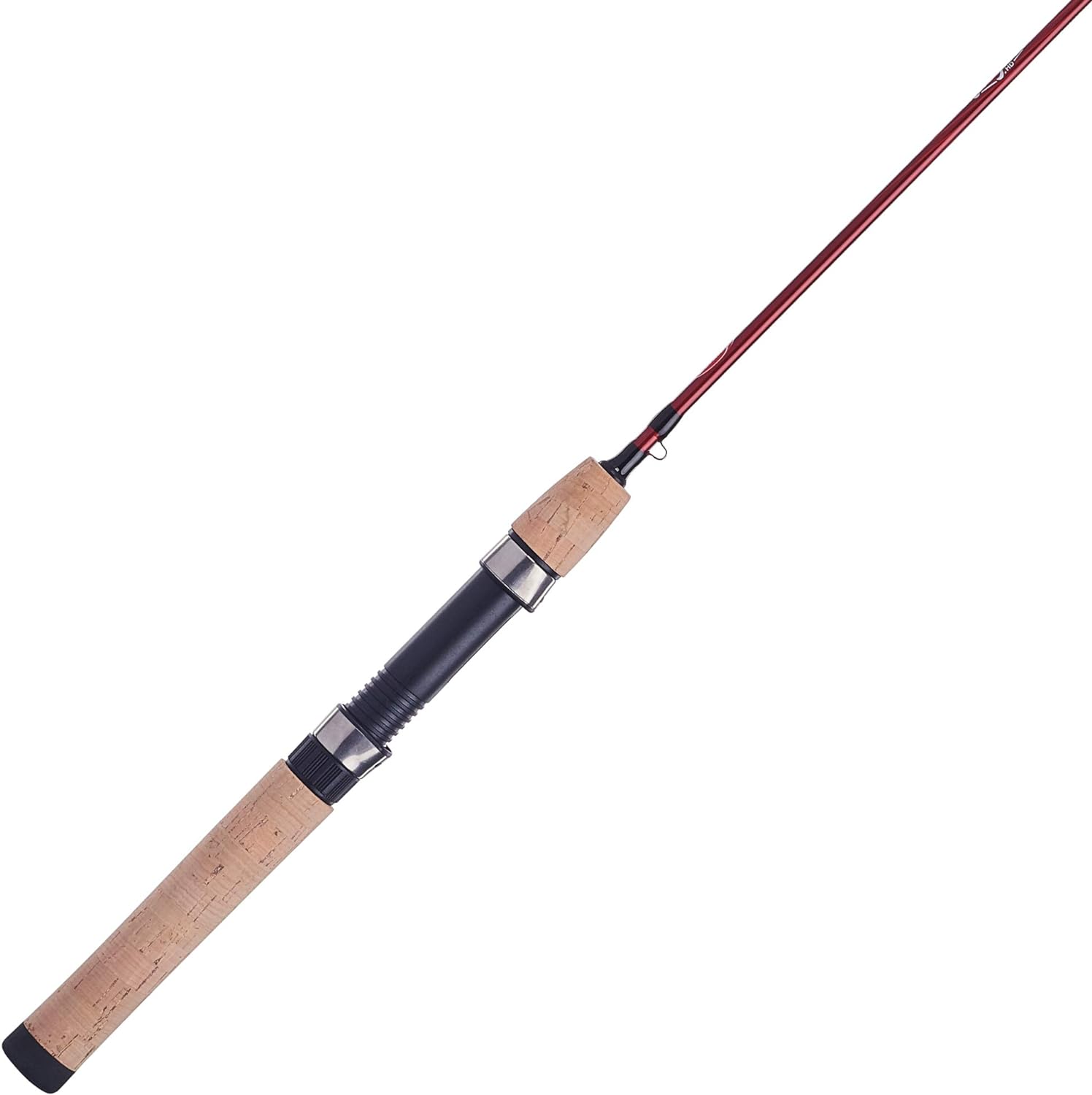
Berkley Cherrywood HD Spinning Rod (5'6", Light Power)
4.3 (257 Amazon ratings)

Berkley Cherrywood HD Spinning Rod (5'6", Light Power)

Quick verdict: Berkley Cherrywood HD Spinning Rod (5'6", Light Power) ranks in the top 2 by combining 4.3-star Amazon buyer ratings (257 ratings) with a clear practical role: tight creeks and brushy banks.

Why It Stands Out

  • Rated 4.3 stars from 257 Amazon buyer ratings
  • Clear match for tight creeks and brushy banks
  • Strong value for its price range
  • Direct Amazon link for current price and availability

Pros

  • Good fit for tight creeks and brushy banks
  • 4.3-star Amazon buyer rating
  • Budget-friendly pick

Cons

  • May not cover every specialty technique
  • Advanced anglers may want a more specialized option

Best Situations

Tight creeks and brushy banksBeginnerValue BuyersQuick Buy
Difficulty
Beginner
Price Range
$$$
Best Ultralight Reel
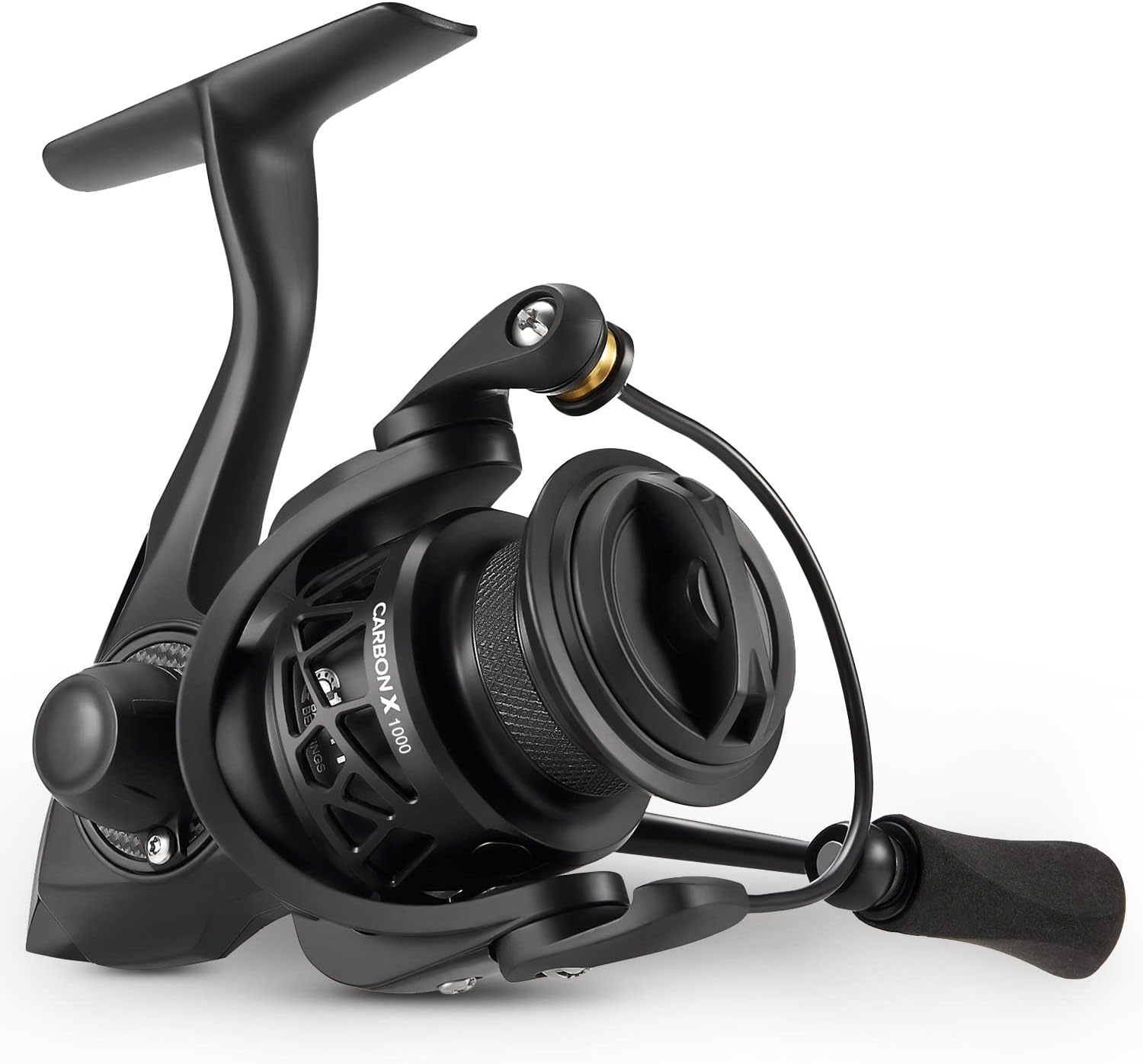
Piscifun Carbon X Ultralight Spinning Reel (1000 Size)
4.5 (2,330 Amazon ratings)

Piscifun Carbon X Ultralight Spinning Reel (1000 Size)

Quick verdict: Piscifun Carbon X Ultralight Spinning Reel (1000 Size) ranks in the top 3 by combining 4.5-star Amazon buyer ratings (2,330 ratings) with a clear practical role: balancing a light rod all day.

Why It Stands Out

  • Rated 4.5 stars from 2,330 Amazon buyer ratings
  • Clear match for balancing a light rod all day
  • Balanced price-to-performance for its price range
  • Direct Amazon link for current price and availability

Pros

  • Good fit for balancing a light rod all day
  • 4.5-star Amazon buyer rating
  • Performance-focused pick

Cons

  • May not cover every specialty technique
  • Advanced anglers may want a more specialized option

Best Situations

Balancing a light rod all dayBeginnerFrequent AnglersQuick Buy
Difficulty
Beginner
Price Range
$$$
Recommended #4
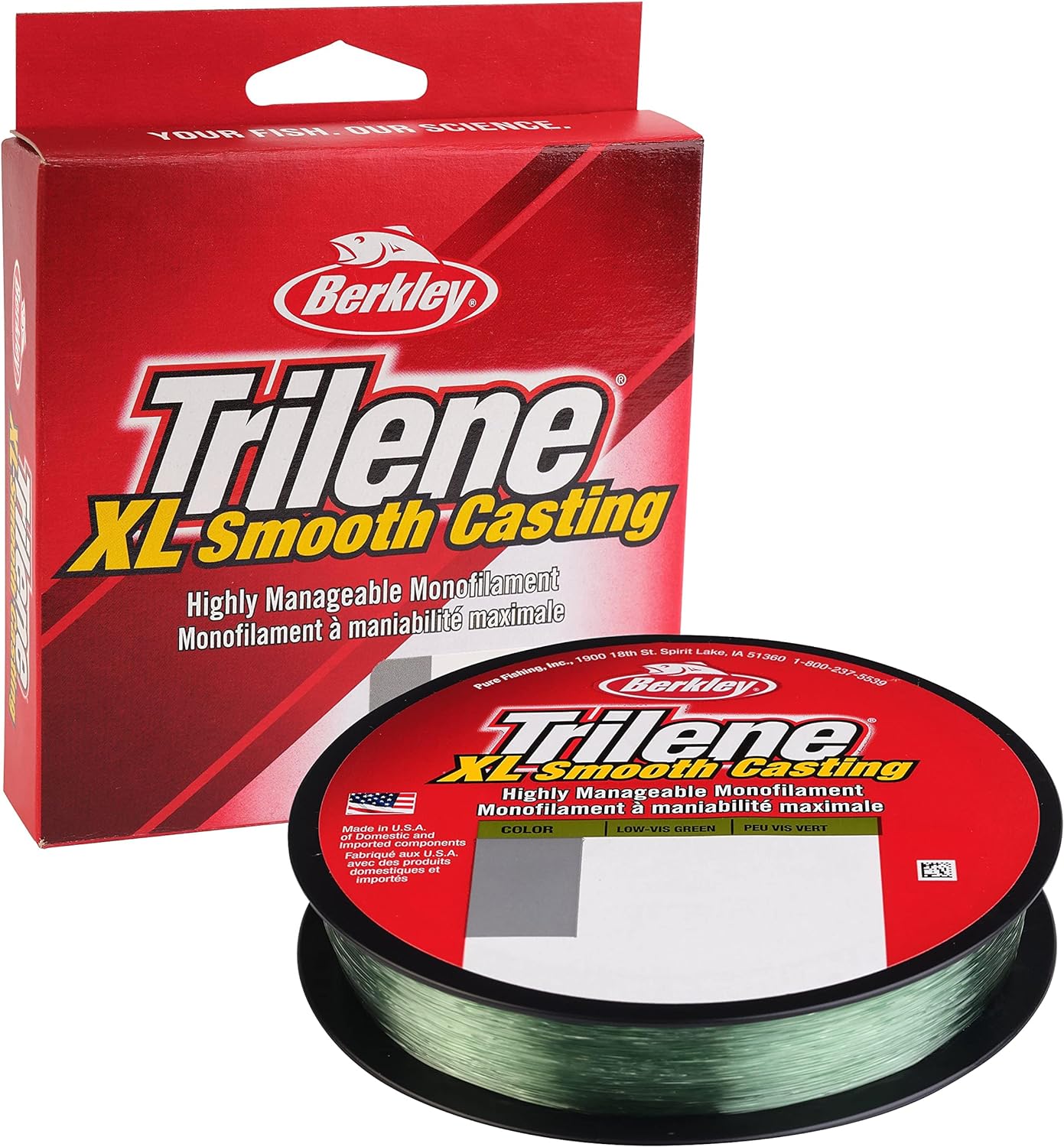
Berkley Trilene XL Monofilament Line (4 lb, 330 yd, Low-Vis Green)
4.6 (1,535 Amazon ratings)

Berkley Trilene XL Monofilament Line (4 lb, 330 yd, Low-Vis Green)

Quick verdict: Berkley Trilene XL Monofilament Line (4 lb, 330 yd, Low-Vis Green) ranks in the top 4 by combining 4.6-star Amazon buyer ratings (1,535 ratings) with a clear practical role: casting light lures on a small spool.

Why It Stands Out

  • Rated 4.6 stars from 1,535 Amazon buyer ratings
  • Clear match for casting light lures on a small spool
  • Strong value for its price range
  • Direct Amazon link for current price and availability

Pros

  • Good fit for casting light lures on a small spool
  • 4.6-star Amazon buyer rating
  • Budget-friendly pick

Cons

  • May not cover every specialty technique
  • Advanced anglers may want a more specialized option

Best Situations

Casting light lures on a small spoolBeginnerValue BuyersQuick Buy
Difficulty
Beginner
Price Range
$$$
Recommended #5
Leland's Lures Trout Magnet 85-Piece Mini Magnet Kit
4.6 (931 Amazon ratings)

Leland's Lures Trout Magnet 85-Piece Mini Magnet Kit

Quick verdict: Leland's Lures Trout Magnet 85-Piece Mini Magnet Kit ranks in the top 5 by combining 4.6-star Amazon buyer ratings (931 ratings) with a clear practical role: stocked trout and bluegill under a float.

Why It Stands Out

  • Rated 4.6 stars from 931 Amazon buyer ratings
  • Clear match for stocked trout and bluegill under a float
  • Strong value for its price range
  • Direct Amazon link for current price and availability

Pros

  • Good fit for stocked trout and bluegill under a float
  • 4.6-star Amazon buyer rating
  • Budget-friendly pick

Cons

  • May not cover every specialty technique
  • Advanced anglers may want a more specialized option

Best Situations

Stocked trout and bluegill under a floatBeginnerValue BuyersQuick Buy
Difficulty
Beginner
Price Range
$$$
Recommended #6
Panther Martin Pro Guide Anywhere Inline Spinner Kit (6-Pack)
4.7 (1,224 Amazon ratings)

Panther Martin Pro Guide Anywhere Inline Spinner Kit (6-Pack)

Quick verdict: Panther Martin Pro Guide Anywhere Inline Spinner Kit (6-Pack) ranks in the top 6 by combining 4.7-star Amazon buyer ratings (1,224 ratings) with a clear practical role: covering a creek quickly.

Why It Stands Out

  • Rated 4.7 stars from 1,224 Amazon buyer ratings
  • Clear match for covering a creek quickly
  • Strong value for its price range
  • Direct Amazon link for current price and availability

Pros

  • Good fit for covering a creek quickly
  • 4.7-star Amazon buyer rating
  • Budget-friendly pick

Cons

  • May not cover every specialty technique
  • Advanced anglers may want a more specialized option

Best Situations

Covering a creek quicklyBeginnerValue BuyersQuick Buy
Difficulty
Beginner
Price Range
$$$
Recommended #7
Dr.Fish Round Ball Jig Heads (1/32 oz, 20-Pack, White)
4.7 (257 Amazon ratings)

Dr.Fish Round Ball Jig Heads (1/32 oz, 20-Pack, White)

Quick verdict: Dr.Fish Round Ball Jig Heads (1/32 oz, 20-Pack, White) ranks in the top 7 by combining 4.7-star Amazon buyer ratings (257 ratings) with a clear practical role: rigging your own soft plastics.

Why It Stands Out

  • Rated 4.7 stars from 257 Amazon buyer ratings
  • Clear match for rigging your own soft plastics
  • Strong value for its price range
  • Direct Amazon link for current price and availability

Pros

  • Good fit for rigging your own soft plastics
  • 4.7-star Amazon buyer rating
  • Budget-friendly pick

Cons

  • May not cover every specialty technique
  • Advanced anglers may want a more specialized option

Best Situations

Rigging your own soft plasticsBeginnerValue BuyersQuick Buy
Difficulty
Beginner
Price Range
$$$
Buying Guide

What to Check Before You Buy

Read the lure rating, not the name

The number printed above the handle is the one that matters. An ultralight blank is rated around 1/32 to 1/8 oz, and a rod sold as light usually starts at 1/16. Anything rated 1/4 oz and up will not load on a small jig no matter what the listing calls it.

Reel size 500 to 1000

A 1000 holds enough 4 lb mono for any pond or creek and weighs around 6 or 7 ounces, so it balances a light rod instead of hanging off it. A 2500 is a fine all-around reel and the wrong tool here, because the wider spool and extra weight kill the feel you bought the rod for.

Four pound monofilament

Thin line is what lets a light lure cast and drift naturally. Mono also stretches, which matters because ultralight rods pair with small, thin-wire hooks that pull free when a fish surges against no-stretch braid. Save the braid for a heavier setup.

Length follows the water

A 5 to 5 and a half foot rod is easier to swing under branches on a small creek. A 6 and a half to 7 foot rod casts farther and picks up more line on a hookset, which is what you want on an open pond bank. Both exist in ultralight, so pick by where you actually fish.

If you fish small creeks
5'6"

Short rods clear brush and let you flick a jig under an overhang sidearm. You give up casting distance you were never going to use on water twenty feet across, and you stop hanging your tip in the willows on every backcast.

If you fish pond and lake banks
6'6" to 7'

Length buys distance, and distance matters when the fish are holding off a shallow flat you cannot wade to. A longer ultralight also keeps more line off the water, so a light jig drifts the way you meant it to.

If you want one rod for everything light
Light power

A light power rod rated 2 to 6 lb handles panfish and stocked trout like an ultralight but has enough backbone left for a surprise bass. It is the half step that keeps one rod useful when you do not know what will bite.

Your First Day on Light Gear

How a First Ultralight Trip Actually Goes

The gear is easy and the habits take an afternoon to unlearn, mostly because everything you know about hooksets came from heavier tackle. This is the shape of a first session.

  1. 1

    Spool fresh 4 lb mono and fill the spool properly

    Wind it to about an eighth of an inch below the spool lip. Underfilling a small spool is the single most common cause of short casts, and people assume the rod is at fault. Let the line run through a damp cloth as you spool it so it lies flat.

  2. 2

    Set the drag before you leave the car

    Bend the rod and pull line straight through the guides with your hand. You want it giving line under steady pressure, roughly a pound on 4 lb mono. Almost every break-off on a first trip traces back to a drag still set for a bass reel.

  3. 3

    Start with a jig under a small float

    Set it two to three feet deep near any structure you can see, a dock, a weed edge, a fallen branch. Bluegill are almost always the first thing to find it, and catching a few teaches you what the rod does under load before anything bigger shows up.

  4. 4

    Lift on the bite, do not swing

    This is the habit that matters. Four pound line and a thin wire hook need a firm lift of the rod tip, not a sweep from the hip. The hook is small and sharp and it takes almost nothing to set. A hard swing either snaps the line or tears the hook out.

  5. 5

    Let a good fish run

    When something larger takes it, stop reeling and let the drag work. Keep the rod up at about a forty five degree angle and let the blank absorb the head shakes. The rod is doing far more of the fighting than it would on heavier gear, which is what makes an average fish feel like an event.

  6. 6

    Change depth before you change lures

    If the float is not going under, move it a foot up or down before you retie anything. Depth accounts for more refused bites than color ever does, and it costs you ten seconds to test instead of five minutes.

Plain English

Ultralight Terms Worth Knowing

Ultralight
The lightest common rod power class, rated roughly for 2 to 6 lb line and 1/32 to 1/8 oz lures.
Power
How much force it takes to bend the rod. Ultralight and light bend under a jig; medium needs a quarter ounce.
Action
Where along the blank the rod bends. Fast bends near the tip, moderate bends deeper into the middle.
Lure rating
The weight range printed above the handle that the blank is built to cast. The number that decides ultralight.
Line rating
The pound test range the rod is designed around. Two to six pounds is the ultralight band.
Reel size
The 1000, 2500, 3000 number on a spinning reel. Ultralight wants a 500 or 1000.
Monofilament
Single strand nylon line. It stretches, which protects the small thin wire hooks ultralight fishing uses.
Jig head
A hook with a moulded weight at the eye. A soft plastic body slides onto the shank.
Inline spinner
A blade spinning around a straight wire body. The searching lure for creeks and moving water.
Drag
The clutch that lets a fish pull line rather than break it. Set it around a quarter of your line strength.
Panfish
Bluegill, crappie, perch and other sunfish. The everyday quarry of an ultralight setup.
All 212 fishing terms, A to Z
Avoid These

Mistakes That Make Ultralight Feel Broken

  • Putting a 2500 reel on an ultralight rod because it was already in the garage. It retrieves line fine and removes most of the sensitivity the rod was built for.
  • Spooling 8 or 10 lb line out of habit. Heavy line on a small spool coils, fights the guides and kills the drift of a light lure, and it is usually the real reason a new setup casts badly.
  • Underfilling the spool. Wind to about an eighth of an inch below the lip. A half full spool costs you a third of your casting distance and gets blamed on the rod.
  • Setting the hook like you are fishing for bass. A firm lift is all a small sharp hook needs. A full swing on 4 lb line breaks it or tears the hook free.
  • Leaving the drag where the last setup had it. On 4 lb mono you want roughly a pound of pressure, and this is the cause of nearly every first day break-off.
  • Buying a rod because the listing says ultralight without reading the lure rating. A blank rated 1/4 oz and up will not load on a 1/32 oz jig whatever the title claims.
  • Fishing heavy cover with it. Ultralight has no business pulling fish out of lily pads or brush, and that is a limit of the tackle rather than a technique to work on.
Explore Individual Gear

Once you know which kit type fits your situation, dig into each gear category for in-depth picks and buying advice:

Full Catalog

Compare All 7 Ultralight Fishing Gear

Want to browse beyond the ranked picks? Filter and sort the full ultralight fishing gear listing below.

Best Ultralight Fishing Gear of 2026 — All Products

7 Products
FAQ

Frequently Asked Questions

A 1000, or a 500 if you can find one. That size holds well over a hundred yards of 4 lb monofilament, which is more than you will ever cast on a pond or a creek, and it weighs around six or seven ounces so the setup balances near your hand instead of nosing down. The common mistake is putting a 2500 on an ultralight rod because it was the reel already in the garage. It works in the sense that it will retrieve line, but the wider spool and the extra weight take away the sensitivity that is the entire reason to fish ultralight.

How We Choose Products

How These Picks Are Chosen

Reader-supported and free of paid placements. Every pick is ranked on published specs and Amazon buyer ratings, not on who pays us.

Spec Research

Each pick is compared on published specs, materials, design, and category fit across the major brands.

Practical Fit

Rankings factor in how well each product matches common freshwater fishing needs, not just popularity.

Amazon Buyer Ratings

Star ratings and review volume from verified Amazon buyers are factored in to reflect real-world satisfaction.

Value

A pick earns its spot by delivering useful performance for the money, whether budget or premium.

Fishing a
stocked stream?

Nothing on this page floats a bait at a set depth, and that is how most stocked trout get caught. The trout guide covers slip floats, light-wire hooks and split shot, which is the rig an ultralight rod was built to cast.

See the trout gear
See Top Picks