
Best Overall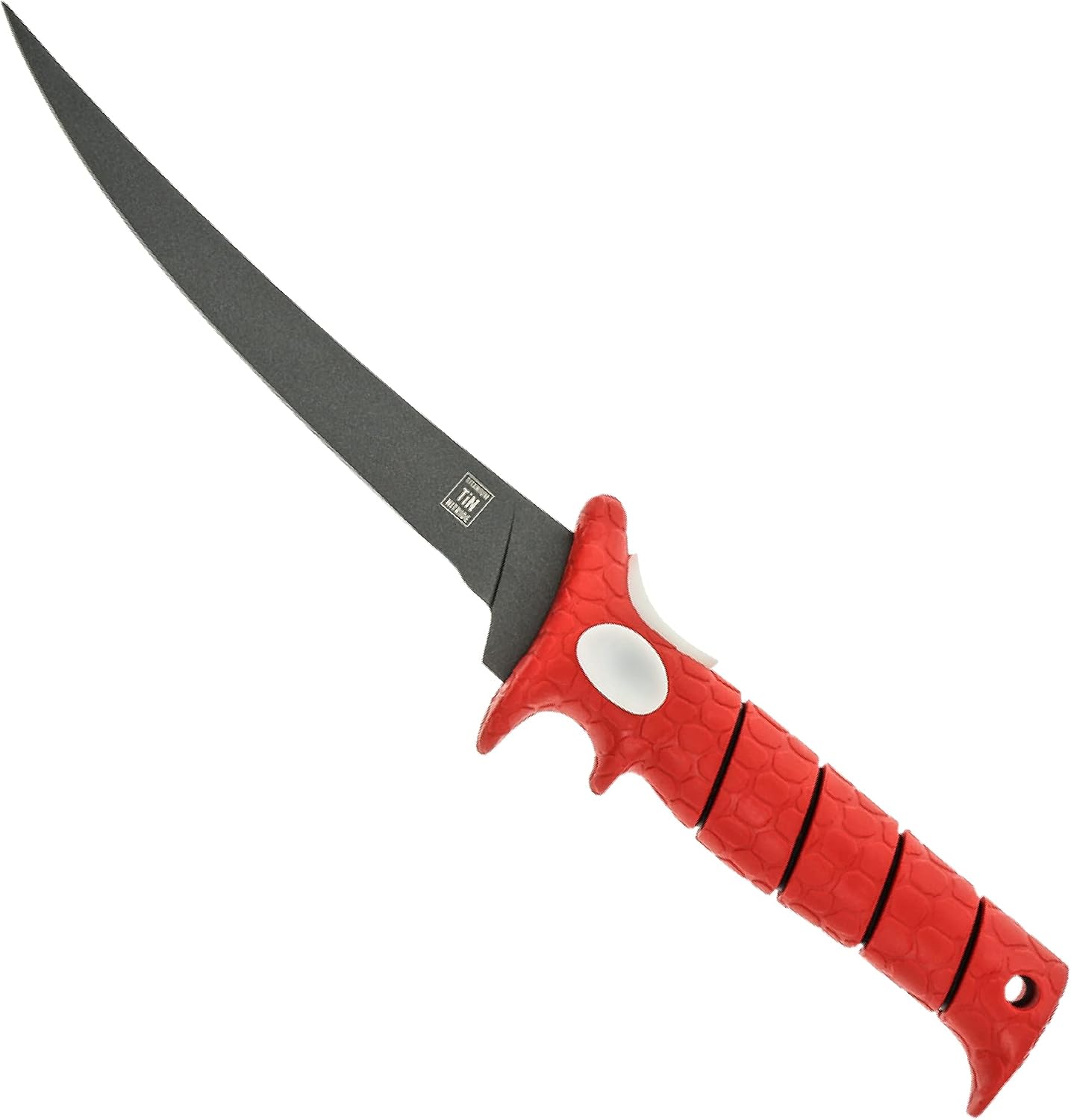
4.8
BUBBA 9-Inch Tapered Flex Fillet Knife
ASIN B011JHFIC2BUBBA 9-Inch Tapered Flex Fillet Knife is the #1 pick here, on 4.8-star Amazon buyer ratings (1,760 of them) and one clear job: big fillets & precision flex.
Check Price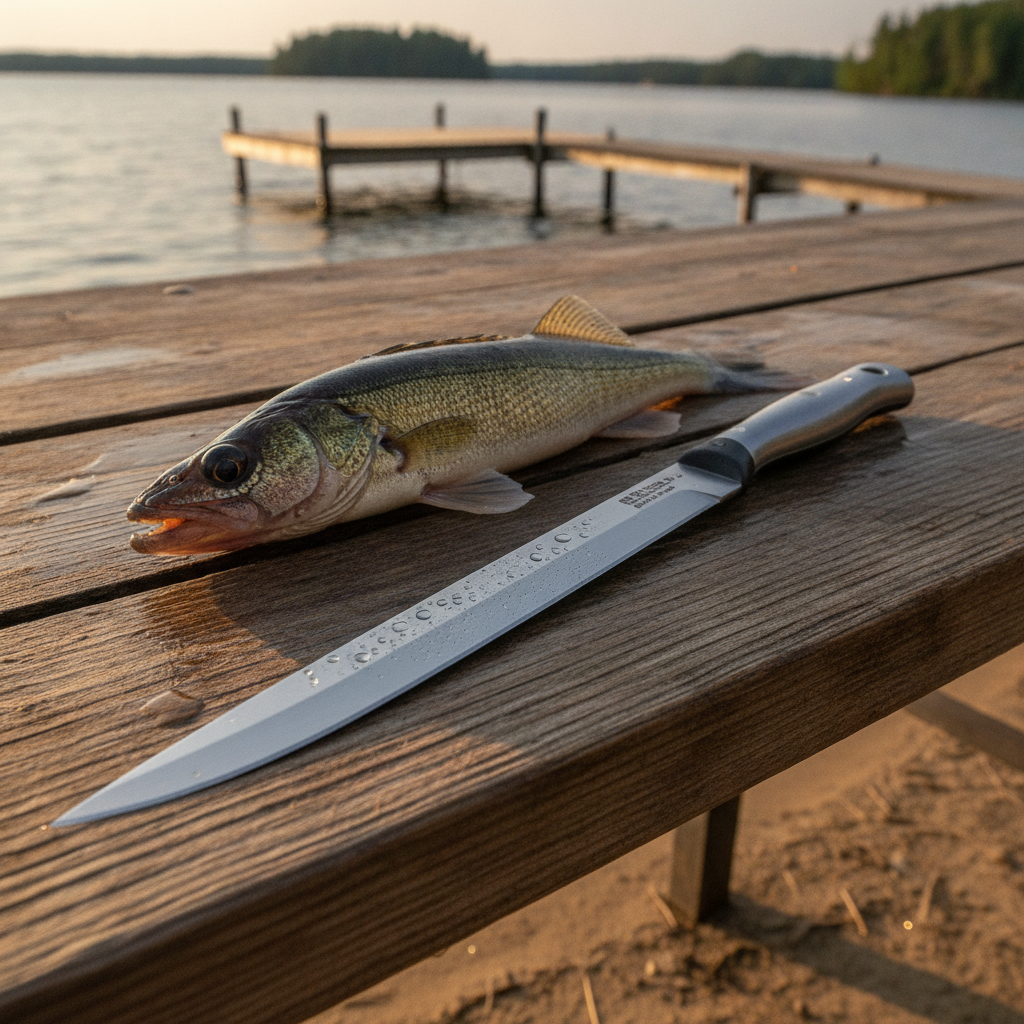
A thin, flexible blade that follows the bones and holds an edge through a full cooler. Manual and electric picks for cleaning your catch.
A fillet knife is the tool that turns a good day on the water into dinner. The difference between a clean, boneless fillet and a hacked-up mess of wasted meat usually comes down to the blade, not the angler. A thin, flexible blade rides the backbone and the ribs, following the contours of the fish so you leave the frame bare and the fillet whole. A stiff kitchen knife fights you the whole way, and a dull one turns filleting into sawing.
Start with blade length and flex, matched to what you catch. A 6-inch blade is the freshwater all-rounder for panfish, crappie, trout, and eating-size walleye and bass. A longer 7-to-9-inch blade with more flex handles bigger fish and lets you take a whole side in one pass, while a shorter, stiffer blade gives you control on small, delicate fish. Then decide manual or electric. A manual knife gives you feel and precision and never needs charging; an electric knife rips through a full limit of panfish or a cooler of walleye in a fraction of the time and effort, which is why guides and anyone cleaning big numbers swear by them.
After that, the details that decide whether you keep reaching for it: an edge that holds up through a session, a full tang and a grippy handle that stays safe when your hands are wet and slimy, and rust resistance so it survives being tossed damp into a tackle bag. The picks below run from a budget-friendly classic that has been cleaning fish for generations to a cordless electric workhorse, ranked with the highest buyer ratings and best fishing fit up top.
Fillet-knife listings brag about the sharpest blade and the most stainless steel. Only a few features change whether the knife is genuinely good on the cleaning table. Here's what to check before you buy, from must-haves to nice extras.
The single most important feature. Flex lets the blade follow the backbone and ribs, so you take a clean fillet with little wasted meat. A stiff, thick blade fights the curves of the fish.
Six inches suits most freshwater; 7–9 inches takes a whole side off bigger walleye and catfish in one pass; a short blade controls small panfish. Match the length to what you actually keep.
High-carbon stainless holds an edge through a session and shrugs off the damp, slimy life of a fishing knife. Coated blades add corrosion resistance and help meat release. Skip anything that rusts if you look at it.
Wet, slimy hands slip. A grippy handle and a full tang keep the blade controlled and safe. A little finger guard is cheap insurance against sliding onto the edge.
Protects the edge and your fingers between the water and the table, and keeps a loose blade from slicing up your tackle bag. Most good knives include one.
Some knives build a sharpener into the sheath or include a pull-through. Handy for a quick touch-up on the water, though a dedicated steel or stone does a better job at home.
If you go electric, favor a strong motor and, for cordless models, a battery that outlasts a big cleaning session. A carry case and a second blade or battery are worth having for volume days.
"Fillet knife" covers a few distinct tools. Match the type to what you catch and how many fish you clean, and a sharp, flexible blade will do more for you than the brand printed on the handle.
A 6-inch flexible stainless blade with a sheath, often with a built-in sharpener. The default fillet knife for panfish, trout, walleye, and bass, and the best first buy for most anglers.
A longer 7-to-9-inch flex blade with a coated, non-stick finish and a high-grip handle. Takes a whole side off larger walleye or catfish in one pass and holds an edge longer.
Plugs into wall power for unlimited runtime and steady torque. Ideal at the cabin or cleaning station where an outlet is handy and you're processing a lot of fish at once.
A rechargeable, high-torque knife you can use at the dock, in the boat, or by the truck. The fastest way to clean a limit of panfish or a cooler of walleye with minimal hand fatigue.
Short on time? Start with these top-rated fillet knives picks.
BUBBA 9-Inch Tapered Flex Fillet Knife is the #1 pick here, on 4.8-star Amazon buyer ratings (1,760 of them) and one clear job: big fillets & precision flex.
Check Price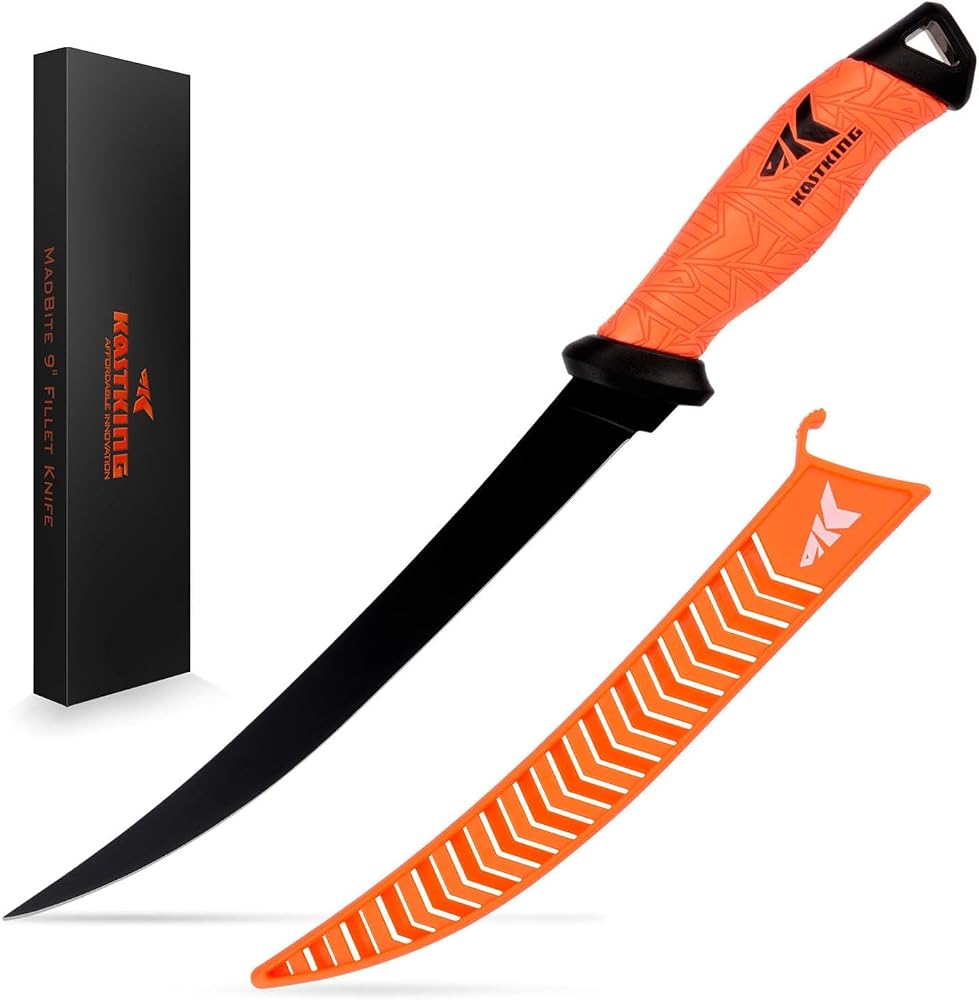
KastKing Speed Demon Pro Fillet Knife is the #2 pick here, on 4.7-star Amazon buyer ratings (3,723 of them) and one clear job: best-value everyday knife.
Check Price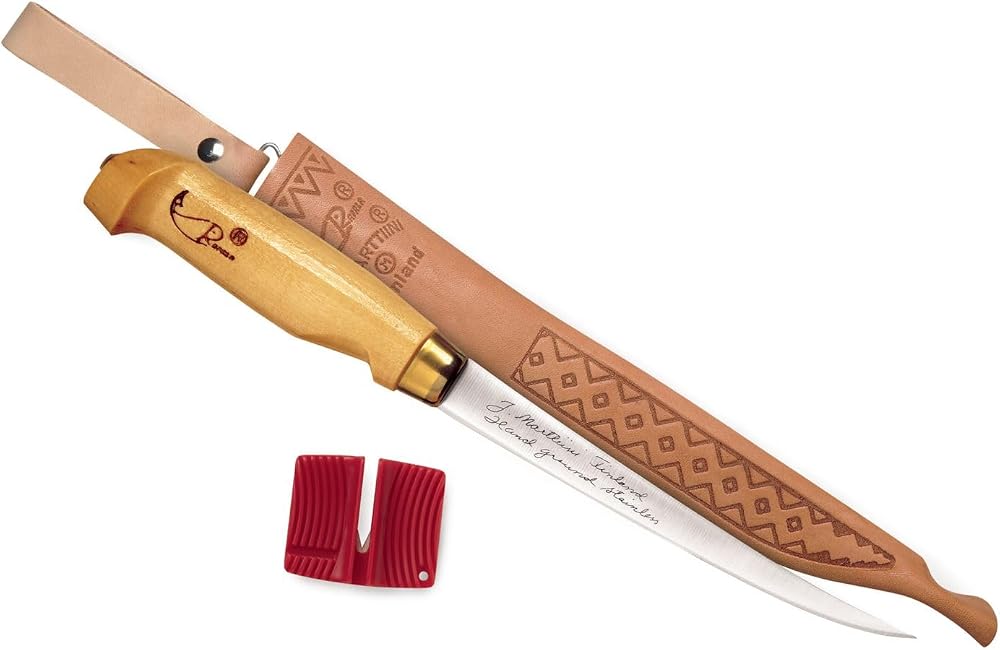
Rapala 6-Inch Fish'n Fillet Knife is the #3 pick here, on 4.7-star Amazon buyer ratings (2,350 of them) and one clear job: classic all-purpose blade.
Check PriceDetailed picks with verdicts, strengths, tradeoffs, and the situations where each one makes the most sense.
Quick verdict: BUBBA 9-Inch Tapered Flex Fillet Knife is the #1 pick here, on 4.8-star Amazon buyer ratings (1,760 of them) and one clear job: big fillets & precision flex.
Quick verdict: KastKing Speed Demon Pro Fillet Knife is the #2 pick here, on 4.7-star Amazon buyer ratings (3,723 of them) and one clear job: best-value everyday knife.
Quick verdict: Rapala 6-Inch Fish'n Fillet Knife is the #3 pick here, on 4.7-star Amazon buyer ratings (2,350 of them) and one clear job: classic all-purpose blade.
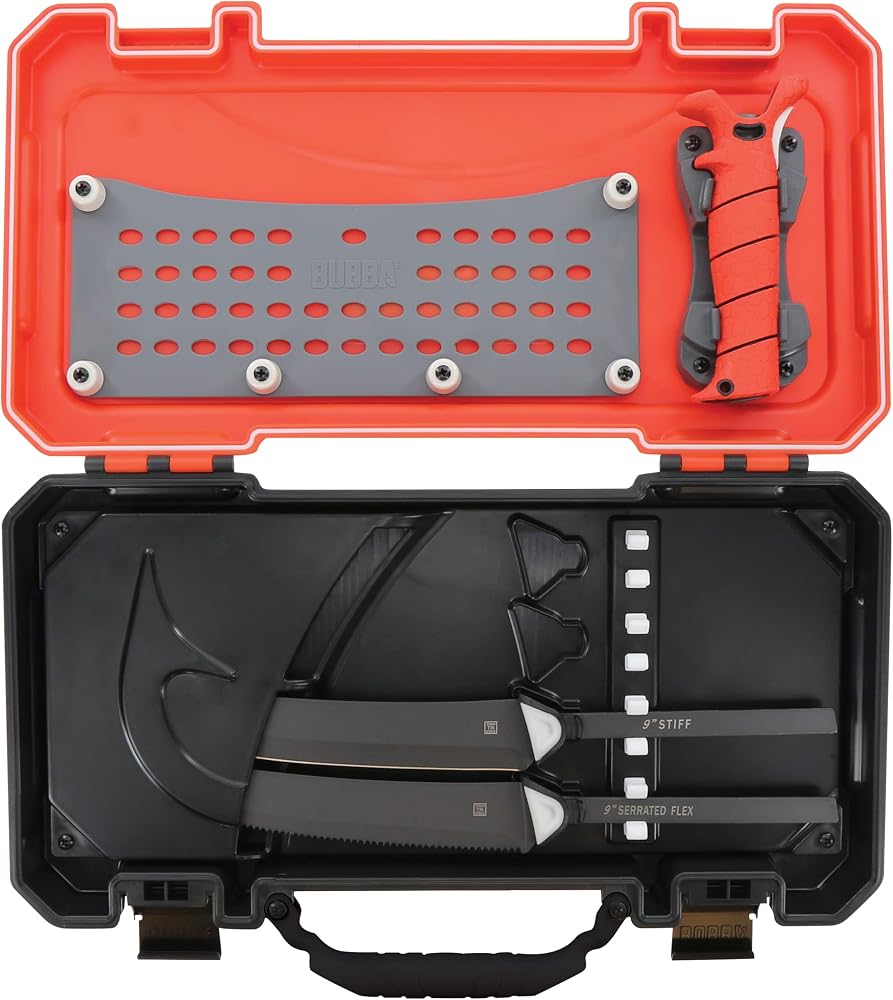
Quick verdict: BUBBA Multi-Flex Interchangeable Blade Kit is the #4 pick here, on 4.8-star Amazon buyer ratings (2,060 of them) and one clear job: swappable blades for any fish.
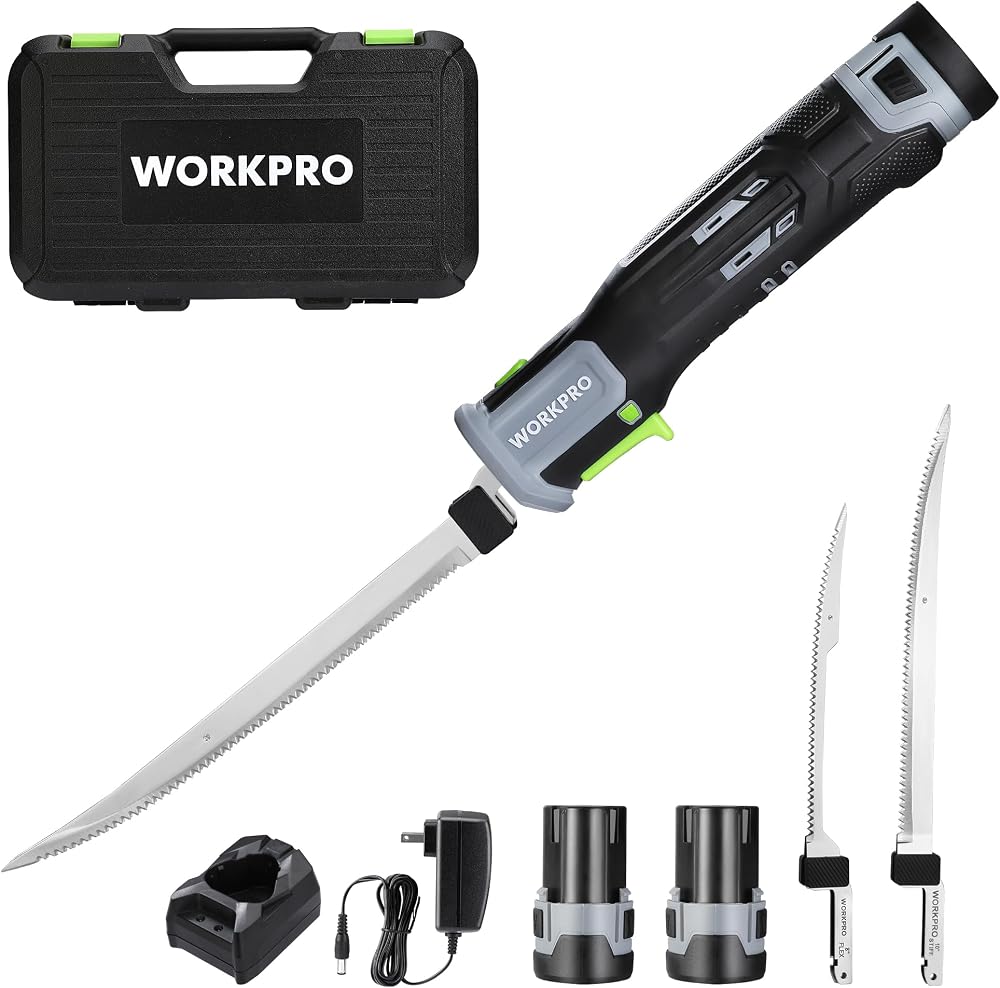
Quick verdict: WORKPRO 12V Cordless Electric Fillet Knife is the #5 pick here, on 4.7-star Amazon buyer ratings (832 of them) and one clear job: high-volume electric value.
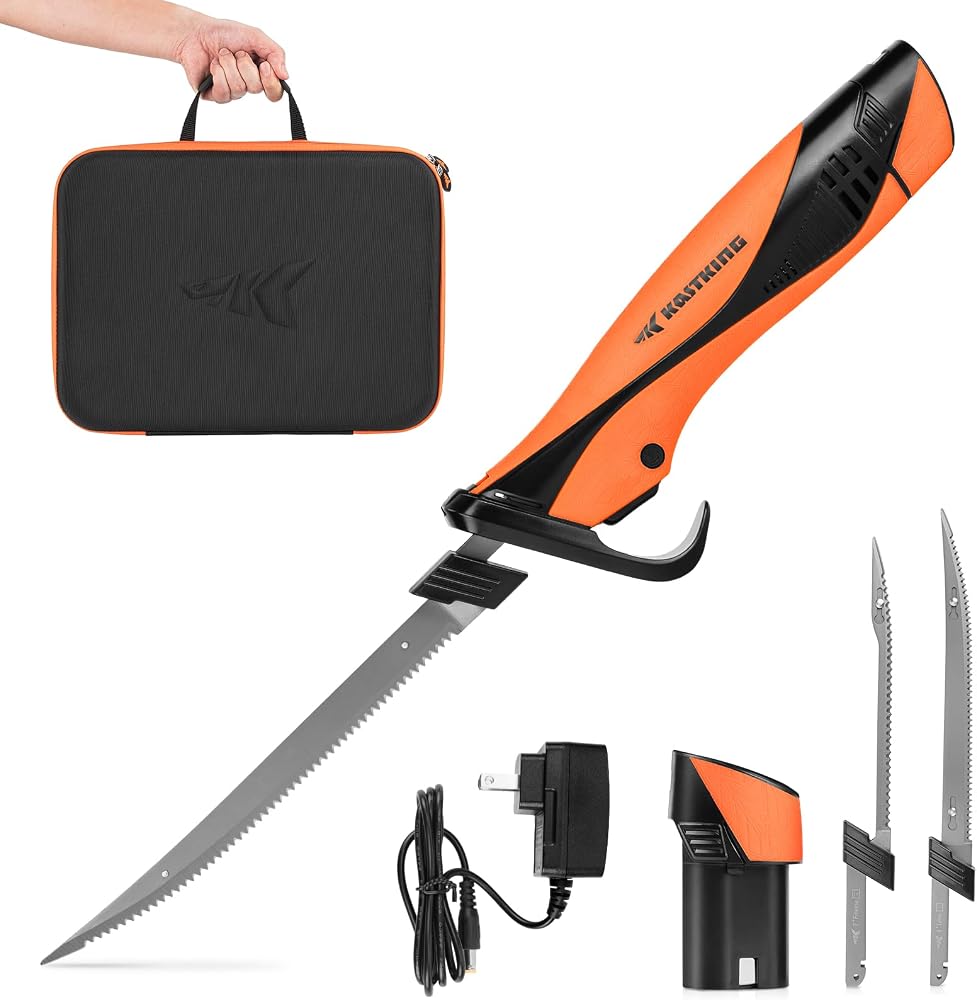
Quick verdict: KastKing Speed Demon Pro Lithium-ion Electric Fillet Knife is the #6 pick here, on 4.4-star Amazon buyer ratings (539 of them) and one clear job: budget cordless electric.

Quick verdict: Rapala R12 Heavy-Duty Lithium Fillet Knife Combo is the #7 pick here, on 4.3-star Amazon buyer ratings (533 of them) and one clear job: fast cordless for big hauls.
A flexible blade follows the bones for a clean fillet; a stiffer one gives control on small fish. Six inches covers most freshwater; step up to 7–9 inches with more flex for bigger walleye, catfish, and bass.
A manual knife wins on feel, precision, and needing no battery. An electric cuts a full limit of panfish or a cooler of walleye in a fraction of the time and effort, the reason high-volume cleaners never go back.
You want an edge that stays sharp through a session and steel that resists rust when the knife lives damp in a bag. High-carbon stainless and coated blades hold up best; plan to touch up any edge with a steel or stone.
Wet, slimy hands slip. A non-slip grip, a full tang, and a bit of a guard keep the blade under control. A sheath or case protects the edge and your fingers between the water and the cleaning table.
A 6-inch flexible blade is the freshwater default: enough length for eating-size walleye and bass, enough control for panfish, crappie, and trout.
If you keep limits of panfish or fill a cooler with walleye, an electric knife cuts cleaning time and hand fatigue dramatically. Worth it the first big cookout.
A sharp blade takes less force and slips less, so it's actually safer than a dull one. Touch up the edge and rinse and dry the blade after every trip.
A sharp, flexible knife makes each of these cuts cleaner. Work on a plastic fillet board, keep your fingers behind the blade, and let the bones guide the knife rather than forcing it.
Lay the fish on its side. Make an angled cut just behind the gill plate and pectoral fin, down to the backbone but not through it. This starts the fillet at the thickest part of the meat.
Turn the blade toward the tail and slice along the top of the backbone, keeping the blade flat and riding the bones. Let the flex follow the spine and ribs so you take the fillet as one slab. Flip the fish and repeat on the other side.
Lay the fillet meat-side up. Slide the blade under the rib bones at a shallow angle and cut them free in one thin sheet, taking as little meat as possible with them.
Place the fillet skin-side down and cut down to the skin at the tail. Angle the blade nearly flat and, holding the skin, run the knife between meat and skin toward the other end. Trim any dark meat, rinse, and chill.
Once you know which kit type fits your situation, dig into each gear category for in-depth picks and buying advice:
Want to browse beyond the ranked picks? Filter and sort the full fillet knives listing below.
A 6-inch blade is the best all-around choice for freshwater. It's long enough to take a clean side off eating-size walleye, bass, and trout, and short enough to stay controllable on panfish and crappie. If you mostly clean bigger fish like larger walleye, catfish, or pike, step up to a 7-to-9-inch blade with more flex so you can run the whole length of the fish in one pass. For a lot of small panfish, a shorter, thinner blade is easier to maneuver around tiny ribs.
Reader-supported and free of paid placements. Every pick is ranked on published specs and Amazon buyer ratings, not on who pays us.
Each pick is compared on published specs, materials, design, and category fit across the major brands.
Rankings factor in how well each product matches common freshwater fishing needs, not just popularity.
Star ratings and review volume from Amazon buyers are factored in to reflect real-world satisfaction.
A pick earns its spot by delivering useful performance for the money, whether budget or premium.

Landing the fish comes first. See how foldable, telescoping, and fixed-hoop nets compare, and why rubber mesh matters.
See Landing Nets