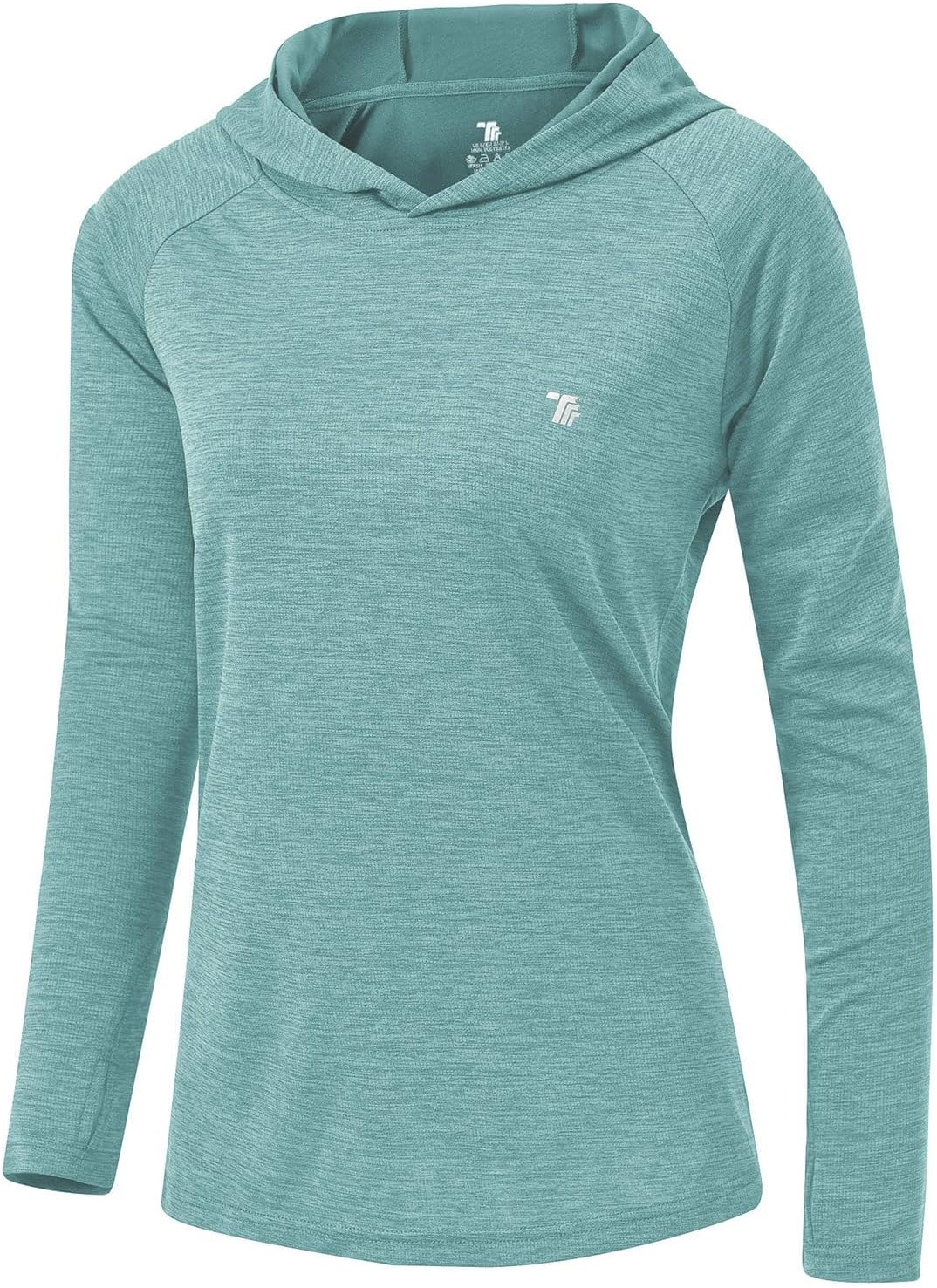
TBMPOY Women's UPF 50+ Long Sleeve Sun Protection Hoodie
ASIN B09R1JDM13TBMPOY Women's UPF 50+ Long Sleeve Sun Protection Hoodie is the #1 pick here, on 4.5-star Amazon buyer ratings (5,891 of them) and one clear job: all-day sun cover.
Check Price
Most of what Amazon sells as women's fishing gear is a men's product in a different color. Seven picks where the cut is a real change, and a plain list of the gear where it is not.
21.3 million women went fishing in the United States in 2024. That is the highest number of female participants on record, against 36.7 million men, in the Recreational Boating and Fishing Foundation's 2025 Special Report on Fishing. Walk the fishing aisle and you would not guess it. Most of what gets sold as women's fishing gear is a men's product in a smaller size and a different color, and the listing photo does the rest of the work.
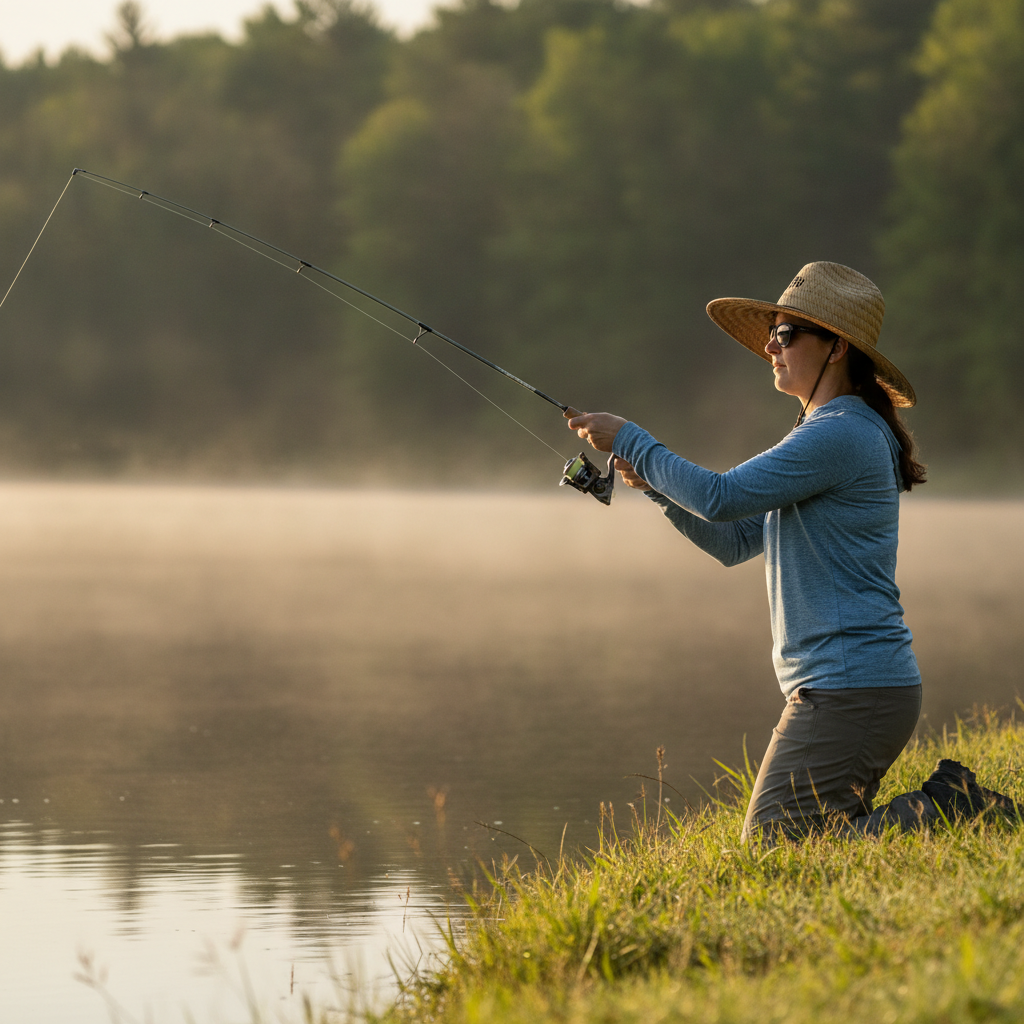
Four things genuinely change when a garment is cut for a woman, and all four are things you notice by the third hour. A sun shirt's shoulder seam and hip length decide whether it rides up and leaves your lower back bare every time you cast. A wader's inseam and hip decide whether you can step over a log without the crotch fighting you. A life vest's chest panel and torso length decide whether it sits flat or rides up into your chin. A glove's finger length decides whether you can still feel a bite through it. Everything else on a fishing trip is the same object for everyone.
So the seven picks below cover the parts where the cut matters, and this page says out loud where it does not. No rod, reel, line or lure is ranked, because none of those has a gender and the pastel version is usually the worse one. Tom is fourteen, fishes freshwater in New Jersey, and has never worn a women's fishing shirt. He is not going to pretend otherwise. What is here comes from each listing's published specs and size chart, from the sun protection and flotation standards cited on this page, and from what Amazon buyers wrote about fit. Every star rating and review count printed beside a product was read off its Amazon listing on 2026-08-23.
This is the whole list for a freshwater day on the bank or in a small boat. Marked by whether you can leave it at home on your first trip.
The single highest-value item here. Covers the arms and, with a hood, the neck and ears, for the whole day without reapplying anything. Buy it loose and light-colored for summer heat, and look for thumb holes so the cuff covers the back of the hand.
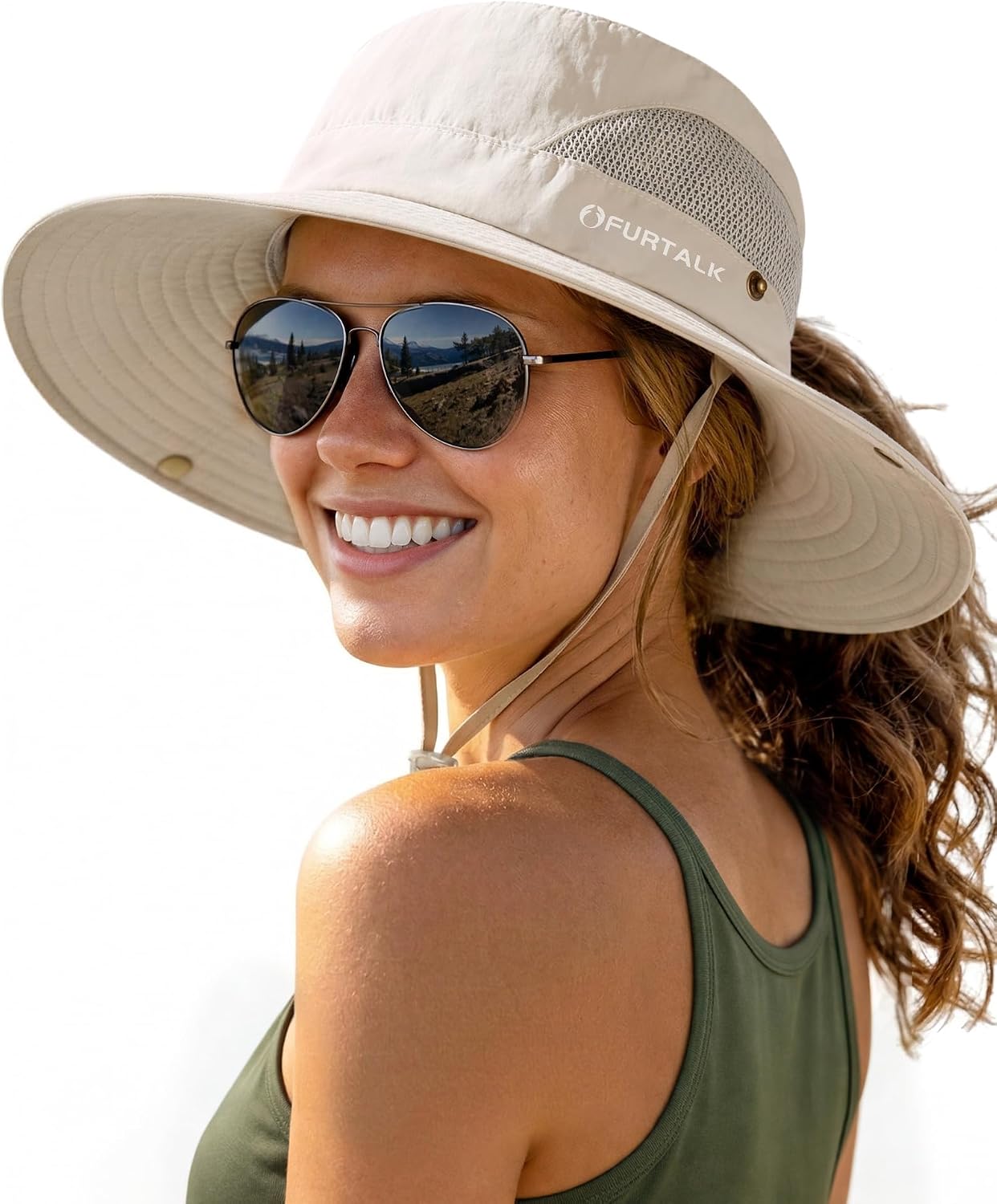
A wide brim shades the face, ears and the back of the neck, which is where a baseball cap gives up. A ponytail hole is not a gimmick: it is what lets a hat sit level rather than perched, and it stops the brim tipping every time you look down at a knot.
Eye protection first and fish-spotting second. Polarized lenses cut the glare off the surface so you can read depth changes and see a hook coming back at you. Smaller frames sit better on a narrower face, and any fit that leaves a gap at the temple lets glare straight back in.
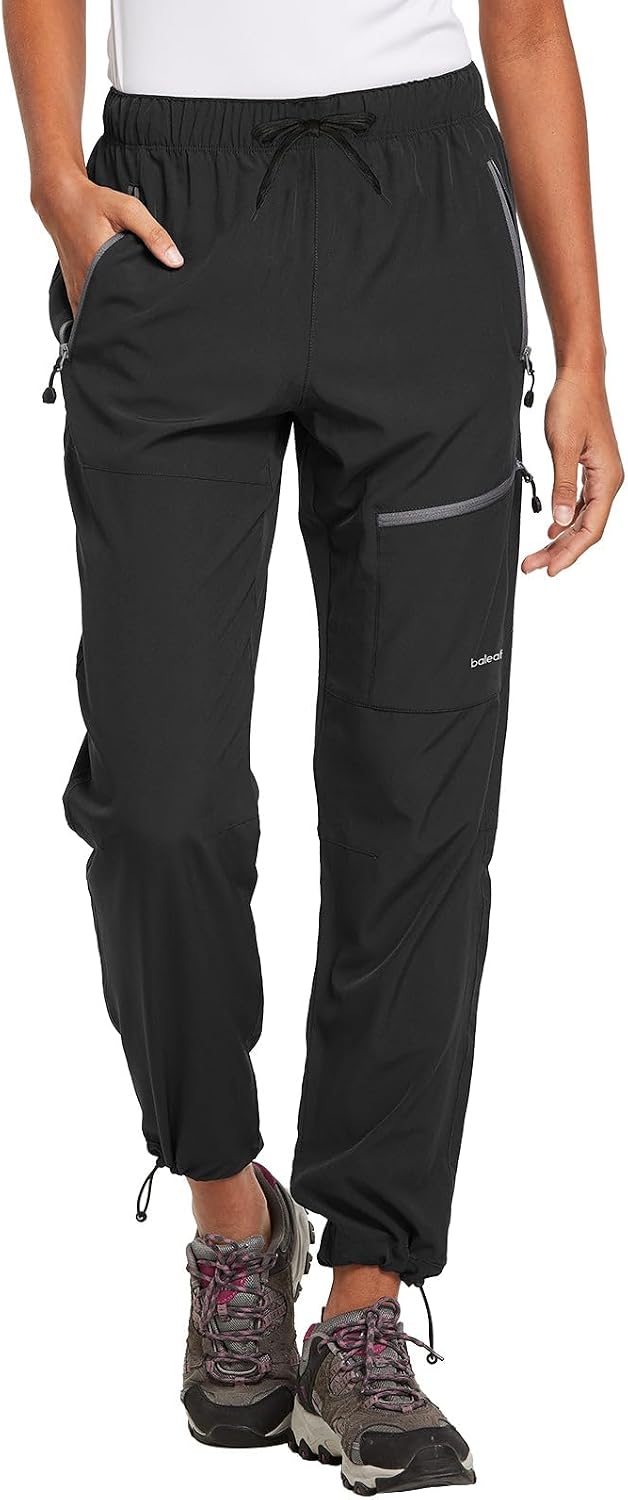
Nylon or poly, never cotton. They dry after a splash, they shrug off the brush on the walk in, and they keep mosquitoes off your ankles at dusk. Zip pockets matter more than they sound, because a phone in an open pocket is a phone in the lake.
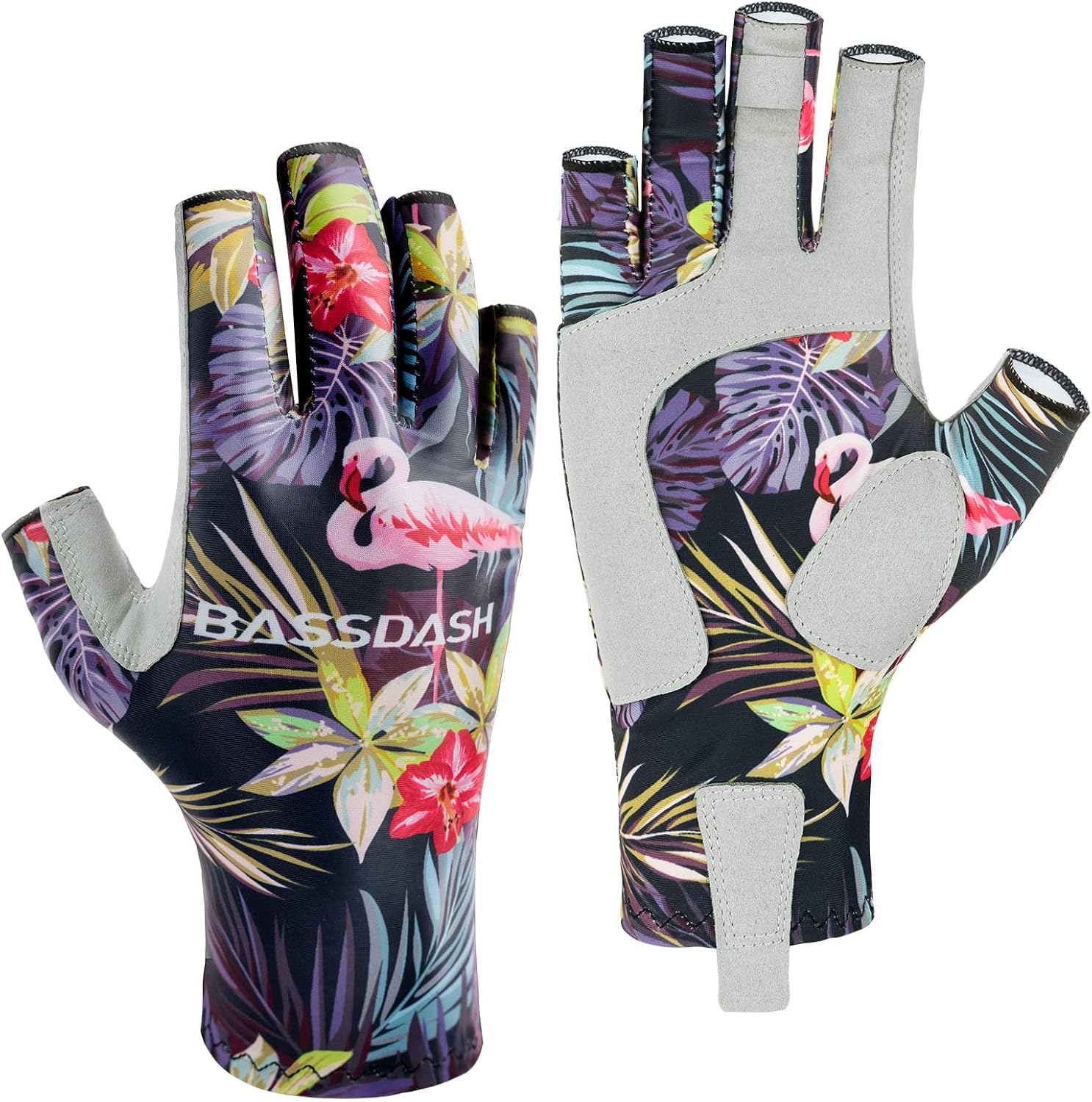
The backs of your hands are on the rod all day and are the spot people miss with sunscreen. Fingerless means you keep the feel of the line and can still tie a knot. A grippy palm is a real bonus on a wet handle.
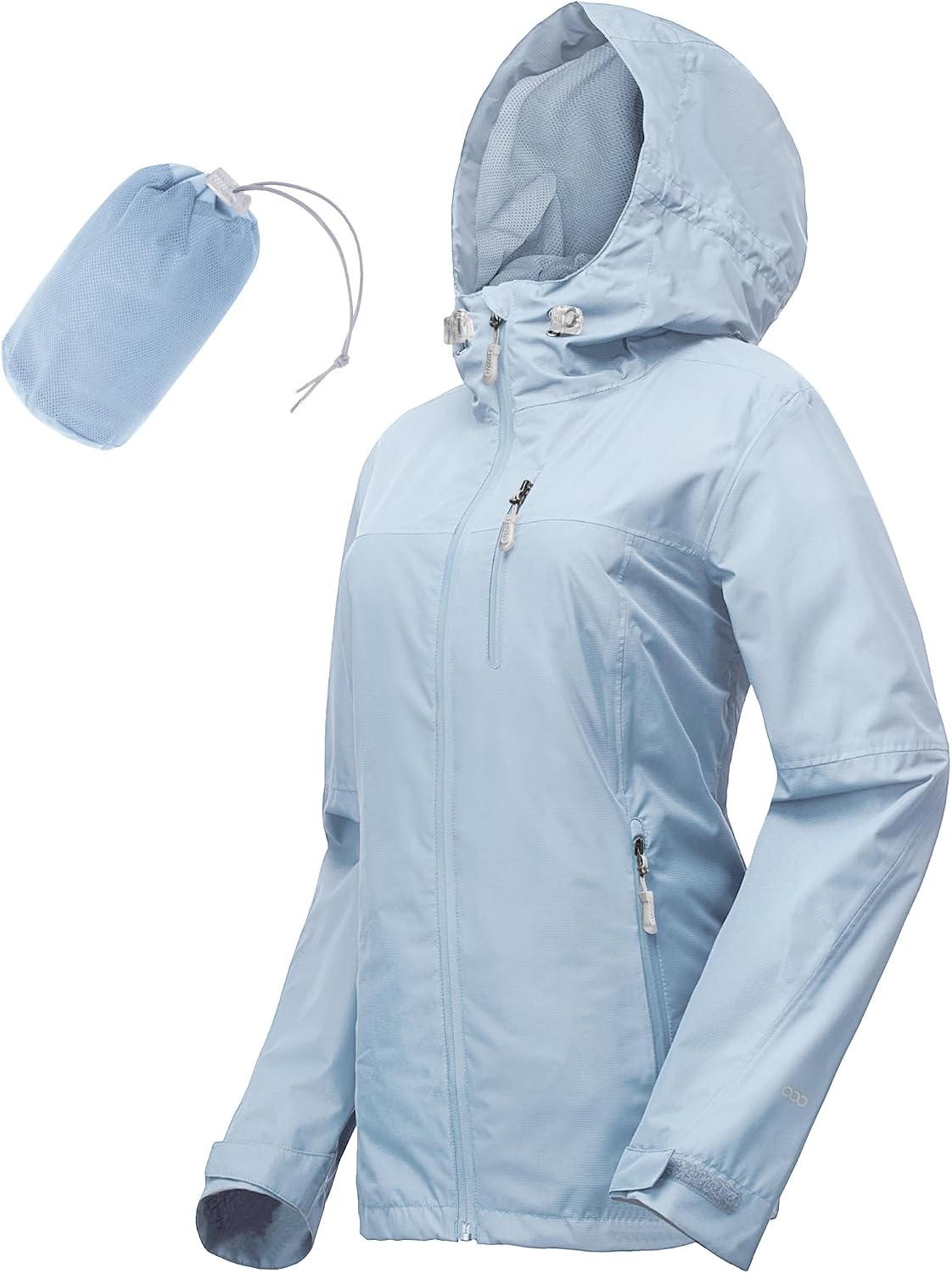
Lives in the bag all season and saves two or three trips a year. Look for a hood and sealed seams. Water-resistant is not waterproof, and you will find out which one you bought at the worst possible moment.
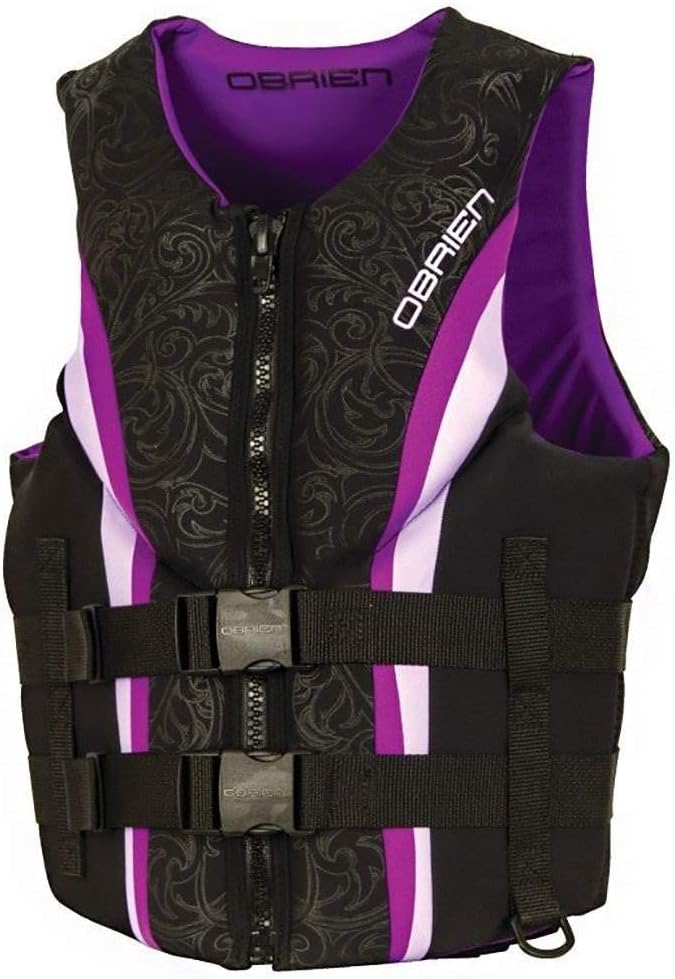
Not optional in a boat or a kayak, where state law usually decides it for you. On a bank it is a judgment call. Either way the fit is the feature: a vest that rides up into your chin is a vest you take off, and a vest you take off protects nobody.
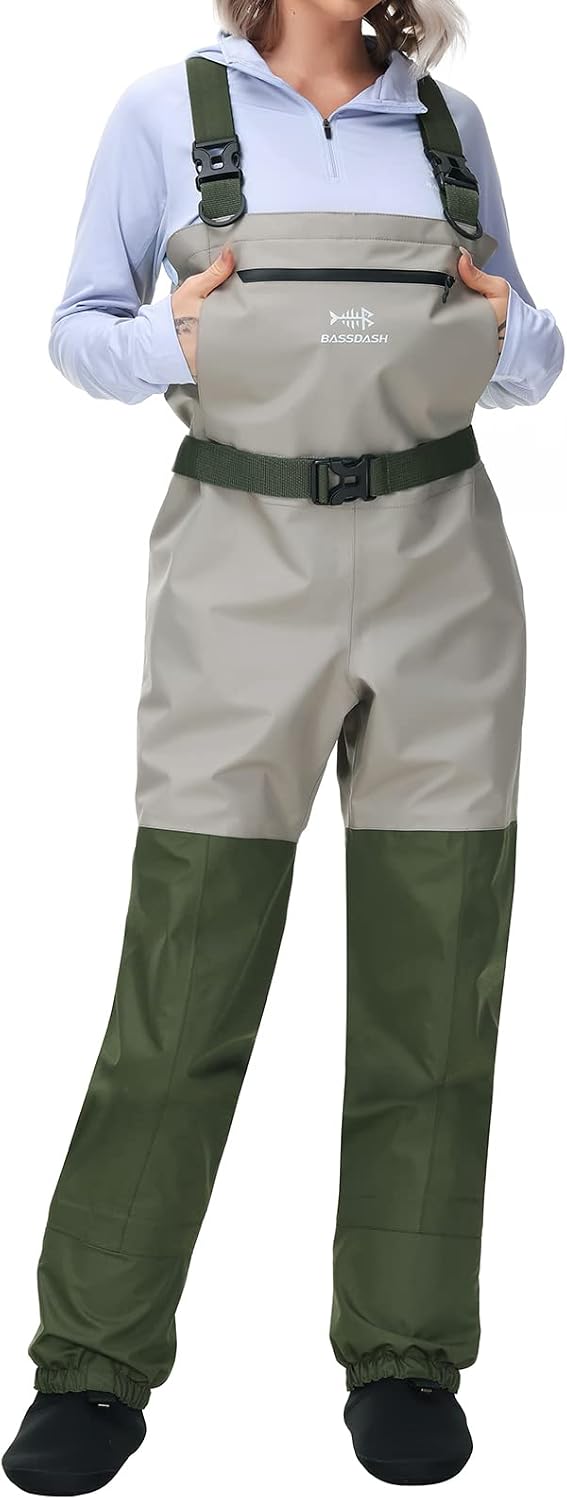
Only once you know you want to get in the water. Breathable stockingfoot waders plus separate boots pack smaller and fit better than bootfoot waders. Add a wading belt and wear it, because it is what keeps the waders from filling if you go in.
Freshwater fishing in most of the country asks for four layers across a year. You rarely wear all of them at once, and each one solves a different problem.
The layer you wear more than any other. A hooded UPF shirt over a tank or a tee covers the arms, neck and ears, breathes better than bare skin in direct sun, and does not need reapplying. In spring and fall it doubles as the base under a fleece, which is why it is the first thing to buy and the last thing to skip.
Nylon or polyester with a bit of stretch, cut long enough to tuck into a sock at dusk. This is the layer that decides whether the walk in through brambles is annoying or fine. Cargo or zip pockets earn their place: a phone, a pack of hooks and a set of keys all need somewhere that is not the ground.
Nothing fishing-specific required. A plain fleece or grid midlayer between the sun shirt and the shell covers the cold end of the season. Keep it thin enough that you can still cast in it, since a bulky sweater under a shell turns every cast into a shoulder workout by lunchtime.
The last layer and the one you carry rather than wear. Waterproof with taped seams and a hood, sized to go over everything else. A shell also blocks wind, which on an open lake in October matters as much as the rain does. Pack it even on a clear forecast, since a shell in the bag weighs nothing and a soaked afternoon costs the trip.
Short on time? Start with these top-rated fishing gear for women picks.

TBMPOY Women's UPF 50+ Long Sleeve Sun Protection Hoodie is the #1 pick here, on 4.5-star Amazon buyer ratings (5,891 of them) and one clear job: all-day sun cover.
Check Price
Bassdash ALTIMATE UPF 50+ Women's Fingerless Fishing Gloves is the #2 pick here, on 4.7-star Amazon buyer ratings (1,579 of them) and one clear job: hands and wrists.
Check Price
33,000ft Women's Packable Waterproof Rain Jacket (10,000 mm) is the #3 pick here, on 4.6-star Amazon buyer ratings (2,855 of them) and one clear job: a day that turns wet.
Check PriceDetailed picks with verdicts, strengths, tradeoffs, and the situations where each one makes the most sense.

Quick verdict: TBMPOY Women's UPF 50+ Long Sleeve Sun Protection Hoodie is the #1 pick here, on 4.5-star Amazon buyer ratings (5,891 of them) and one clear job: all-day sun cover.

Quick verdict: Bassdash ALTIMATE UPF 50+ Women's Fingerless Fishing Gloves is the #2 pick here, on 4.7-star Amazon buyer ratings (1,579 of them) and one clear job: hands and wrists.

Quick verdict: 33,000ft Women's Packable Waterproof Rain Jacket (10,000 mm) is the #3 pick here, on 4.6-star Amazon buyer ratings (2,855 of them) and one clear job: a day that turns wet.

Quick verdict: O'Brien Impulse Women's Neoprene Life Jacket (USCG Type III) is the #4 pick here, on 4.7-star Amazon buyer ratings (4,315 of them) and one clear job: boats and kayaks.

Quick verdict: FURTALK Women's Wide Brim UPF 50+ Sun Hat with Ponytail Hole is the #5 pick here, on 4.5-star Amazon buyer ratings (1,919 of them) and one clear job: face, ears and neck.

Quick verdict: baleaf Women's Quick-Dry Water-Resistant Cargo Pants is the #6 pick here, on 4.4-star Amazon buyer ratings (22,891 of them) and one clear job: brush, bugs and wet banks.

Quick verdict: BASSDASH IMMERSE Women's Breathable Stockingfoot Chest Waders is the #7 pick here, on 4.5-star Amazon buyer ratings (139 of them) and one clear job: standing in cold water.
A women's cut is not a marketing tier. It is a shoulder seam set narrower, a sleeve run shorter, a waist taken in and a hip let out, and on a shirt it usually adds two or three inches of body length so the hem stays down through a cast. Those are the changes worth paying for. If a listing's only women's feature is the color, and the size chart is the same chart with the same chest and sleeve numbers, you are buying a men's shirt with a different photo. Open the size chart before you open the reviews. It is the fastest honesty test on any apparel listing.
UPF is the fabric equivalent of SPF and it is measured, not claimed. The Skin Cancer Foundation puts it plainly: a UPF 50 fabric blocks 98 percent of the sun's rays and lets 2 percent through, and 50 is the minimum rating that qualifies for its Seal of Recommendation. It does not wear off, it does not need reapplying at noon, and it does not run into your eyes when you sweat. That is why a long sleeve hooded shirt beats sunscreen on your arms even in August. Anything marked UPF 50+ is already at the top of the scale, so once you see that number, choose on fit, venting and how the cuffs handle getting wet.
The Coast Guard's Type III classification covers the vests anglers and paddlers wear: they are designed for conscious wearers in calm inland water and they will not reliably turn an unconscious person face up. That is the tradeoff you accept for a vest you can cast in. A women's cut matters here more than anywhere else on this page, because a vest that rides up into your jaw with every arm stroke is a vest that ends up in the bottom of the boat. Check the buckle count, check whether the chest panel is shaped, and check the weight range on the label rather than the chest size.
Waders sold as unisex are men's waders. The inseam runs long, the hip is cut straight, and the attached stockingfoot is sized to a men's boot, so a woman ordering by chest measurement ends up with several inches of loose leg and a bootie two sizes too big. Loose neoprene bunches and chafes. A too-large bootie slides inside the wading boot and turns a slick rock into a fall. Buy a wader cut for the shape you have, size the boot to the stockingfoot rather than to your street shoe, and expect to go up a size or two in the boot to fit the neoprene.
It is the piece that changes the most days. Long sleeves and a hood cover the two places that burn first, the fabric keeps working after you have sweated through the sunscreen you did not reapply, and a light heather shirt on a July bank is genuinely cooler than a bare arm. Buy it a size up if you plan to layer under it in spring. Look for thumb holes, which pull the cuff over the back of the hand, the part nobody remembers to cover.
Rain ends more trips than fish do. A packable waterproof shell lives in the bottom of the bag all season and earns its place twice a year. Get one with a real hood and sealed seams rather than a water-resistant softshell, and size it to layer over the sun shirt and a fleece. A women's cut matters less here than on a shirt, but sleeve length matters more, because a sleeve that swallows your hand gets in the way of every cast.
Breathable stockingfoot waders plus separate boots beat bootfoot waders for anyone who walks to the spot. They pack smaller, they dry faster, and the boot fits properly because it is a boot rather than a bag on the end of a leg. A women's cut is the whole point here: the inseam, the hip and the stockingfoot size are the three measurements a unisex wader gets wrong for most women, and all three of them are the ones that cause chafing or a slip.
Almost every returned apparel order is a sizing problem rather than a quality problem. Six steps that fix it before you order.
Chest at the fullest point, natural waist, hip at the widest, and inseam from crotch to ankle bone. Keep them in your phone. Every brand on Amazon publishes its own chart and a medium in one is a large in another, so the letter on the tag is close to meaningless without your own numbers to compare against.
It is on the listing, usually behind a small link under the size selector. If the women's listing shows a chart with hip and inseam figures of its own, the garment is genuinely cut for a woman. If it shows the same chest and sleeve numbers as the men's listing, the women's version is a color and you should buy whichever is cheaper.
A review that says it runs small tells you nothing on its own. A review that says five foot four, 140 pounds, ordered a medium and it fits tells you everything. Filter mentally for those, and ignore the rest of the fit comments entirely. Photo reviews are worth more than written ones for anything with a shape.
A shell has to fit over a fleece and a sun shirt. Waders have to fit over fleece pants in April. A sun shirt in July has nothing under it and should be your measured size. Sizing up by default is how people end up with a shirt that flaps and a shell that fits nobody.
The neoprene bootie on a pair of stockingfoot waders adds real bulk, and a wading sock adds more. Most brands tell you to go up one or two sizes from your normal shoe. A boot that is too small crushes your foot cold in an hour, and one that is too large slides on rock, which is the more dangerous of the two.
Coast Guard approved vests are labeled with a weight range and a chest range, and the weight range is the one that determines whether the flotation is right for you. Fit it snugly, lift it by the shoulders once it is buckled, and if it slides up past your ears it is too big regardless of what the label says.
Once you know which kit type fits your situation, dig into each gear category for in-depth picks and buying advice:
Want to browse beyond the ranked picks? Filter and sort the full fishing gear for women listing below.


Both, depending on the item. On a sun shirt, waders and a life vest the difference is real and measurable: shoulder seam placement, sleeve and inseam length, hip room, body length, and on a vest the shape of the chest panel and the height of the torso. Those change how the item behaves after three hours, not how it looks. On a rod, a reel, line, hooks and lures there is no women's version in any meaningful sense, and a listing that offers one is usually charging for paint. The test is simple. Open the size chart. If the women's listing has its own chart with different numbers, the cut is real. If it links the same chart as the men's listing, you are looking at a color option.
No. A rod is chosen by length, power and action, and those get matched to the fish, the lure weight and the water, not to who is holding it. What people are usually reaching for when they buy a women's rod is a shorter, lighter one, and that is a legitimate thing to want. A six foot to six foot six inch light or medium light spinning rod is easier to handle for anyone with smaller hands or a shorter reach, and it is sold to everybody. The pastel combos on the end cap tend to be the same blank with cheaper guides and a rougher drag, so you pay for the color twice. Pick on the spec line instead, and see the rod guides linked from this page.
A long sleeve UPF 50+ shirt, a brimmed hat, polarized sunglasses, quick-dry pants or long shorts, and fingerless sun gloves is the standard warm-weather kit, and it is the same list for everyone. Long sleeves in July sound wrong and are not: sun protective fabric blocks 98 percent of UV at UPF 50, and a loose light-colored shirt with vents moves more air across your skin than bare arms do. Skip cotton entirely, because wet cotton stays wet and cold. The one item people leave out is the gloves, and the backs of the hands are on the rod for every minute of the day.
UPF stands for Ultraviolet Protection Factor and it is a rating of how much UV a fabric lets through to your skin. The Skin Cancer Foundation describes UPF 50 as blocking 98 percent of the sun's rays and allowing 2 percent to penetrate, and it requires a UPF of 50 for its own Seal of Recommendation. The plus sign means the fabric tested above 50, which is the top of the published scale. It is worth understanding that this is a property of the weave and the fiber rather than a coating, so it does not wash out the way an early generation of treated fabrics did. Once a shirt reads UPF 50+, more is not available, so compare on fit, venting and cuffs.
Yes, and this is the item where unisex sizing fails worst. Waders sold as unisex are cut on a men's block: a longer inseam, a straighter hip, and a stockingfoot sized to a men's boot. Ordering those by chest measurement leaves most women with loose fabric at the knee and a bootie too large to fill a wading boot, which is a chafing problem and a footing problem in one. Brands that cut a women's wader publish their own chart with hip, inseam and shoe size, so measure your inseam and buy from that chart. Size the wading boot to the neoprene stockingfoot rather than to your street shoe, which usually means going up one or two sizes.
Not really, and that is worth knowing before you shop. The fishing-specific vests with the high backs and the pliers pockets are almost all universal or men's sizing, while the vests genuinely cut for a woman's torso come out of the watersports side of the catalog. So there is a tradeoff on this page rather than a perfect answer. A women's cut Coast Guard approved Type III neoprene vest fits and stays put, which is the property that actually saves lives, but it has no tackle pockets and it is warmer than a mesh paddle vest on a hot day. If you want the fishing features instead, the universal fishing vests on our life jacket guide are the ones to look at.
Trust the measurements over the letter on the tag, and trust the reviews over the size chart when the two disagree. Take a tape to your chest, waist, hip and inseam once and write the numbers down, because almost every brand on Amazon publishes its own chart and a medium is not a fixed quantity. Then read the reviews specifically for people who listed their own height and weight, since a fit comment without a body reference tells you nothing. If you are buying a shirt to layer under, or a wader to wear over fleece in spring, size up once. If it is a sun shirt for July, buy your measured size and let it hang loose rather than going up.
Reader-supported and free of paid placements. Every pick is ranked on published specs and Amazon buyer ratings, not on who pays us.
Each pick is compared on published specs, materials, design, and category fit across the major brands.
Rankings factor in how well each product matches common freshwater fishing needs, not just popularity.
Star ratings and review volume from Amazon buyers are factored in to reflect real-world satisfaction.
A pick earns its spot by delivering useful performance for the money, whether budget or premium.

No rod or reel is ranked here, on purpose. A rod does not have a gender. Length, power and action get chosen for the fish and the water, and the pastel combo on the end cap is usually the same blank with cheaper guides and a rougher drag. Buy the rod that earns its place on specs and buyer ratings, then put the difference into the sun shirt.
See rods under $100